Vodka
580 products


580 products
Wooden Cork ships Grey Goose, Belvedere, Tito’s, Crystal Head, Stoli Elit, Beluga, Ketel One, Absolut, and a deep catalog of craft, imported, and limited-edition vodkas nationwide with adult-signature delivery.
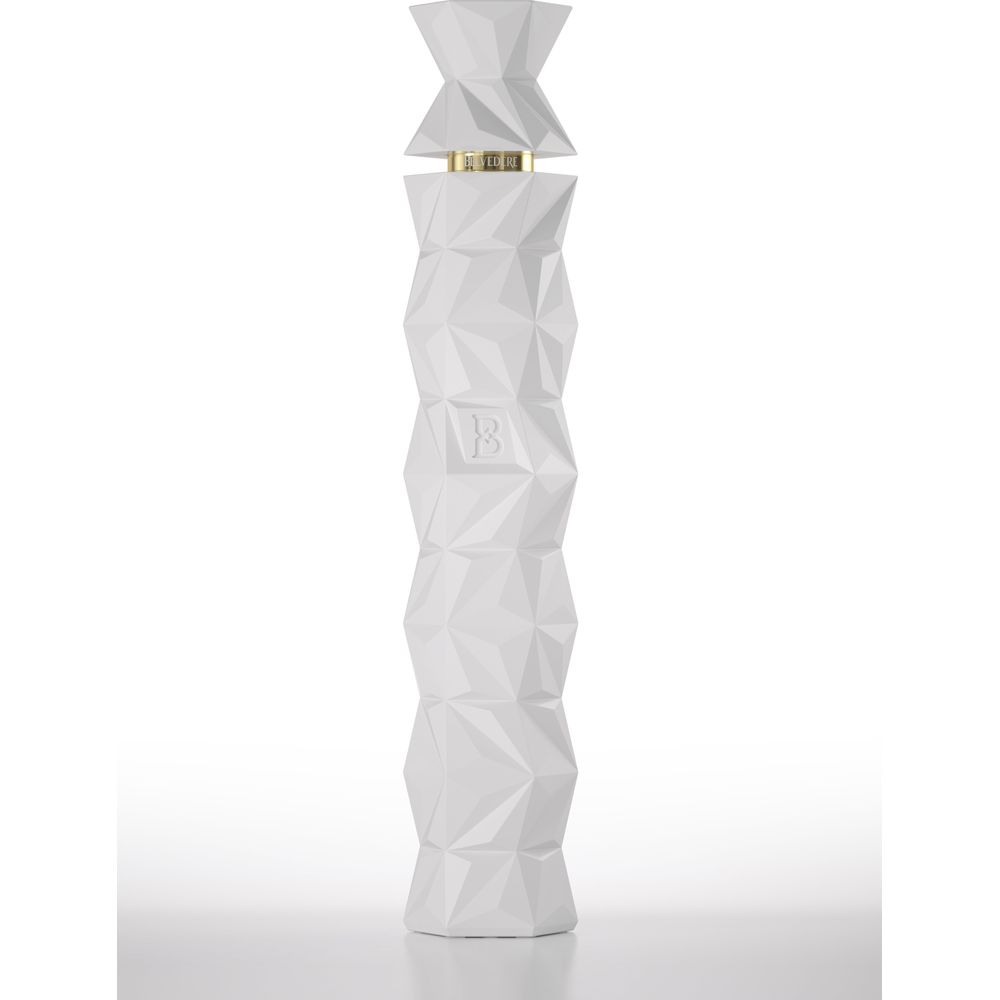
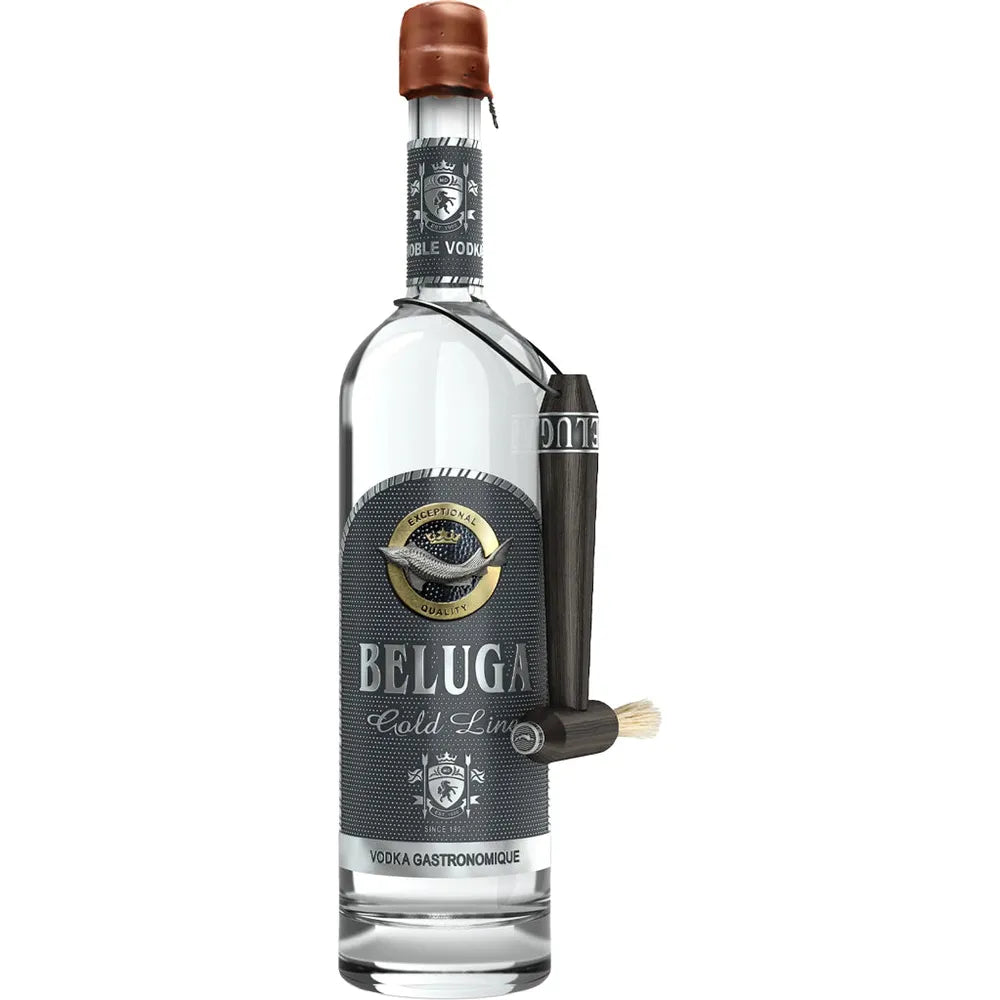
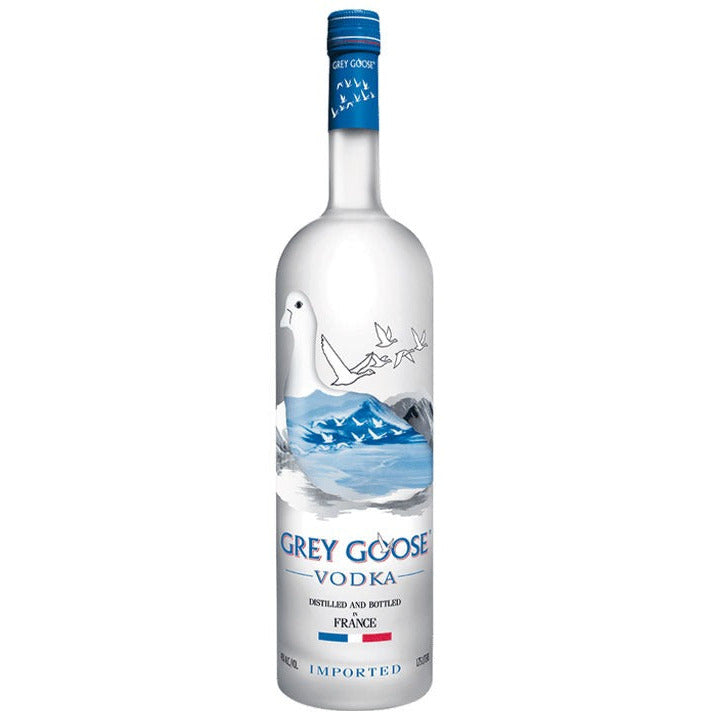
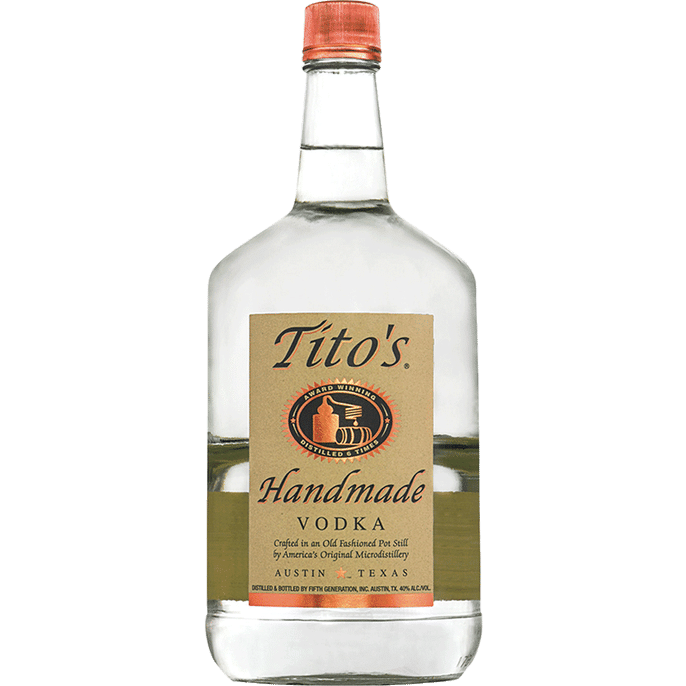
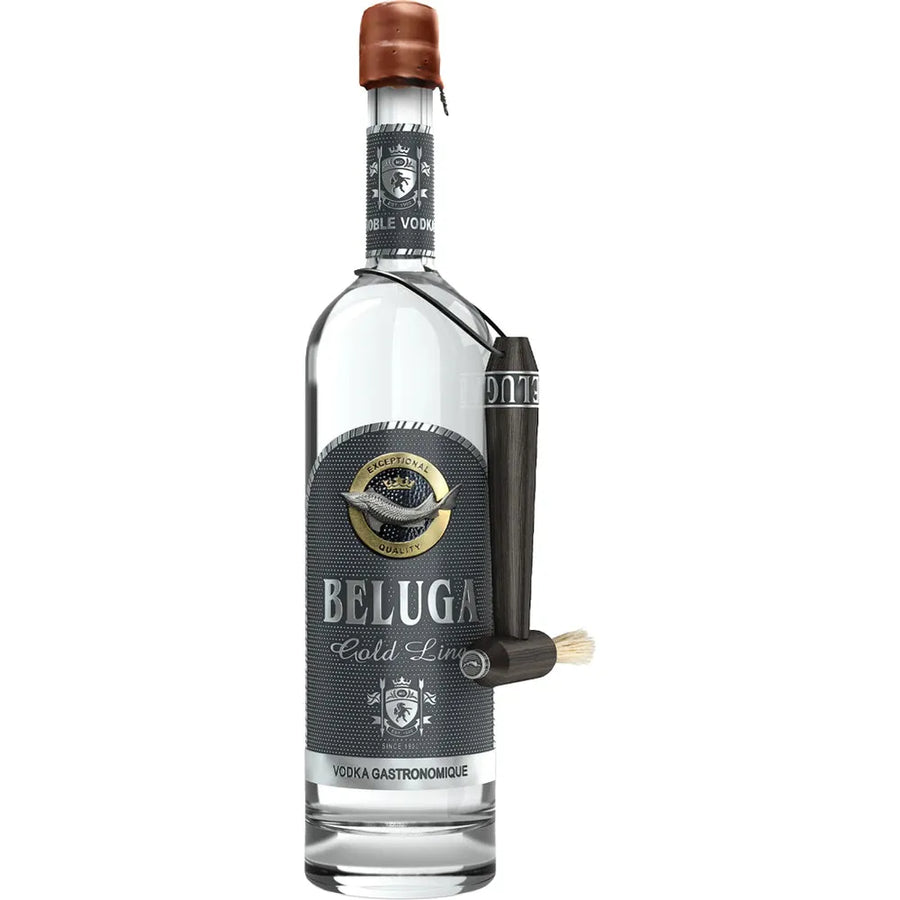
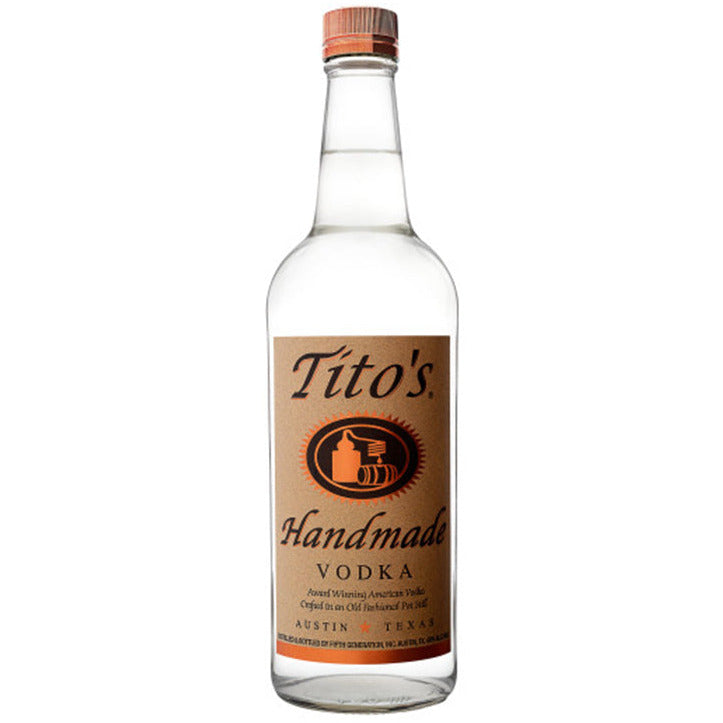
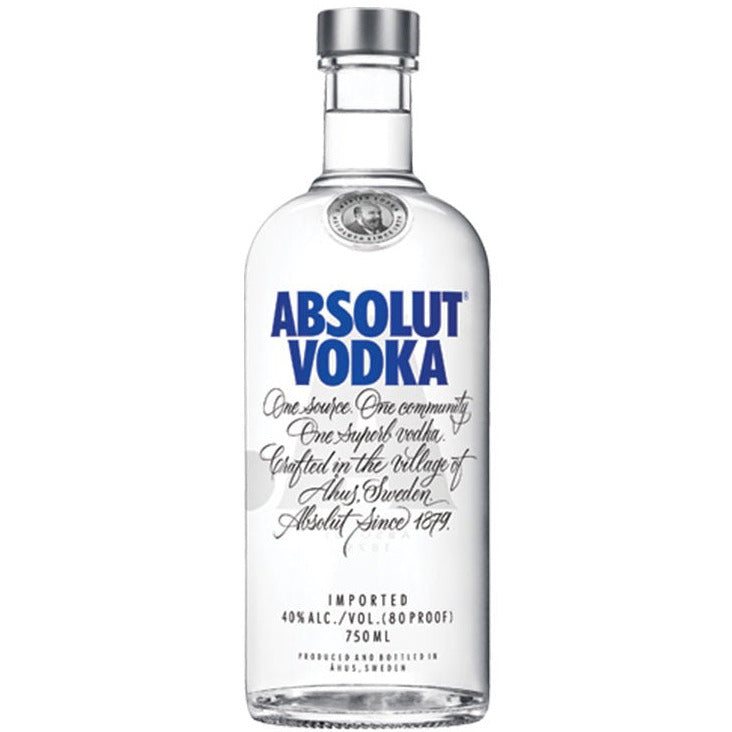
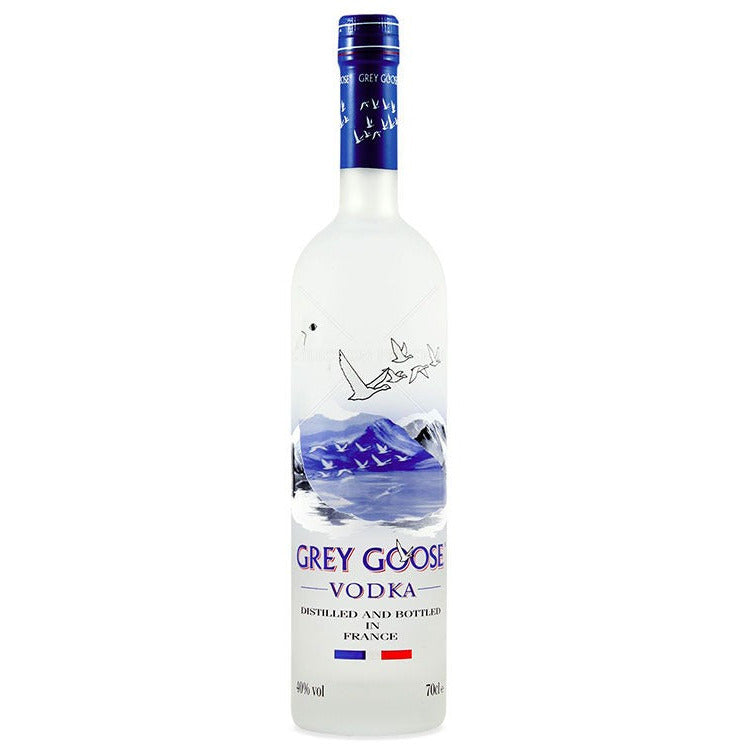
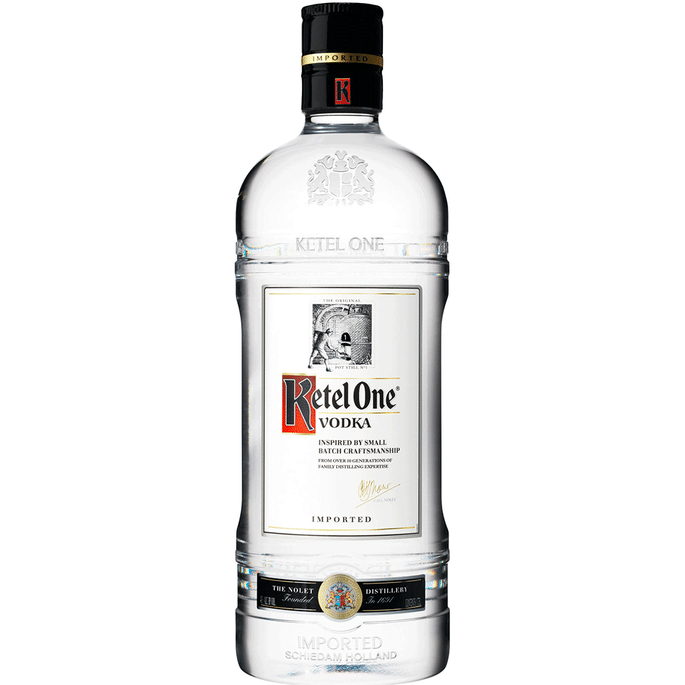
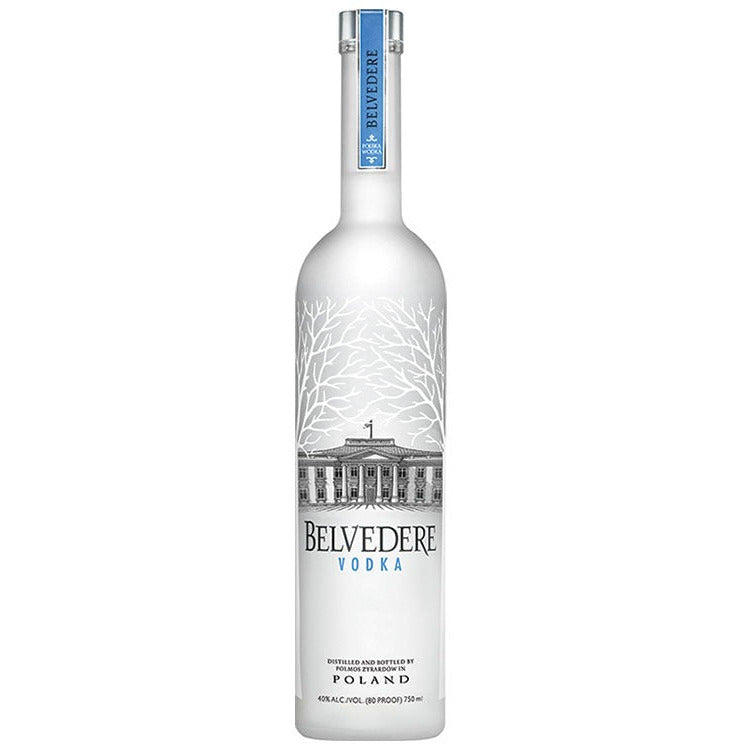
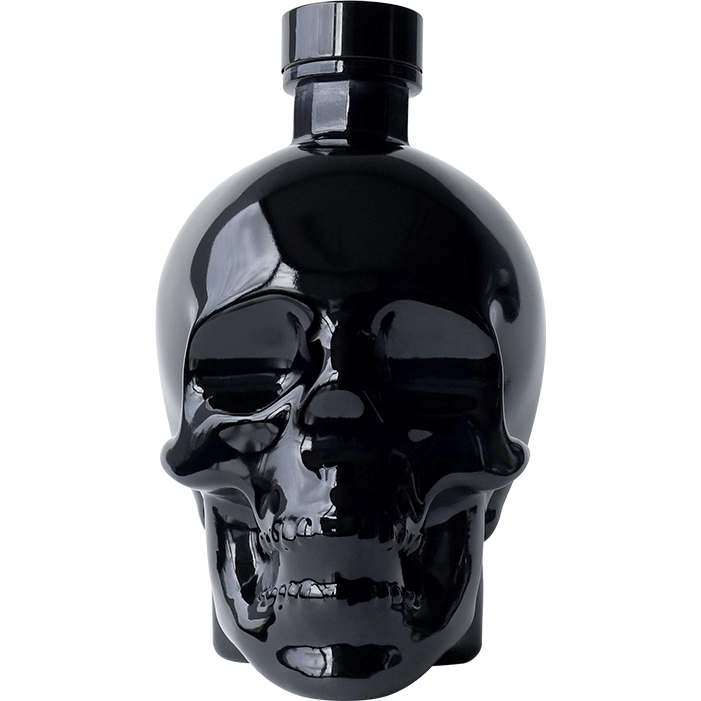
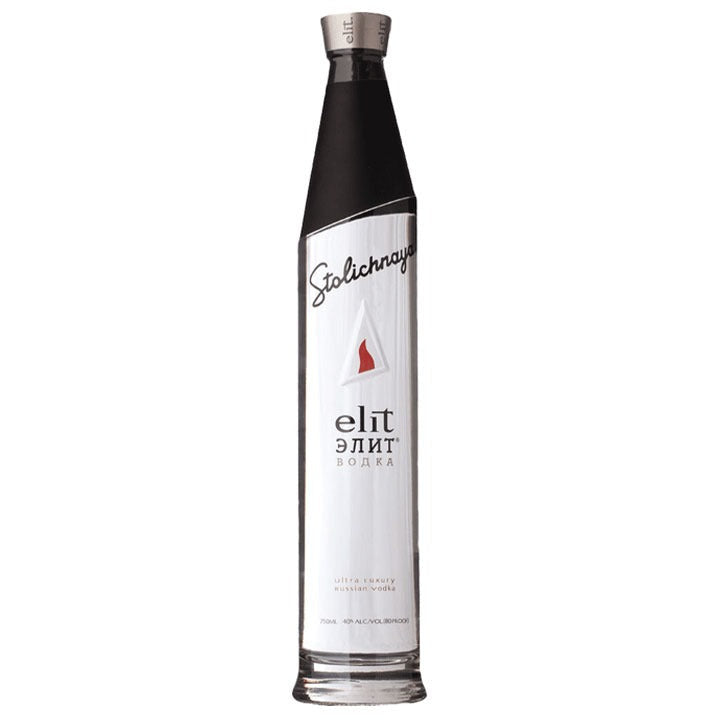
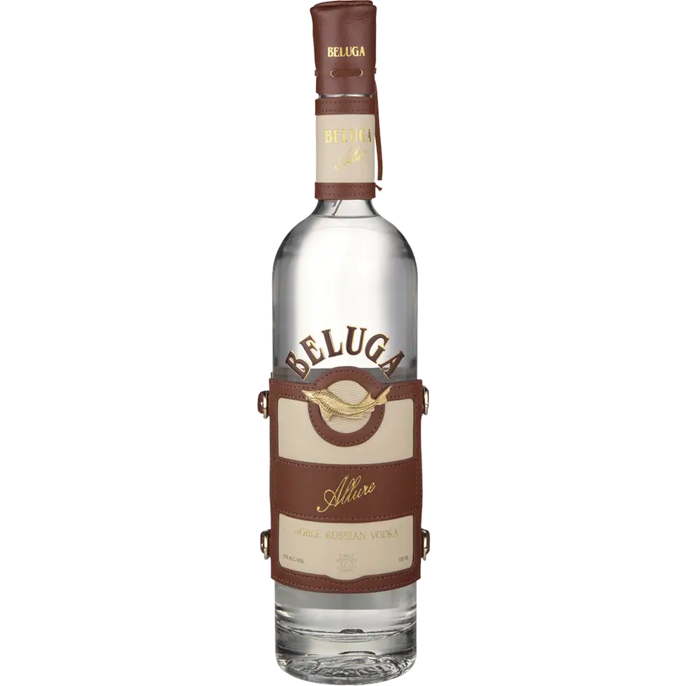
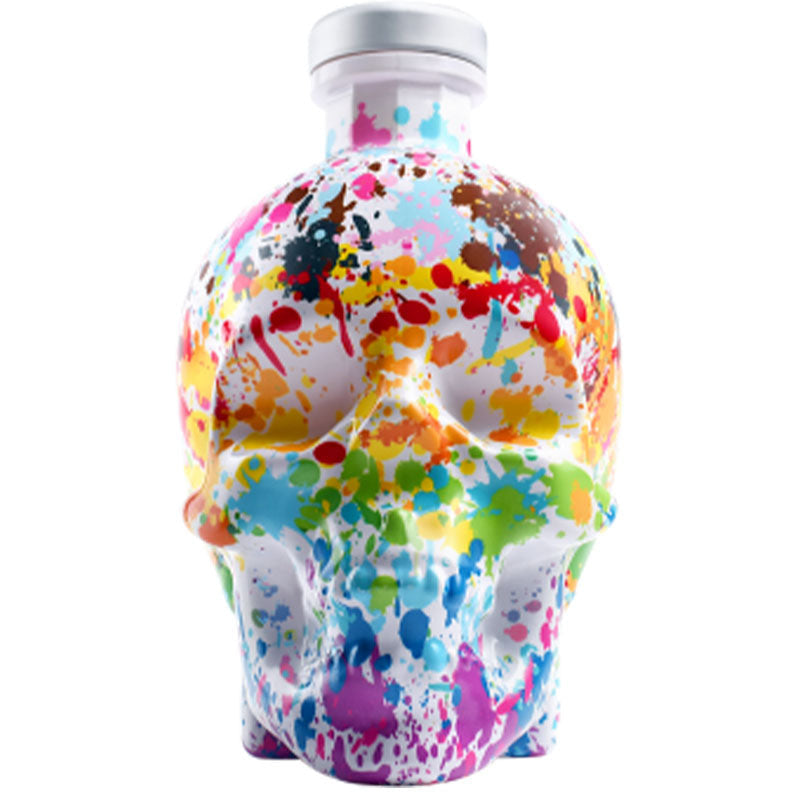
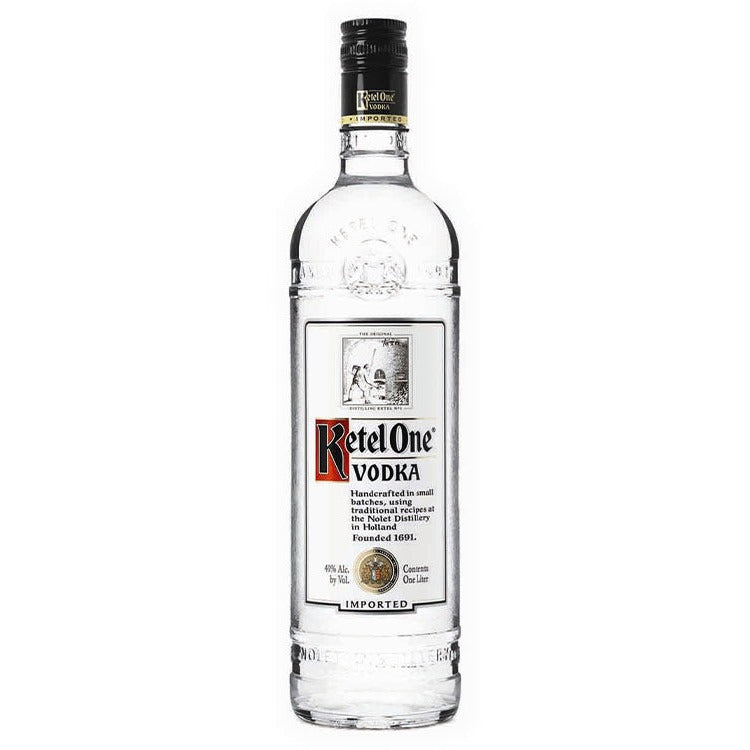
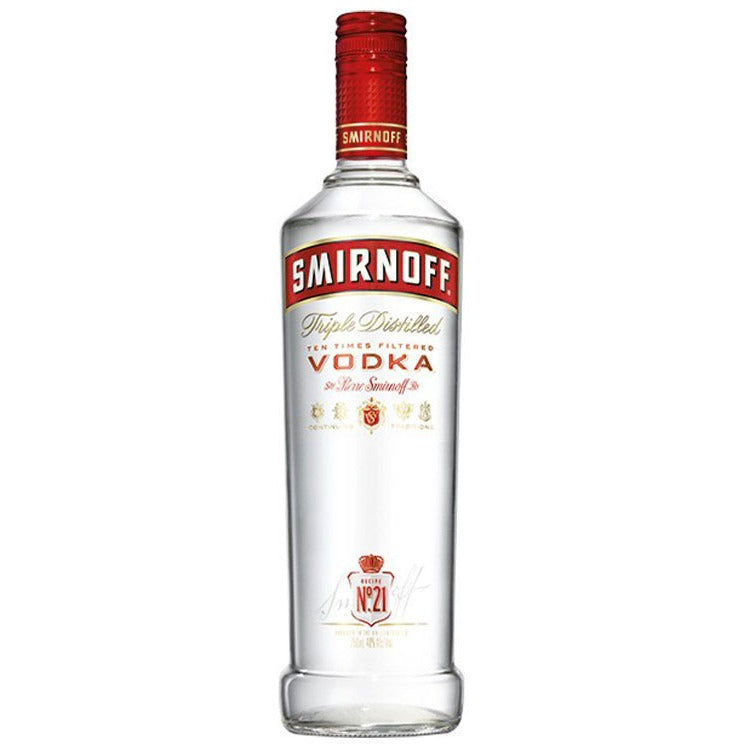
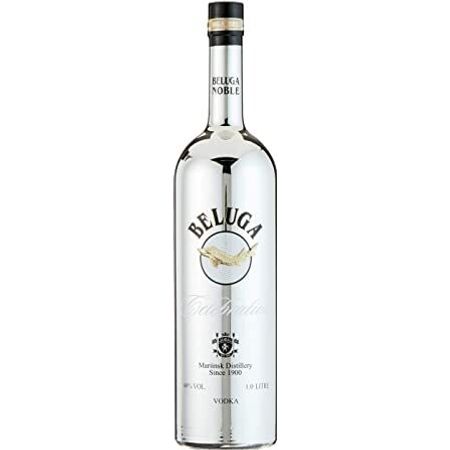
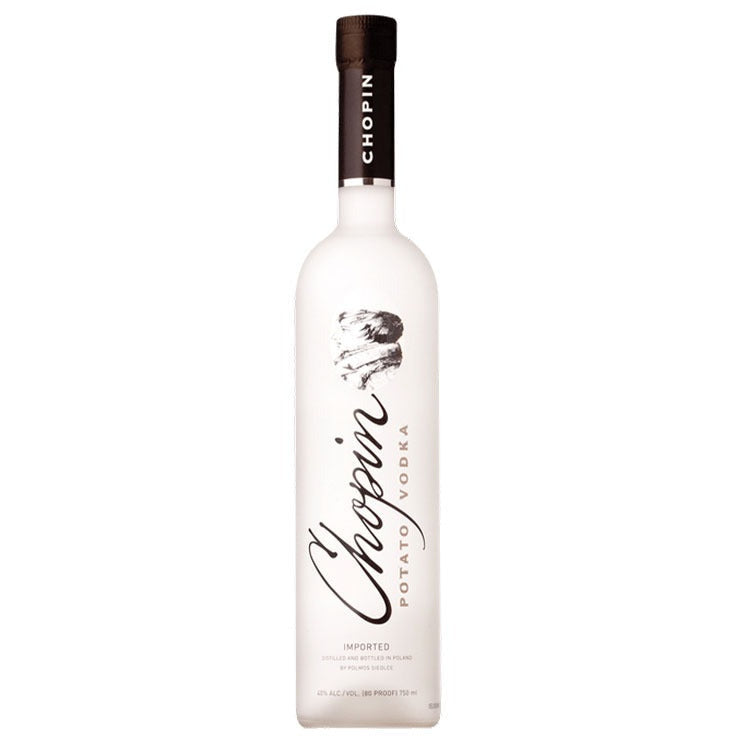
The premium vodka category spans a wide range of base ingredients, production methods, and proof levels. Grey Goose is distilled from French soft winter wheat in the Cognac region using Gensac Springs water — the benchmark for smooth, clean French vodka. Belvedere uses 100% Polska rye and water from its own artesian wells, producing a richer, slightly fuller character than wheat-based expressions. Ketel One combines pot-still and column distillation from Dutch wheat for a creamy, smooth profile. Stoli Elit uses freeze-filtration at -18°C to remove impurities that standard charcoal filtration misses. Beluga Gold Line from Siberia is rested for 90 days with honey, oat bran, and thistle extract — the longest resting period of any mainstream premium vodka. Tito’s Handmade Vodka is distilled six times in small batches from Texas corn using old-fashioned pot stills, naturally gluten-free, and the best-selling premium vodka in the US by volume. Crystal Head is quadruple-distilled from peaches and cream corn and filtered through Herkimer diamonds. Chopin Potato Vodka is produced from a single ingredient — Polish potatoes — delivering a distinctly creamy, earthy, heavier character that grain vodkas can’t replicate.
Base ingredient is the single biggest determinant of a vodka’s character after distillation quality. Wheat vodkas (Grey Goose, Ketel One, Absolut) tend toward clean, light, and slightly sweet profiles. Rye vodkas (Belvedere, Wyborowa) have a fuller body with subtle spice. Potato vodkas (Chopin, Luksusowa) are the richest and creamiest, with an earthy sweetness unique to the base ingredient. Corn vodkas (Tito’s, Crystal Head) are naturally sweet and smooth, ideal for cocktails. Browse all spirits and gifts at Wooden Cork.
Premium vodka pricing comes from four distinct production factors, each with genuine quality implications. First, base ingredient cost: rye and potato are significantly more expensive per liter of spirit than industrial grain or corn, and they produce more distinctive base character that survives into the final spirit. Second, distillation method and passes: pot-still distillation (as used by Tito’s) is less efficient than continuous column distillation but retains more of the base grain’s character; multiple distillation passes increase purity at the cost of production time and equipment. Third, filtration method: standard charcoal filtration removes impurities but not the lightest congeners; Stoli Elit’s freeze-filtration at -18°C removes additional compounds by causing them to crystallize and precipitate out of solution — producing measurably cleaner spirit by standard laboratory analysis. Fourth, water source and treatment: the minerals in the water used for proofing (reducing the spirit to bottling strength) affect the final mouthfeel; distilleries that use natural spring water or carefully mineral-adjusted demineralized water produce a different texture than those using municipal water. The most reliable marker of genuine premium quality is whether the production method creates a detectable difference in the glass — Belvedere’s rye character, Chopin’s potato creaminess, and Stoli Elit’s almost silky neutrality are all measurable. Crystal Head’s Herkimer diamond filtration is the least technically defensible of the premium claims, though the base spirit quality is solid.
The base ingredient’s flavor influence survives distillation in ways that are most noticeable when vodka is tasted neat or in very low-intervention drinks. Wheat-based vodkas like Grey Goose and Absolut tend toward clean, slightly sweet profiles with a light, almost neutral texture — they disappear into cocktails, which is both a feature for versatile mixing and a limitation for neat sipping. Rye-based vodkas like Belvedere produce a perceptibly fuller body with a subtle grainy spice on the finish that wheat vodkas don’t have; Belvedere’s rye character is detectable even in a Martini with good vermouth. Potato vodkas like Chopin are the most distinctive: the fermentation of potato starch produces a creamy, slightly earthy, heavier spirit with a rich mouthfeel that no grain-based vodka replicates. For neat sipping, potato or rye vodkas reward attention; for cocktails where the vodka is a neutral base, wheat or corn is typically the right choice. Corn vodkas like Tito’s and Crystal Head sit closest to wheat in profile — clean, slightly sweet, and neutral — with the added benefit of being naturally gluten-free from a base ingredient that never contained gluten.