Rye Whiskey
522 products


522 products
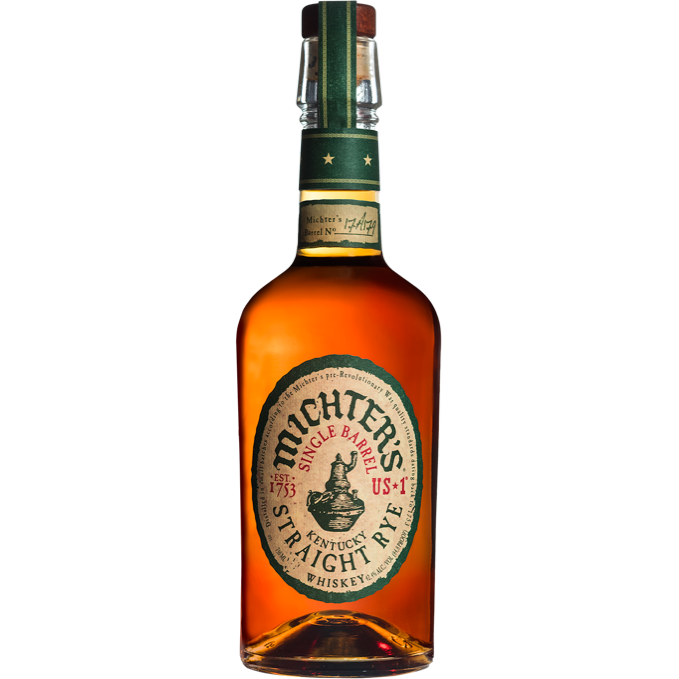
Rye whiskey must contain at least 51% rye grain in the mashbill — producing a spicier, drier, more assertive character than bourbon’s corn-dominant sweetness. Rye was America’s original whiskey style before bourbon’s rise in the 19th century, and it remains the spirit of choice for the Manhattan, Sazerac, and Old Fashioned. Wooden Cork carries premium rye across every tier — from everyday Bottled-in-Bond expressions to highly allocated limited releases — shipped nationwide.
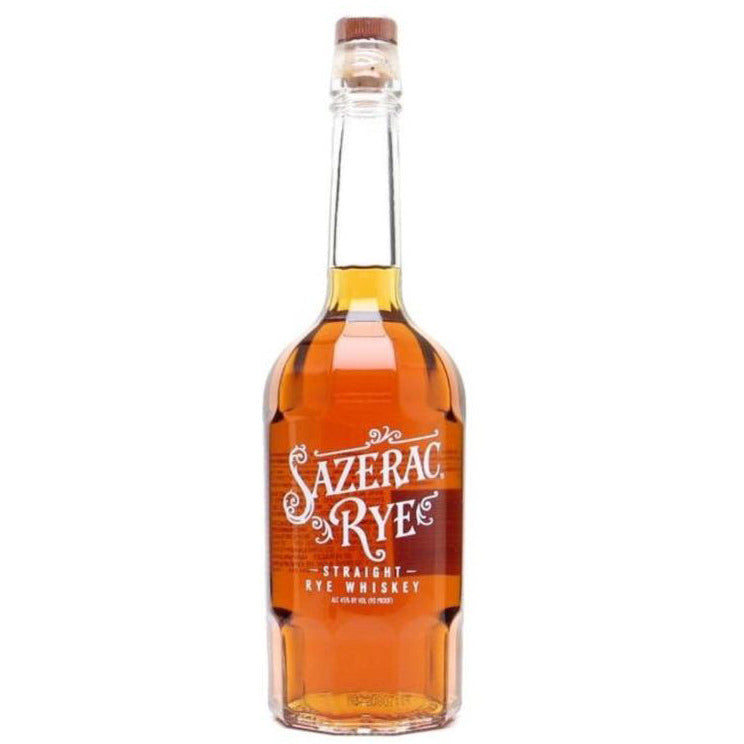
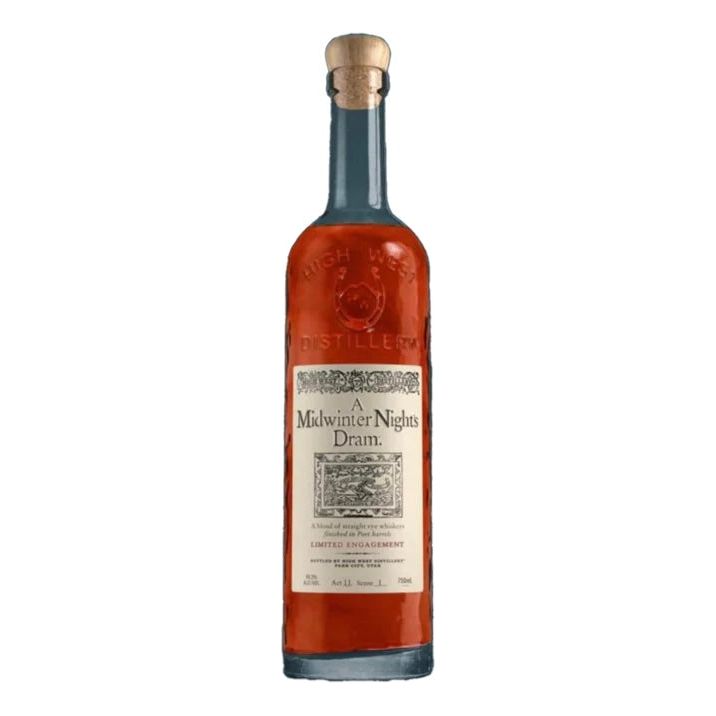
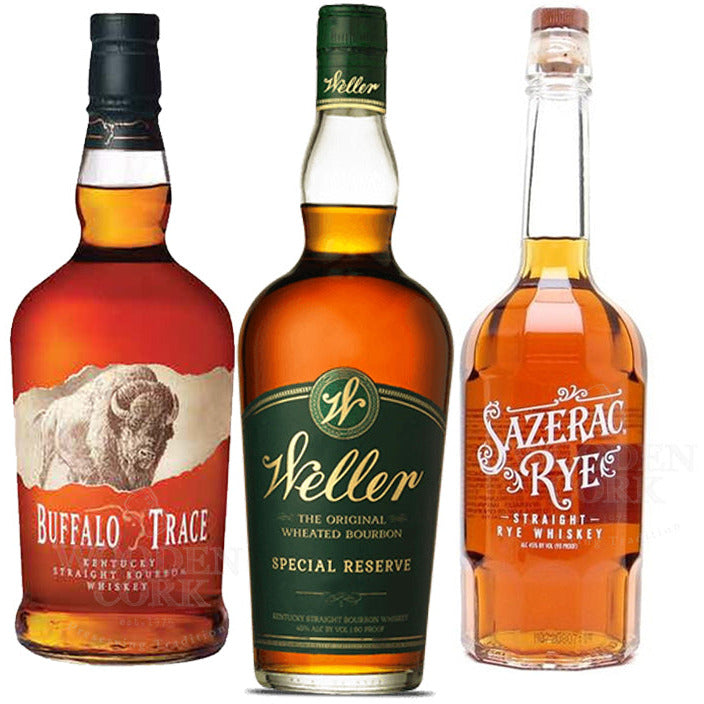
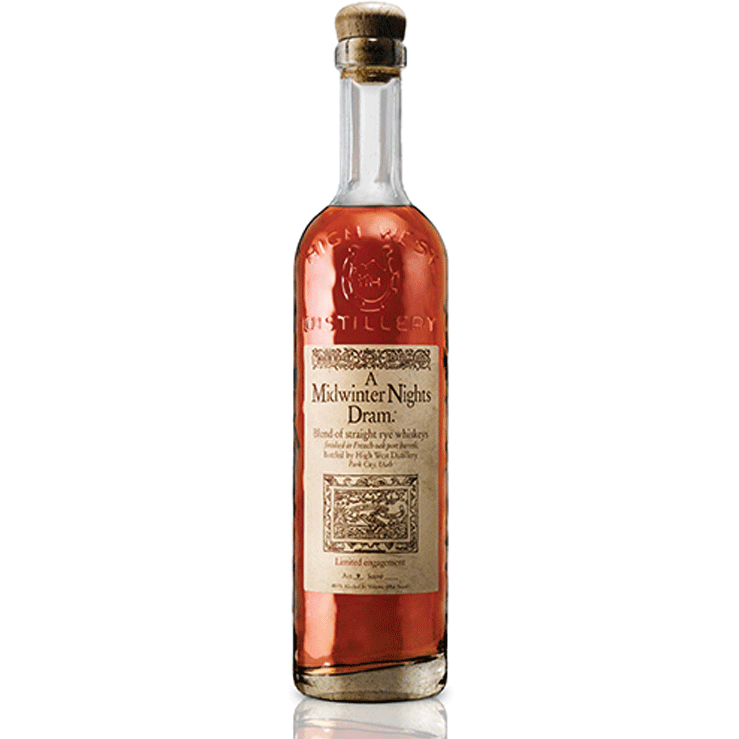
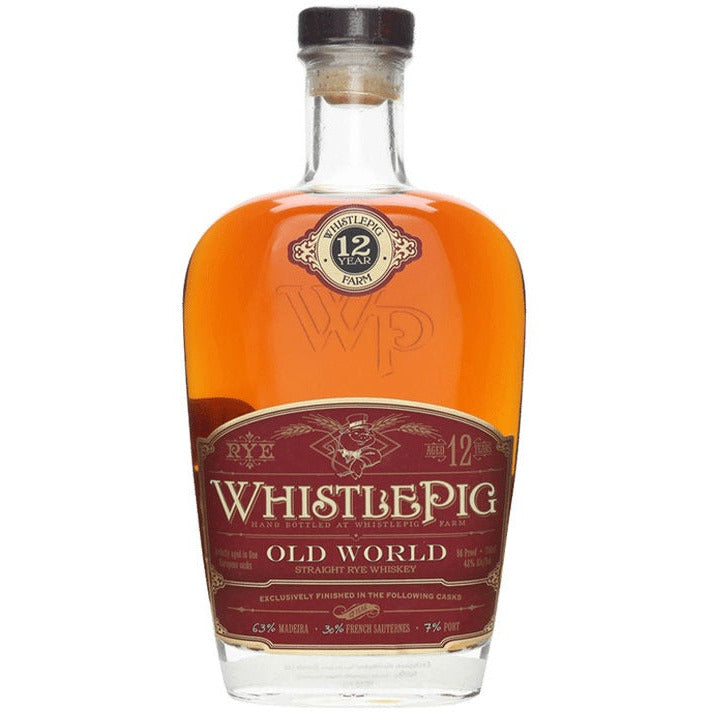
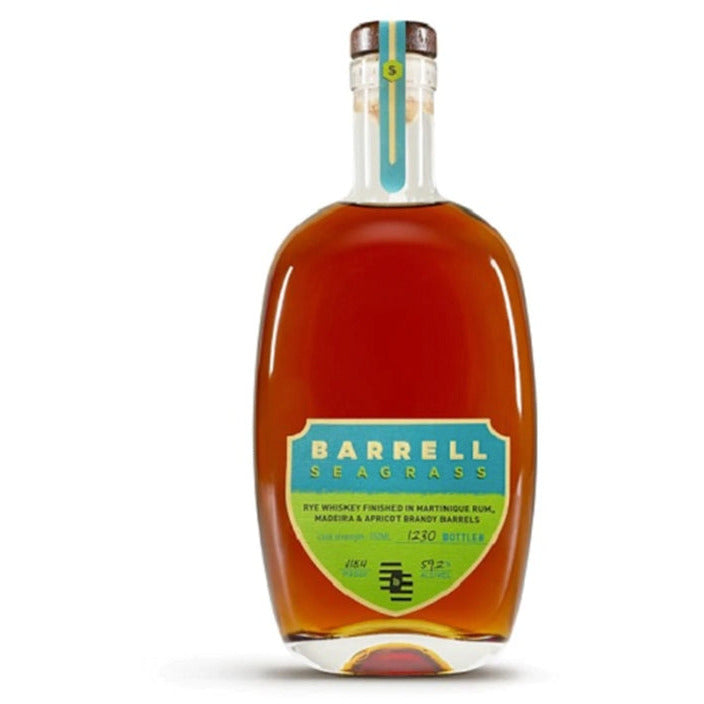
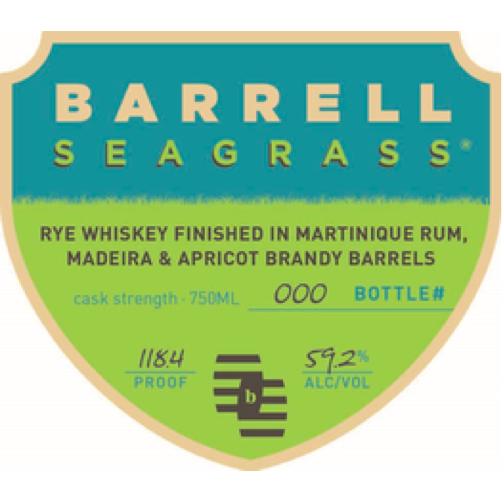
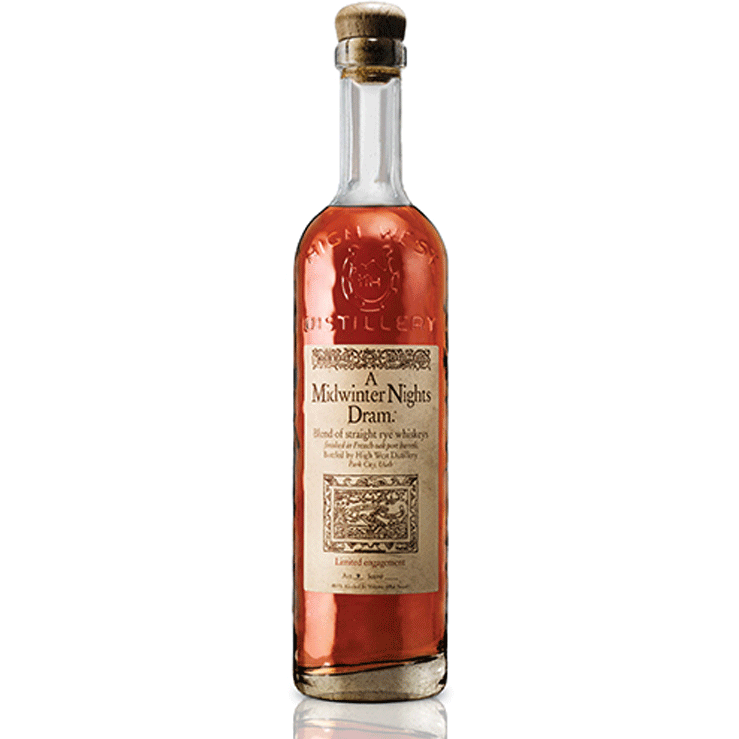
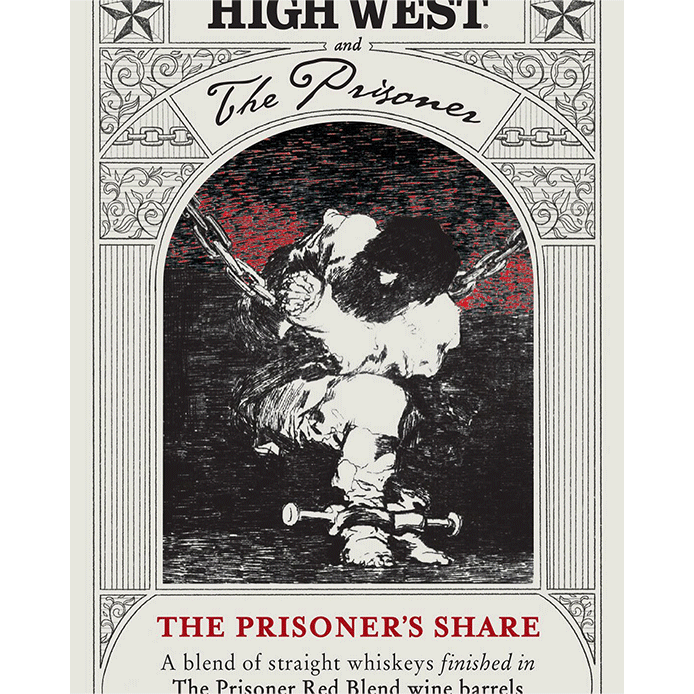
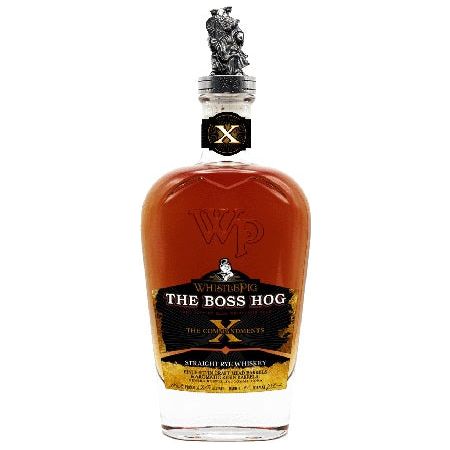
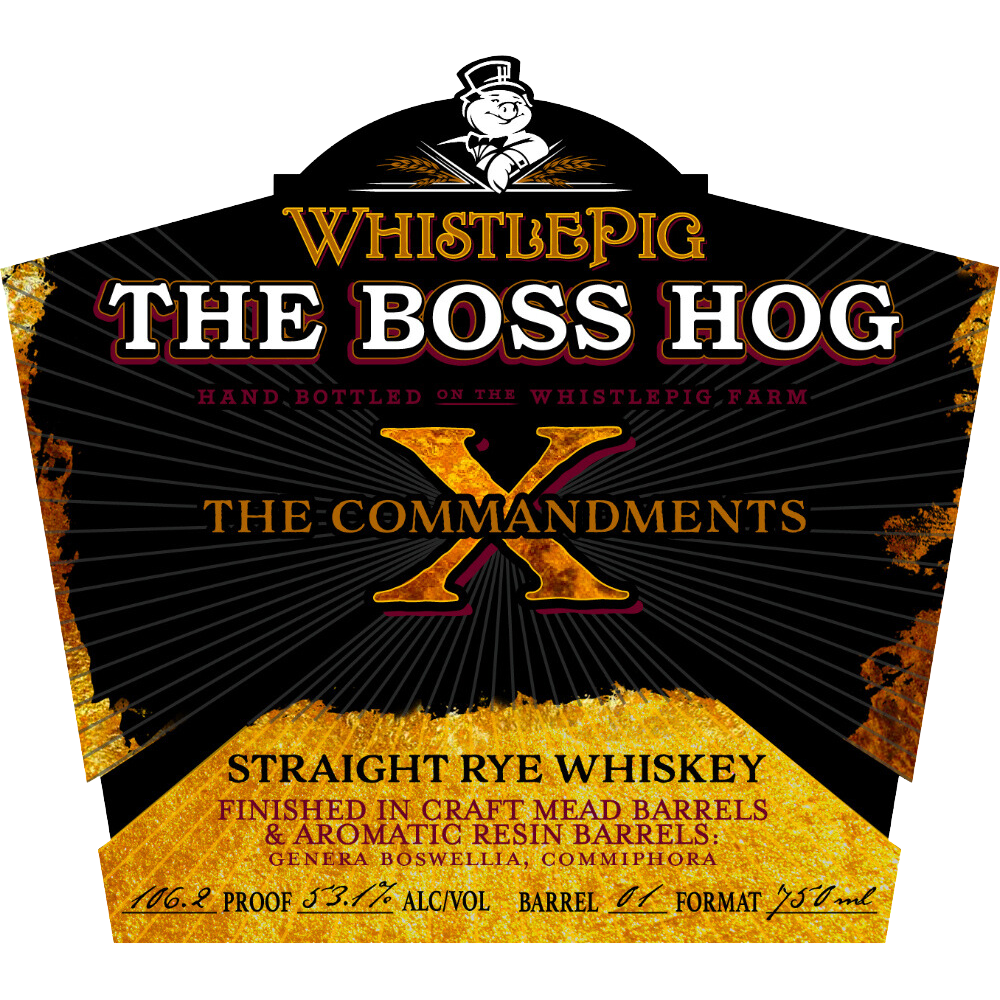
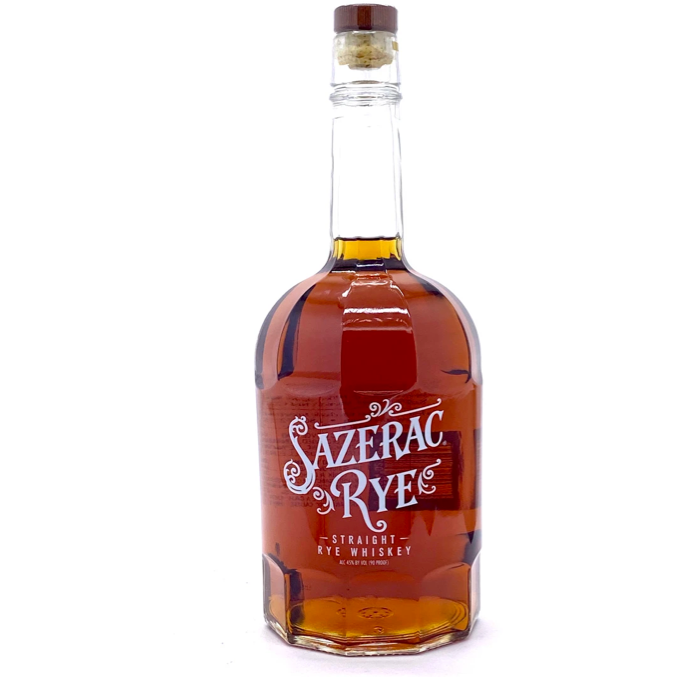
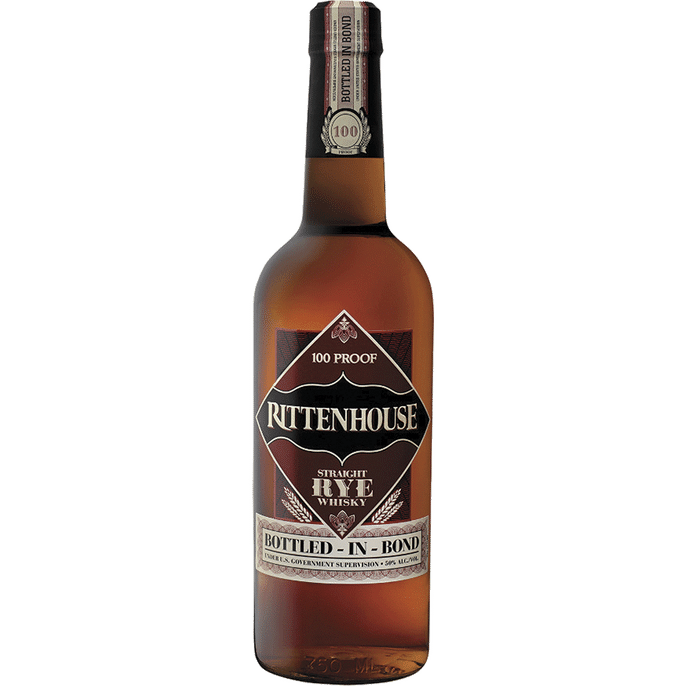
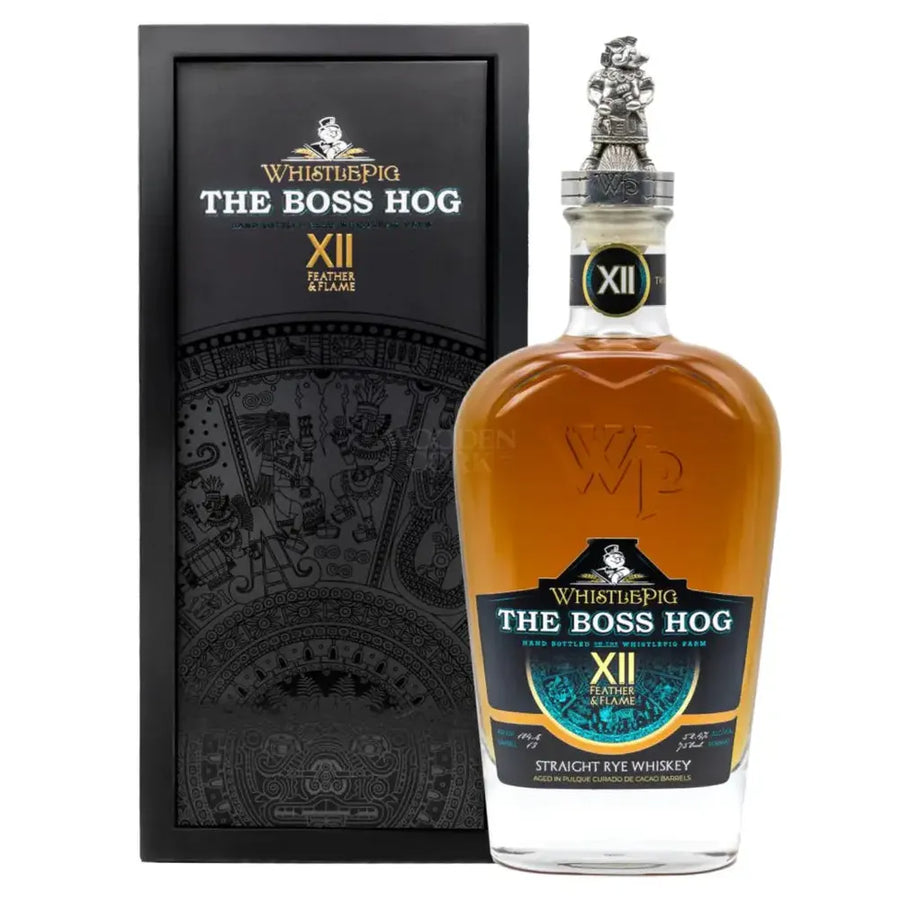
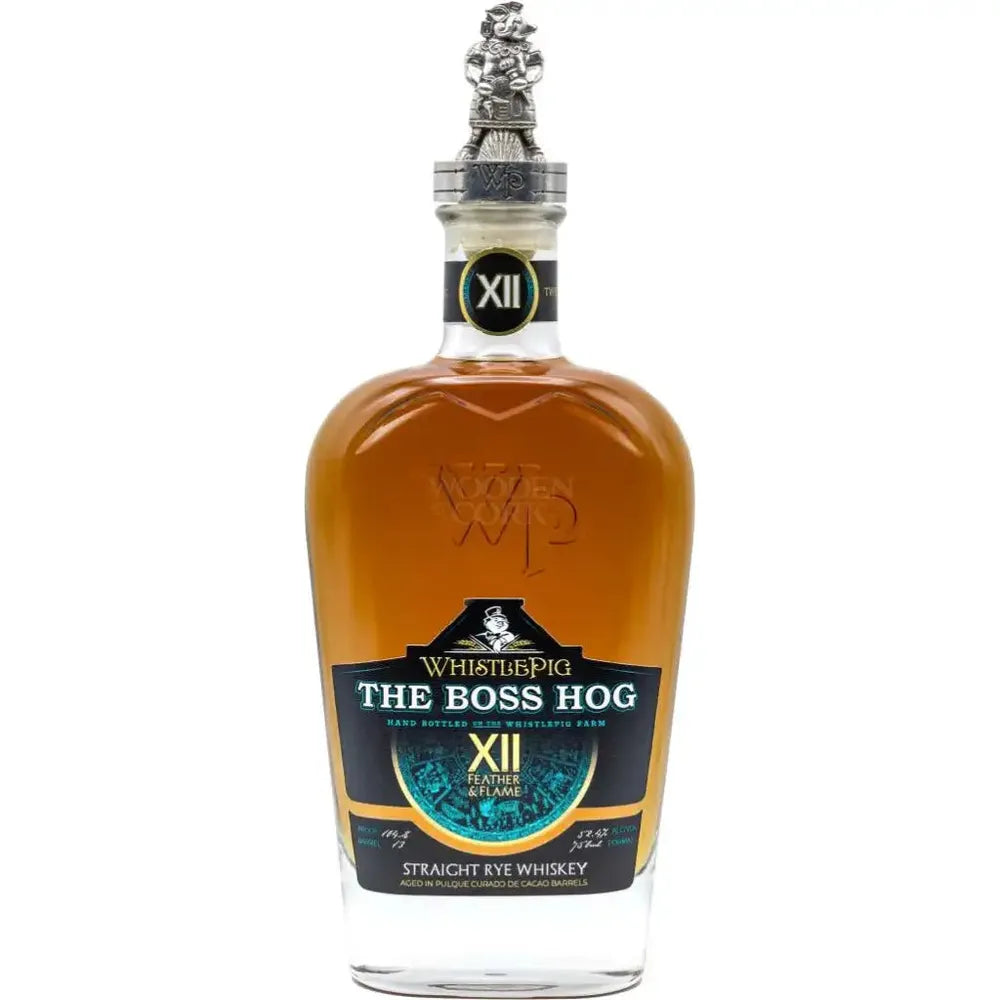
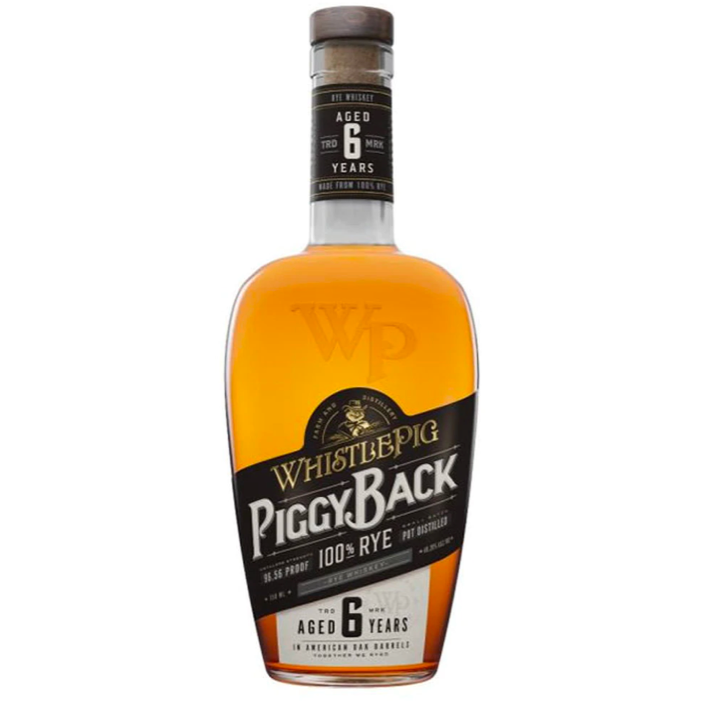
The range includes WhistlePig (10 Year 100% rye, 12 Year Old World, 15 Year Estate Oak, Boss Hog limited releases), High West (Rendezvous Rye, Double Rye!), Barrell Craft Spirits (cask-strength ryes in unique barrel finishes), Rittenhouse Bottled-in-Bond (100 proof, exceptional value), Sazerac Rye, Old Overholt Bonded, and WhistlePig Farm Editions. Browse all bourbon and American whiskey at Wooden Cork.
The legal distinction is the primary grain: rye whiskey requires at least 51% rye in the mashbill, while bourbon requires at least 51% corn. Both must be distilled to no more than 160 proof, aged in new charred oak containers, entered into the barrel at no more than 125 proof, and bottled at a minimum of 80 proof. The flavor difference that results from the grain distinction is substantial: corn produces more natural sugars during fermentation, which translate to the characteristic sweetness, vanilla, and caramel profile of bourbon. Rye grain contributes less natural sugar but more phenolic compounds — specifically spicy, peppery esters and aldehydes that produce the rye spice character. High-rye mashbills (above 70% rye) produce particularly assertive, dry, peppery spirits; lower-rye mashbills (the legal minimum of 51%) produce a more balanced character with some of bourbon’s approachability alongside rye’s structure. Historically, rye was the dominant American whiskey style — the Monongahela Valley of Pennsylvania produced most American whiskey before Kentucky bourbon’s rise in the mid-19th century.
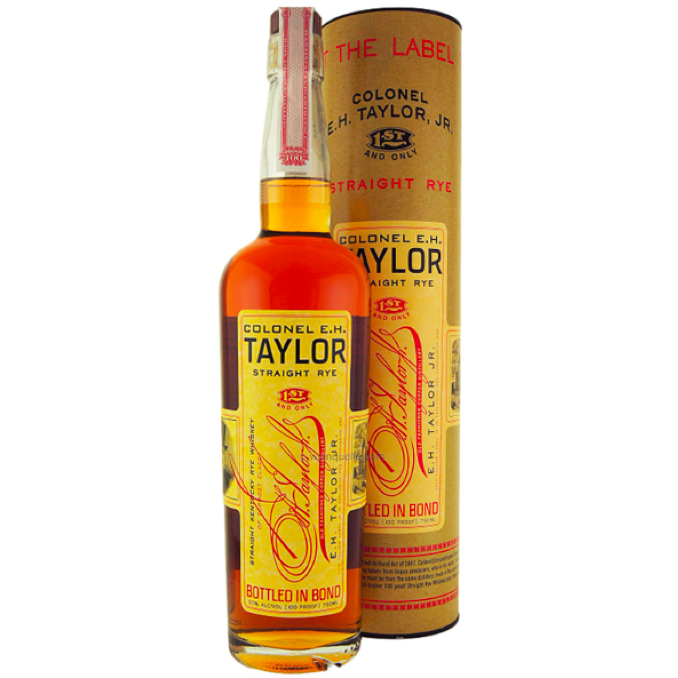
The Bottled-in-Bond Act of 1897 was the first federal consumer protection law for American spirits — passed in response to widespread adulteration of whiskey with industrial alcohol, glycerin, and artificial colorings. A Bottled-in-Bond whiskey must meet four requirements: produced by a single distillery, in a single distilling season (January–June or July–December), aged a minimum of four years in a federally bonded warehouse under government supervision, and bottled at exactly 100 proof. No additives, no blending across seasons or distilleries, no shortcuts. For rye specifically, BiB expressions represent extraordinary value — Rittenhouse BiB at 100 proof and Old Overholt Bonded are among the best-value whiskeys produced in America at any price point. The 100 proof standard also means BiB rye holds up in spirit-forward cocktails where a lower-proof spirit would get washed out by sweet vermouth, bitters, or absinthe.