Rosé
75 products


75 products
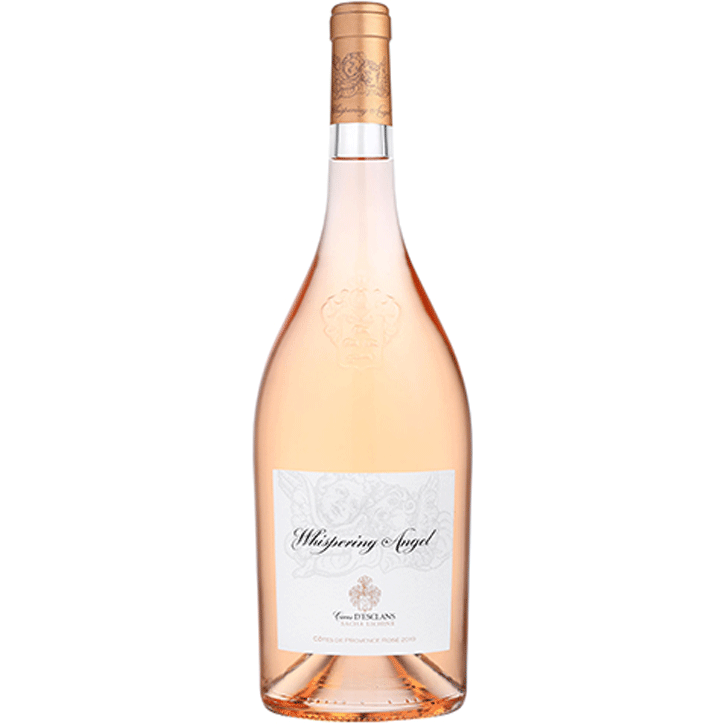
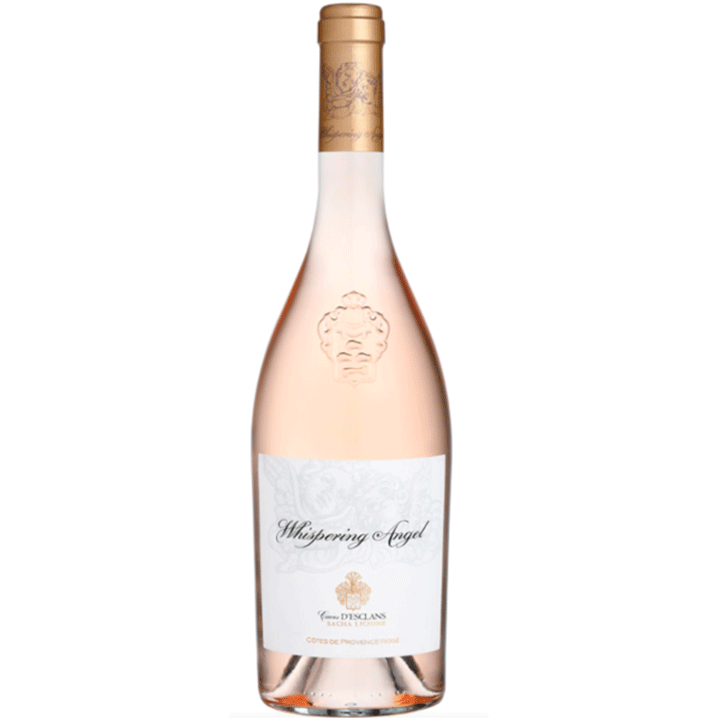
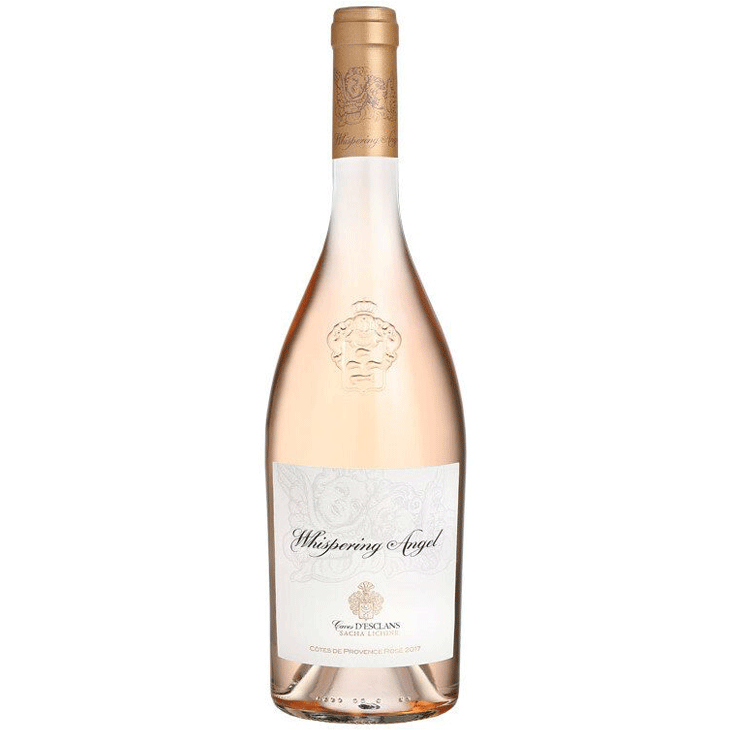
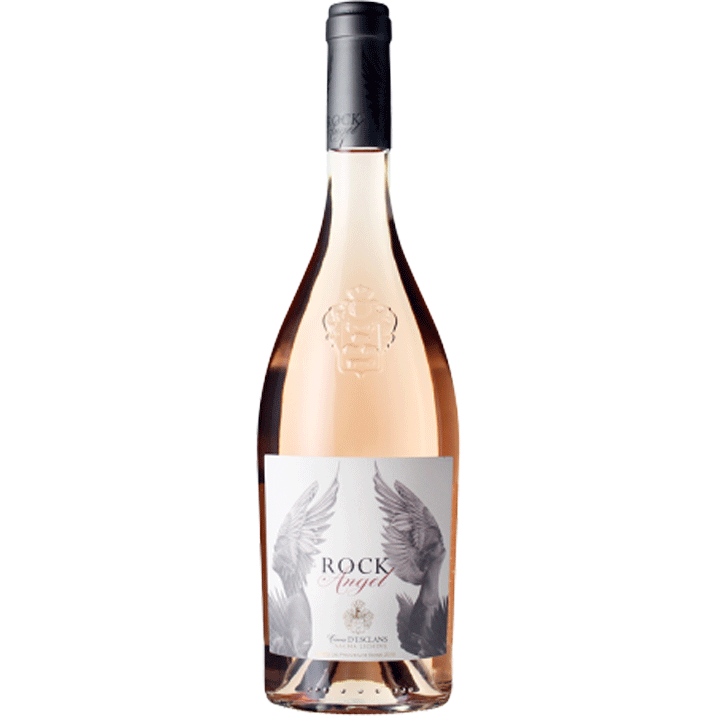
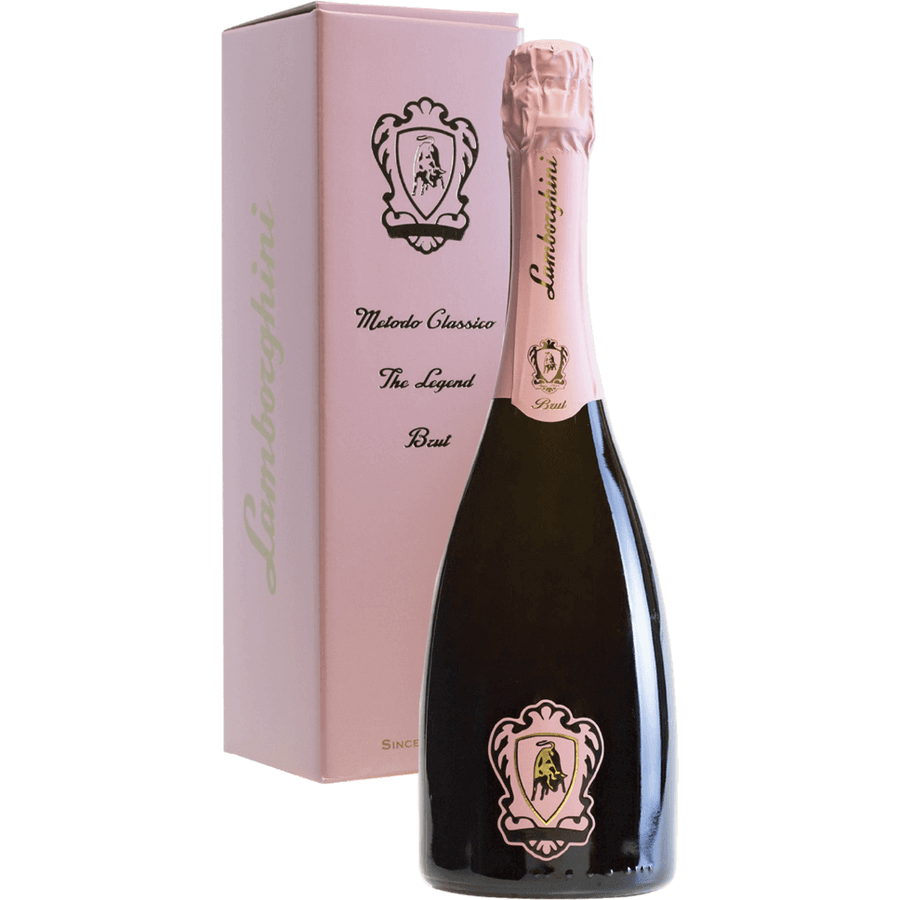
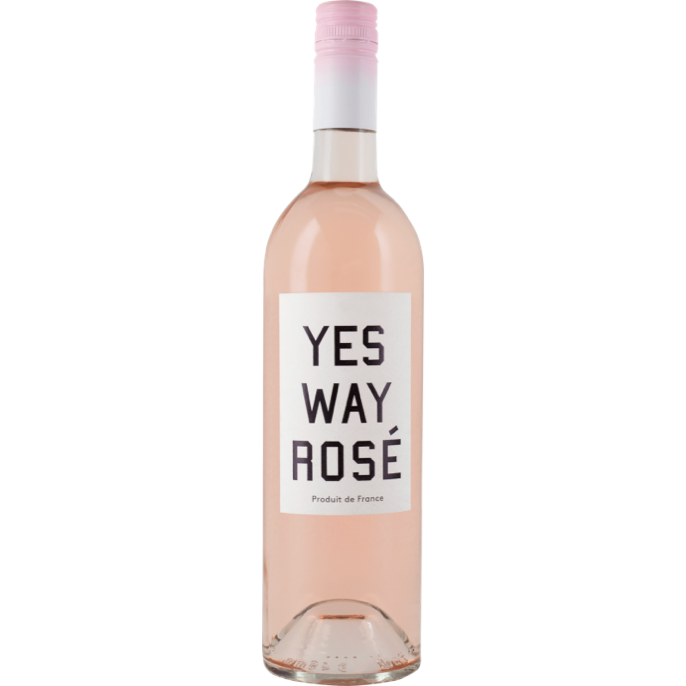
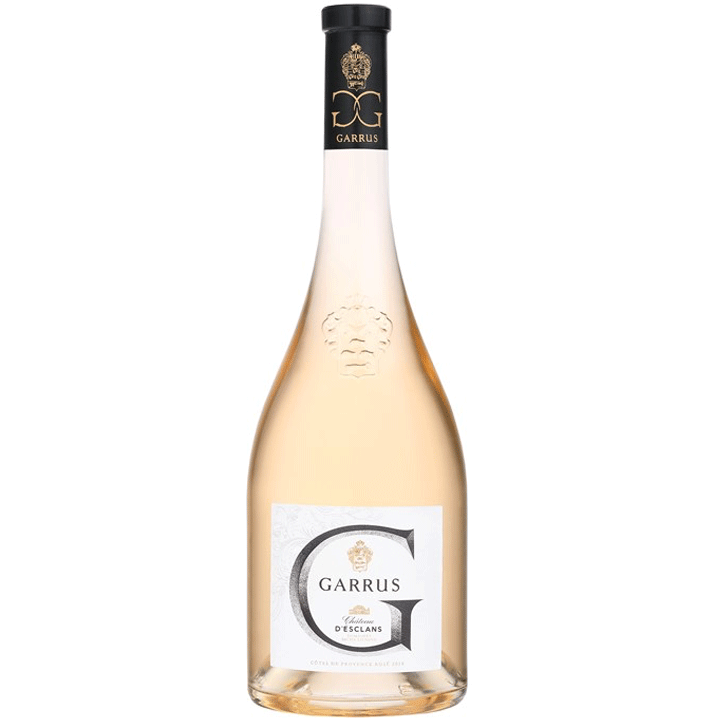
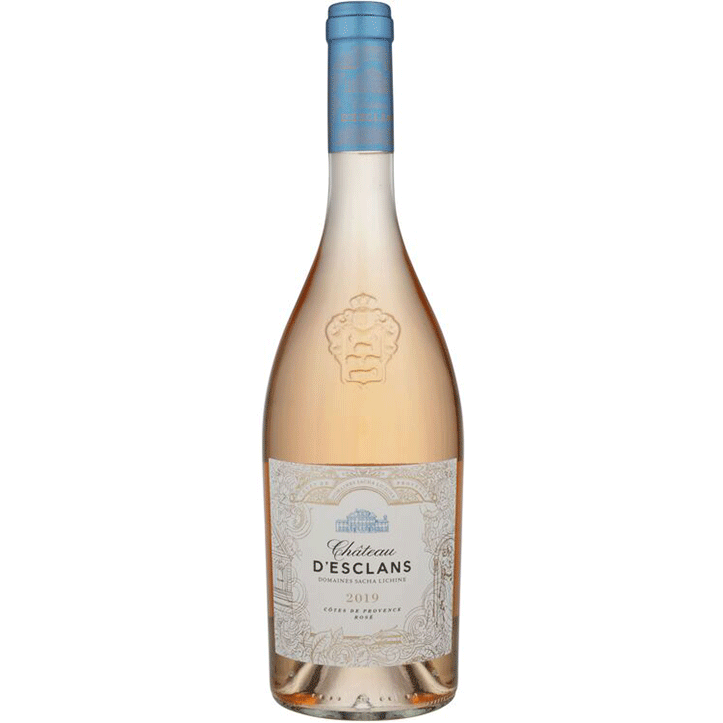
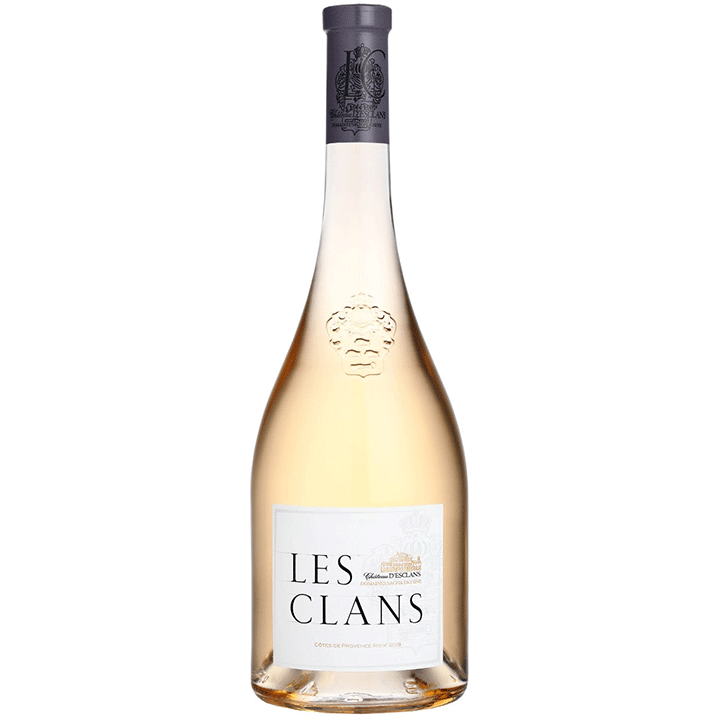
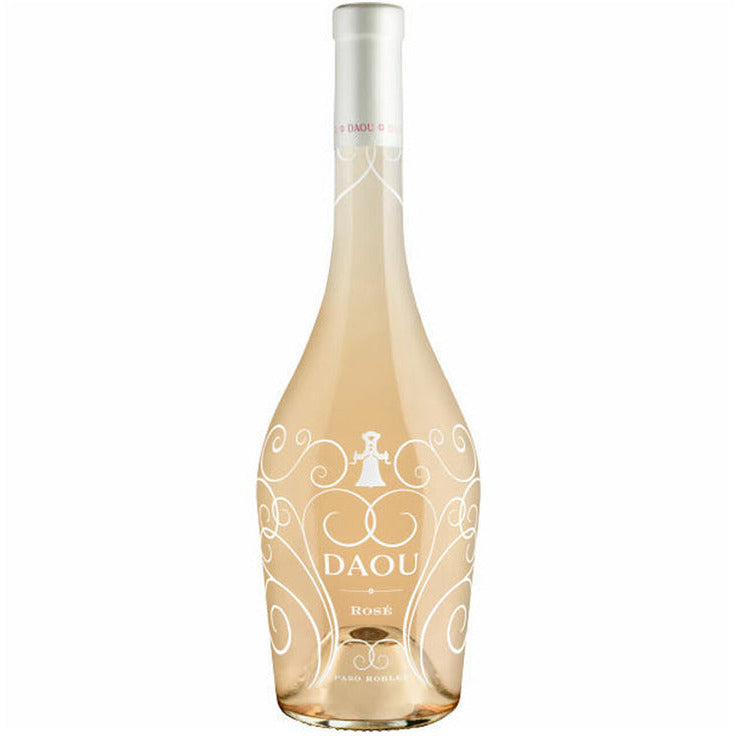
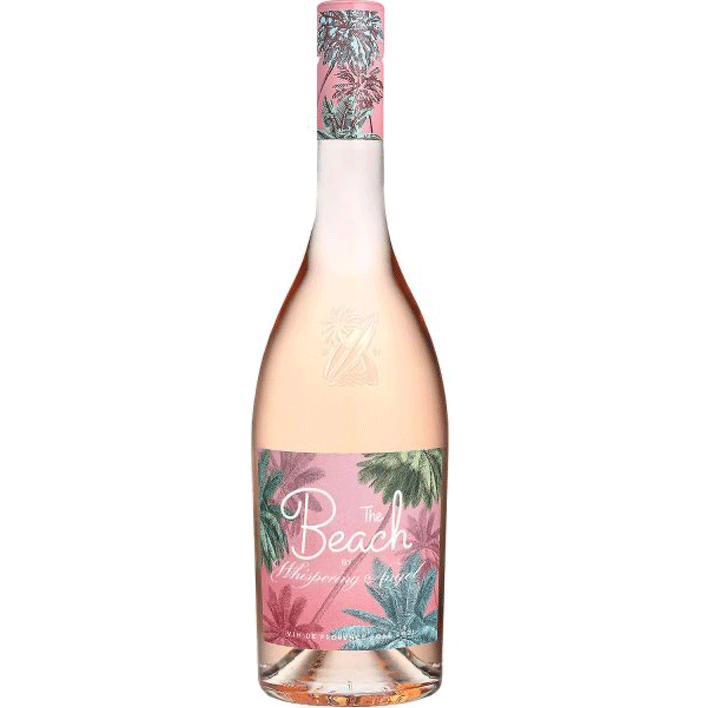
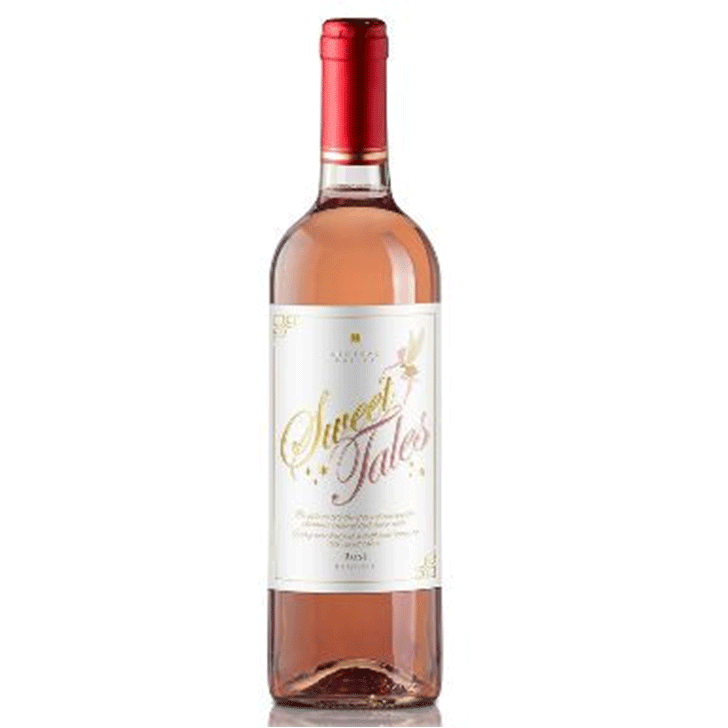
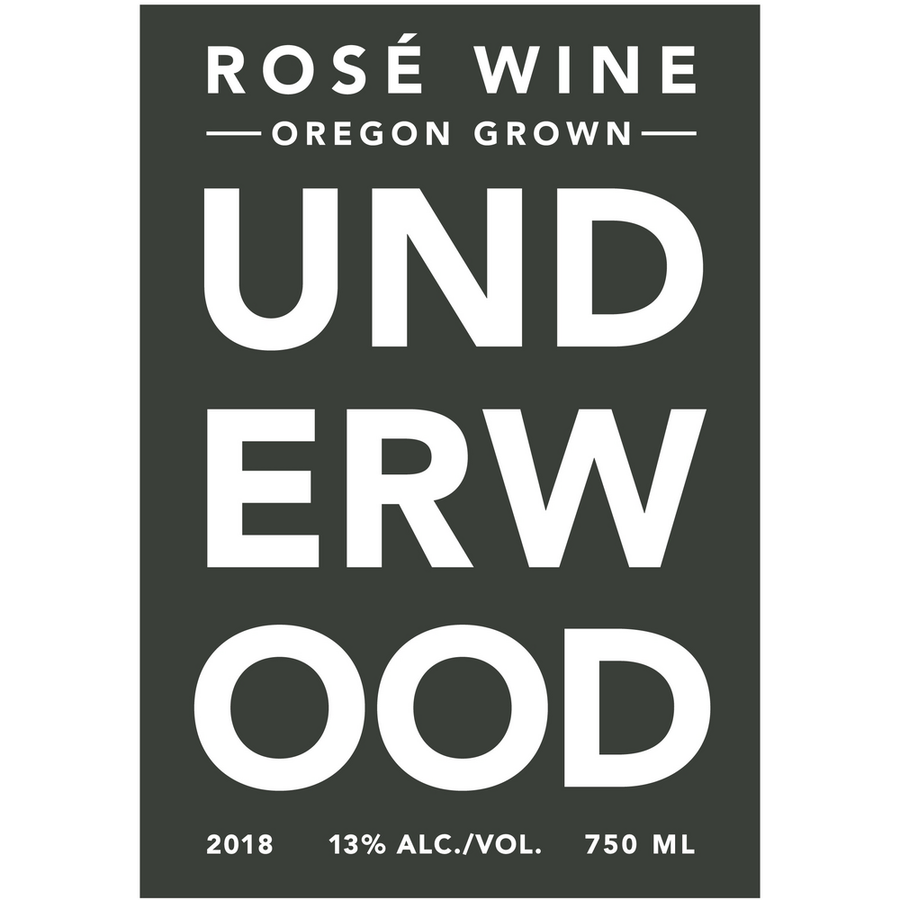
Rosé is a winemaking decision, not a grape variety — it is produced when red or dark-skinned grapes have brief contact with their skins during pressing, extracting color and some phenolics without the full tannin extraction of red wine. The color of rosé (pale salmon to deep pink) reflects the duration of skin contact and the grape variety used, not the sweetness level. Wooden Cork carries rosé from Provence, the Loire Valley, Spain, California, and beyond — still and sparkling.
Browse all wine and Champagne and sparkling wine at Wooden Cork.
The association between rosé and sweetness comes primarily from the commercial success of White Zinfandel in the 1980s — a pale pink, noticeably sweet California wine that introduced an entire generation of American consumers to pink wine through a sweet rather than dry profile. Provençal rosé — from the appellations of Provence in southeastern France, particularly Côtes de Provence, Bandol, and Coteaux d’Aix-en-Provence — has a centuries-long tradition as a dry, mineral, and gastronomic wine. The grapes used (Grenache, Cinsault, Mourvèdre, Tibouren) contribute natural sweetness in the fruit character — strawberry, peach, citrus — without any residual sugar in the finished wine. This produces the paradox of a wine that tastes and smells fruity but finishes dry, which is the defining characteristic of great Provençal rosé and what distinguishes it from both White Zinfandel and from cheap commercial rosé produced for the sweet market. The pale salmon color typical of Provence is also produced by minimal skin contact — the grapes are pressed immediately, not macerated — which contributes to the light, delicate style.
Rosé color is determined by two variables: the grape variety used and the duration of skin contact during pressing. Darker-skinned varieties like Syrah or Mourvèdre will produce more color in less time than lighter-skinned varieties like Grenache or Pinot Noir. A winemaker pressing Syrah for 2 hours might produce the same pale salmon color that Grenache would produce after 8 hours. Longer skin contact extracts more color, more tannin, and more phenolic compounds — producing a deeper pink to light red wine that is structurally more similar to a light red wine than a pale Provençal rosé. Critically, color has no relationship to sweetness in rosé — a deep raspberry-colored rosé from Tavel or Bandol can be completely bone dry, while a pale salmon Californian rosé can have significant residual sugar. The color tells you about skin contact time and grape variety; the label’s indication of style (dry, off-dry, demi-sec) or the producing region’s tradition tells you about sweetness.