Irish Whiskey
178 products


178 products
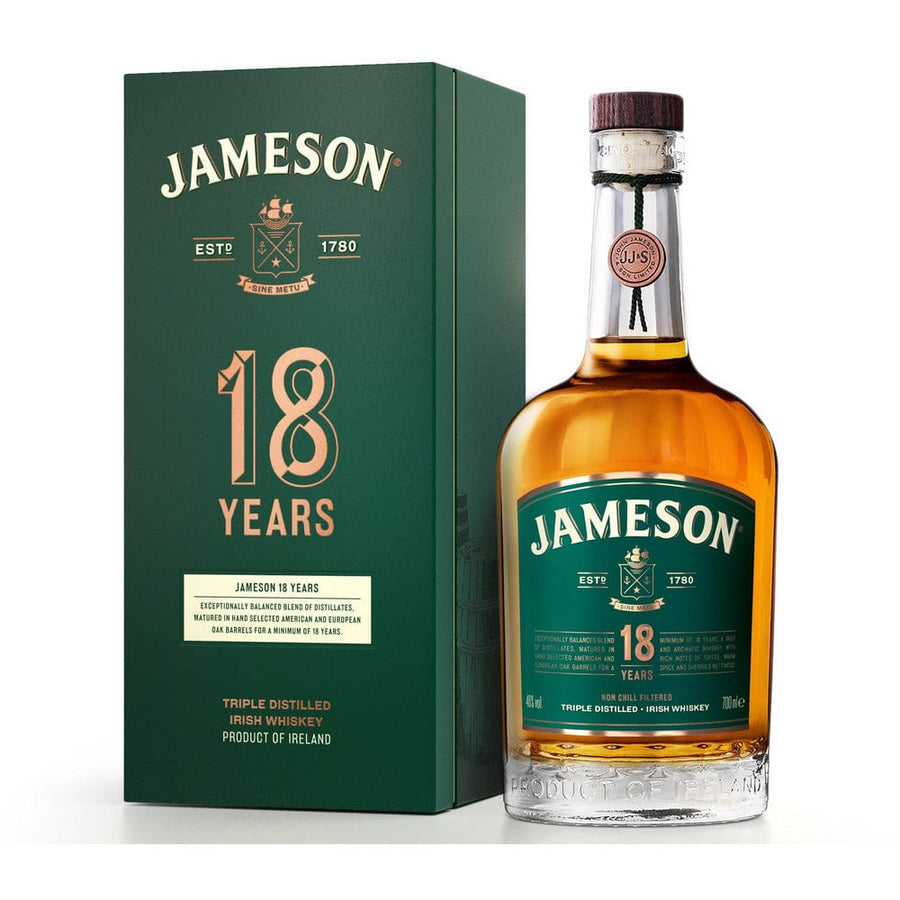
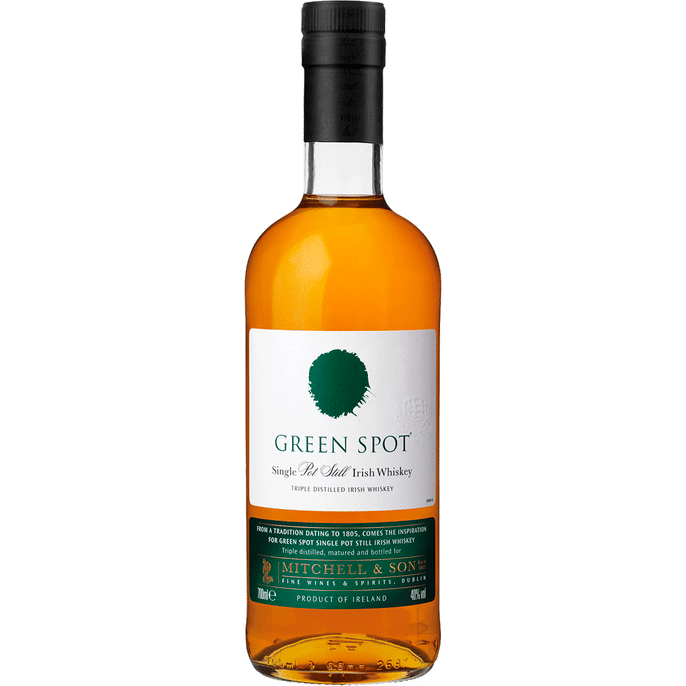
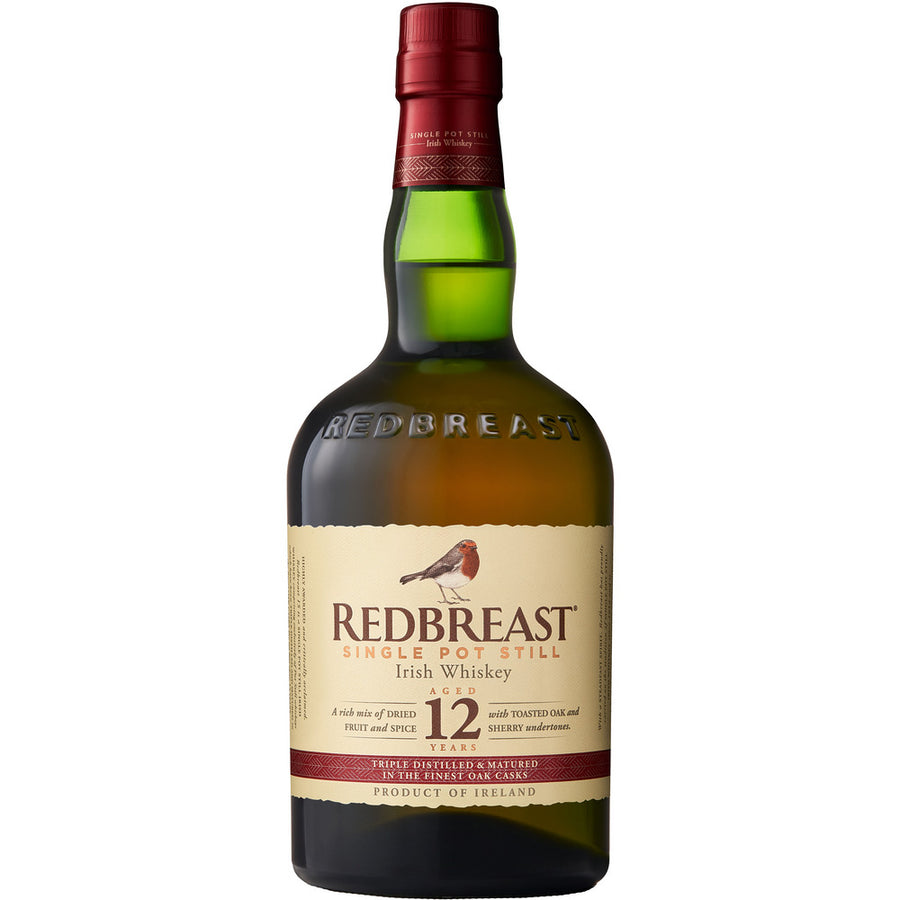
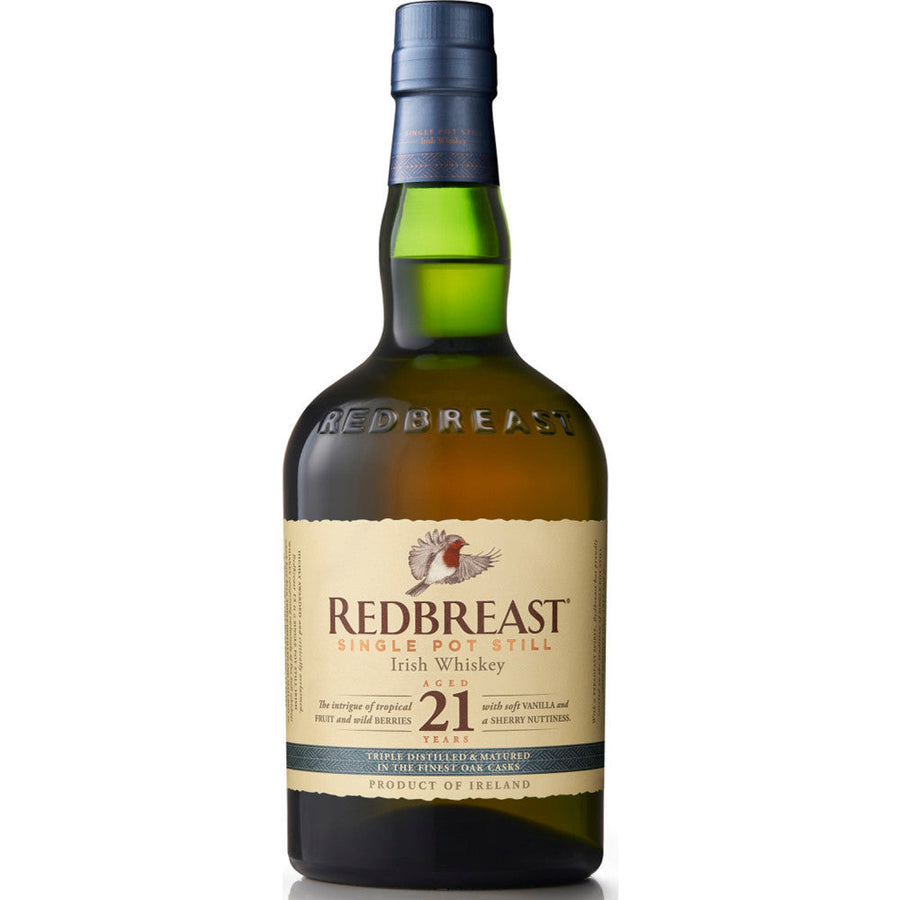
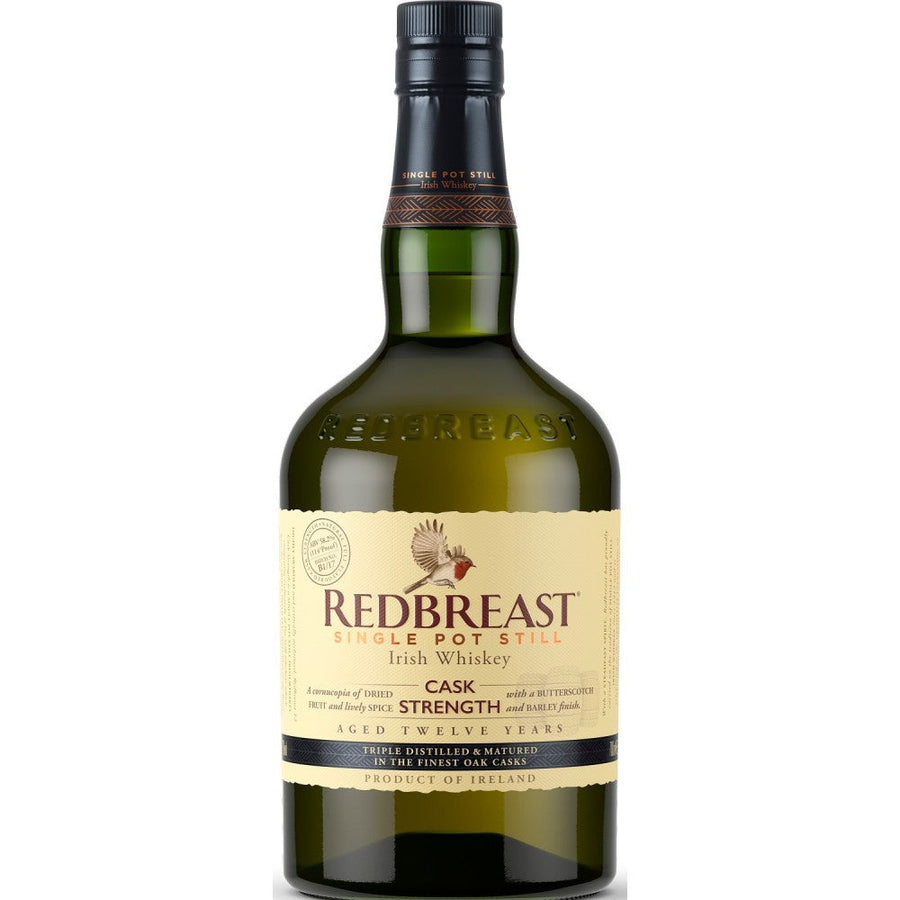
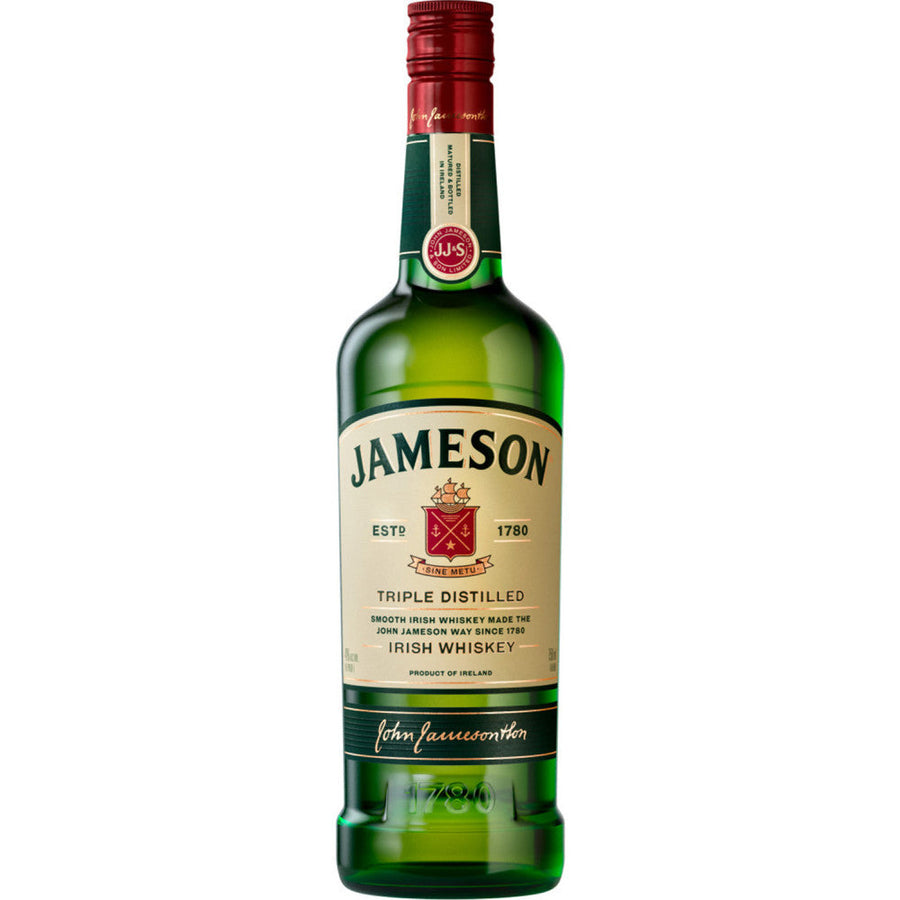
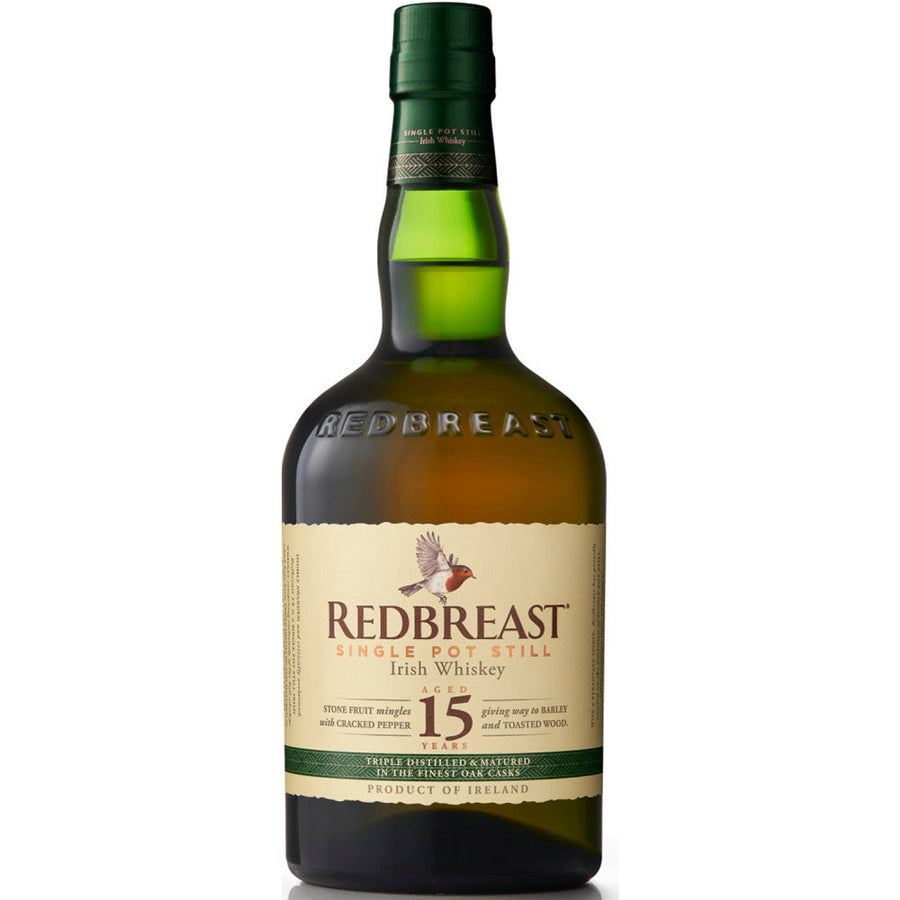
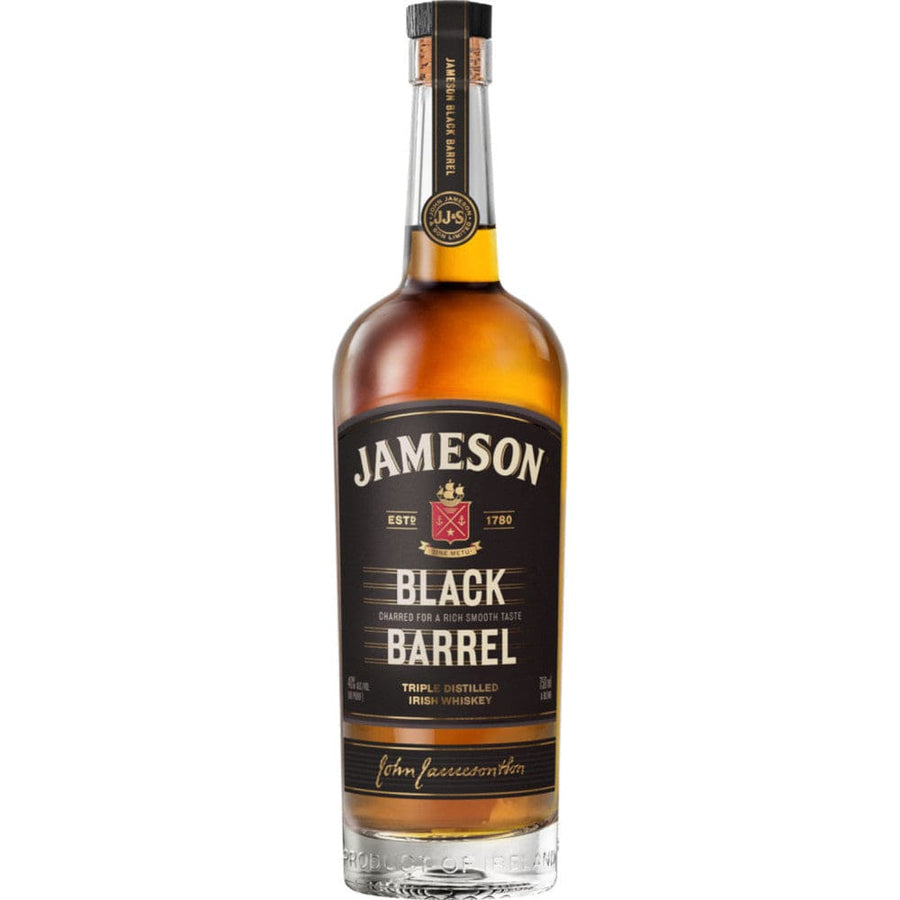
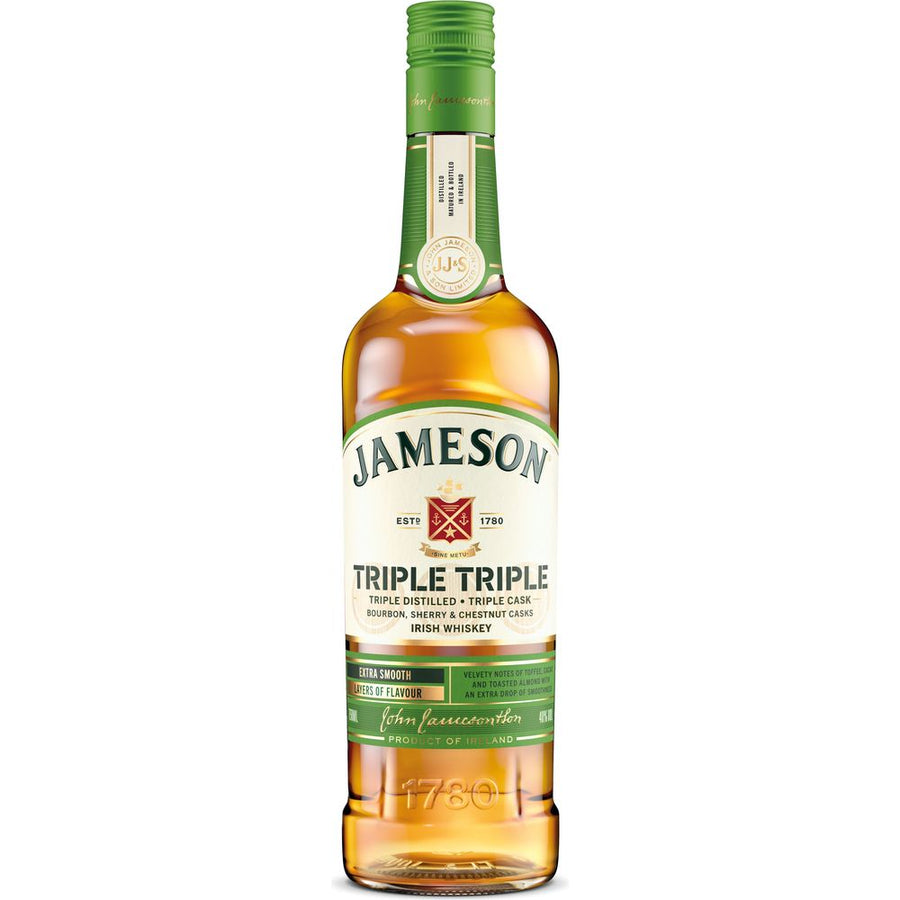
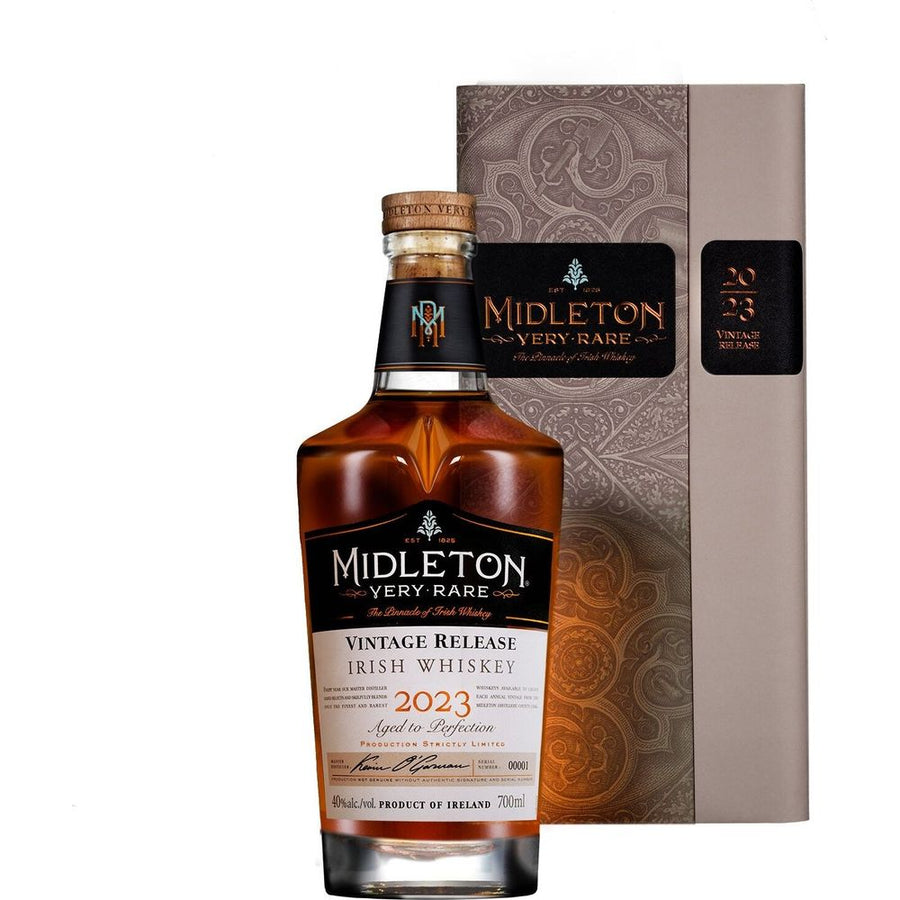
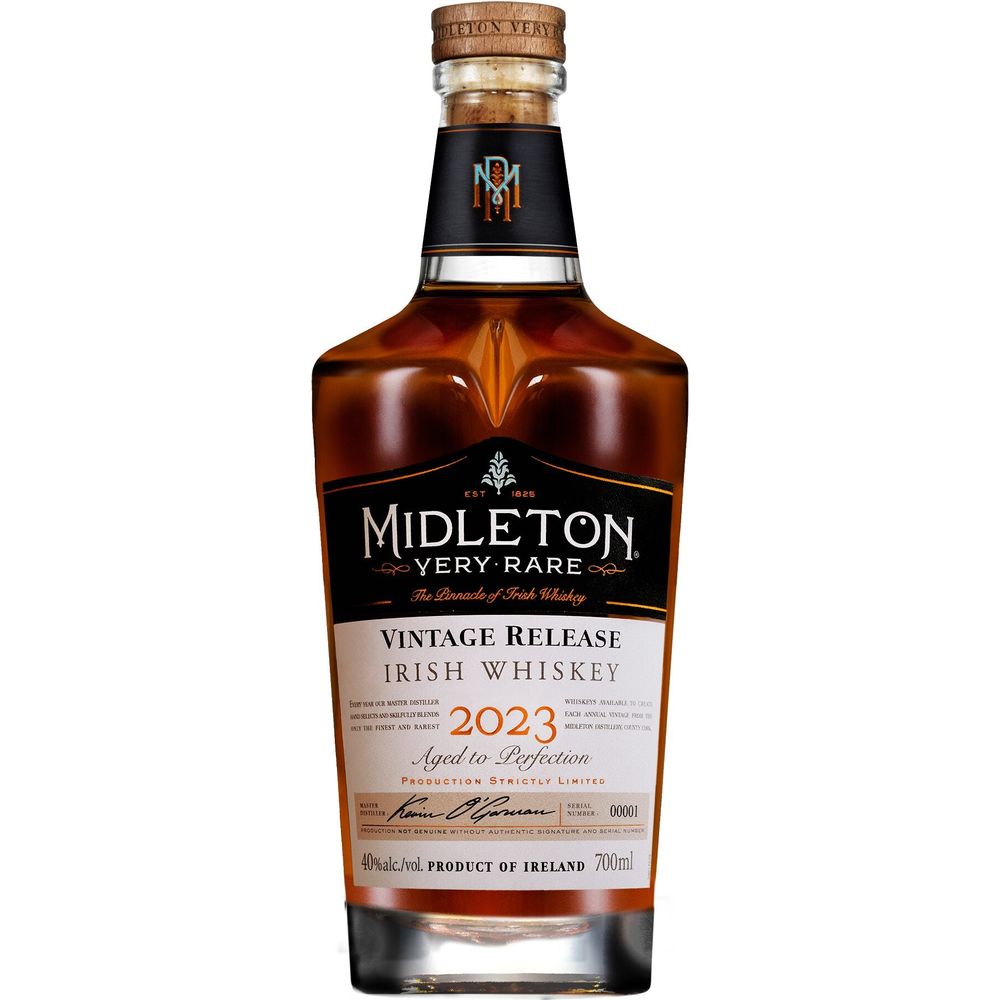
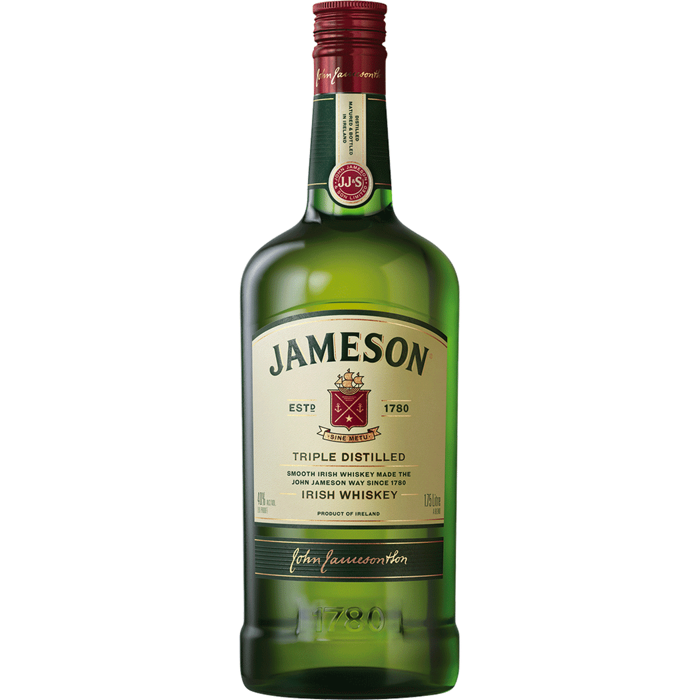
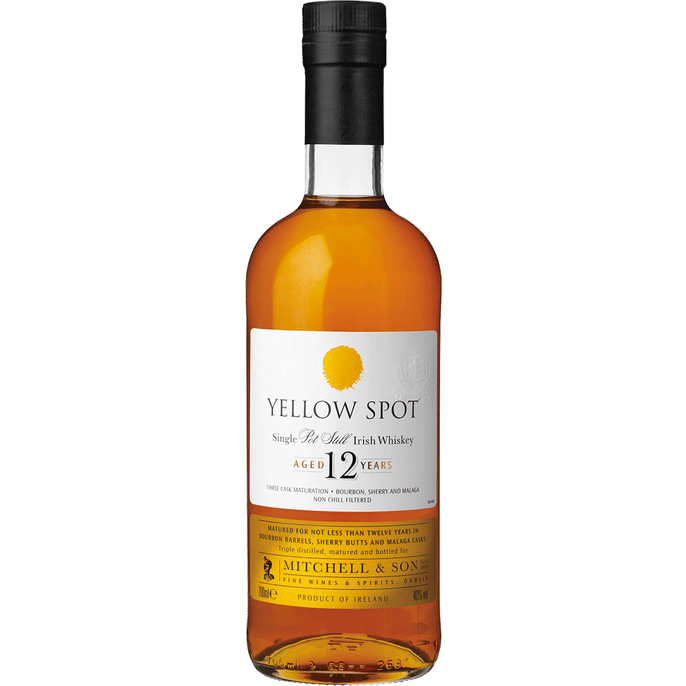
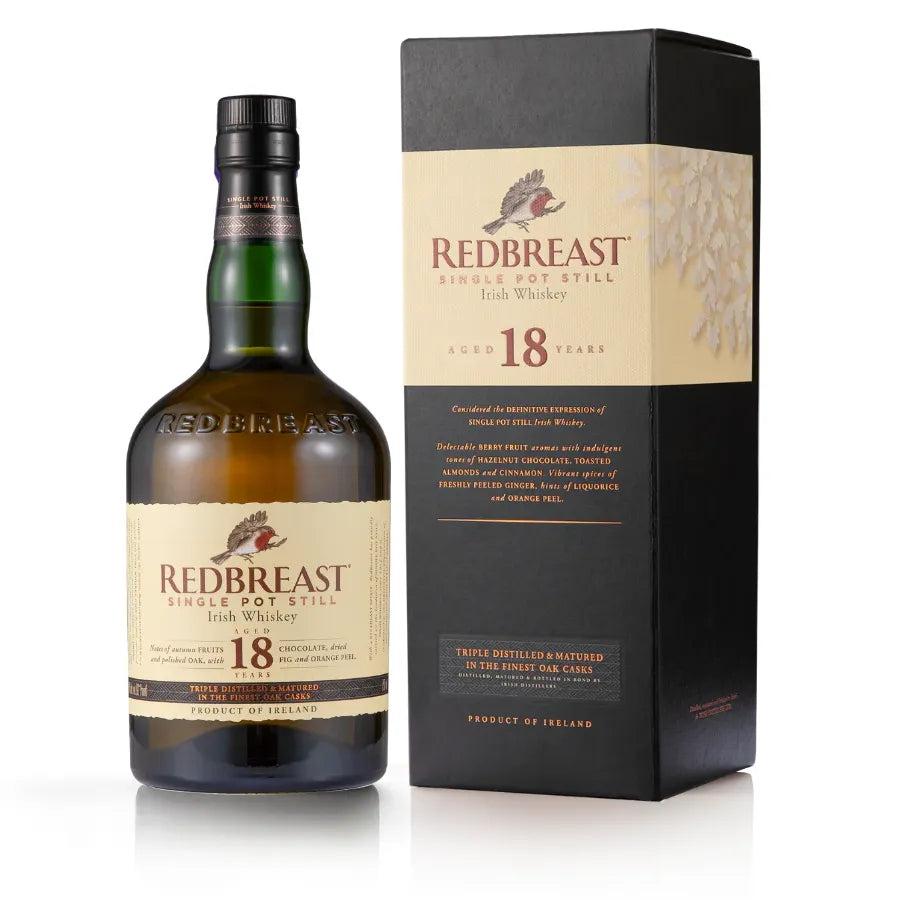
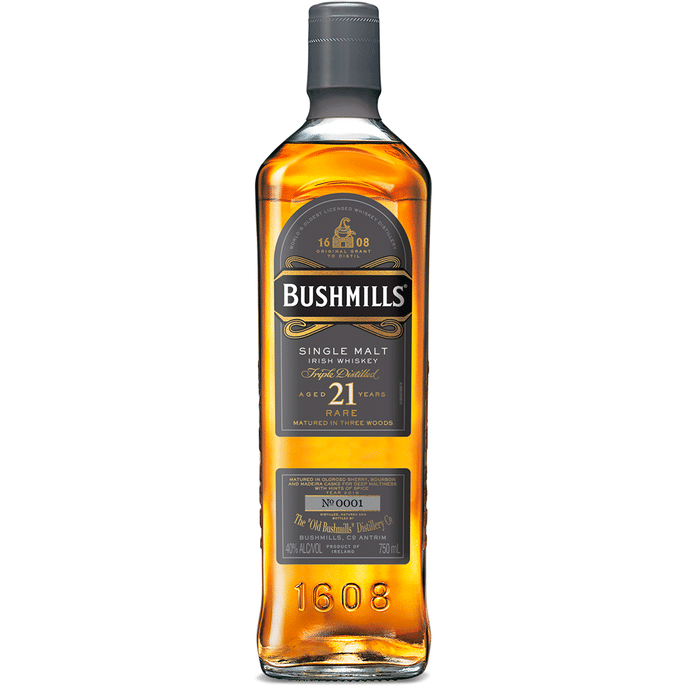
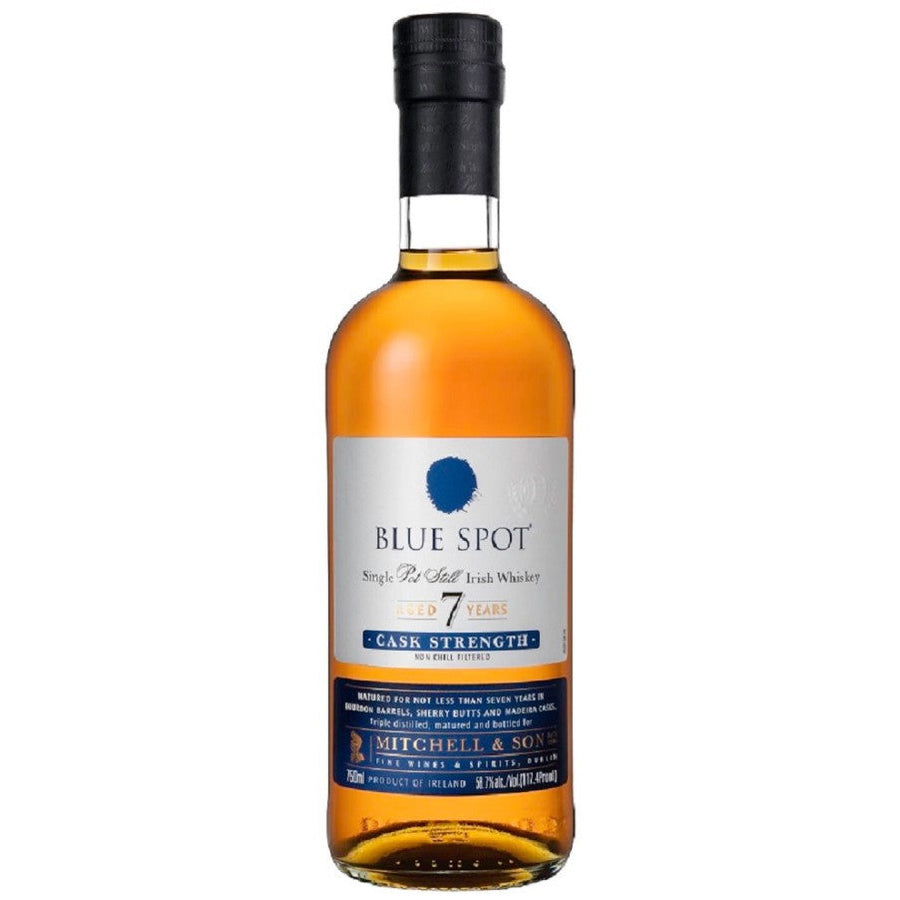
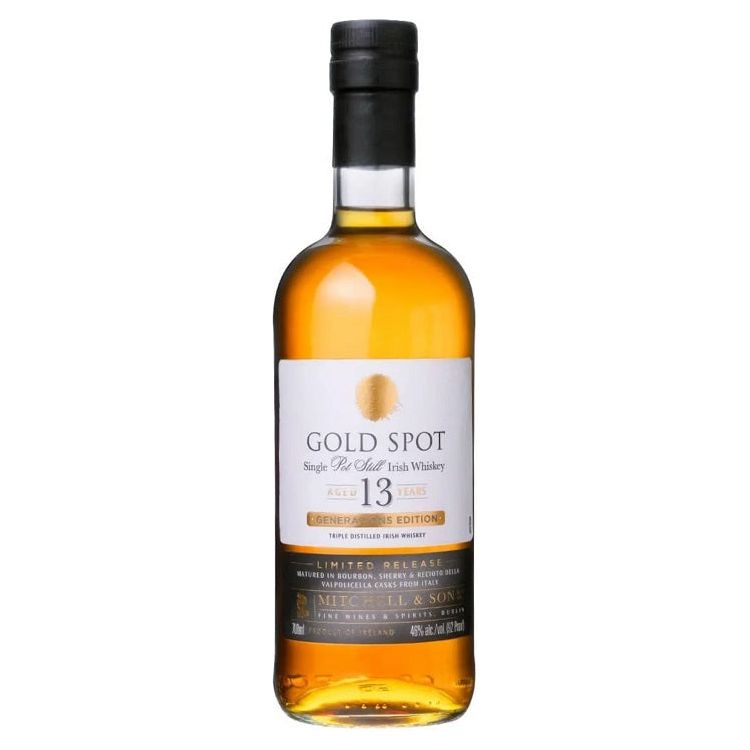
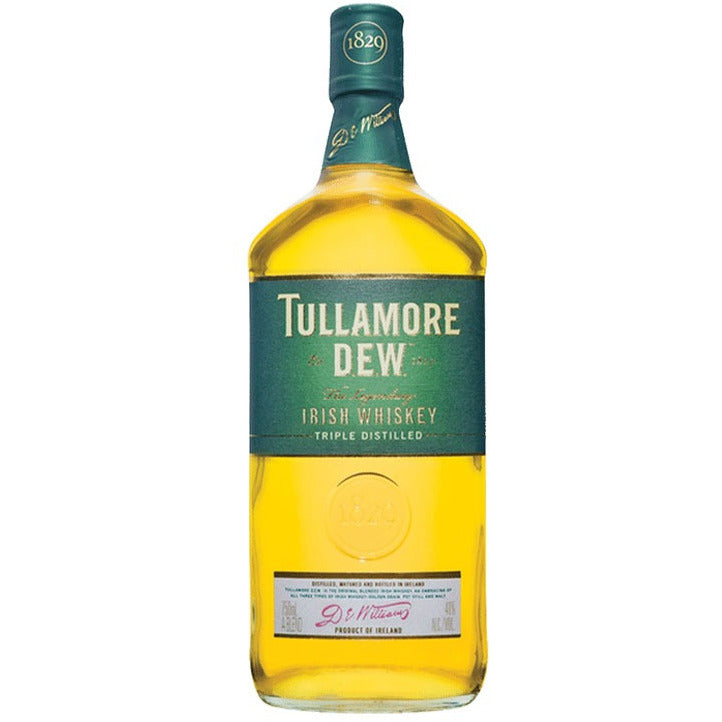
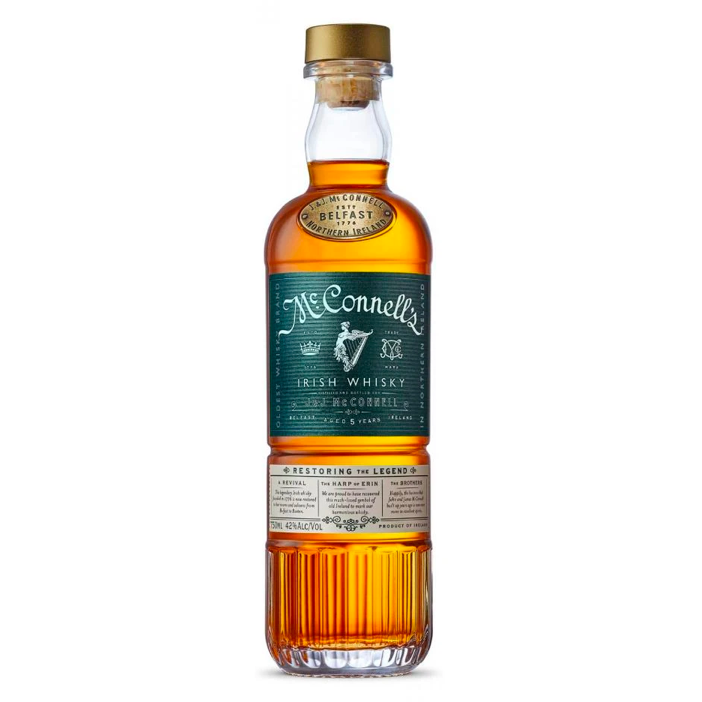
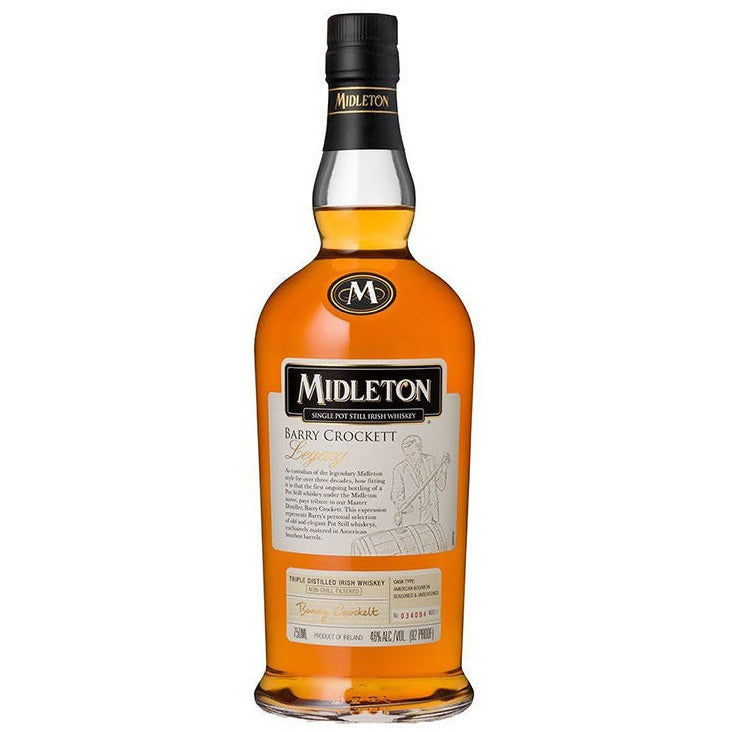
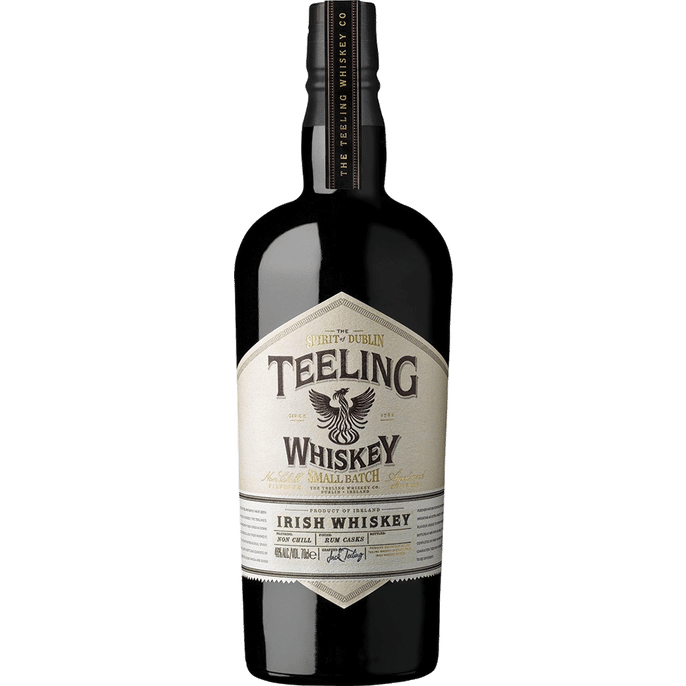
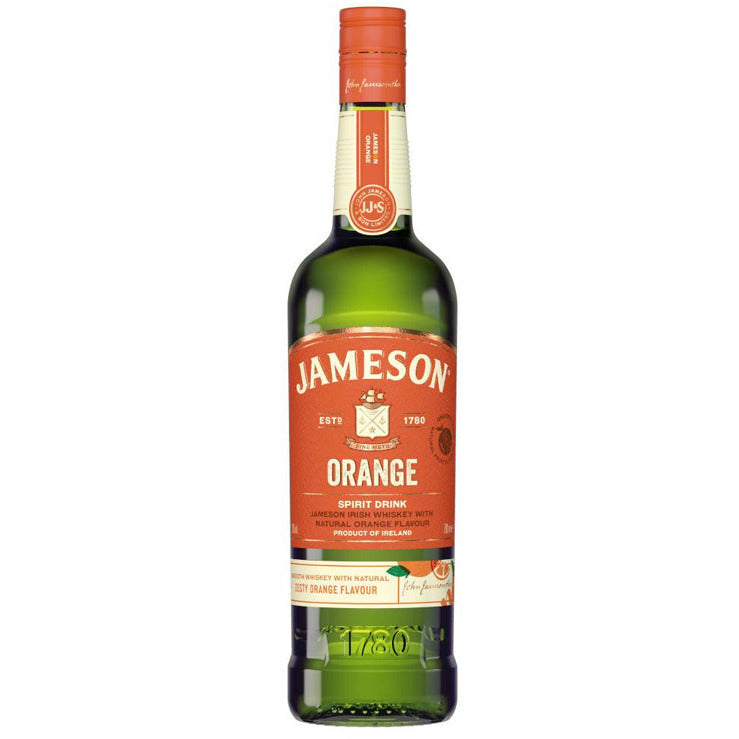
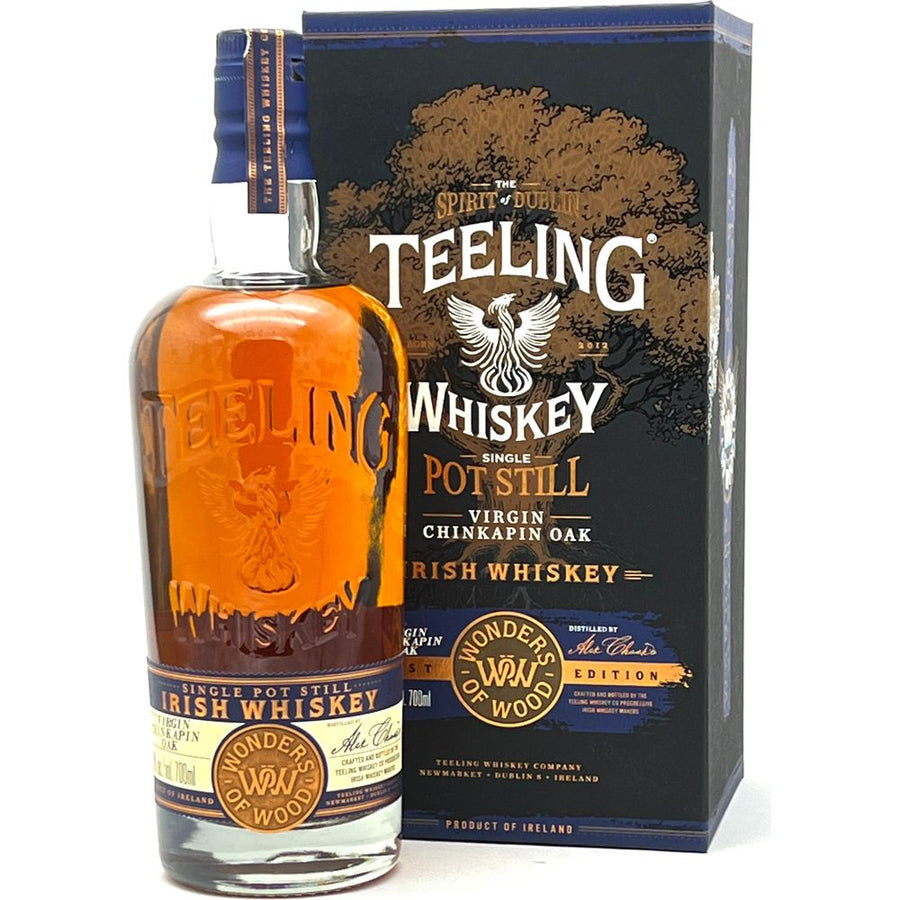
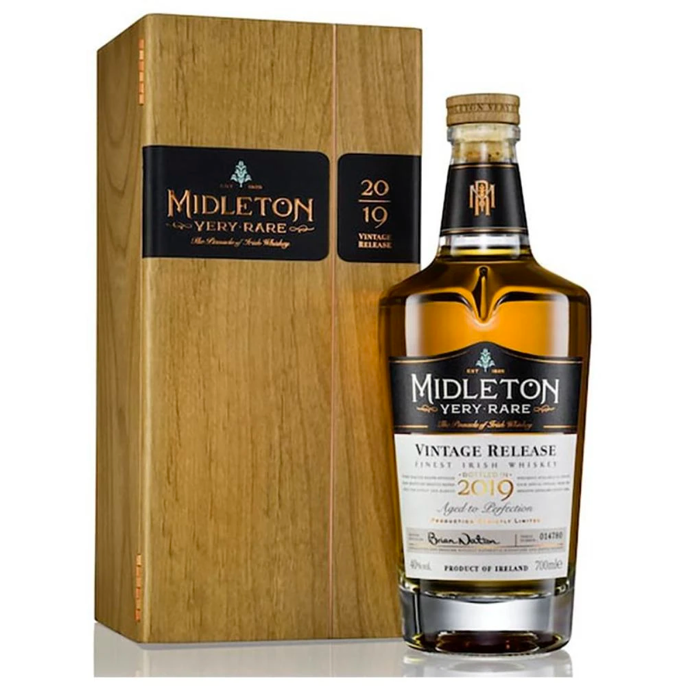
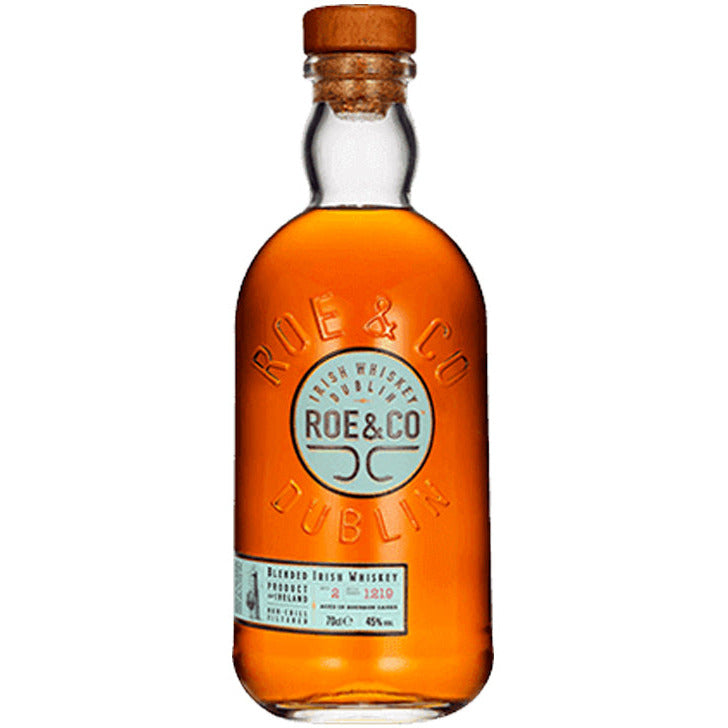
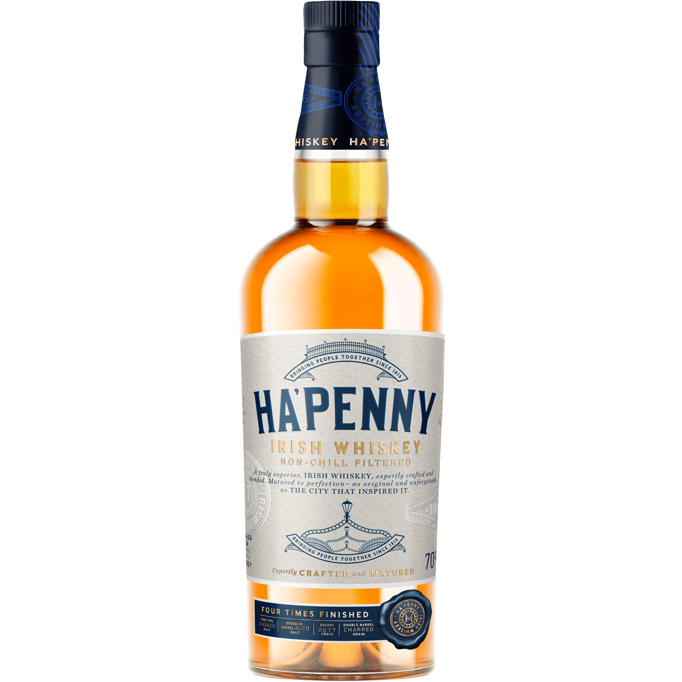
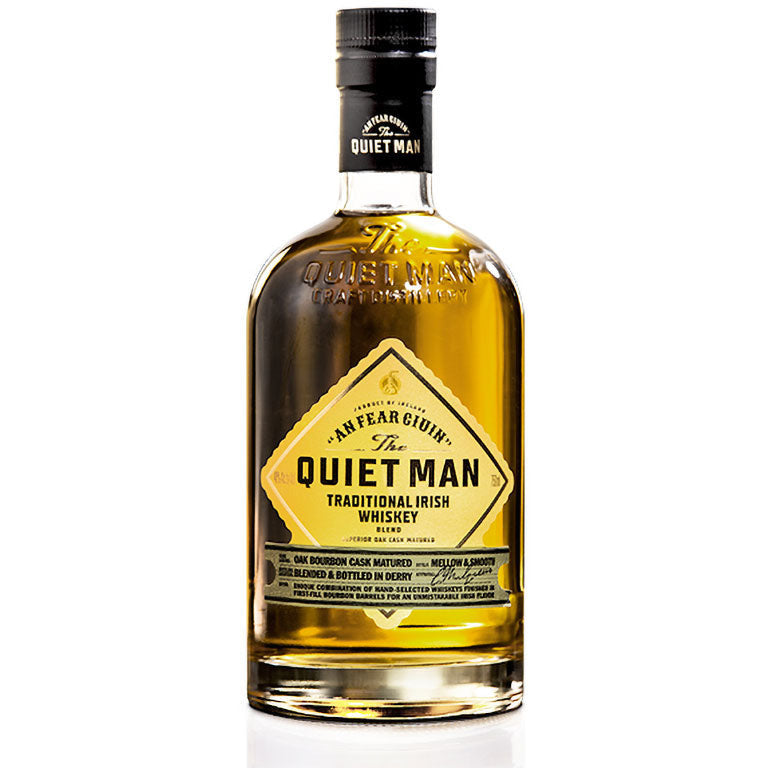
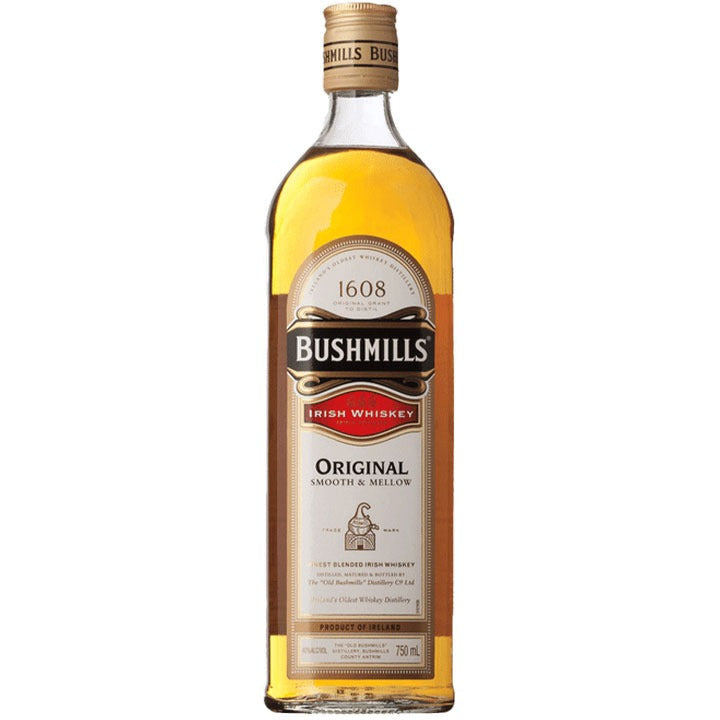
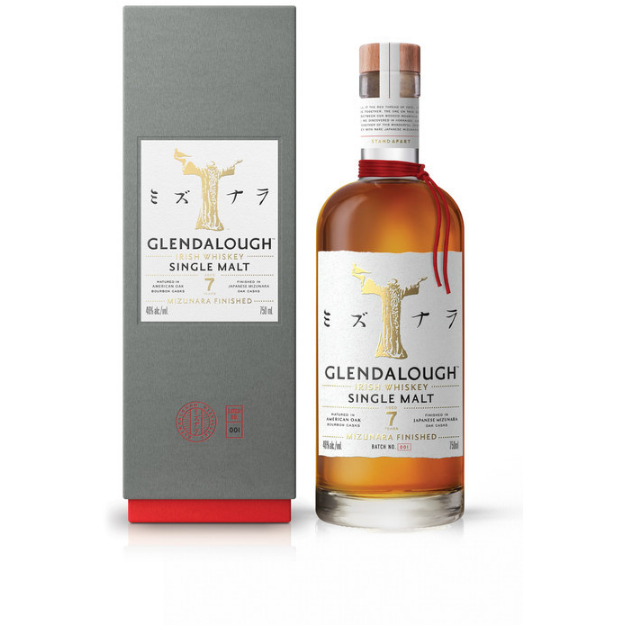
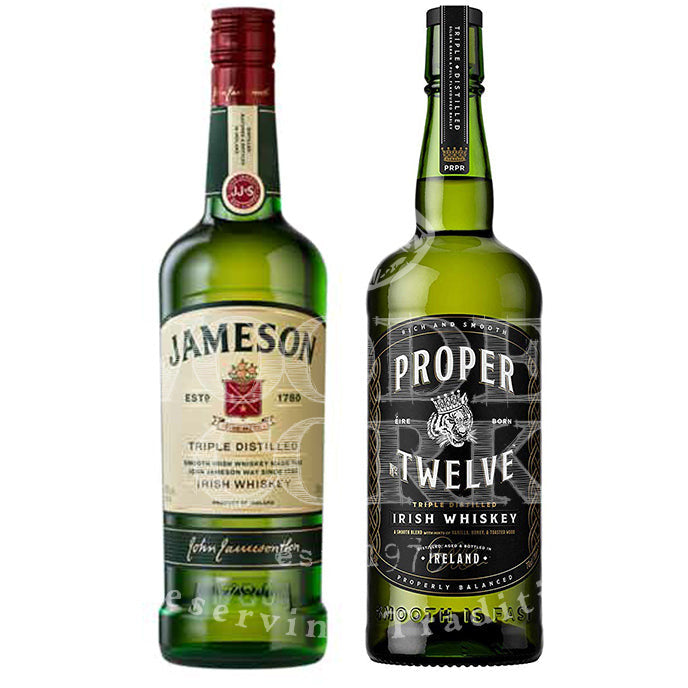
Irish whiskey is the fastest-growing whiskey category in the world — triple-distilled, smooth-bodied, and built on a production tradition that predates Scotch by centuries. Wooden Cork ships the full range nationwide: Jameson, Bushmills, Redbreast, Green Spot, Tullamore D.E.W., Powers, Teeling, Knappogue Castle, and rare Midleton vintage releases.
The category spans four distinct styles. Blended Irish whiskey (Jameson, Bushmills Original, Tullamore D.E.W.) combines grain whiskey and malt whiskey for an approachable, lighter-bodied profile. Single pot still is uniquely Irish — distilled from a mix of malted and unmalted barley in a copper pot still, producing the spicy, creamy, richly textured character found in Redbreast and the Spot Whiskeys. Single malt (Teeling Single Malt, Knappogue Castle) is distilled from 100% malted barley. Single grain (Teeling Single Grain) is produced in a column still from a mixed grain bill.
Browse all whiskey and Scotch whisky at Wooden Cork.
Single pot still is the most distinctively Irish whiskey style — and the one most misunderstood by consumers who assume Irish whiskey is simply a lighter version of Scotch. The defining characteristic is the mashbill: a combination of malted barley and a significant proportion of unmalted (raw) barley, distilled together in a copper pot still. Unmalted barley was historically used in Ireland to avoid a British malt tax; it contributes a specific spicy, oily, creamy texture that malted barley alone cannot produce. The style was the dominant Irish whiskey category before Prohibition devastated Irish whiskey exports to the US, and it has been revived as the premium tier of Irish whiskey production. Redbreast 12 Year, Green Spot, Yellow Spot, and Powers John’s Lane Release are the benchmark single pot still expressions — richer, more complex, and more distinctive than standard blended Irish whiskey.
The most significant production differences are distillation runs and peat use. Irish whiskey is typically triple-distilled — three passes through the still compared to Scotch’s standard double distillation — which produces a lighter, smoother, less robust spirit at the point of distillation. Most Irish whiskey also uses unpeated malt, meaning the grain-drying process uses hot air rather than burning peat, so there is no smoky phenolic character in the base spirit (with exceptions like Connemara, which is deliberately peated). Scotch is double-distilled and ranges from unpeated to heavily peated depending on region — Islay Scotch can reach 50+ ppm phenol. Irish whiskey is also aged a minimum of 3 years in wood on the island of Ireland, while Scotch must be aged a minimum of 3 years in Scotland. The two categories share the minimum aging requirement but produce fundamentally different flavor profiles from those baseline similarities.