Riesling
45 products


45 products
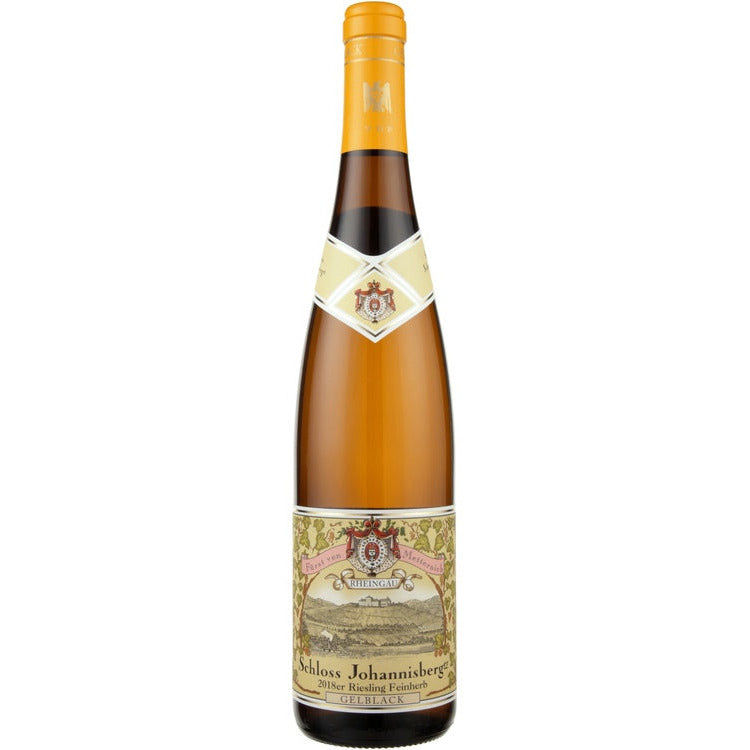
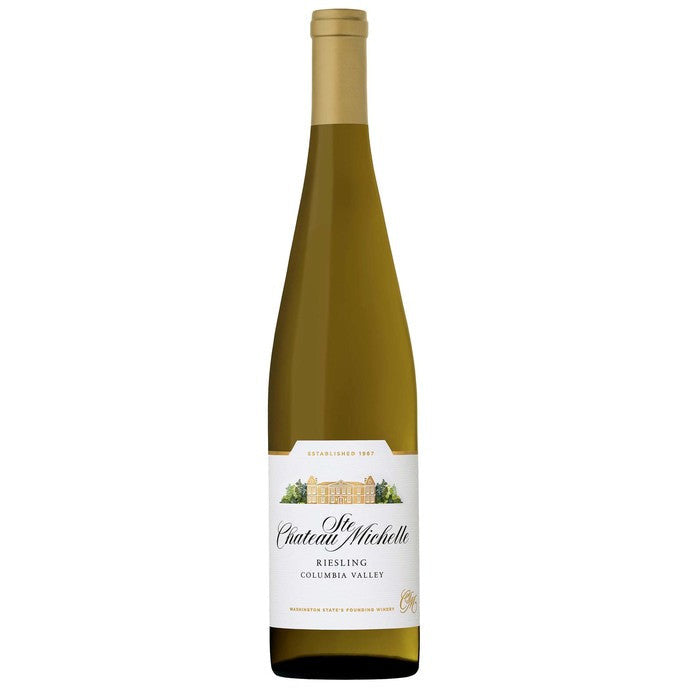
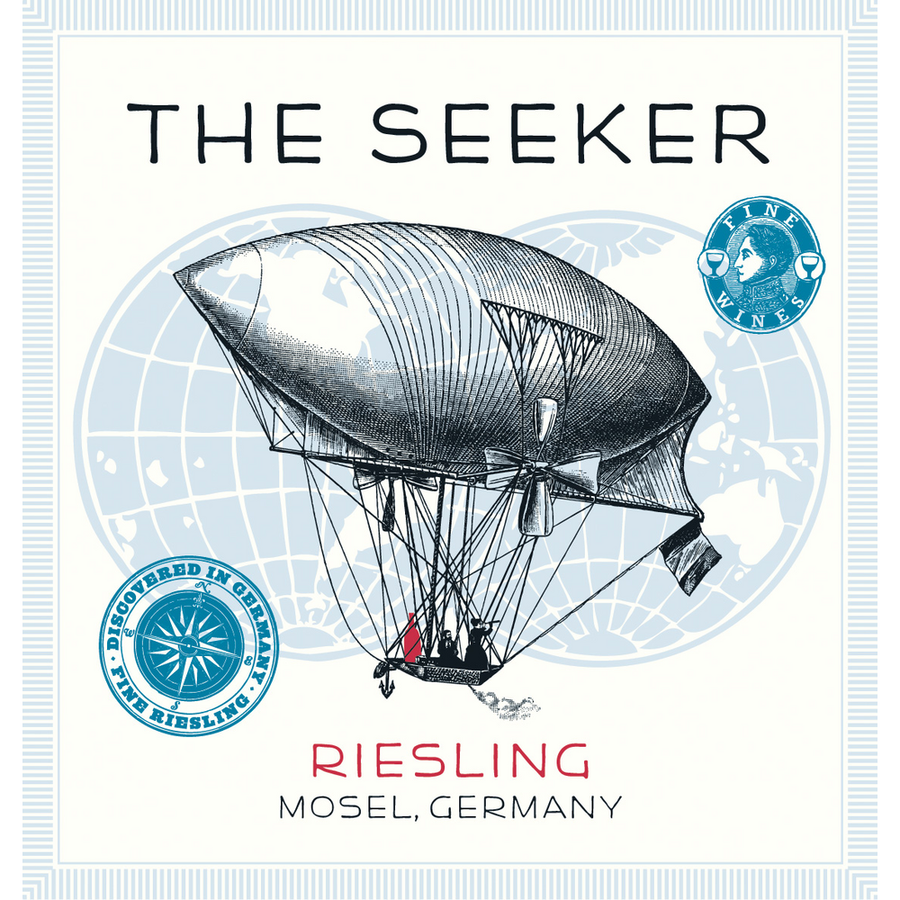
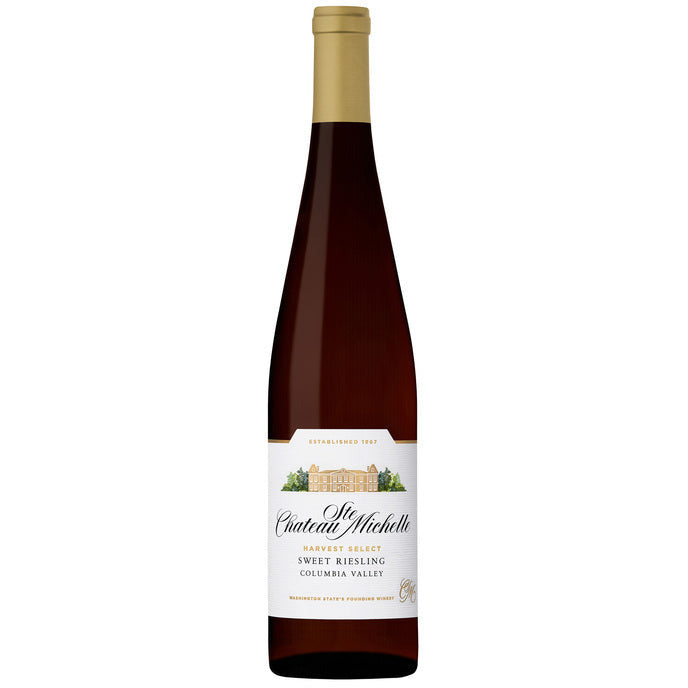
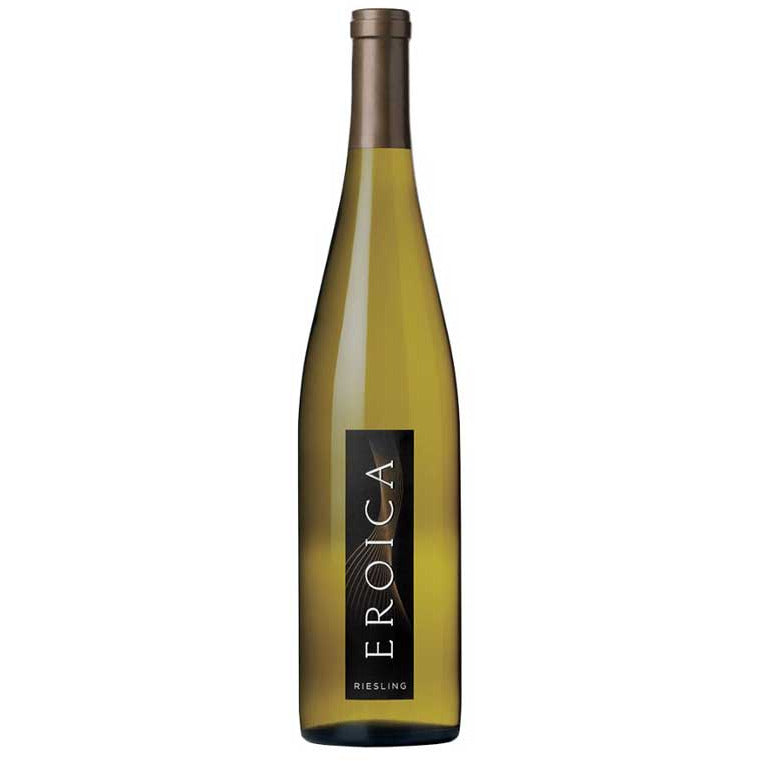
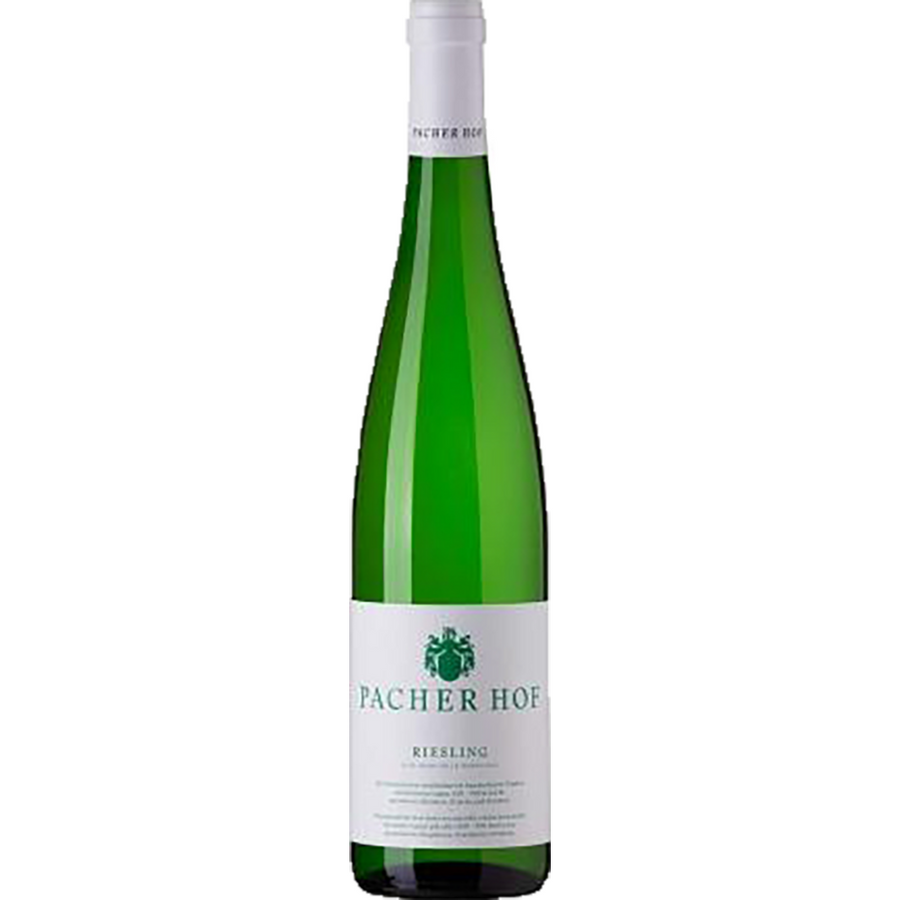
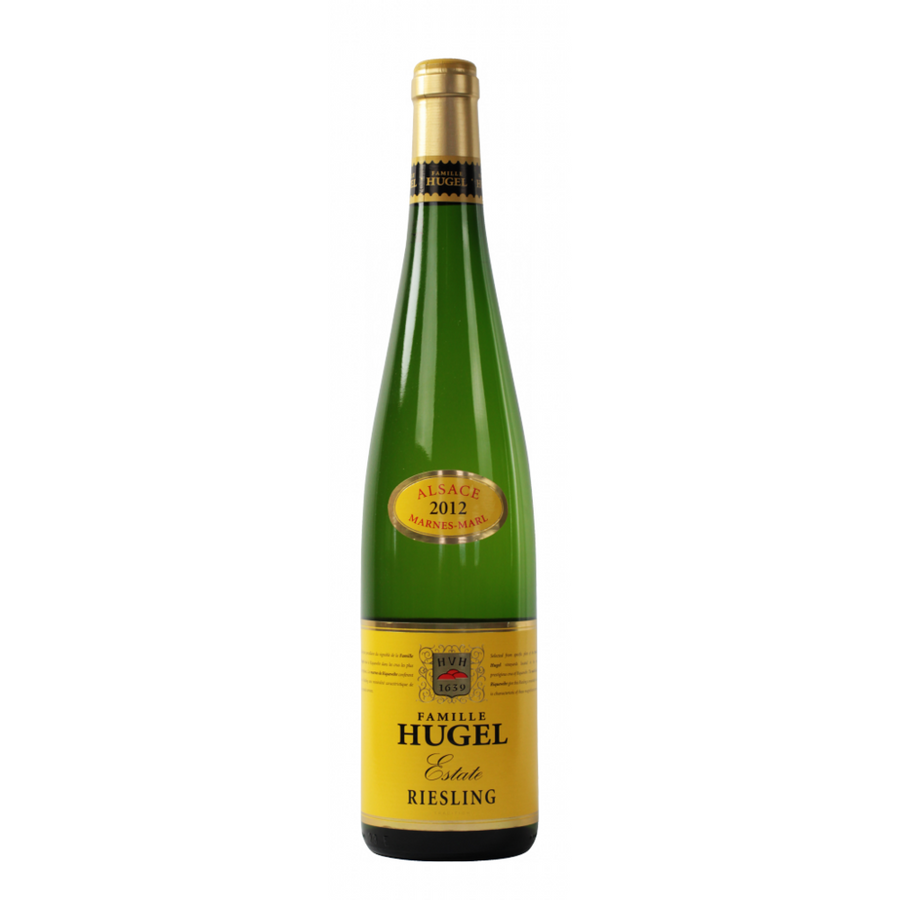
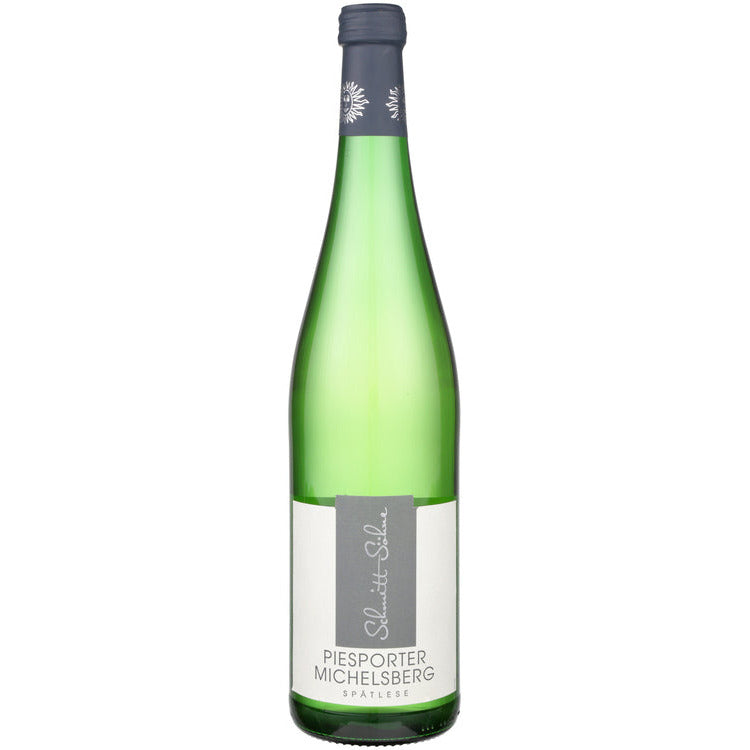
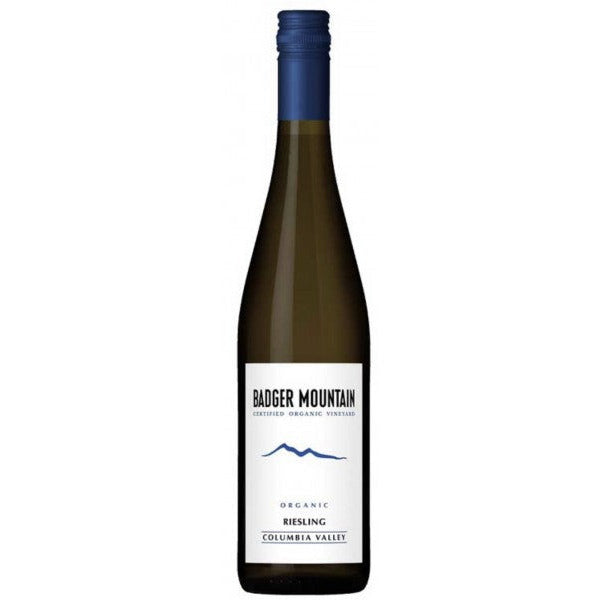
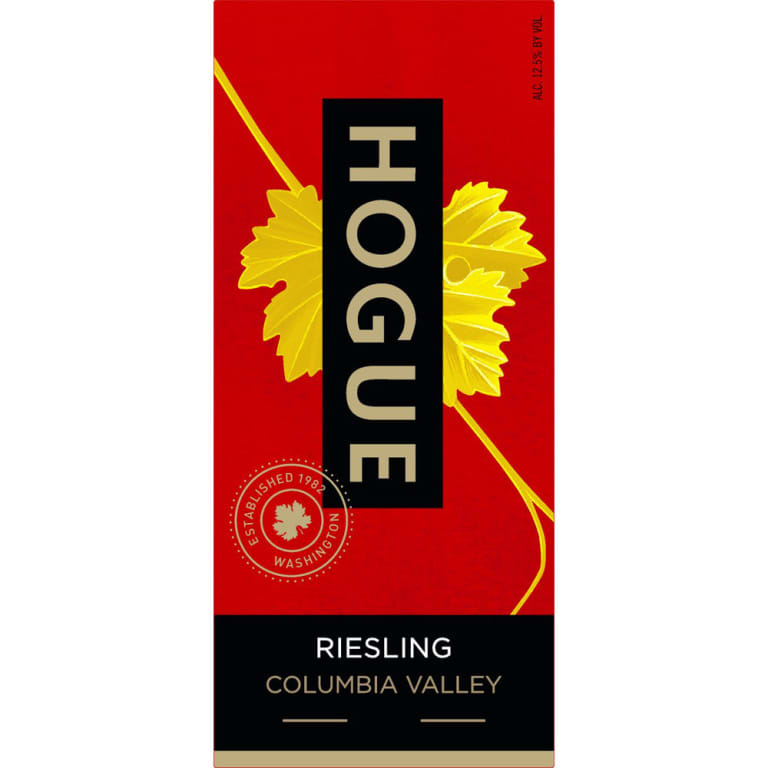
Riesling is one of the world’s most versatile white grapes — capable of producing bone-dry mineral expressions, off-dry food-friendly wines, and some of the most age-worthy dessert wines ever made. The grape’s naturally high acidity and aromatic intensity (floral, stone fruit, citrus, slate) remain present across all sweetness levels. Wooden Cork carries Riesling from Germany’s Mosel and Rheingau, France’s Alsace, Austria, and the US Pacific Northwest.
Browse all wine and under $50 at Wooden Cork.
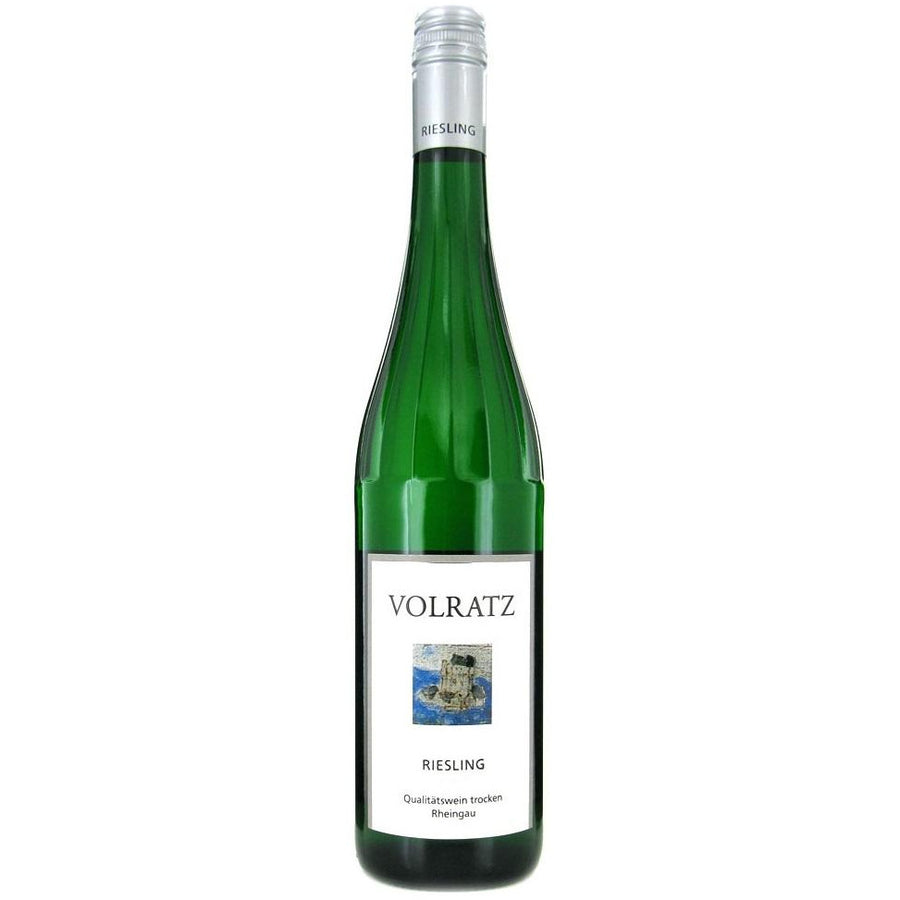
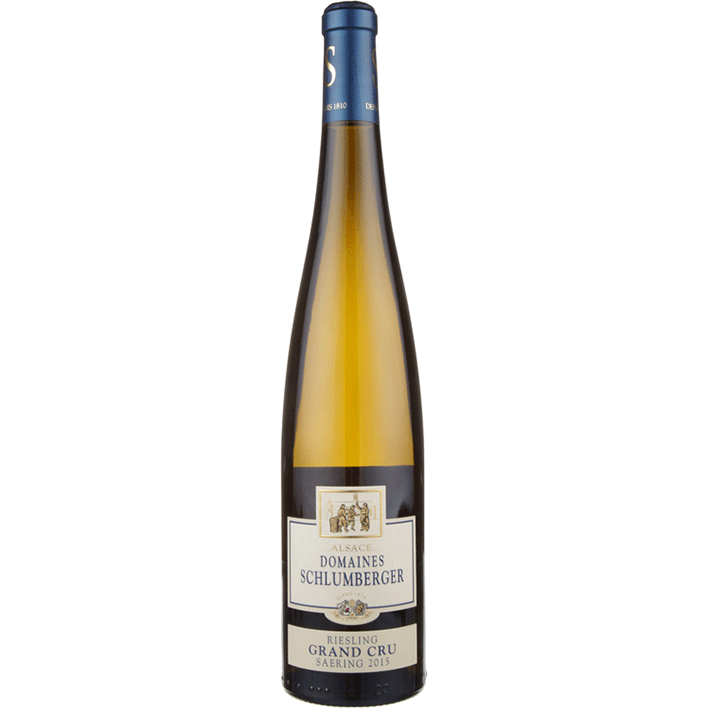
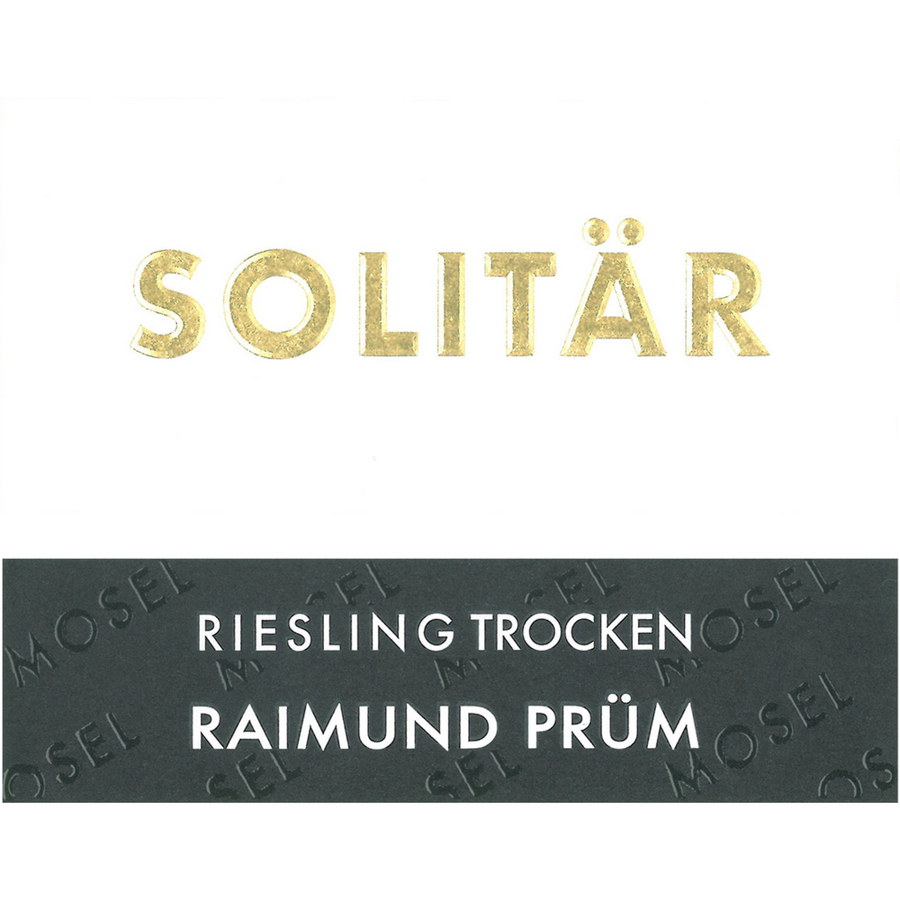
Riesling labeling is notoriously inconsistent across producing countries, but a few markers help. German Riesling uses a ripeness classification system — Kabinett and Spätlese are typically off-dry to medium-sweet; Auslese is usually sweet; Beerenauslese and Trockenbeerenauslese are dessert-level. The word “Trocken” on a German label means dry. Alsatian Riesling (France) is almost always dry and more full-bodied than Mosel Riesling. Austrian Riesling labeled Smaragd (the highest Wachau ripeness tier) is typically dry despite high alcohol from ripe grapes. American and Australian Riesling varies widely — look for the International Riesling Foundation’s sweetness scale on the back label, a numbered indicator from dry to sweet that many New World producers now include. When in doubt, the serving temperature on the label or the back-label descriptor is your best guide.
Riesling’s aging potential comes from two structural qualities: very high natural acidity and low pH. Acid acts as a preservative in wine — it inhibits oxidation and microbial spoilage, keeping the wine fresh and allowing it to develop complexity over time rather than simply fading. Most white wines are vinified to reduce acidity for immediate palatability, which also shortens their aging window. Riesling’s acidity is so naturally high that even when the wine is sweet, it doesn’t taste cloyingly so — the acidity balances the residual sugar. With age, Riesling develops petrol (kerosene) notes from TDN, a compound that forms as carotenoids break down over time — this is considered a positive complexity marker by Riesling enthusiasts and is unique to the variety. Great Mosel Kabinett can age for 20–30 years; top Alsatian Grand Cru Riesling for 30–50 years.