Silver & Blanco Tequila
417 products


417 products
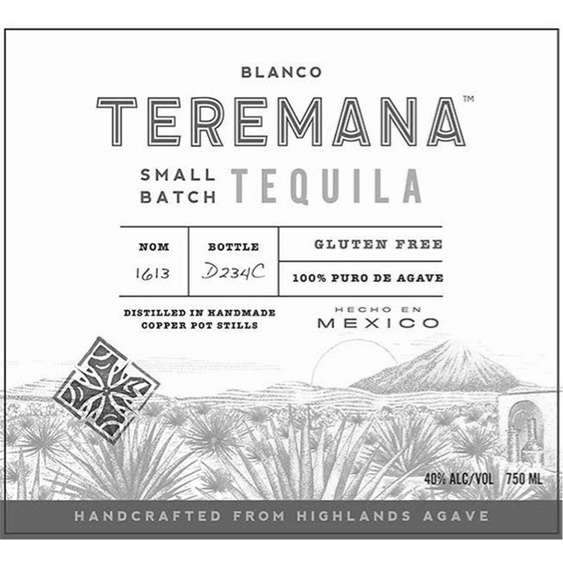
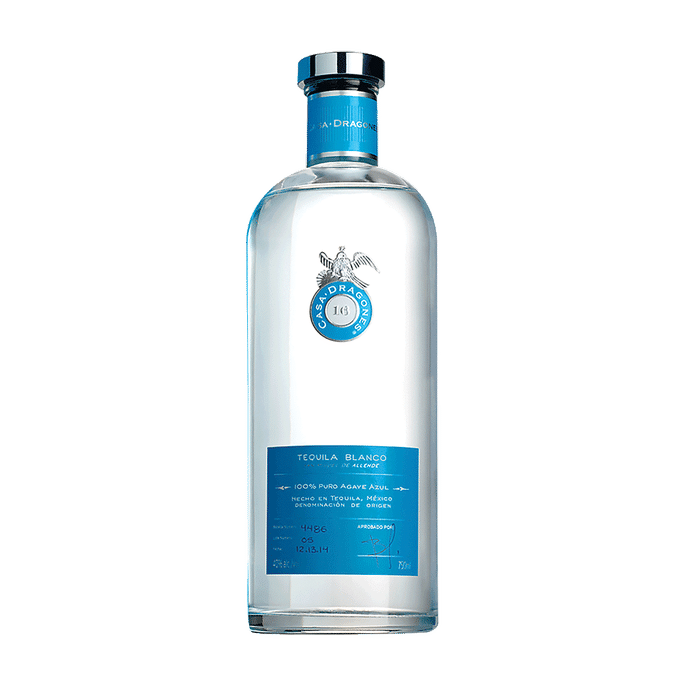
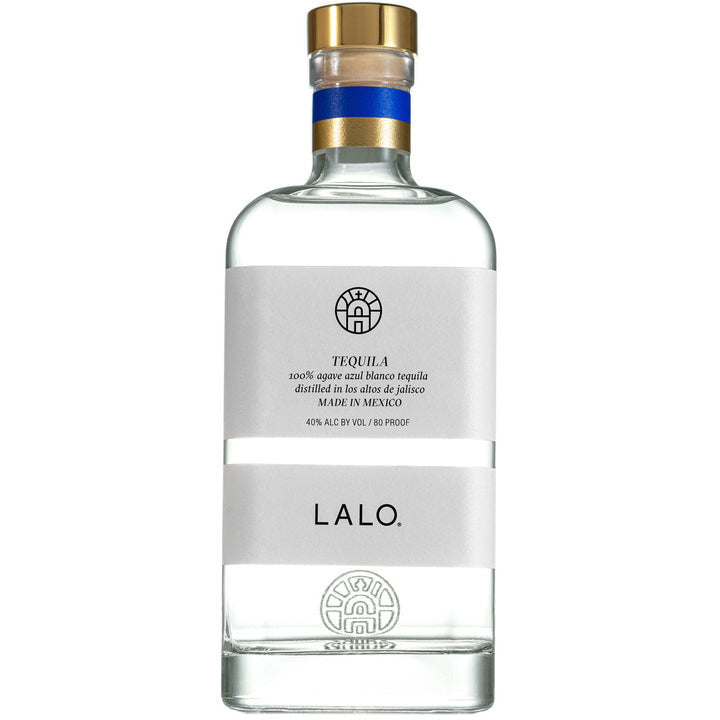
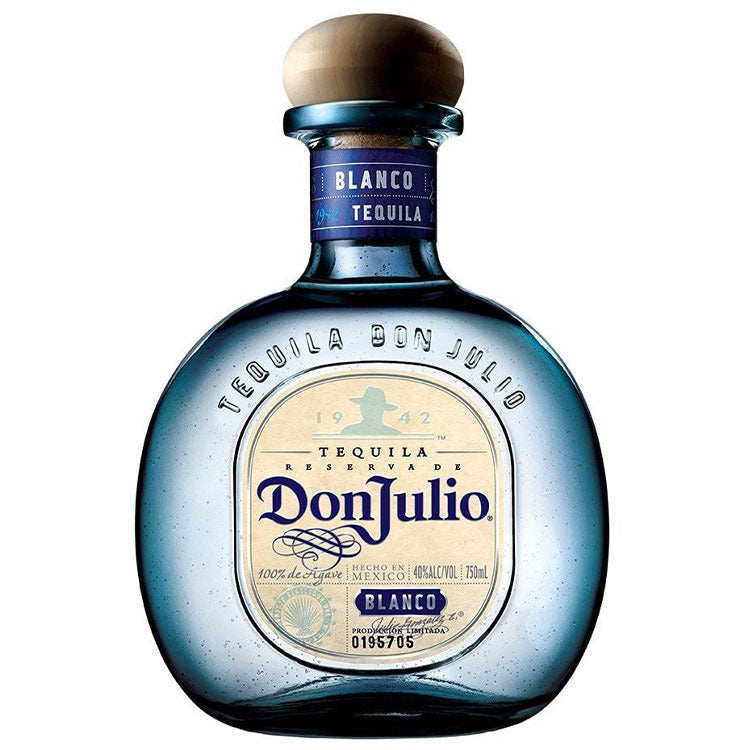
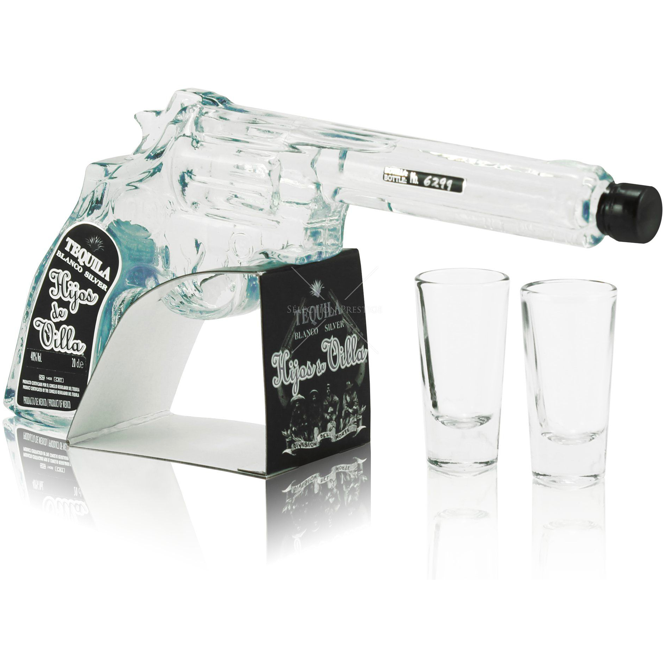
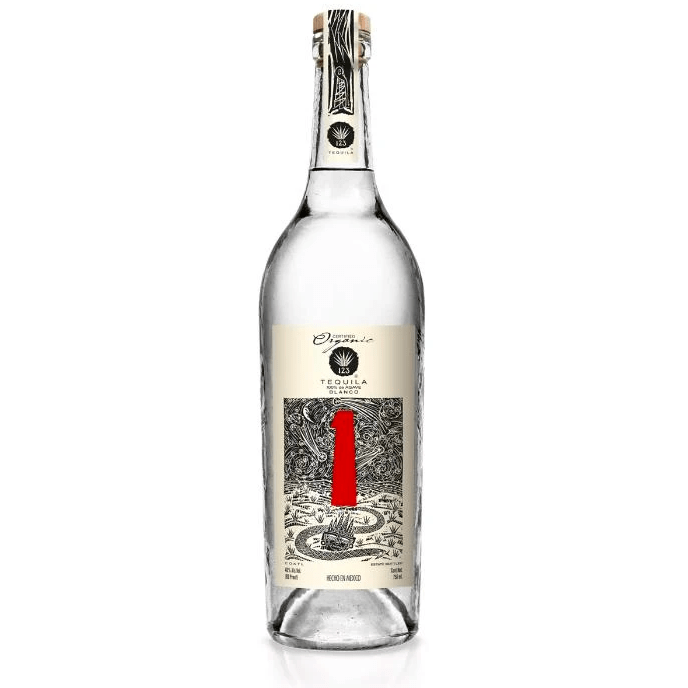
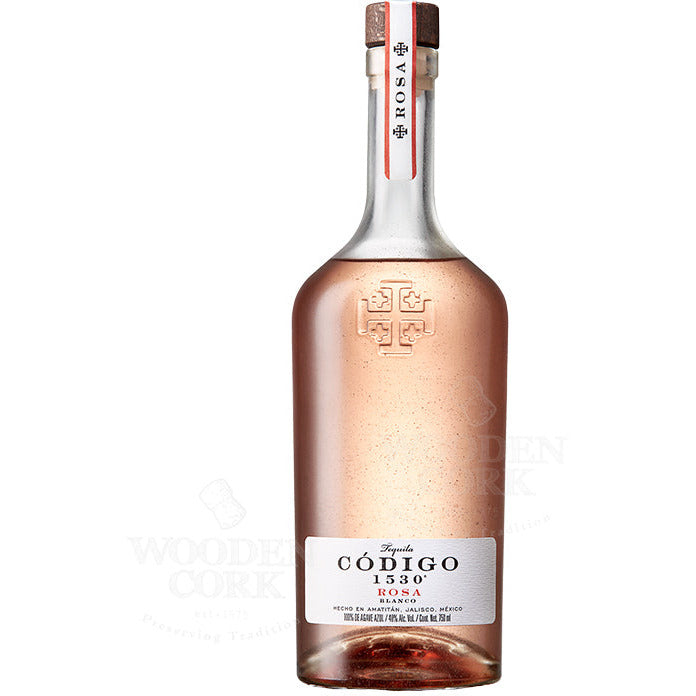
Blanco tequila — also called silver or plata — is unaged or rested fewer than 60 days, the purest expression of Blue Weber agave. No oak aging, no caramel. What you taste is the agave itself: bright, vegetal, citrus-forward, with white pepper and fresh herb notes depending on where the agave was grown. The best style for cocktails and the most transparent window into a producer’s terroir and production philosophy.
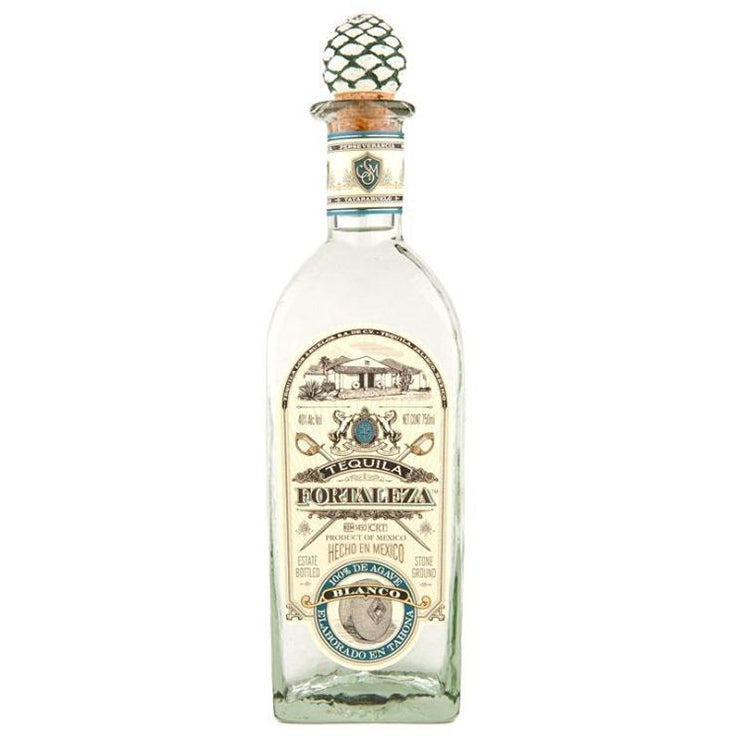
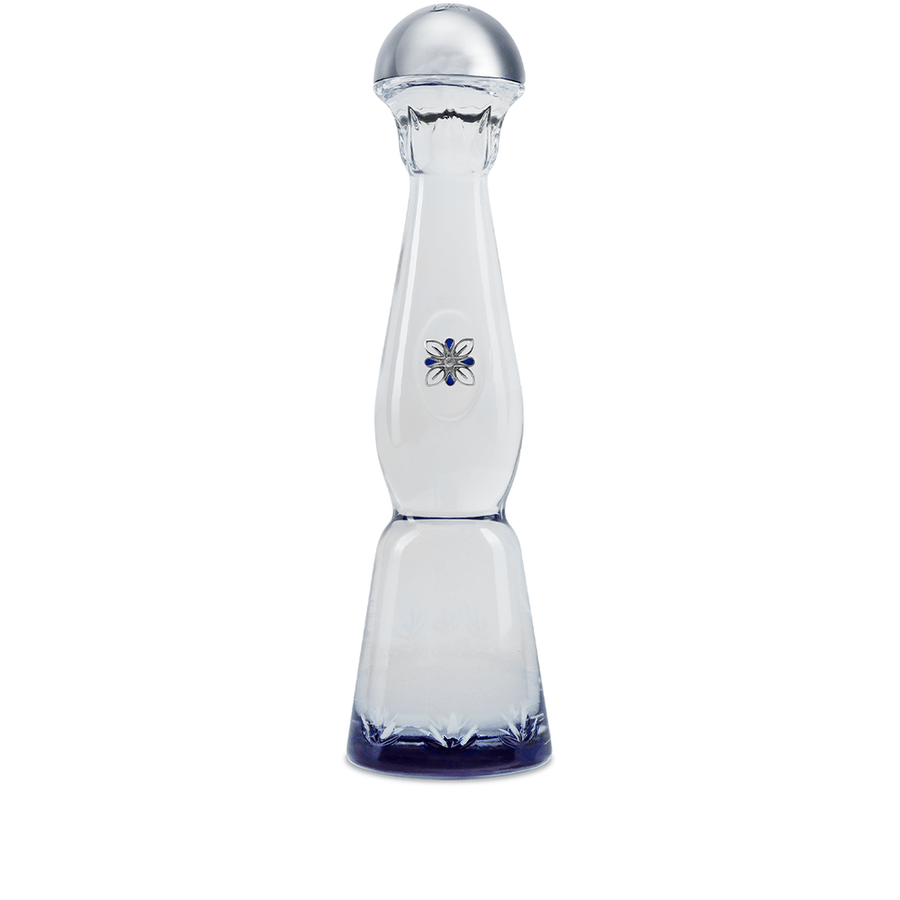
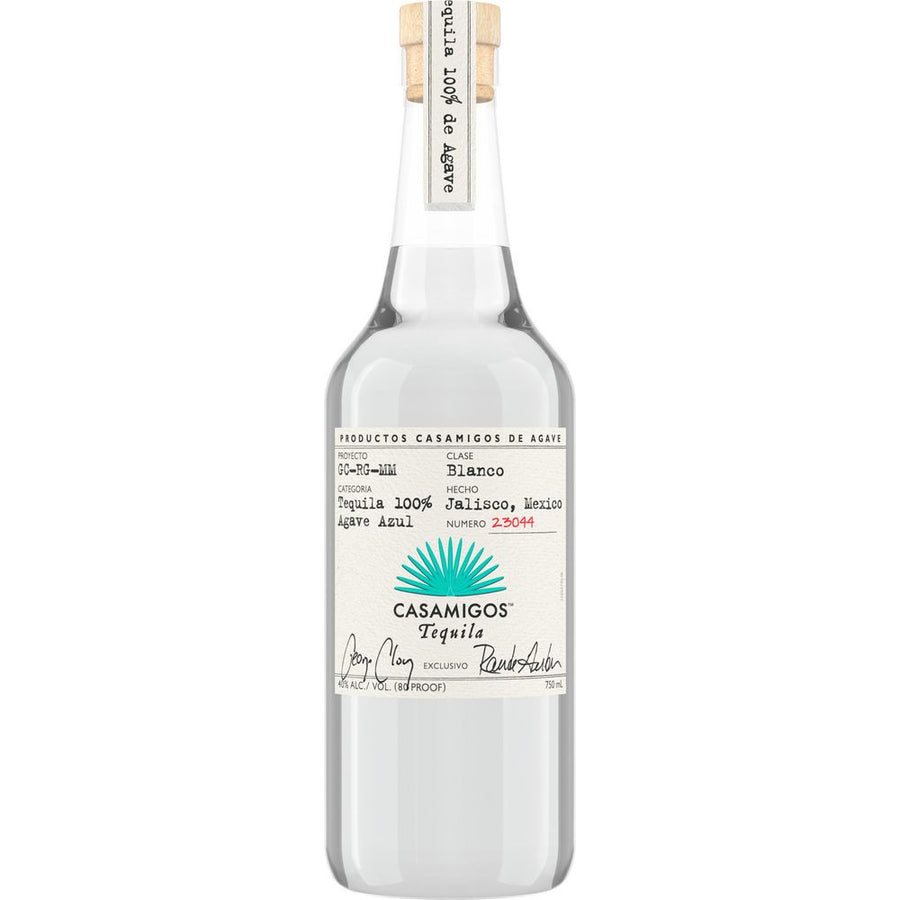
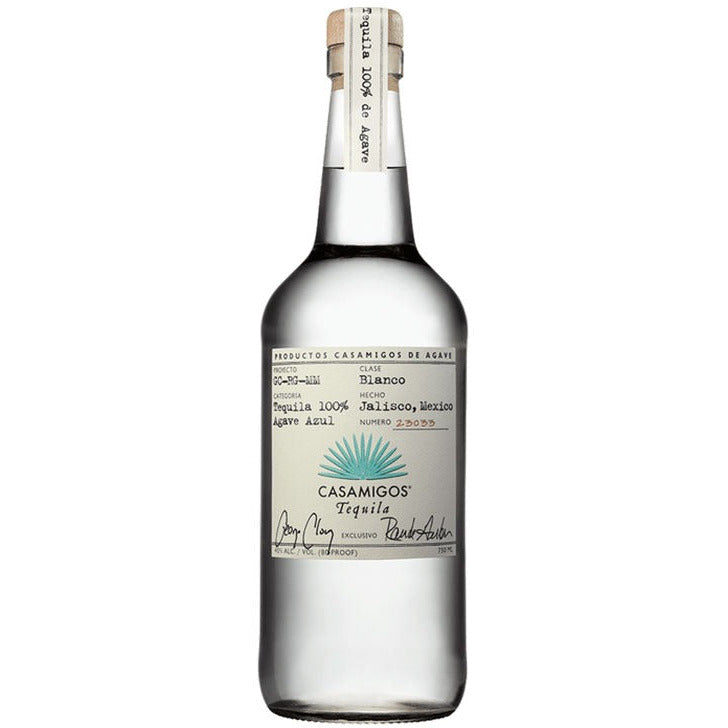
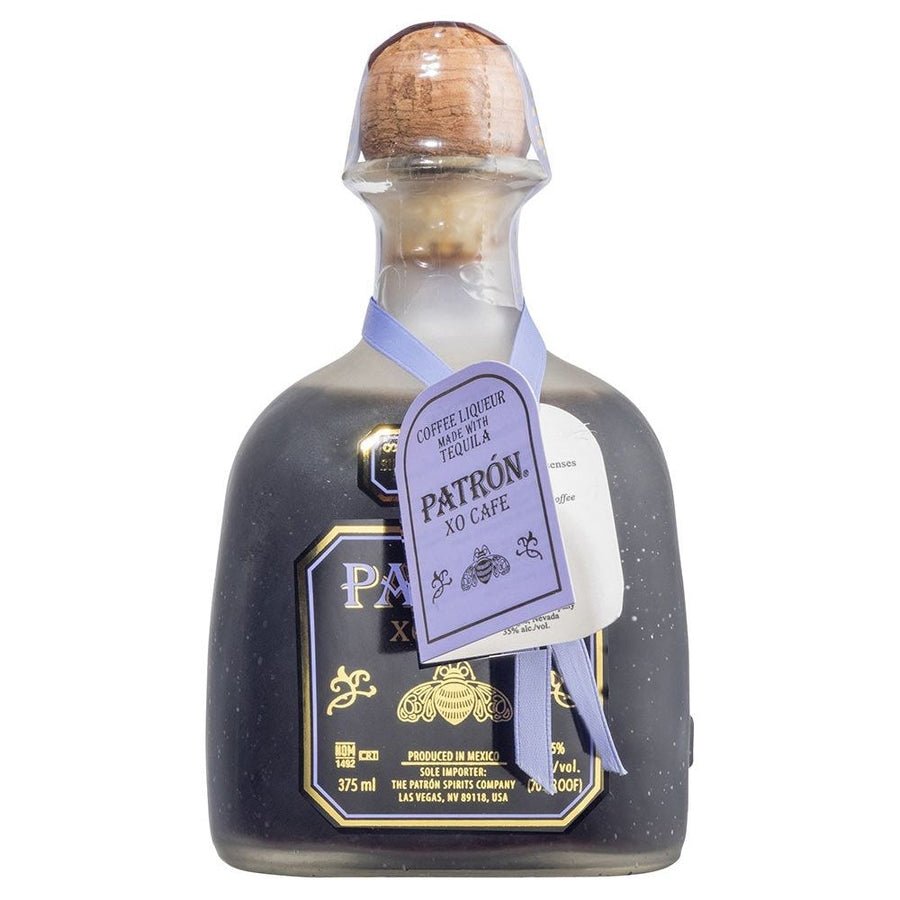
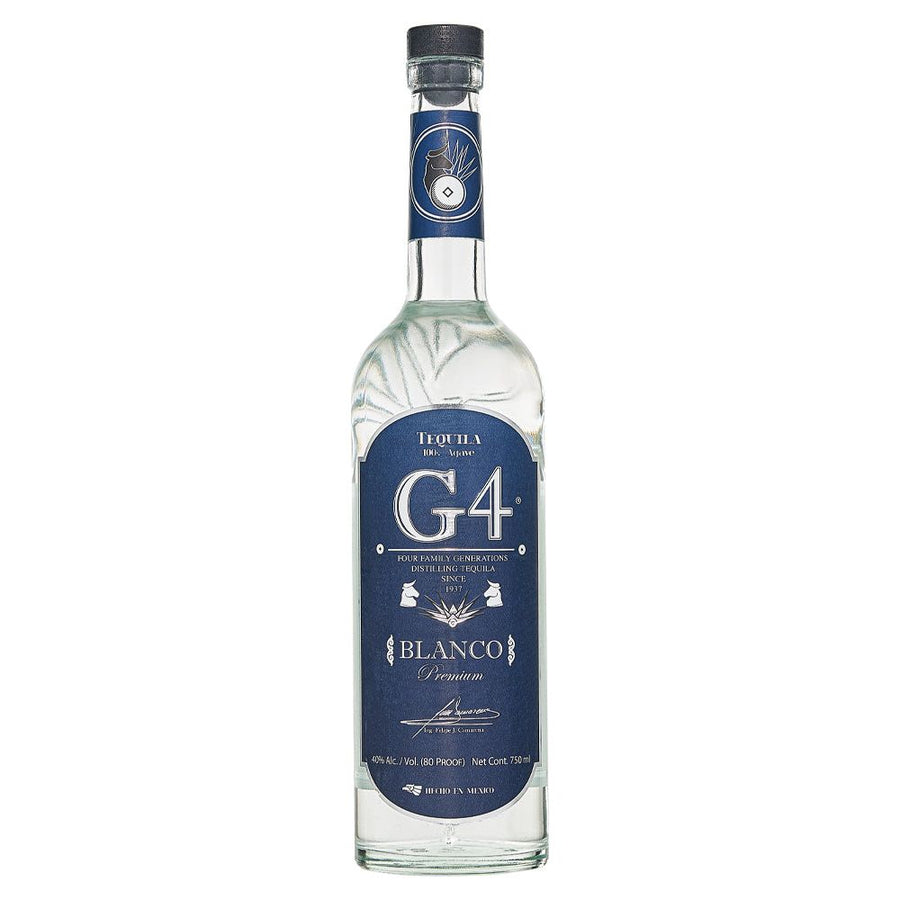
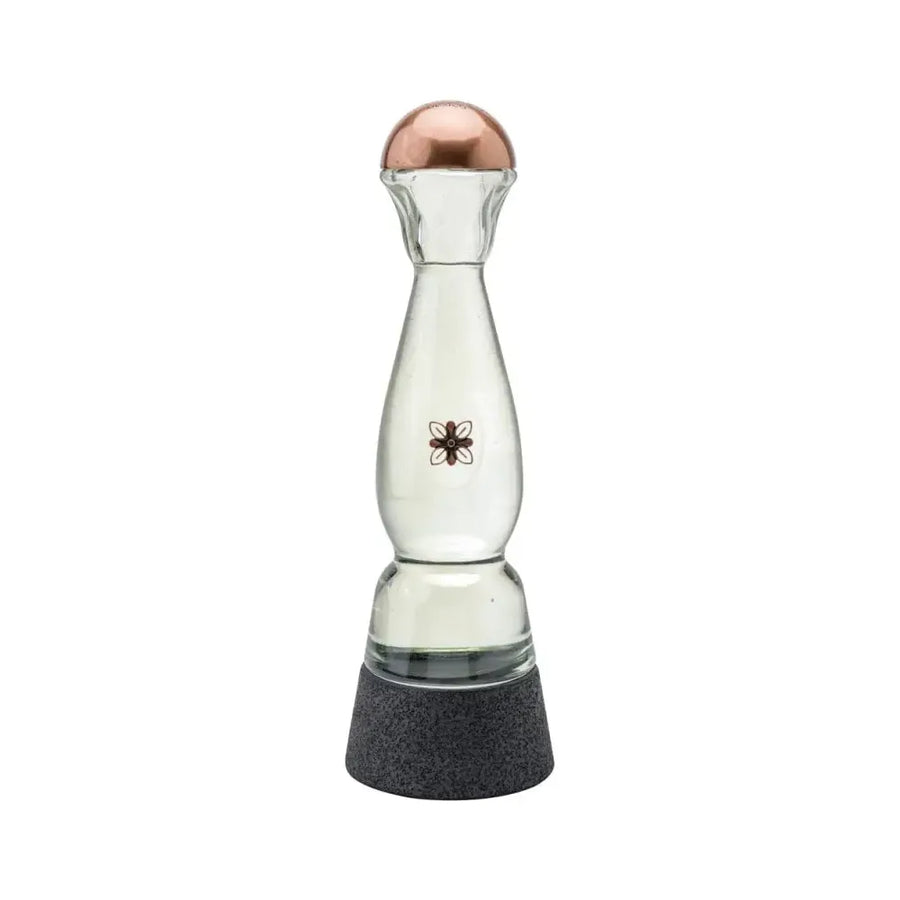
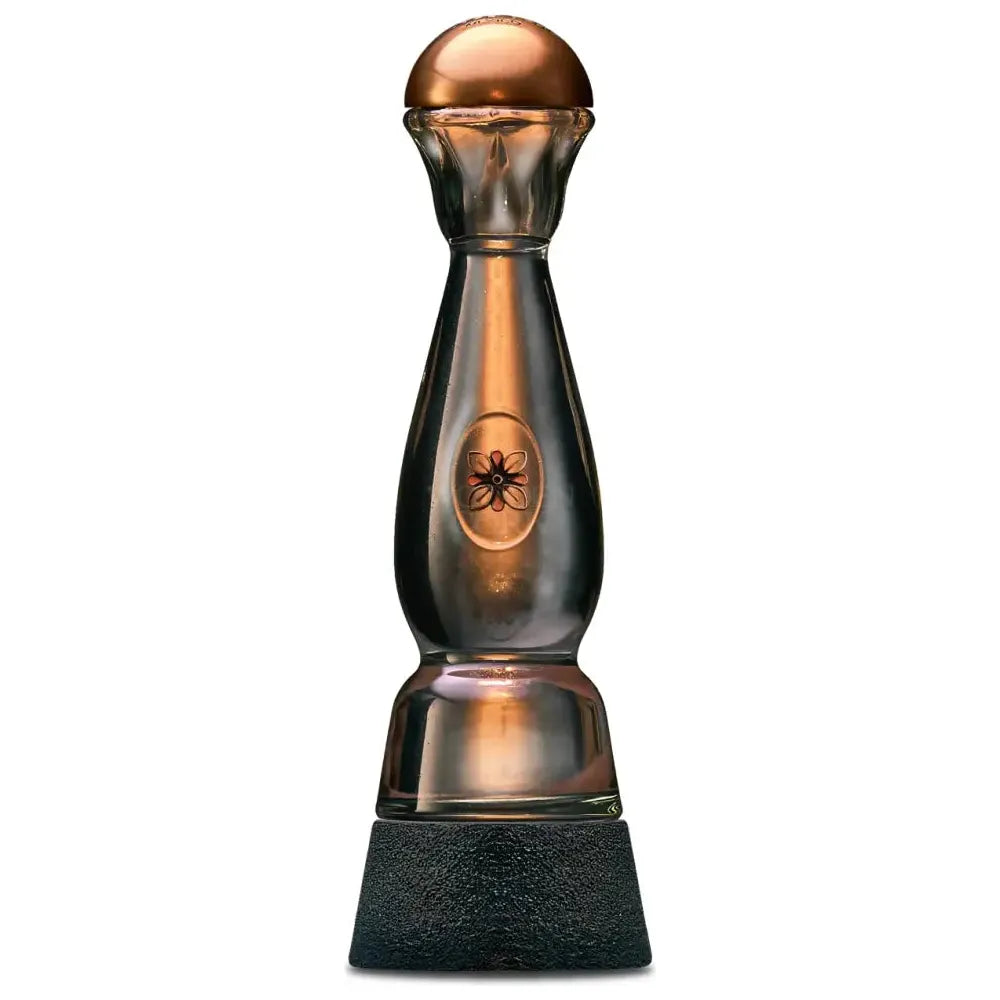
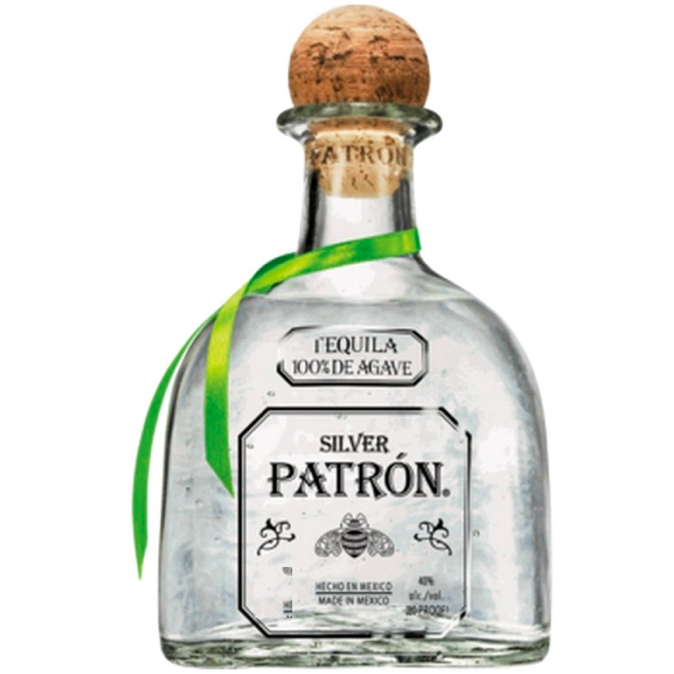
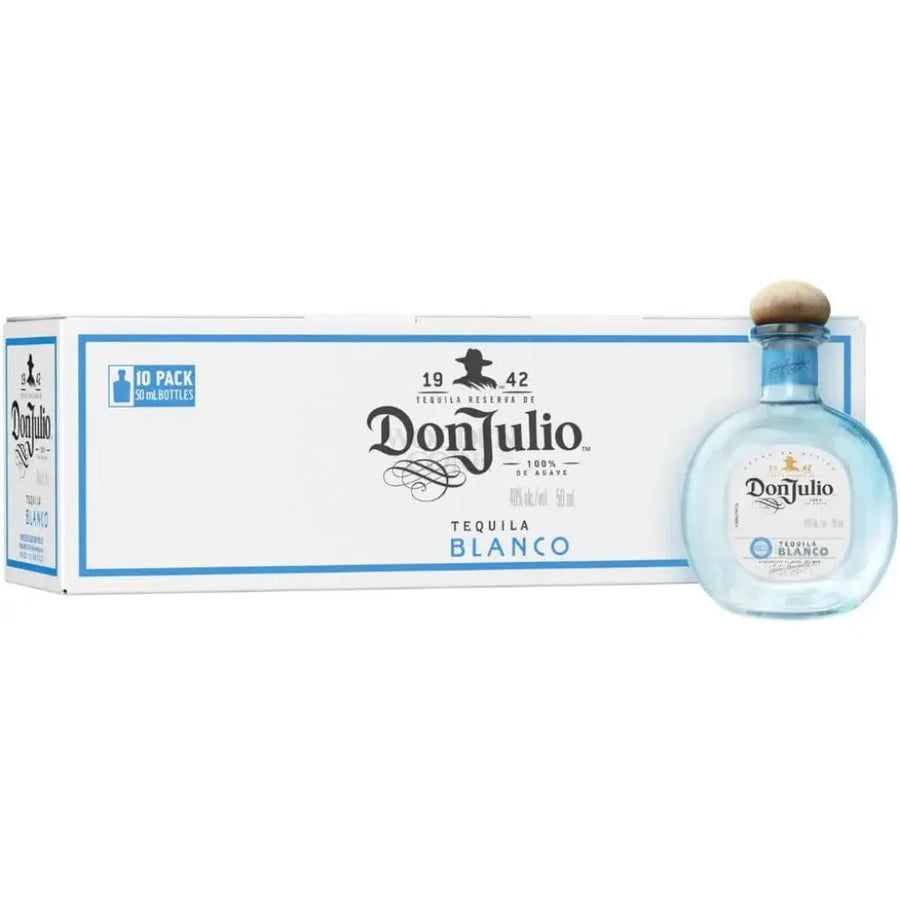
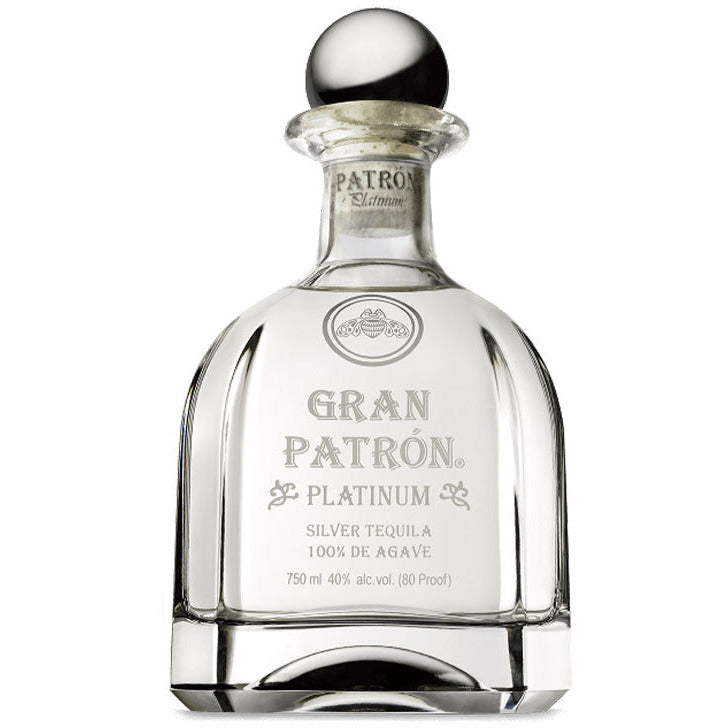
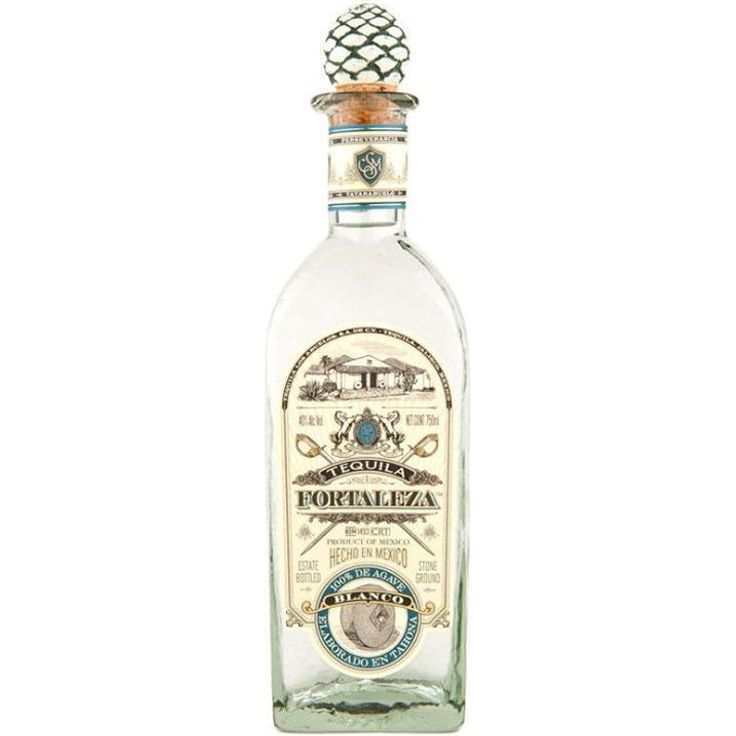
Top blancos: Don Julio Blanco (crisp, citrus, black pepper); Patrón Silver (tahona and roller mill, small batch); Clase Azul Plata (100% organic Blue Weber agave, pure sweetness and herbal character); Casamigos Blanco (smooth, approachable). For the purest agave expression, additive-free blancos like Fortaleza, Tequila Ocho, and G4 are the enthusiast benchmarks. Browse all tequila, reposado, and custom engraving at Wooden Cork.
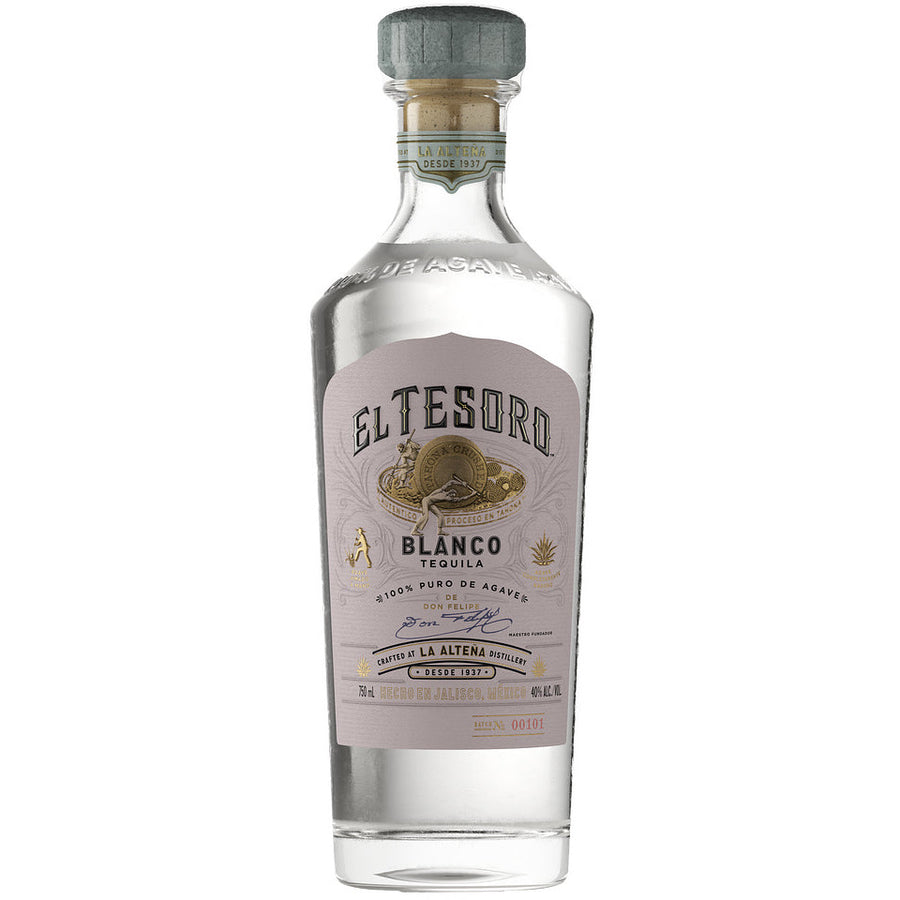
The two primary growing regions for Blue Weber agave in Jalisco — the Highlands (Los Altos) and the Lowlands (El Valle) — produce agave with meaningfully different character, and that difference carries through into the final blanco tequila. Highland agave grows at elevations above 6,500 feet in red clay-rich soil with cooler temperatures and higher rainfall, typically taking longer to reach maturity (8–12+ years versus 6–8 years in the Lowlands). The result is an agave with higher sugar concentration and more developed fruit and floral compounds — Highland blancos (Clase Azul, Don Julio, Casamigos) tend toward sweet, fruity, and approachable character with floral notes, less aggressive pepper, and a softer texture. Lowland agave grows in the volcanic and alluvial soils of the Tequila Valley floor in a warmer, drier climate that produces more herbaceous, earthy, and vegetal character — Lowland blancos (Olmeca Altos Plata, Tequila Ocho Plata from Arandas crosses into both, El Tesoro from Highlands, Cuervo from various) tend toward more pronounced green agave, pepper, and mineral notes with less sweetness. The distinction is directly analogous to terroir in wine: same grape variety, same production method, dramatically different result based on where the raw material was grown.
Under current NOM (Norma Oficial Mexicana) regulations, tequila producers are permitted to add up to 1% of the final product’s weight in approved additives without disclosing them on the label. The four permitted additive categories are: caramel coloring (for consistent color), oak extract (for simulated oak aging character), glycerin (for added texture and mouthfeel), and sugar-based syrup (for sweetness). For blanco tequila specifically, the additive issue is most relevant for glycerin and syrup — these can make a blanco taste and feel smoother and sweeter than the actual distillate would naturally produce, masking defects in the raw agave or production quality. An additive-free blanco expresses the actual character of the agave and the distillation process without enhancement or correction. Brands like Fortaleza, Tequila Ocho, G4, Tapatio, and El Tesoro have been independently verified as additive-free through the Tequila Matchmaker database and other third-party testing. The practical implication: if you want to understand what a tequila distillery actually produces and what the agave from their specific source tastes like, an additive-free blanco is the most honest expression.