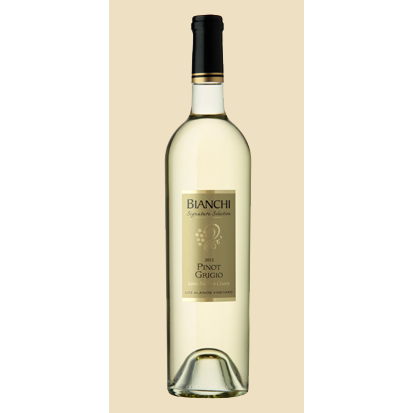
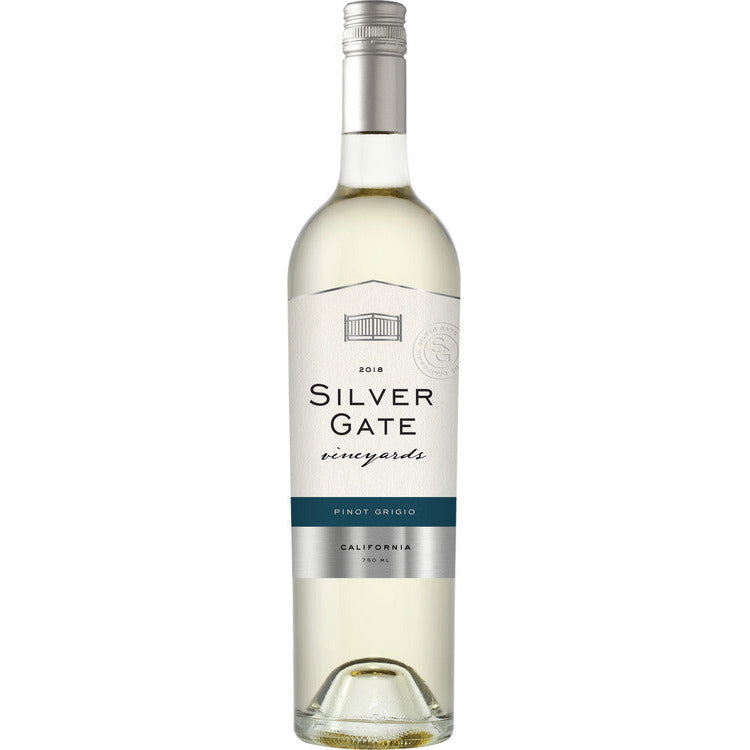
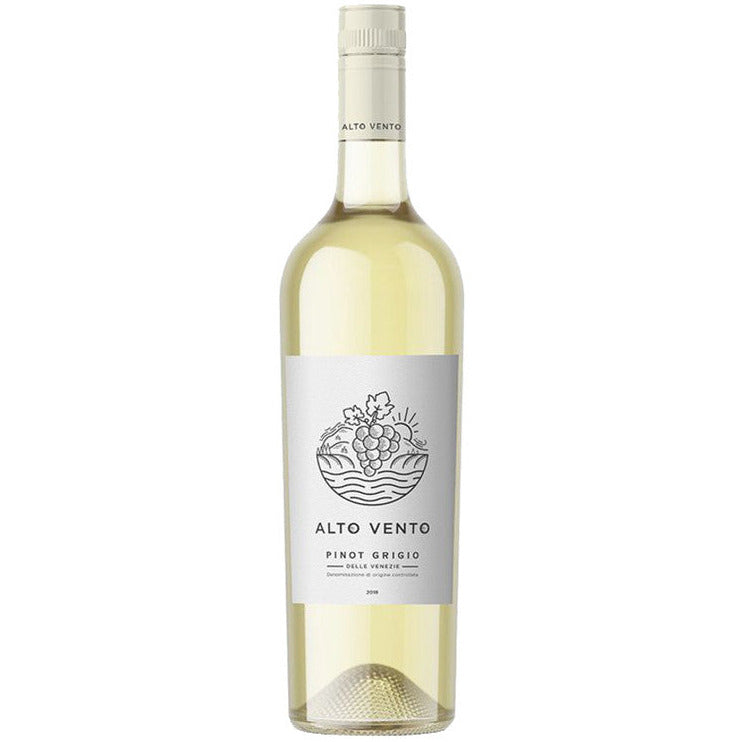
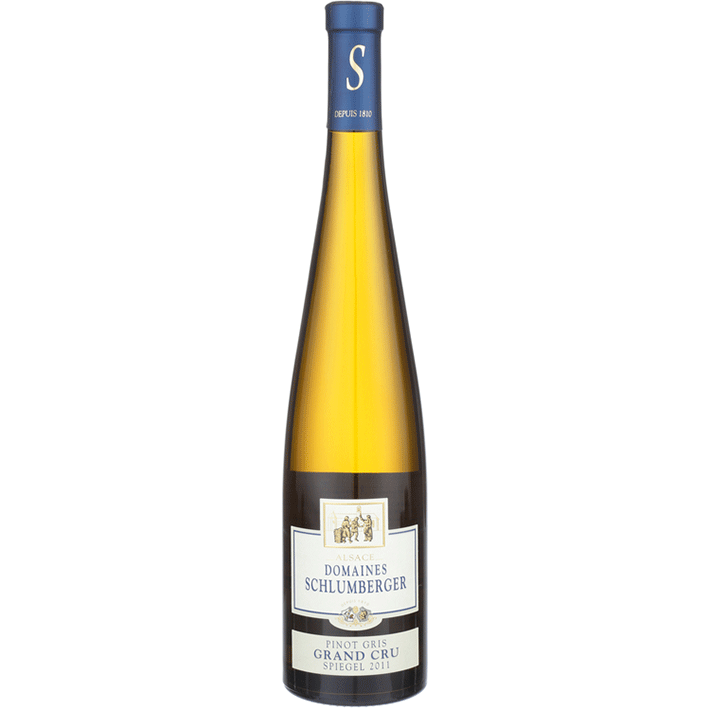
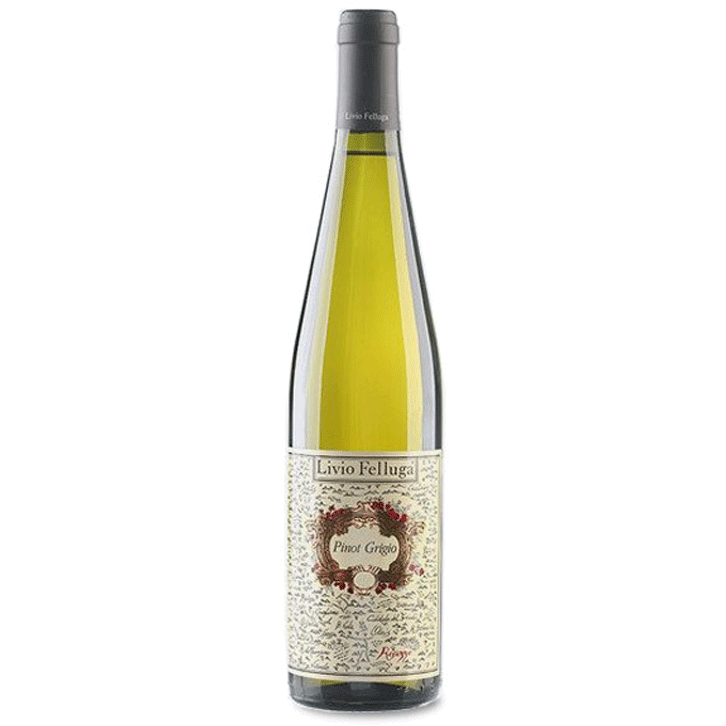
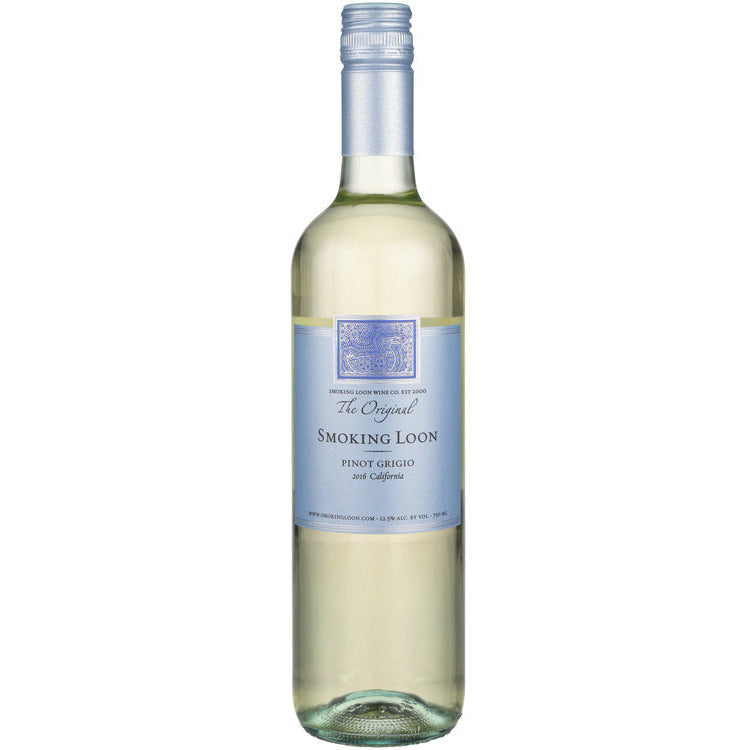
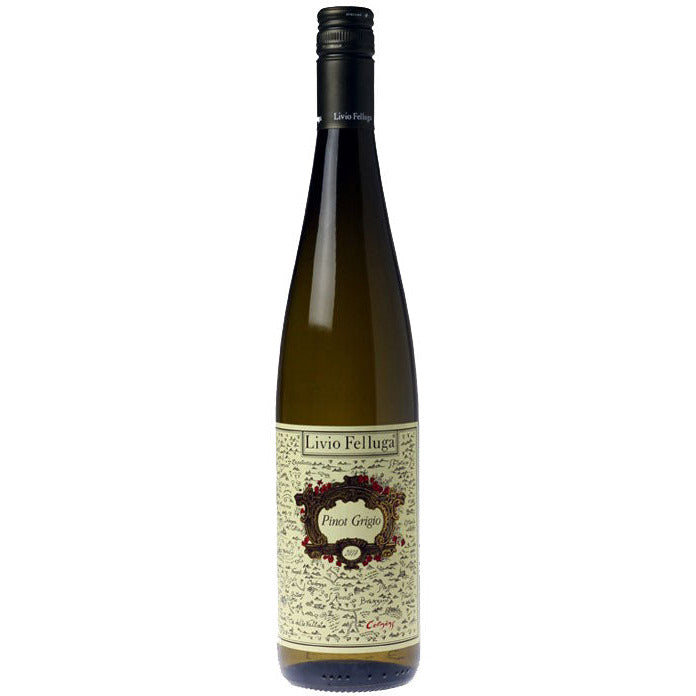
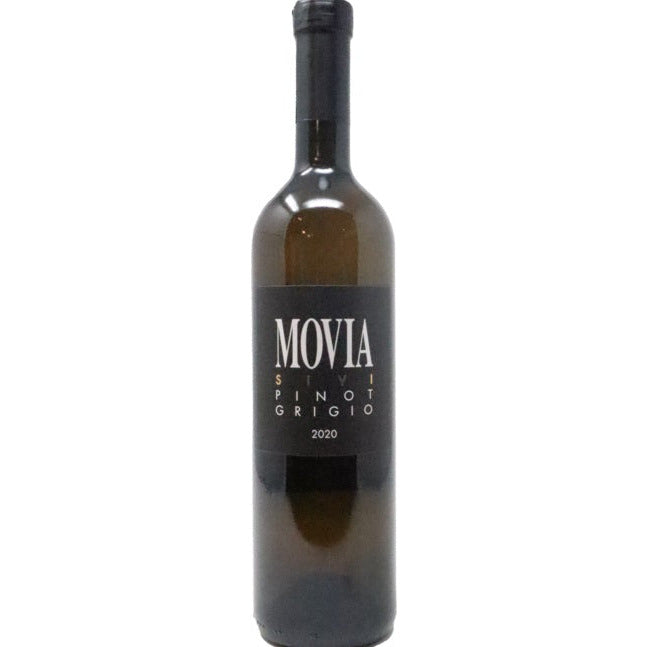
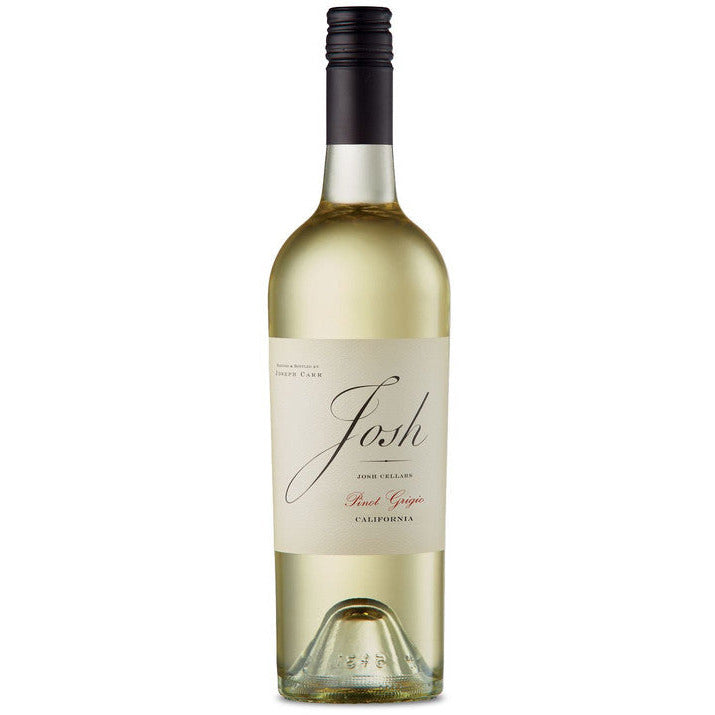
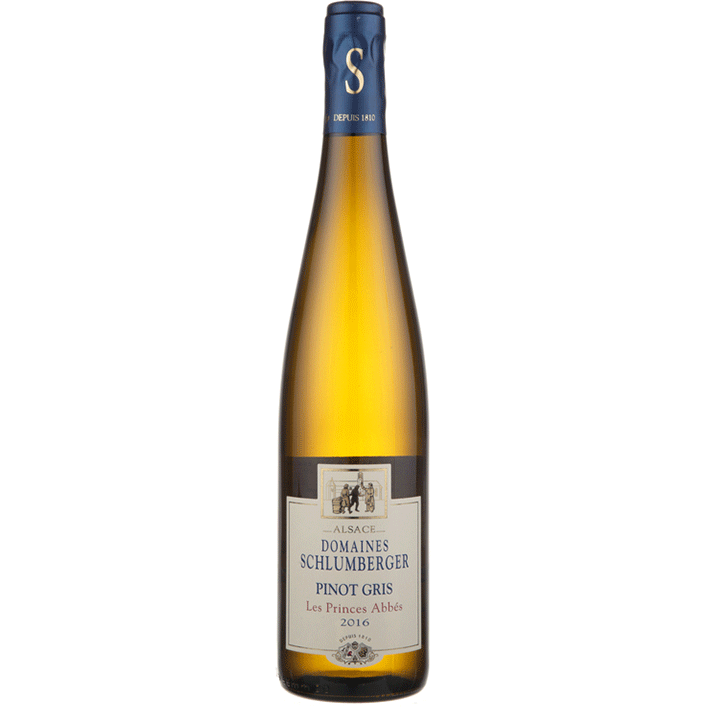
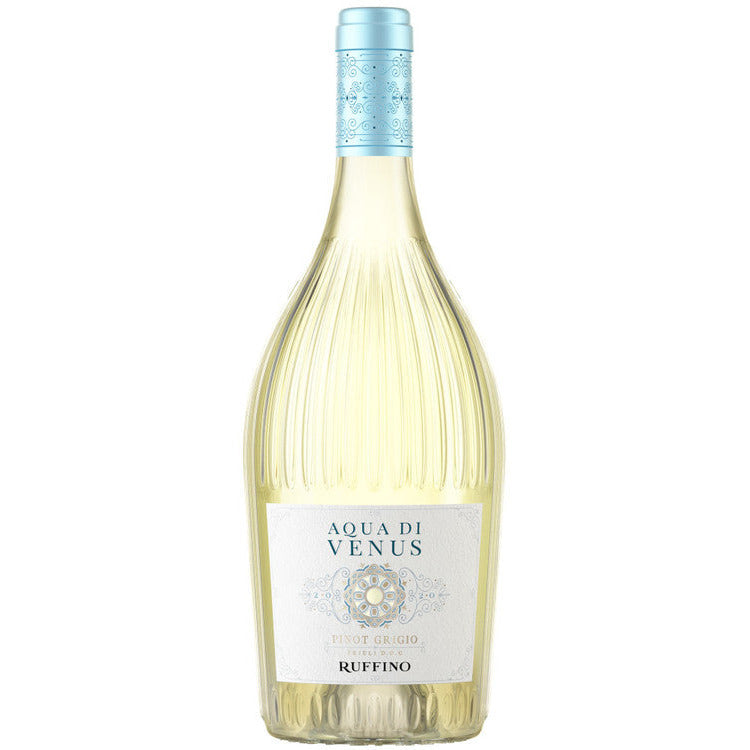
Pinot Grigio
84 products


84 products
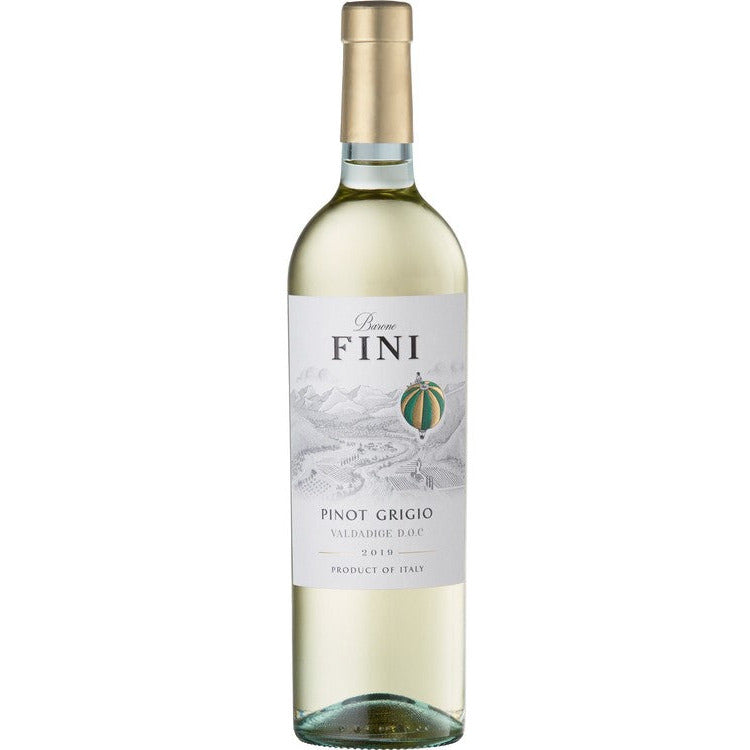
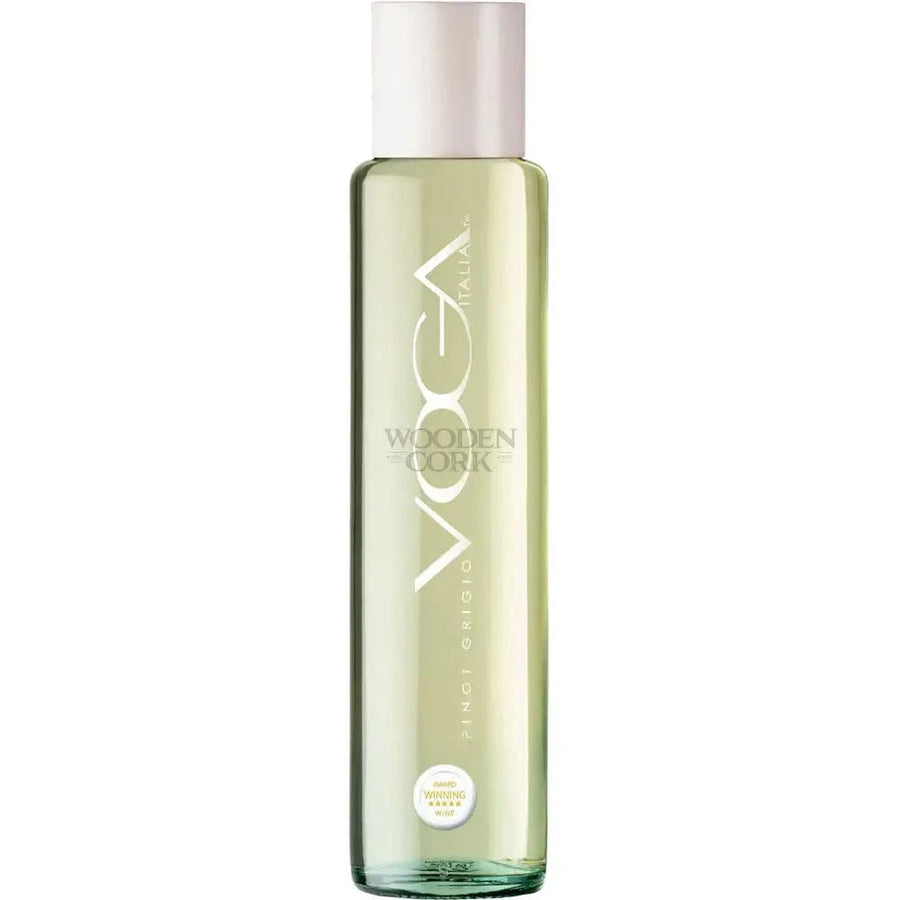
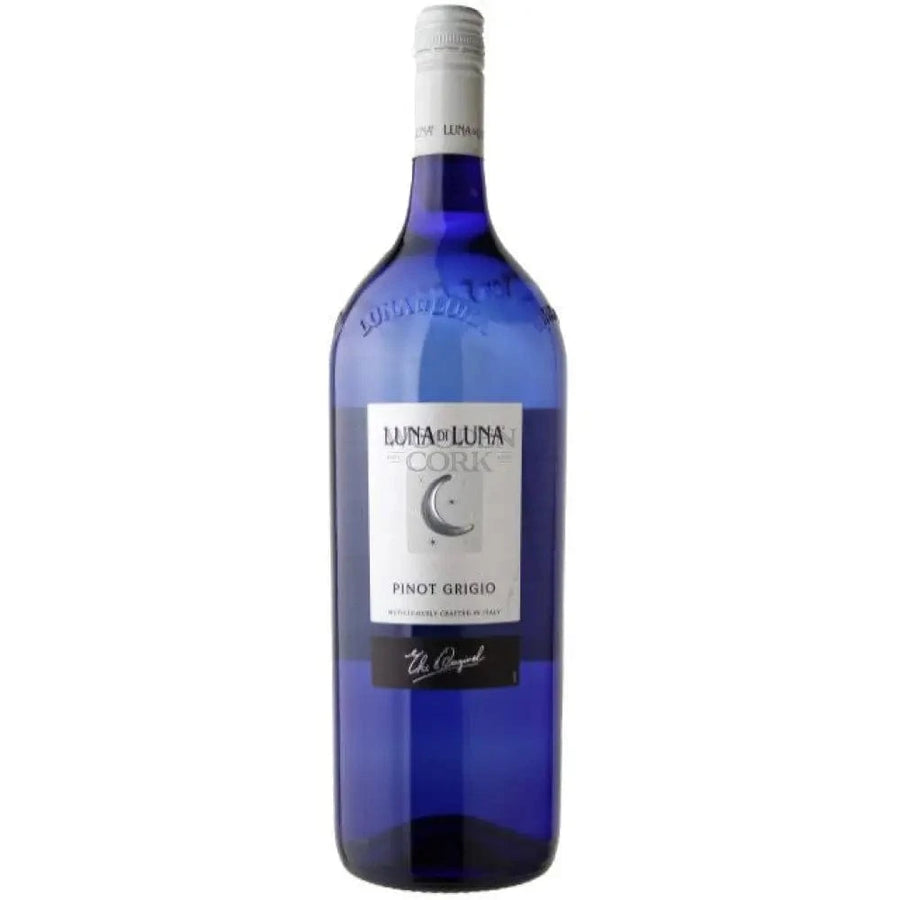
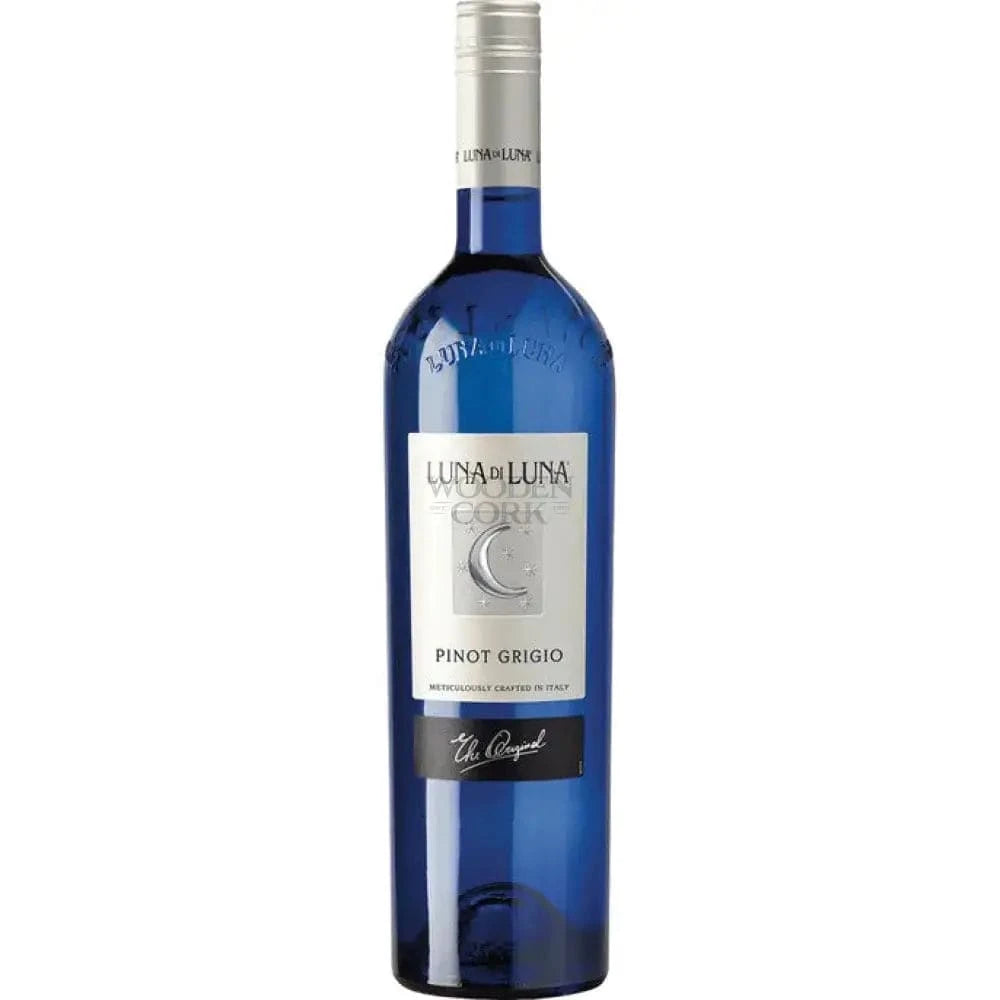
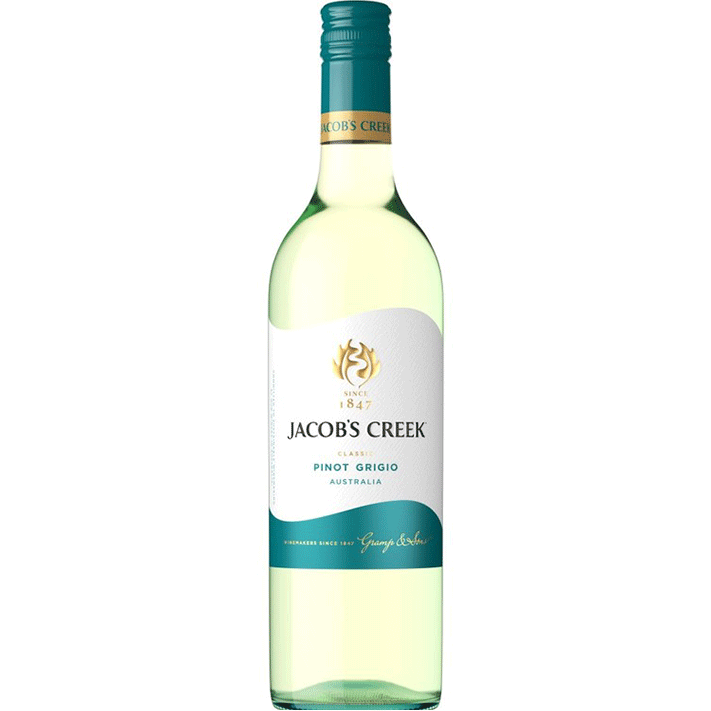
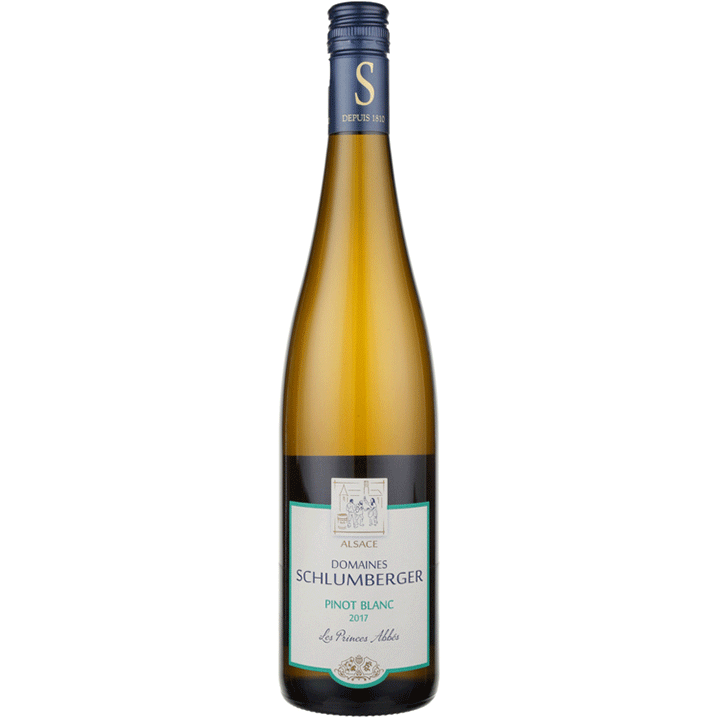
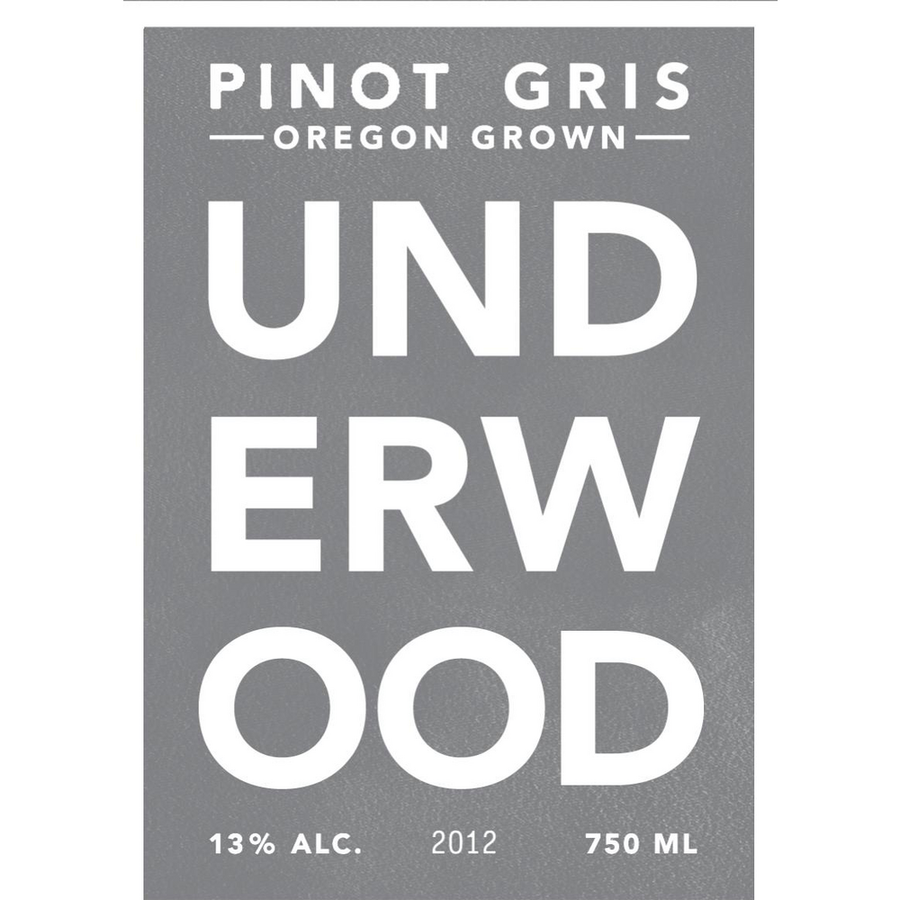
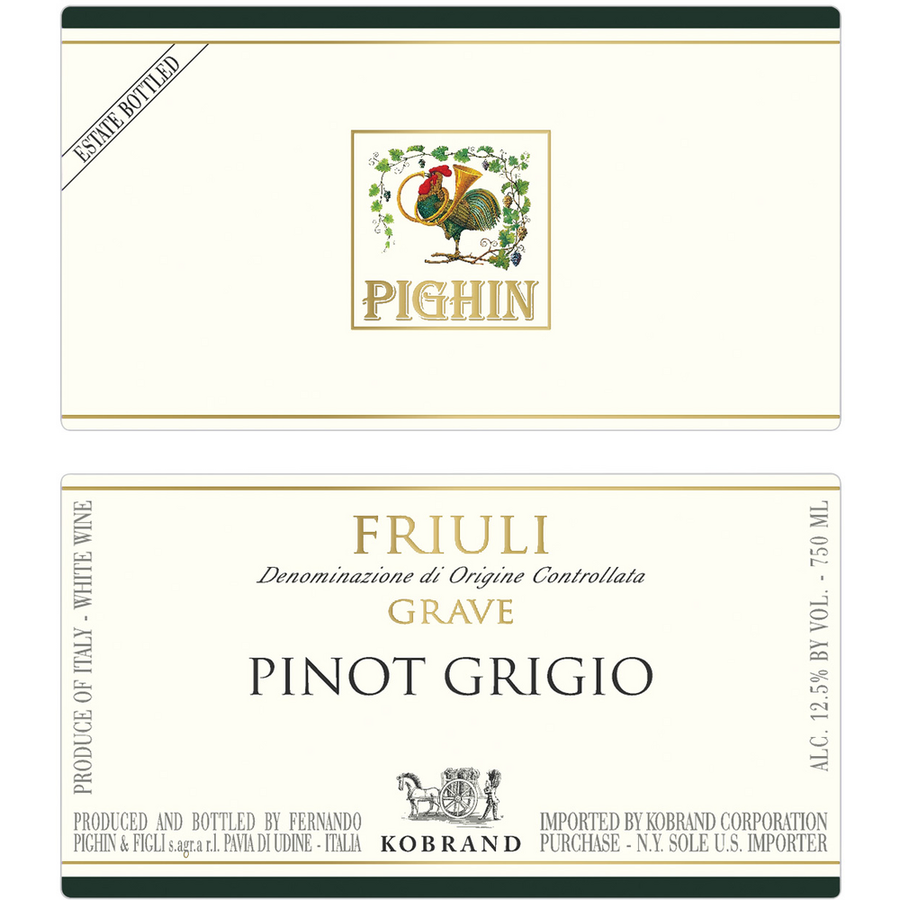
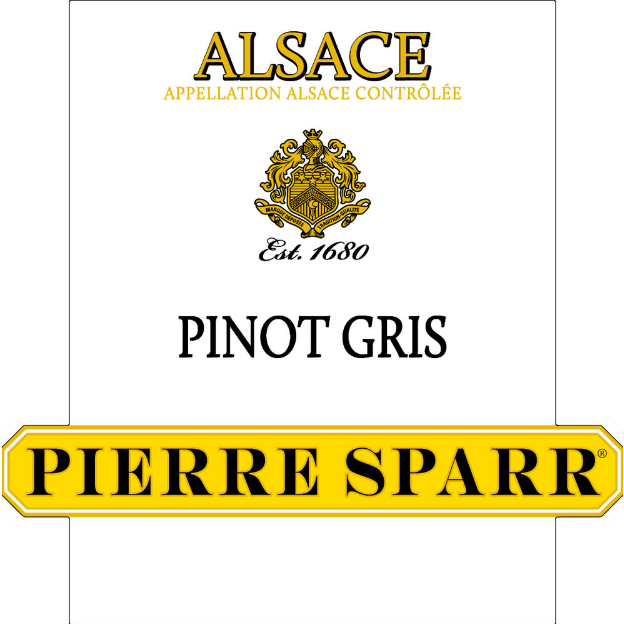
Pinot Grigio and Pinot Gris are the same grape variety — grey-skinned mutation of Pinot Noir — but the name signals the style: Italian Pinot Grigio is typically crisp, light, and neutral; Alsatian Pinot Gris and Oregon Pinot Gris are richer, more textured, and more aromatic. Wooden Cork carries expressions from northern Italy, Alsace, and Oregon.
Browse all wine, Sauvignon Blanc, and Chardonnay at Wooden Cork.
Both names refer to the same grape variety — Pinot Grigio is the Italian name, Pinot Gris is the French and widely used international name. The difference is in the winemaking style each name implies. Italian Pinot Grigio — particularly from Friuli, Trentino-Alto Adige, and Veneto — is typically harvested early for high acidity, fermented cool in stainless steel, and bottled young. The result is lean, crisp, and neutral: green apple, lemon zest, light pear, and very little aromatic complexity. Alsatian Pinot Gris is harvested later with more skin contact and often ferments in oak or neutral barrels, producing a substantially richer, more textured wine with stone fruit, honey, and spice. Oregon Pinot Gris, influenced by the Alsatian model, falls in between — more aromatic than most Italian versions but generally less rich than Alsace. When a label says Pinot Grigio, expect crispness; when it says Pinot Gris, expect more body and complexity.
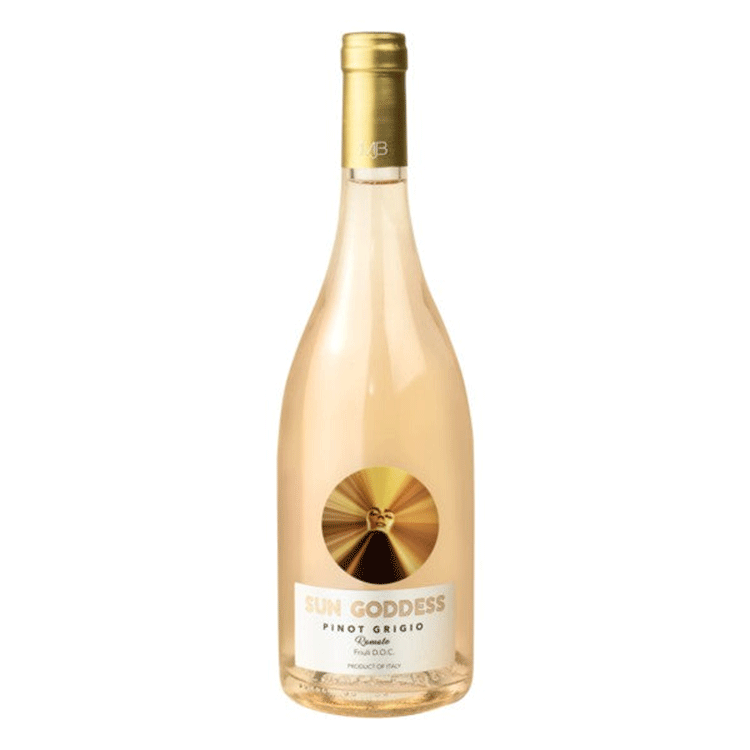
Pinot Grigio is a grey-skinned grape — the skins have natural pigment ranging from grey-pink to copper. Standard Pinot Grigio production uses minimal or no skin contact, producing a pale yellow wine. Ramato — a traditional Friulian style that predates modern winemaking — ferments the wine with the skins for days or weeks, extracting the copper-pink pigment and additional tannin and phenolic compounds. The result is an orange-style wine with more texture, tannin, and oxidative character than standard Pinot Grigio. Some natural wine producers have revived Ramato as a deliberate style choice. If a Pinot Grigio bottle appears copper or salmon-colored, extended skin contact is the reason — not a flaw.