Tequila
1669 products


1669 products
Wooden Cork carries one of the most comprehensive tequila selections available online — from everyday sippers and cocktail-ready blancos to ultra-premium extra añejos and collectible limited releases. Every bottle ships nationwide with adult-signature delivery in 1–7 days.
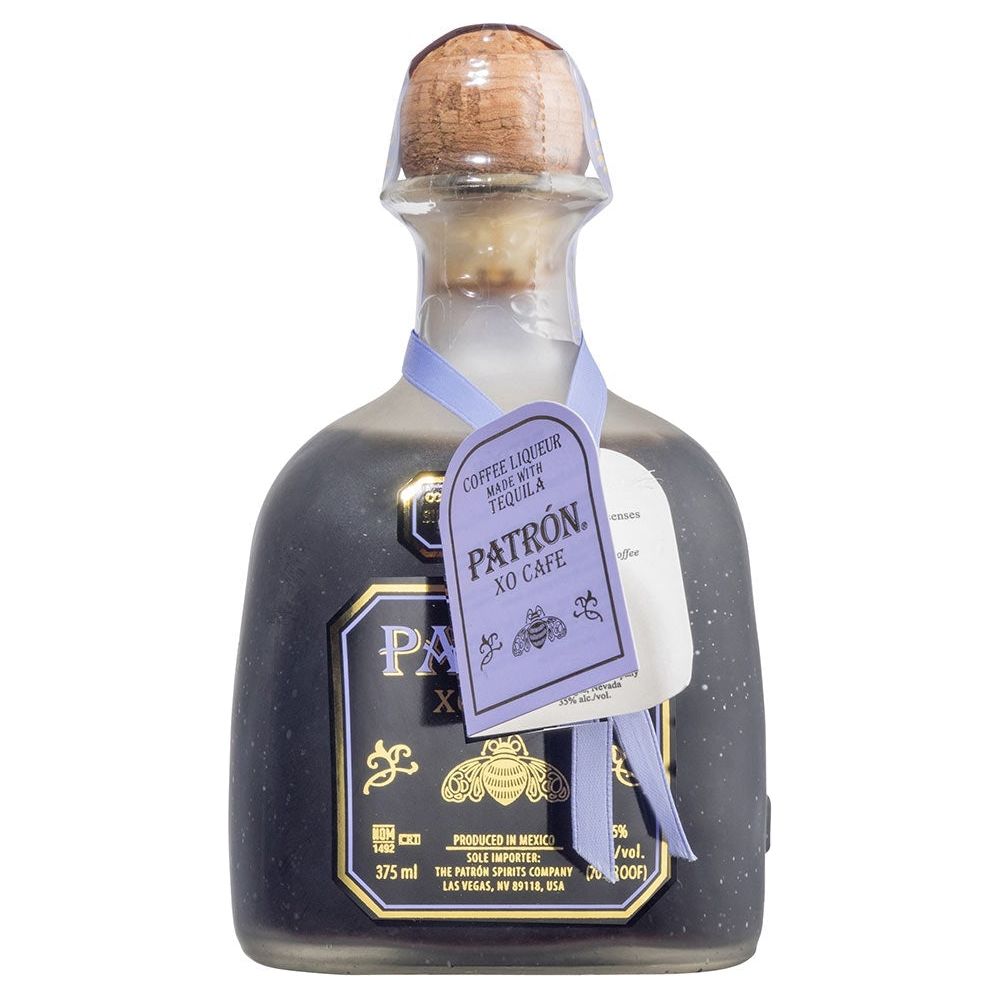
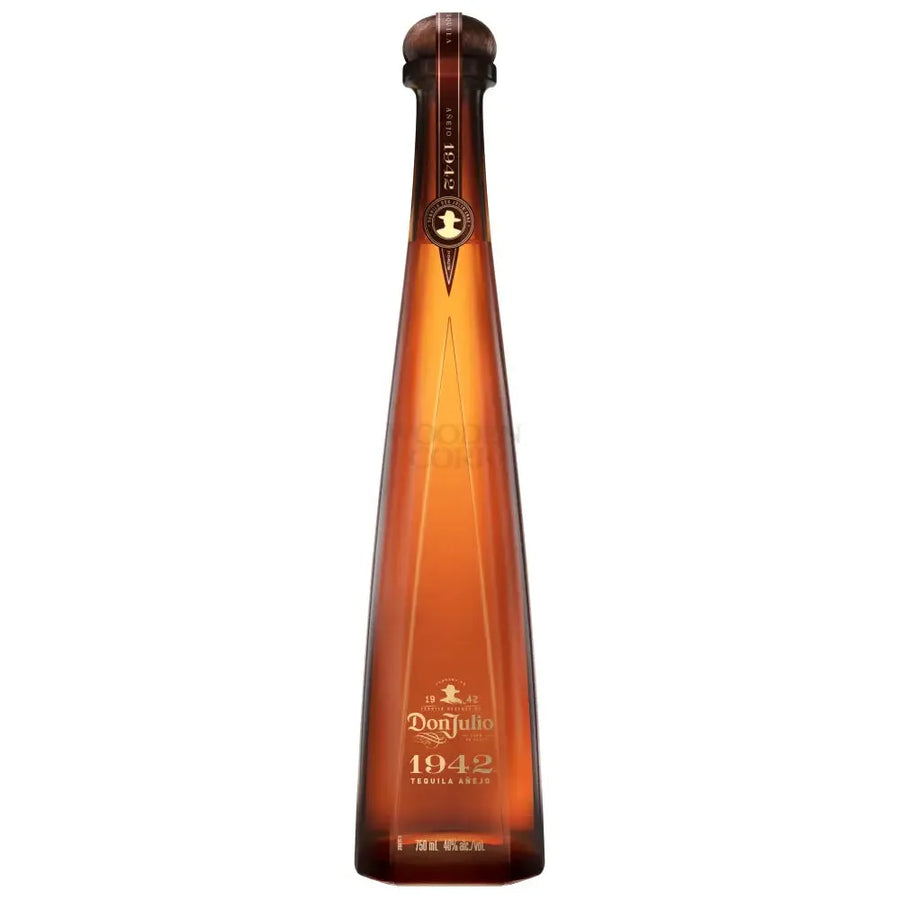
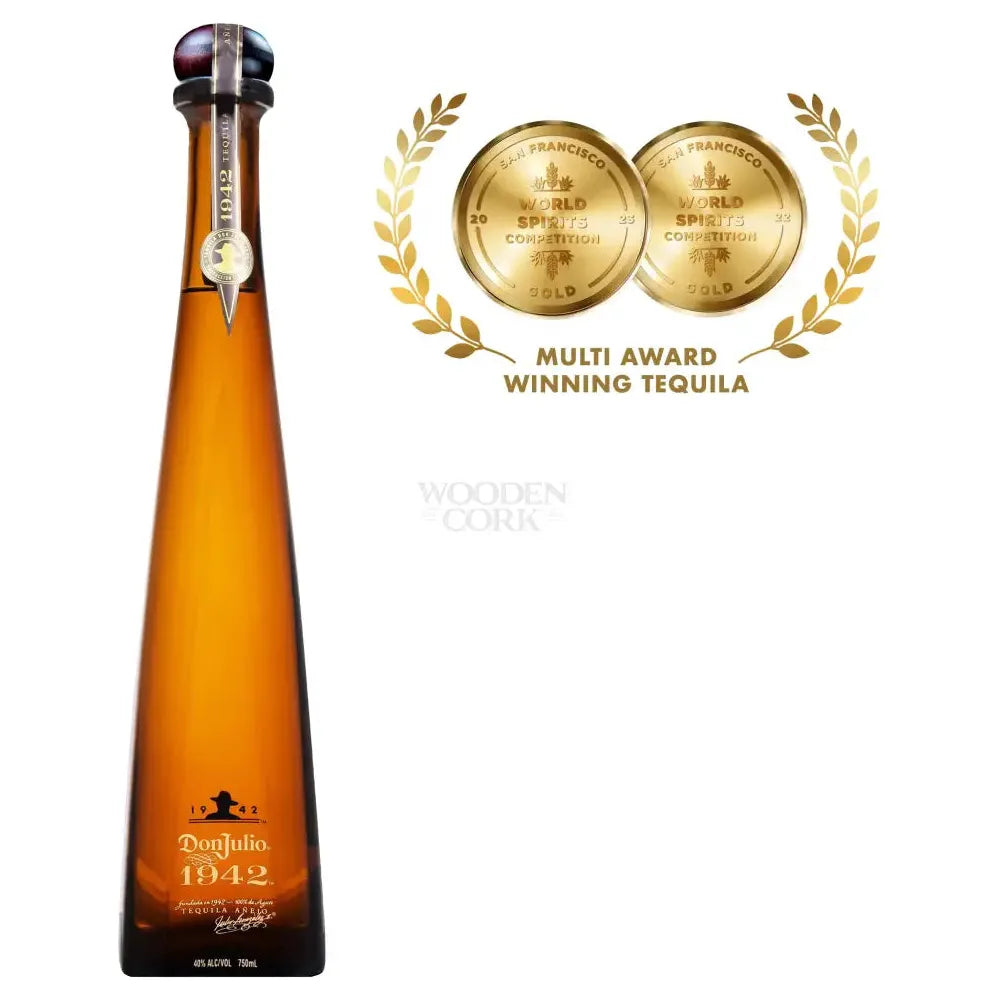
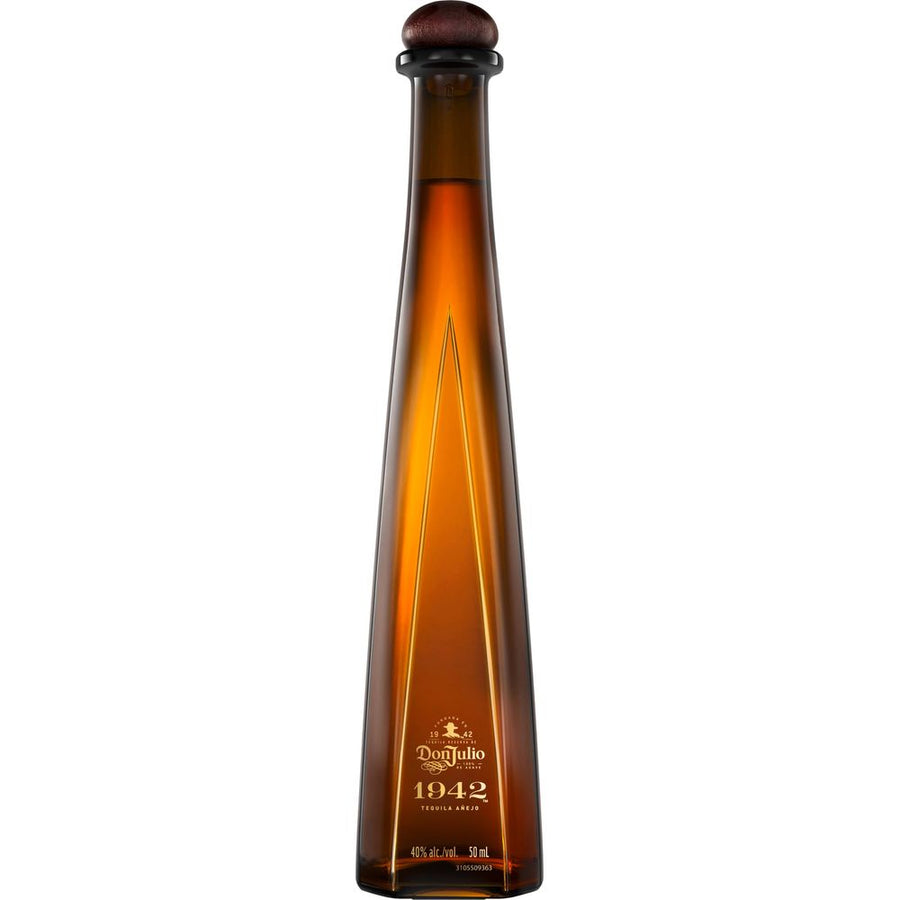
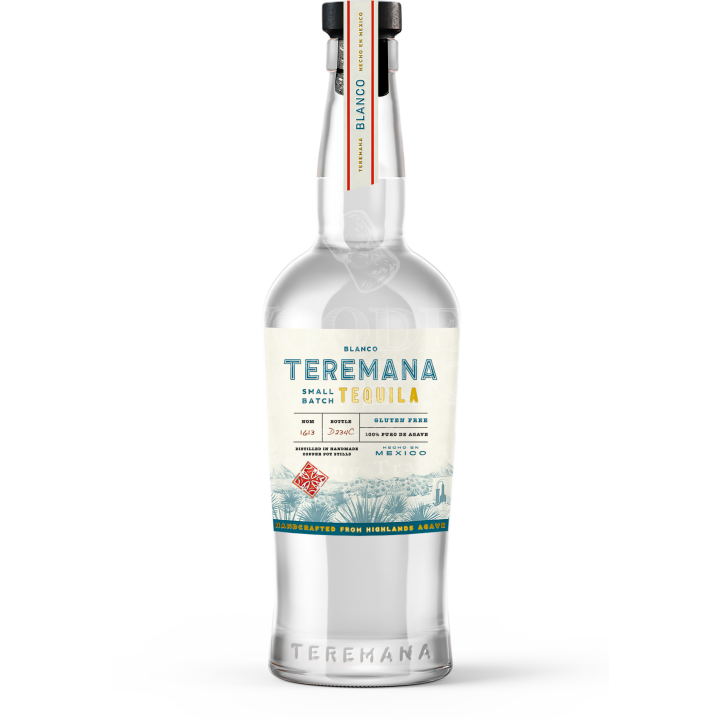
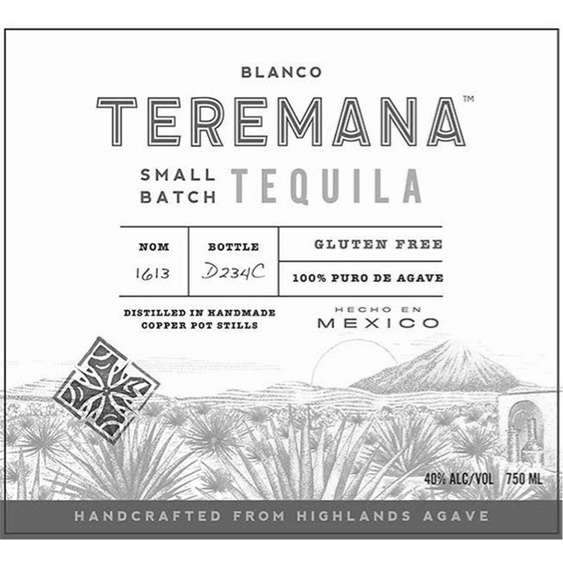
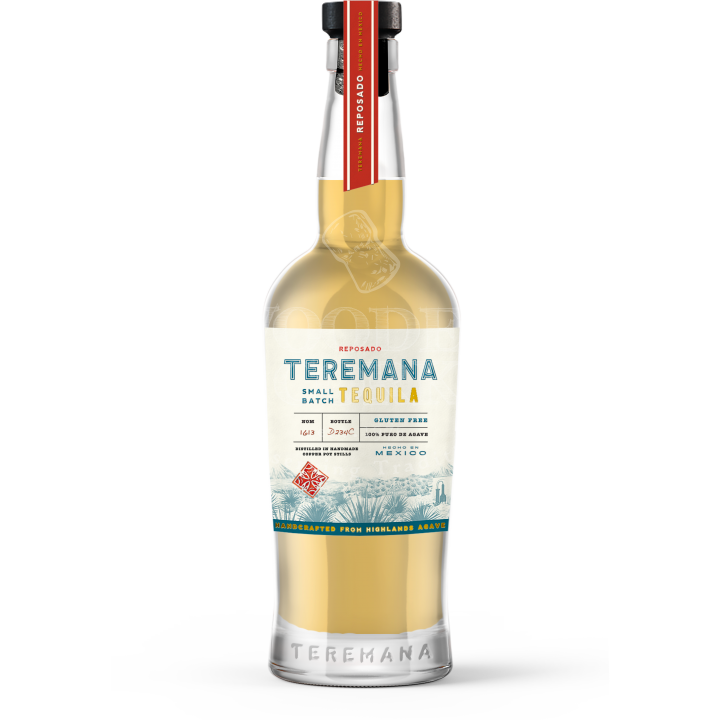
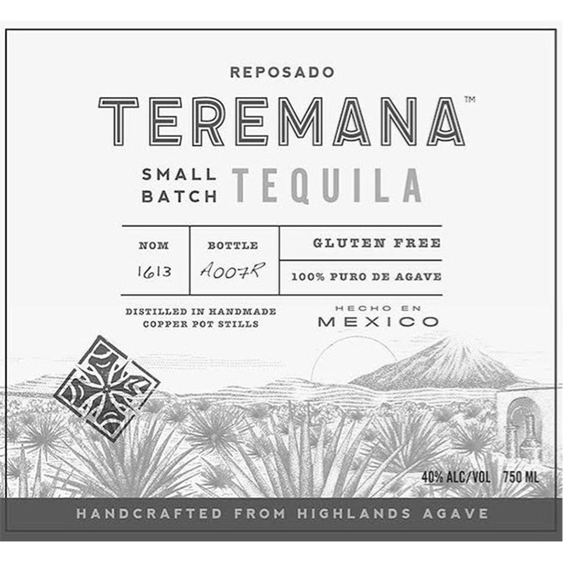
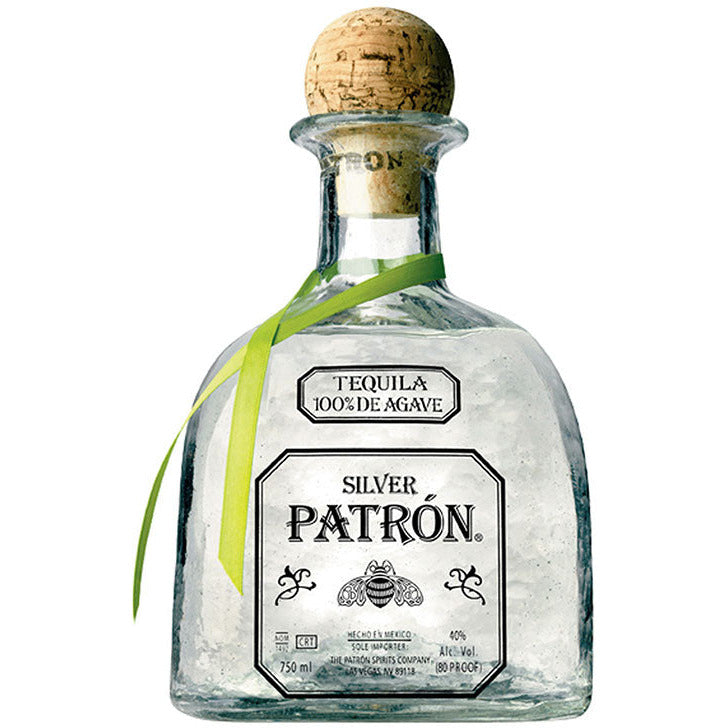
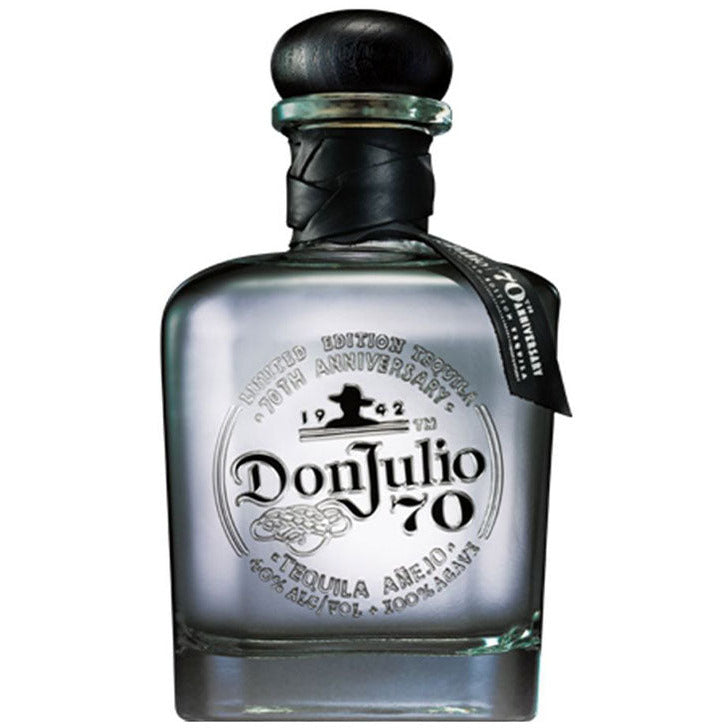
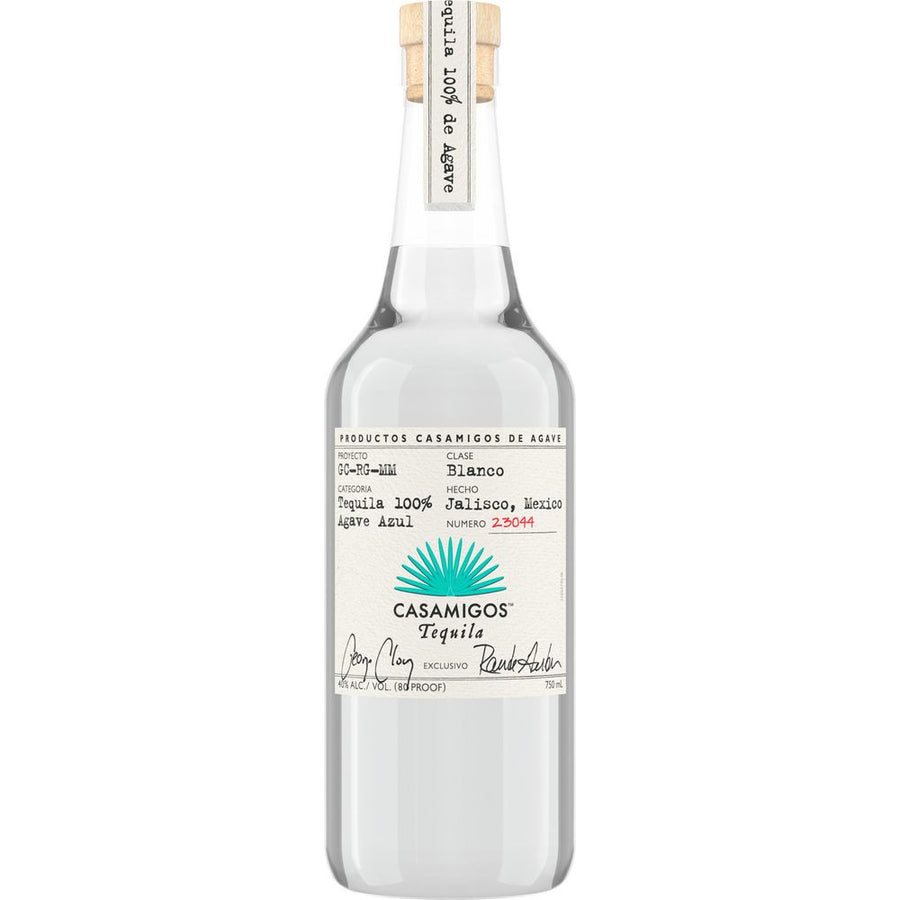
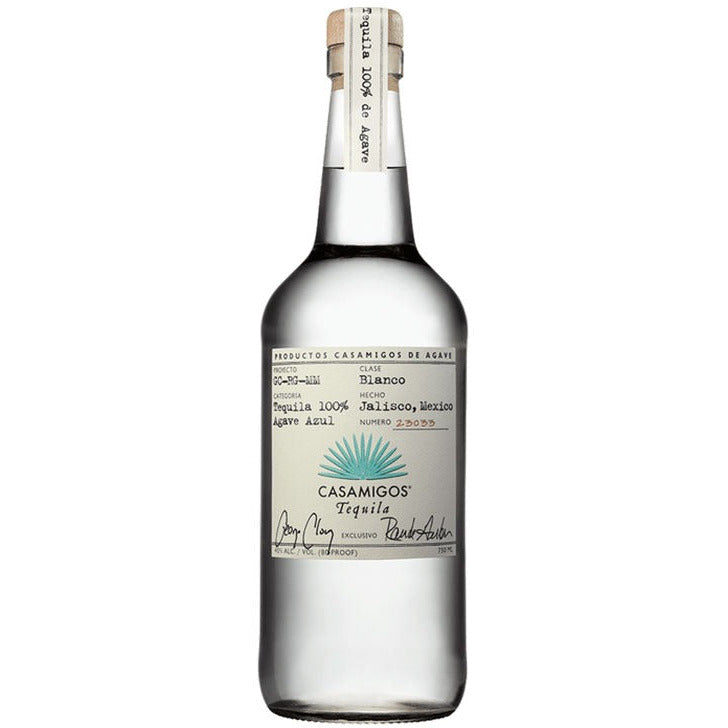
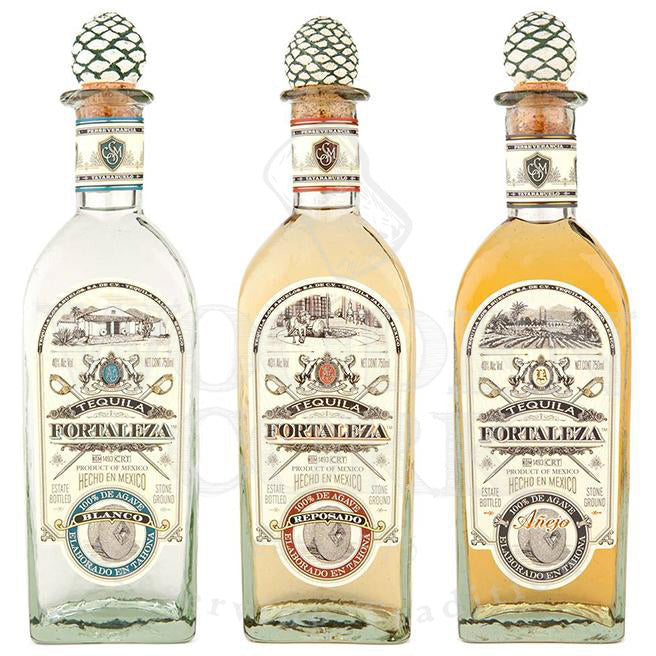
Blanco (Silver) Tequila is unaged or rested fewer than 60 days — the purest expression of blue agave, bright and vegetal with citrus and pepper, and the best style for cocktails. Reposado is aged 2–12 months in oak, adding vanilla and caramel while preserving agave character — the most versatile style for both sipping and cocktails. Añejo is aged 1–3 years in small oak barrels for a richer, more whiskey-adjacent profile. Extra Añejo — aged over 3 years — is the sipping category, approaching Cognac in complexity and price. Top brands: Clase Azul, Don Julio, Patrón, Casamigos, Teremana. For additive-free craft tequila: see the dedicated collection featuring Fortaleza, Tequila Ocho, and G4. Browse mezcal separately — made from over 30 agave varieties, typically smokier from pit-roasting. Browse all custom engraving options at Wooden Cork.
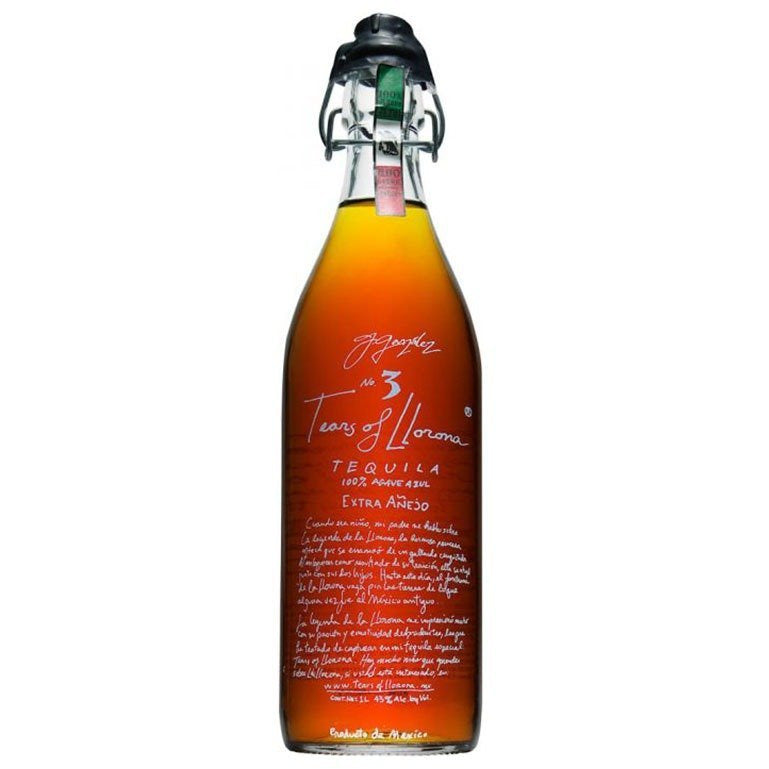
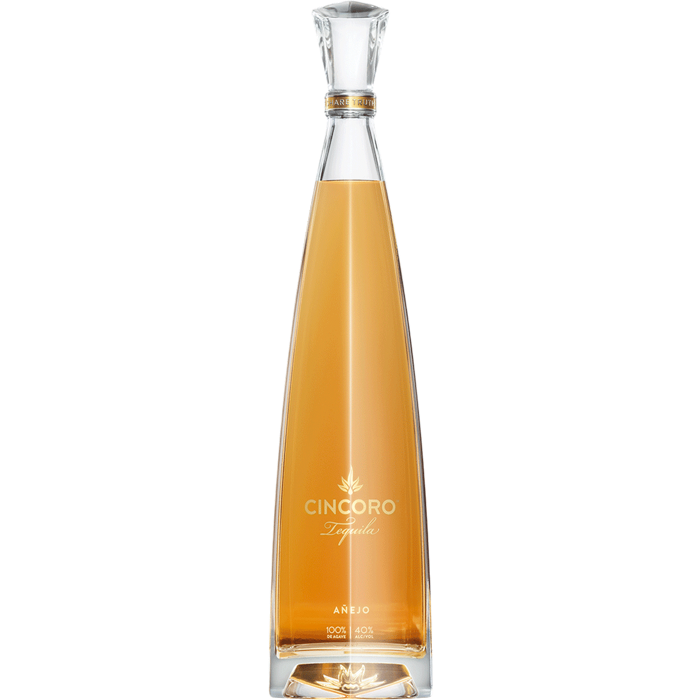
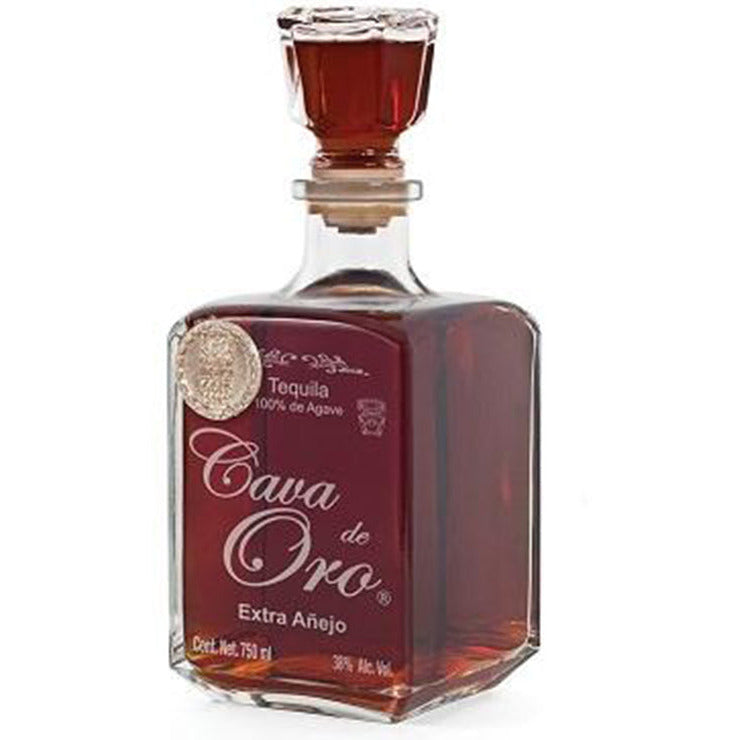
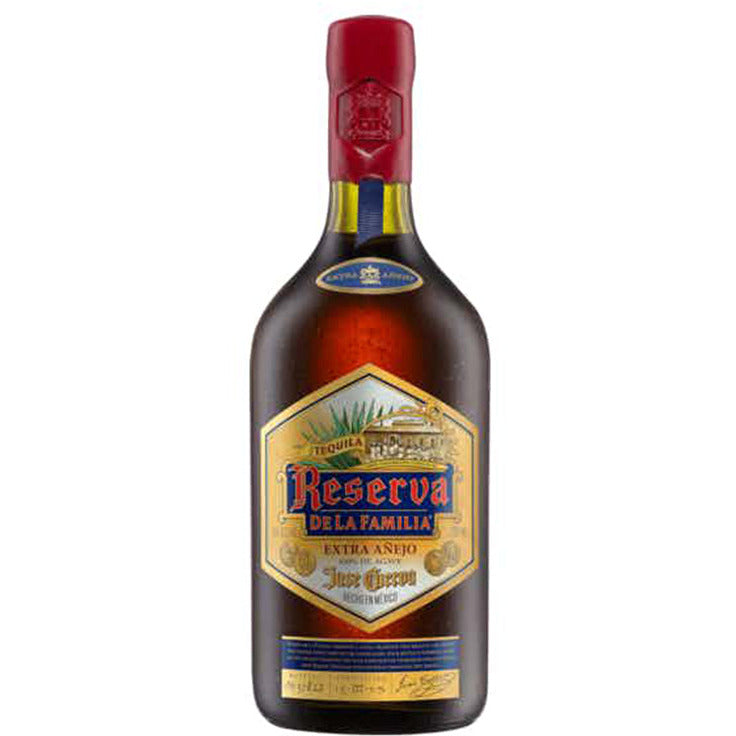
Mexican law defines four categories based on time in oak, and they produce meaningfully different spirits. Blanco (also labeled Silver or Plata) is unaged or rested up to 60 days in stainless steel — the distillate goes into the bottle with minimal intervention, making it the most transparent expression of the agave variety, growing region, and distillery’s production choices. The best blancos are extraordinarily complex; the worst are harsh. Reposado (“rested”) spends 2–12 months in oak barrels, adding vanilla, caramel, and toasted wood notes while the agave character remains prominent — the balance point between pure agave and oak-driven complexity that makes reposado the most versatile style. Añejo spends 1–3 years in barrels of no more than 600 liters, producing deeper caramel, chocolate, and spice alongside more subdued agave character. Extra Añejo exceeds 3 years and often ages in multiple cask types — the resulting spirit can be closer in character to aged Cognac or whisky than to blanco tequila. At 6–10 years, the most ambitious extra añejos (Tears of Llorona, Rey Sol, Clase Azul Ultra) have almost entirely traded the vegetal agave freshness for wood-derived complexity.
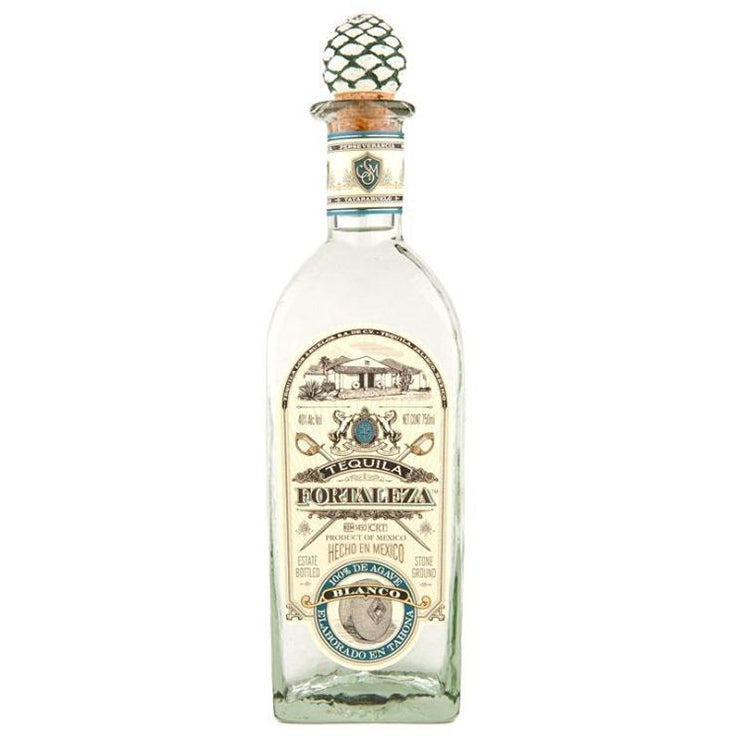
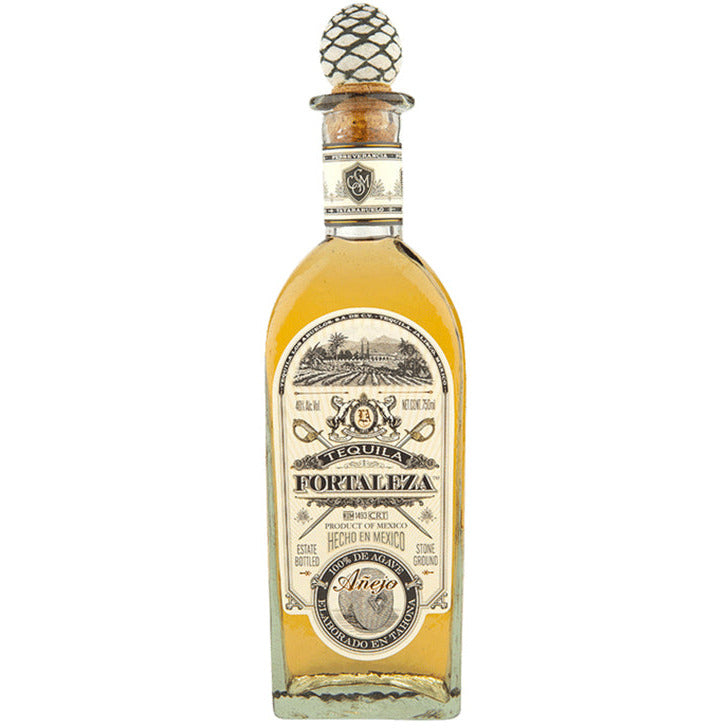
Under Mexican NOM regulations, tequila producers are permitted to add up to 1% of the final product’s weight in four approved additives without disclosing them on the label: caramel coloring (for consistent visual appearance), oak extract (to simulate aging character in younger spirits), glycerin (to add perceived texture and smoothness), and sugar-based syrup (to add sweetness). These additives are legal and widely used — including by major mainstream brands — but they allow producers to mask the actual character of the raw agave and distillation quality. An additive-free tequila expresses only what the agave, fermentation, and distillation produced, without supplementation. The difference is most noticeable in blanco tequila, where additives like glycerin and syrup can make a lower-quality distillate taste smooth and sweet in ways the actual spirit would not. Brands like Fortaleza, Tequila Ocho, G4, Tapatio, and El Tesoro have been independently verified as additive-free through third-party testing. For drinkers who want to understand what a distillery actually produces, an additive-free expression is the only honest window.
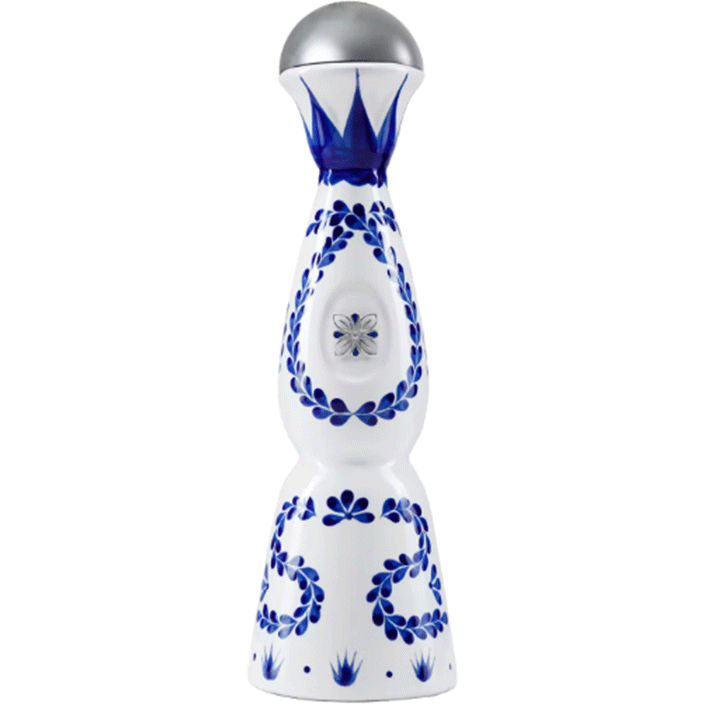
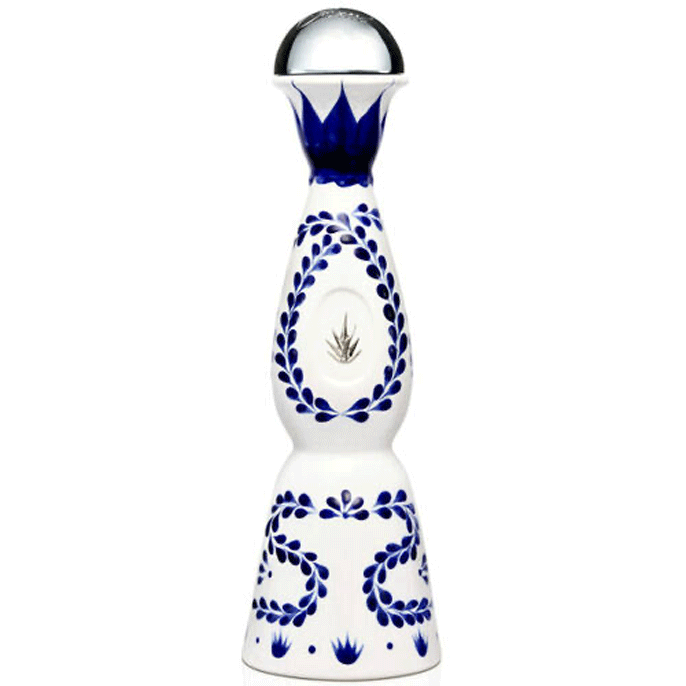
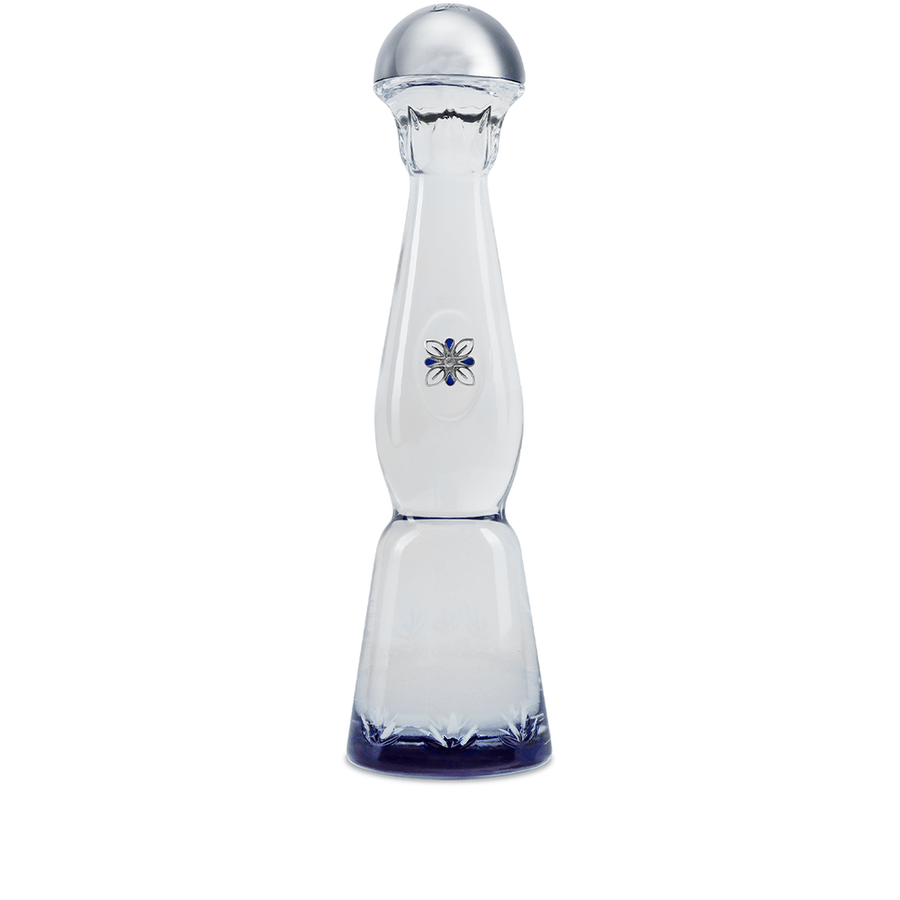
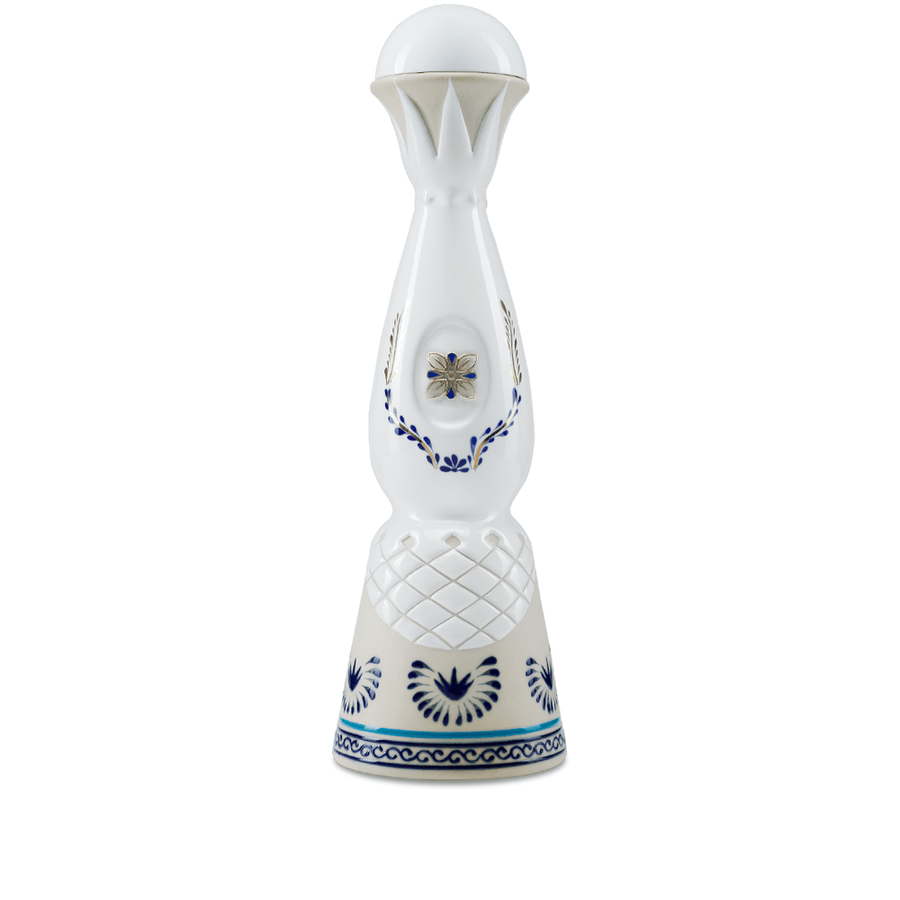
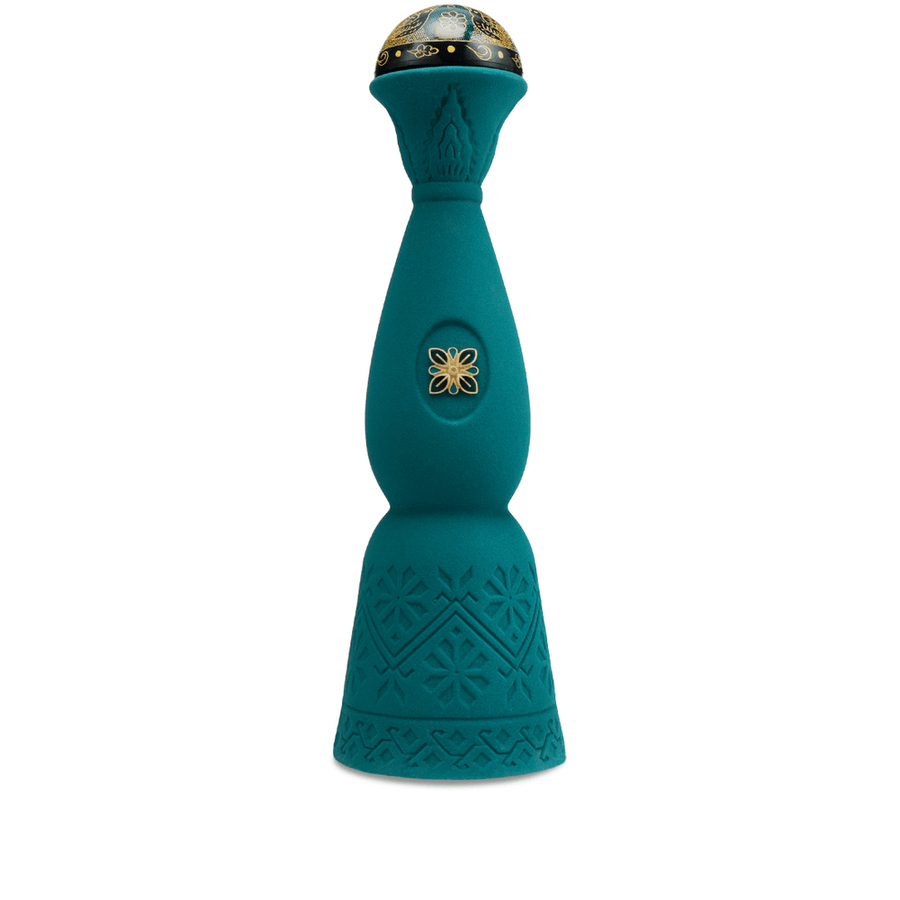
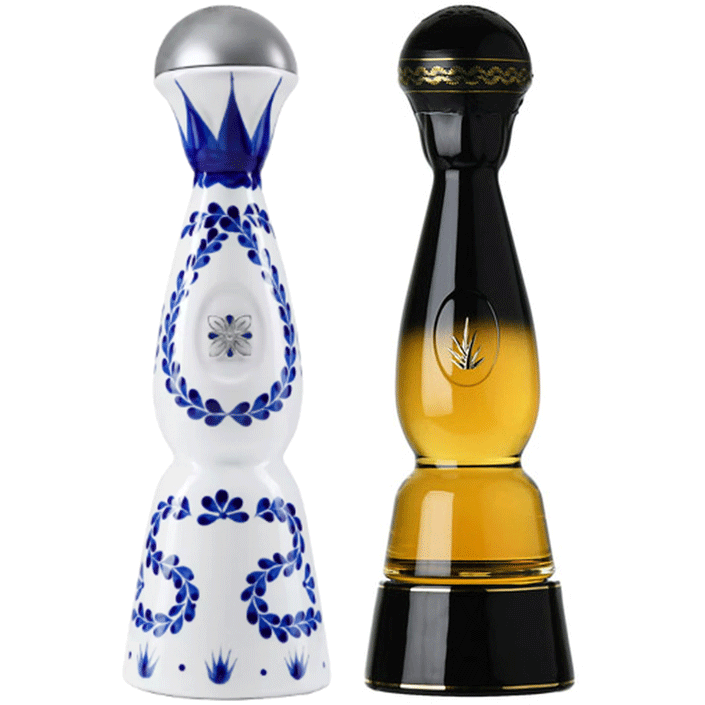
Clase Azul Reposado is expensive for three distinct reasons that compound on each other. First, the agave: Clase Azul sources 100% organic Blue Weber tequilana agave, which has higher production costs than conventionally grown agave. Second, the aging: 8 months in American whiskey barrels is substantially longer than the legal minimum of 2 months for reposado, requiring more barrel inventory and warehouse time. Third, the decanter: each hand-painted ceramic bottle is produced by a cooperative of artisan painters in Santa María Canchesda, Guerrero — a community Clase Azul has partnered with since the brand’s founding. The decanter is not mass-produced injection-molded ceramic; it is individually wheel-thrown, painted by hand, and inspected before filling. The labor and production cost of the bottle itself is a meaningful fraction of the retail price. The ultra-premium expressions (Añejo Indigo, Gold, Ultra) add extended aging in specific cask types on top of this base. Whether the premium is worth it is a personal judgment, but the components of that premium are real and documented rather than purely aspirational branding.