Scotch Whisky
840 products


840 products
Scotland produces the world’s most diverse range of whisky styles across five legally defined regions — from Speyside’s fruit-forward elegance to Islay’s heavily peated coastal smoke. Wooden Cork carries single malts, blended Scotch, and peated expressions from every region, shipped nationwide with adult-signature delivery.
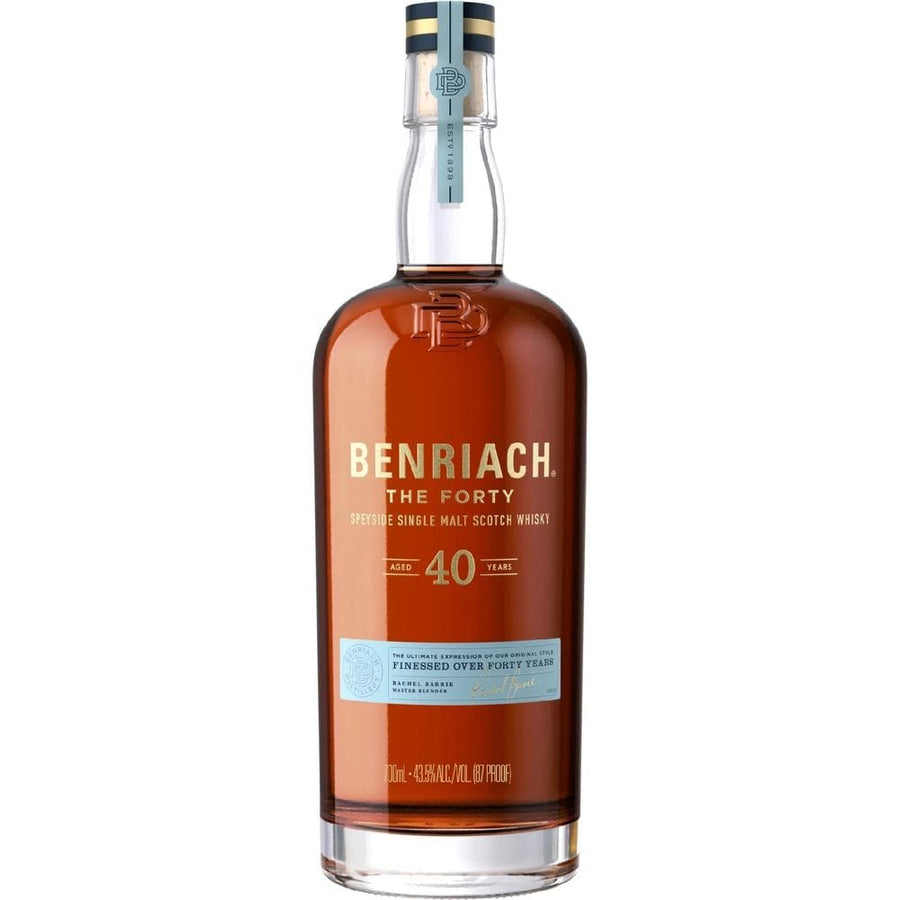
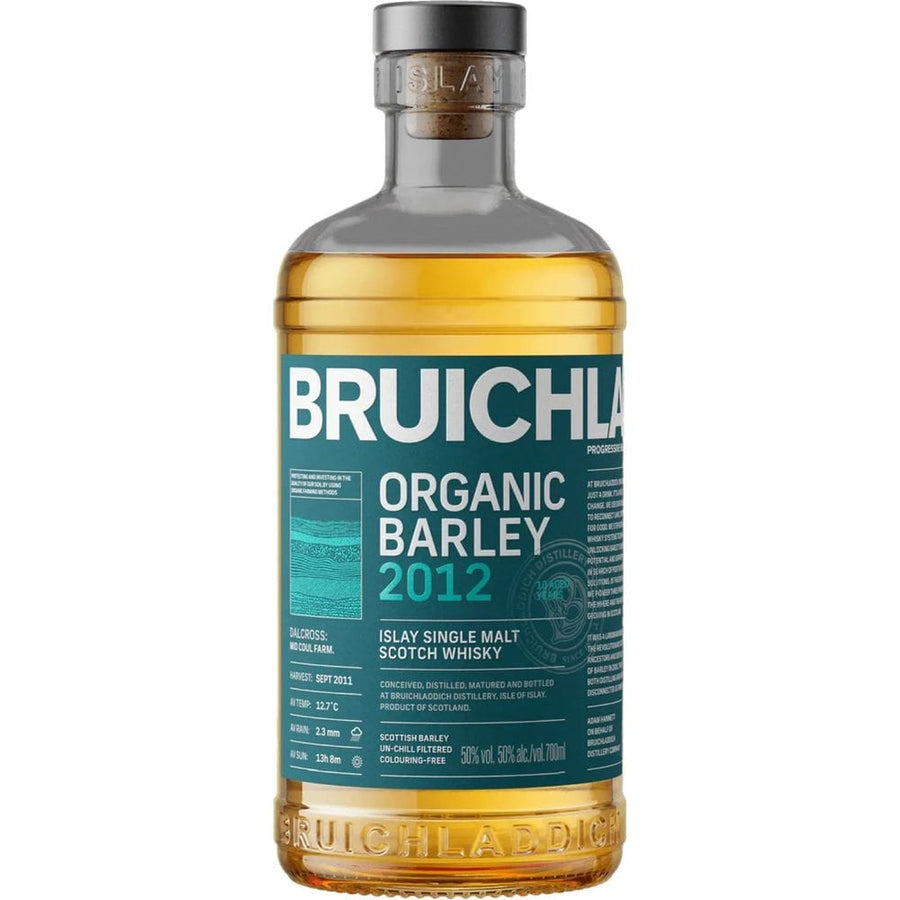
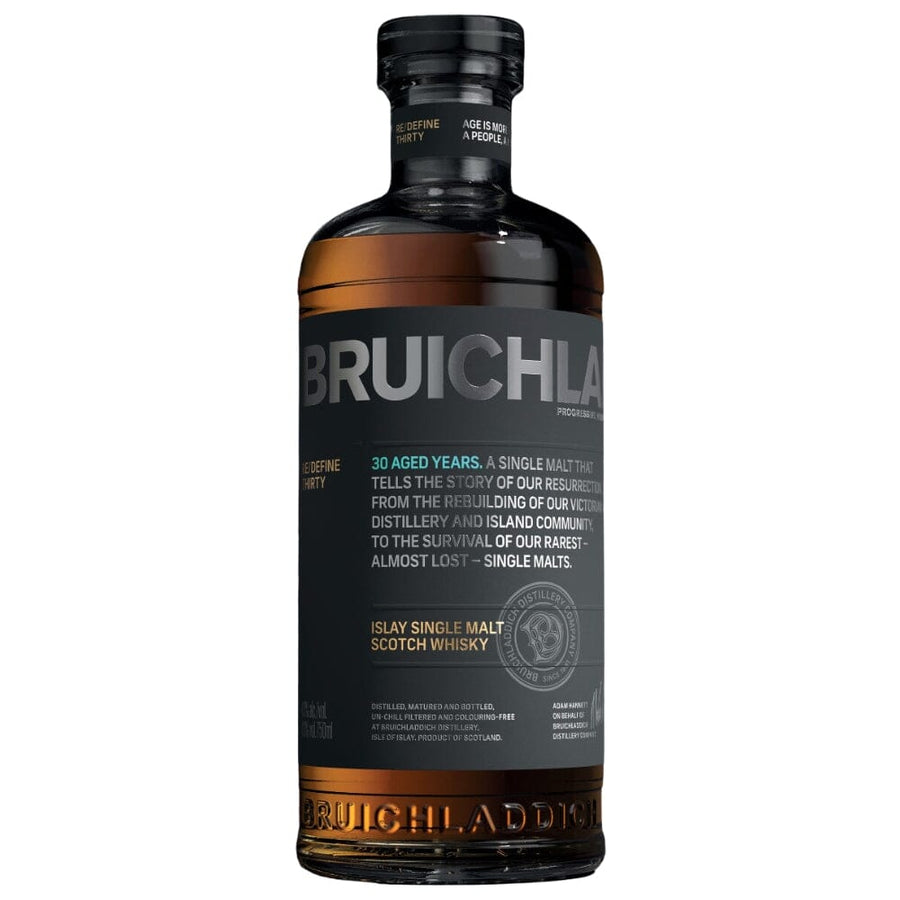
Speyside is home to more distilleries than any other Scottish region — fruit-forward, approachable single malts including The Macallan (the global benchmark for Sherry cask Scotch), Glenfiddich (the world’s best-selling single malt), The Balvenie, Glenlivet, and Aberlour. Islay produces the most heavily peated whiskies in the world: Laphroaig, Ardbeg, and Lagavulin are the iconic trio; Bowmore and Bruichladdich offer more restrained coastal character. The Highlands — Scotland’s largest region — produce diverse styles from the fruity, honeyed Glenmorangie to the rich sherried Dalmore; Highland Park from Orkney is one of the most complete whiskies in Scotland. The Lowlands produce light, floral, delicate whiskies (Auchentoshan, Glenkinchie); Campbeltown — once the whisky capital of the world — produces briny, complex malts from Springbank and Glen Scotia. Blended Scotch accounts for over 90% of all Scotch sales globally: Johnnie Walker, Chivas Regal, Dewar’s, Famous Grouse, and Monkey Shoulder are the leading expressions.
Browse all whiskey and rare and allocated bottles at Wooden Cork.
Single malt Scotch whisky has a precise legal definition under UK law: it must be produced at a single distillery in Scotland, made entirely from malted barley, distilled in pot stills, aged a minimum of three years in oak casks in Scotland, and bottled at a minimum of 40% ABV. The “single” in single malt refers to the distillery, not a single barrel — most single malts are a blend of many casks from the same distillery, selected and combined to produce a consistent house style. The legal significance is that a single malt’s flavor must come entirely from the malted barley distillate and oak aging at one location — the distillery cannot blend in spirit from elsewhere to reduce cost or smooth out variation. This constraint is why different distilleries taste so different even with the same ingredients: the shape of the pot still, the water source, the local climate’s effect on aging, and the cask selection program are the only variables the distiller can manipulate, producing genuinely distinct house characters that reflect a specific place and production philosophy rather than a blended formula.
The regional character differences in Scotch whisky reflect a combination of historical production practices, local ingredient sourcing, and climate — not an inherent property of geography. Speyside’s character comes primarily from its distilleries’ collective preference for lighter, fruitier pot still shapes and extensive use of ex-Sherry casks, producing the elegant, fruit-forward style associated with the region. Islay’s smoke comes from using peat to dry the malted barley — the island’s peat bogs have a particular coastal and phenolic character from millennia of compressed seaweed and heather that differs chemically from mainland peat, giving Islay smoke its distinctive medicinal and iodine quality. Campbeltown’s briny, slightly sulfurous character reflects both the coastal location and the production heritage of its surviving distilleries, particularly Springbank’s commitment to traditional floor maltings, worm tub condensers, and minimal chill filtration. Highlands encompasses such a large area that no single regional character applies — what unites Highland malts is the absence of heavy peat and the diversity of expression. The practical implication for buyers: regional labeling is a starting point, not a guarantee. A heavily Sherried Speyside (Macallan, Aberlour) tastes more similar to a Sherried Highland (Dalmore, GlenDronach) than it does to a lightly-peated Speyside (Glenlivet).