Luxury Tequila
209 products


209 products
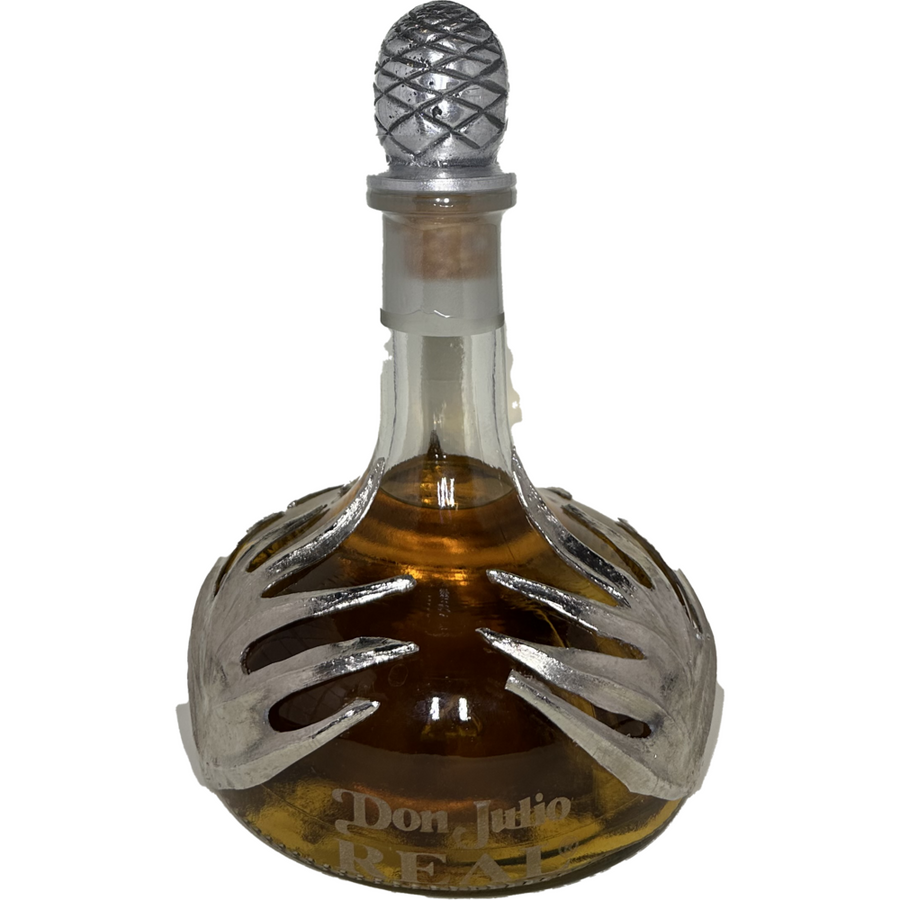
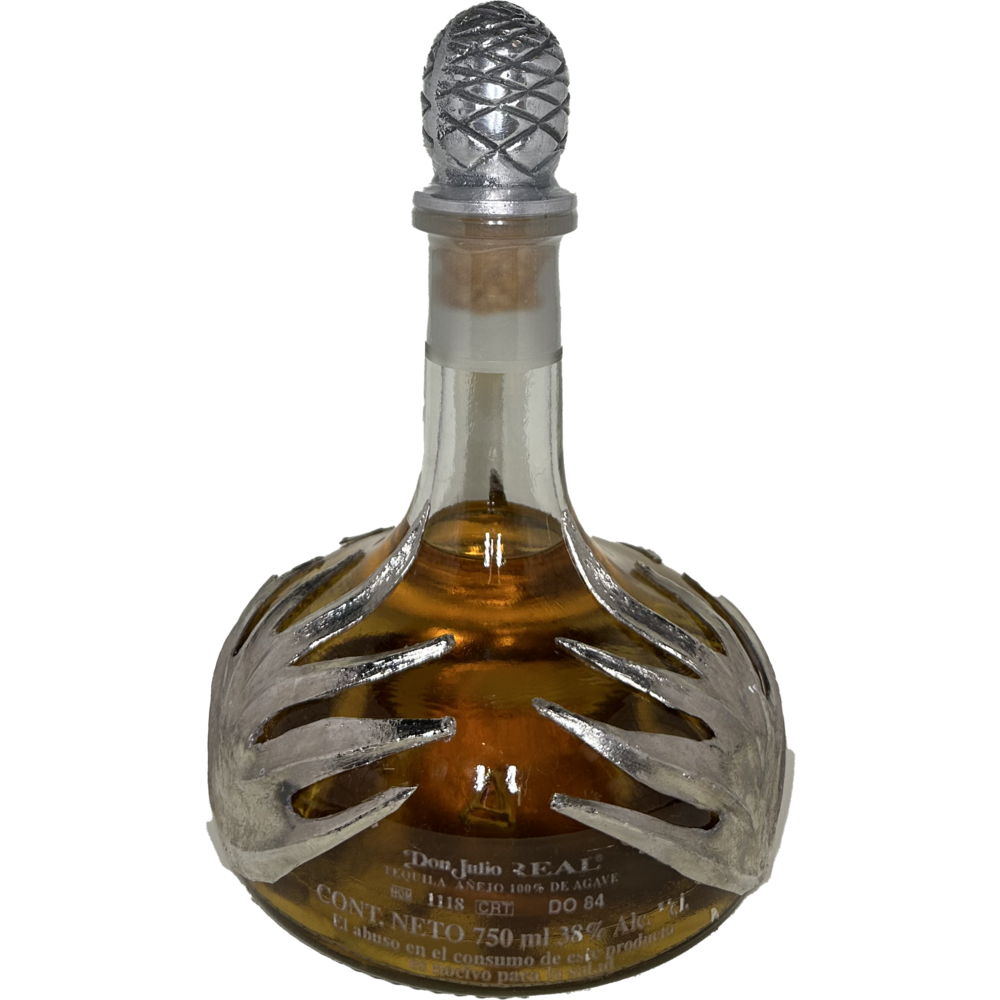
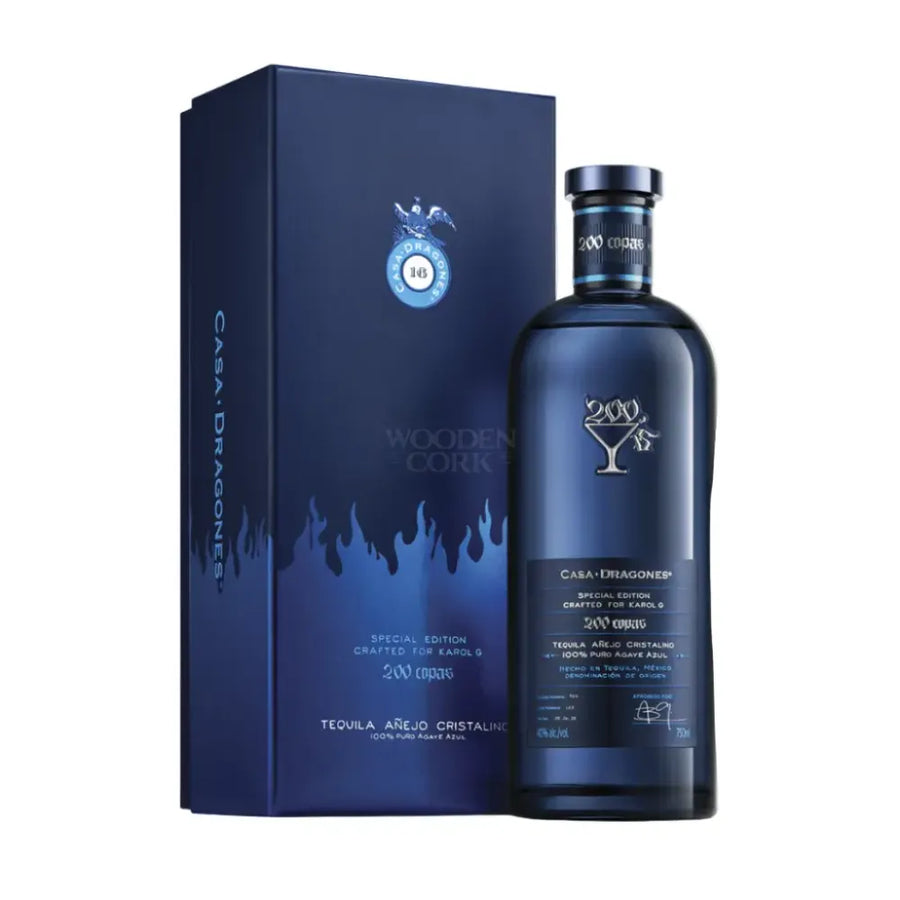
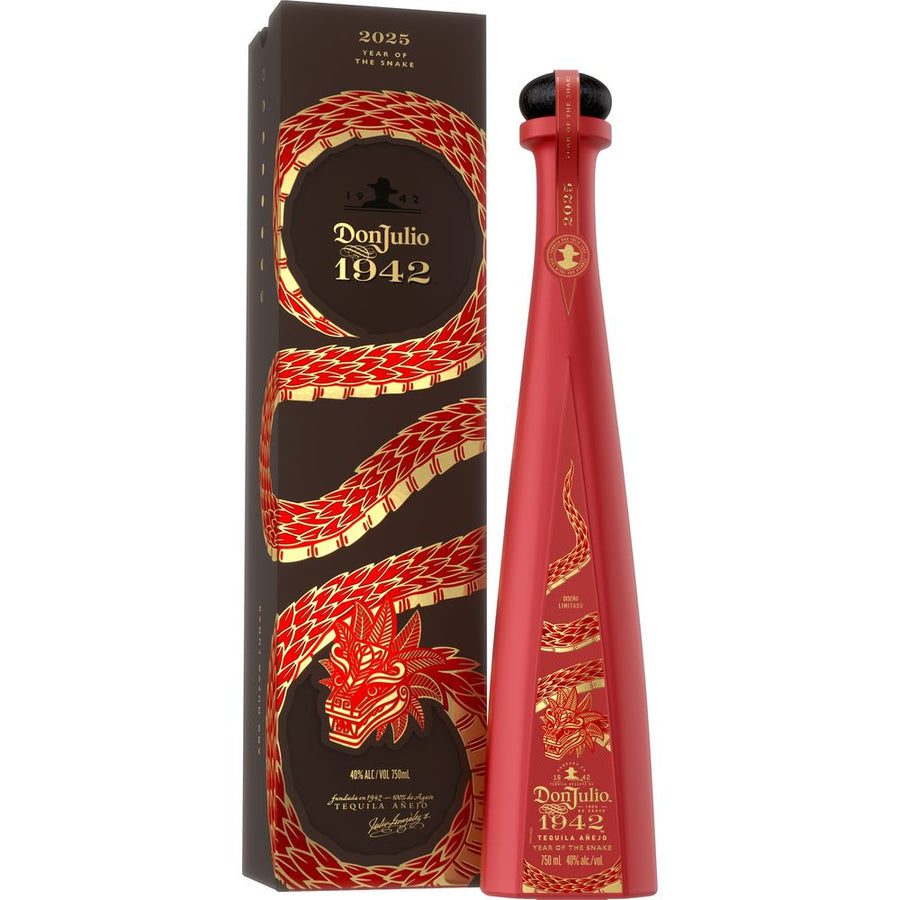
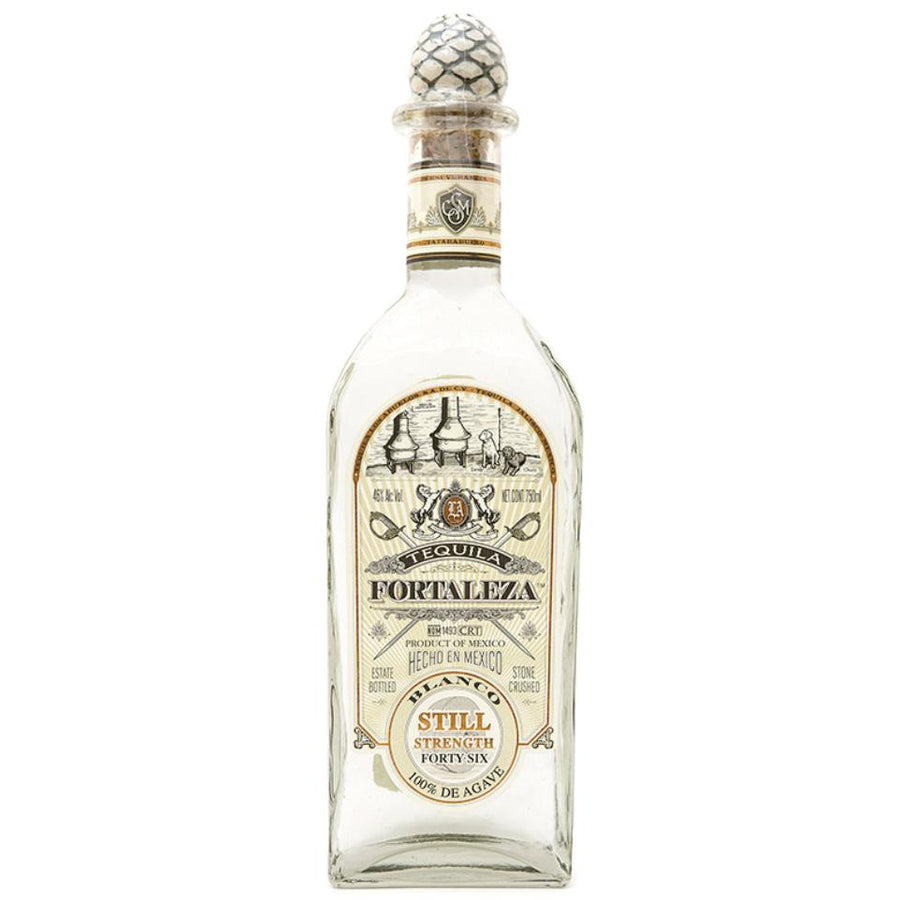
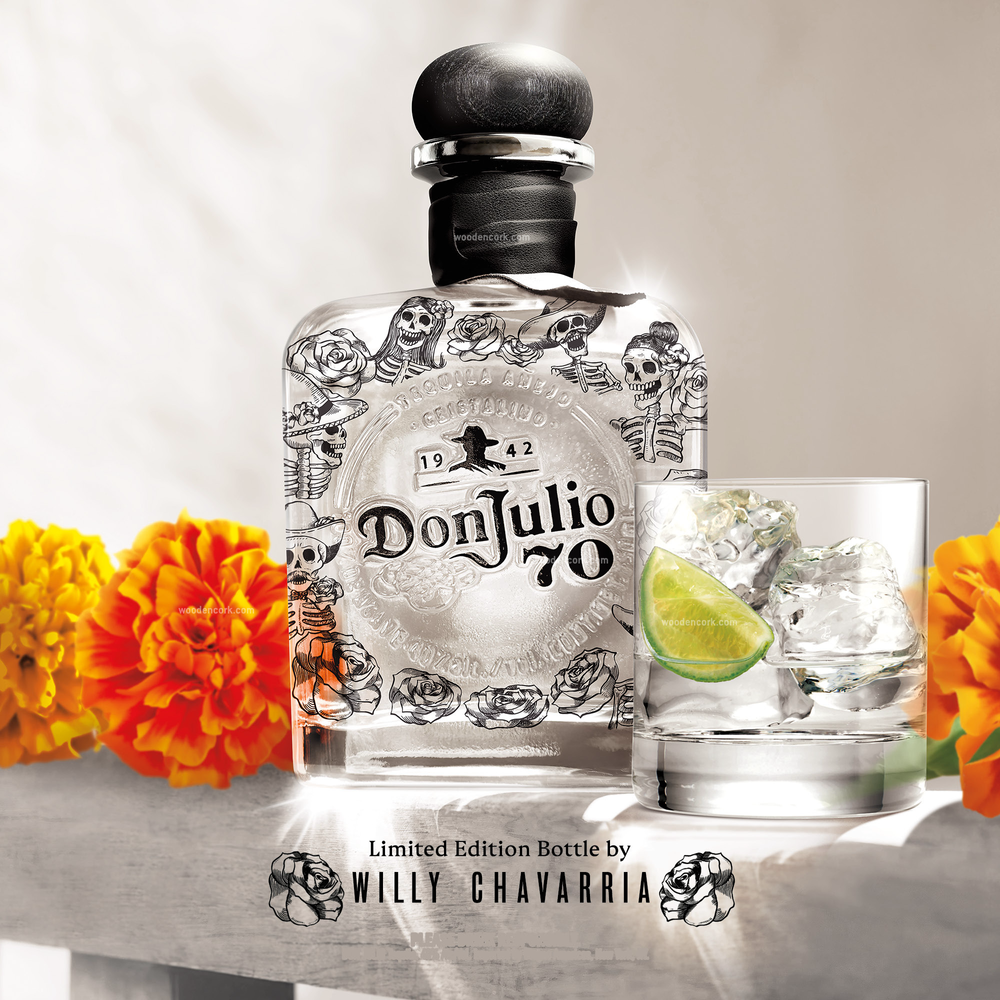
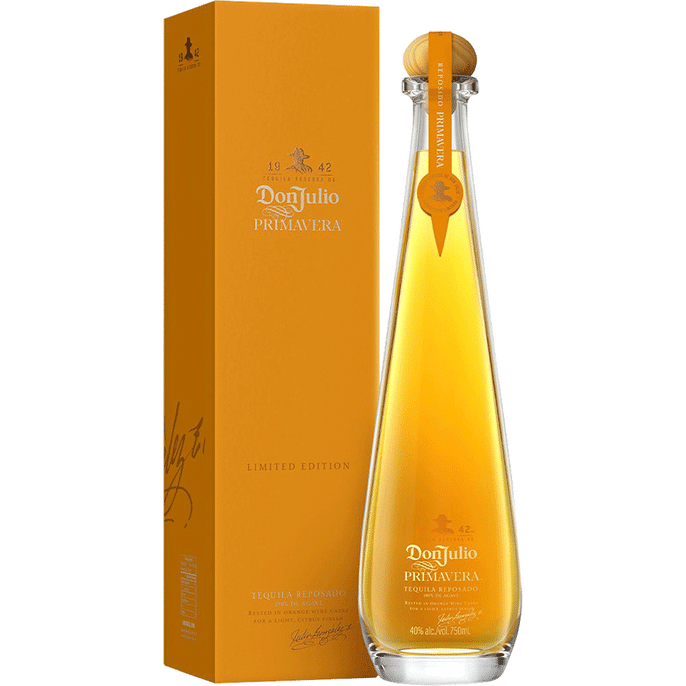
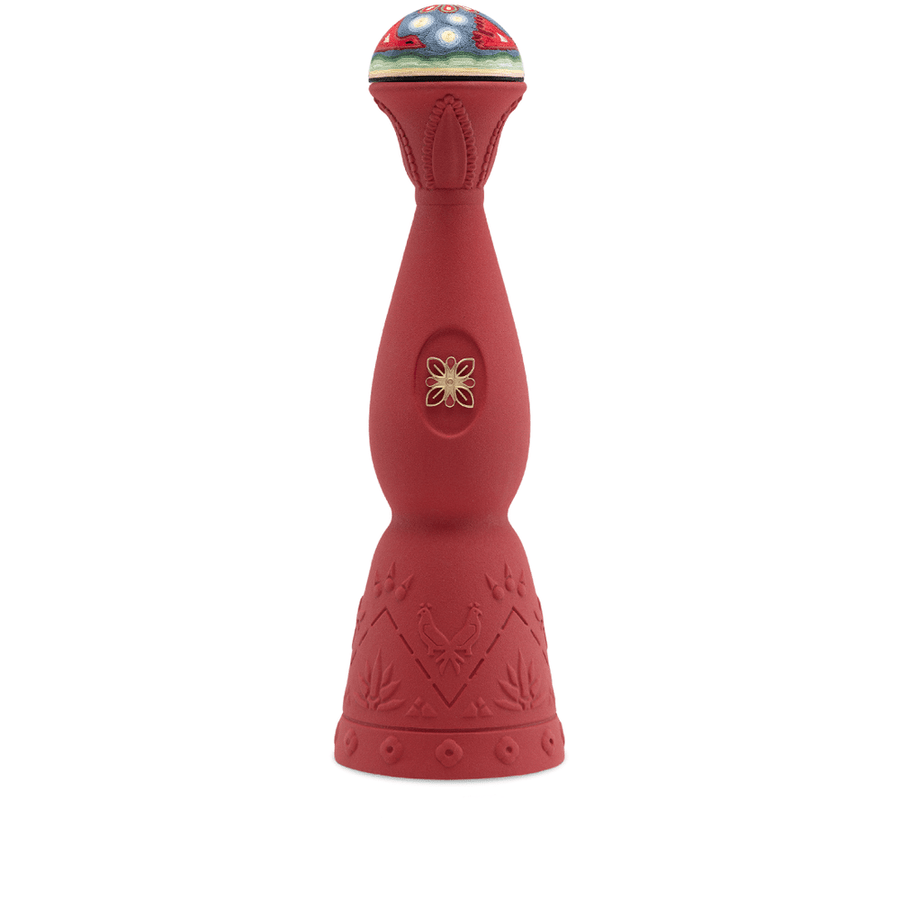
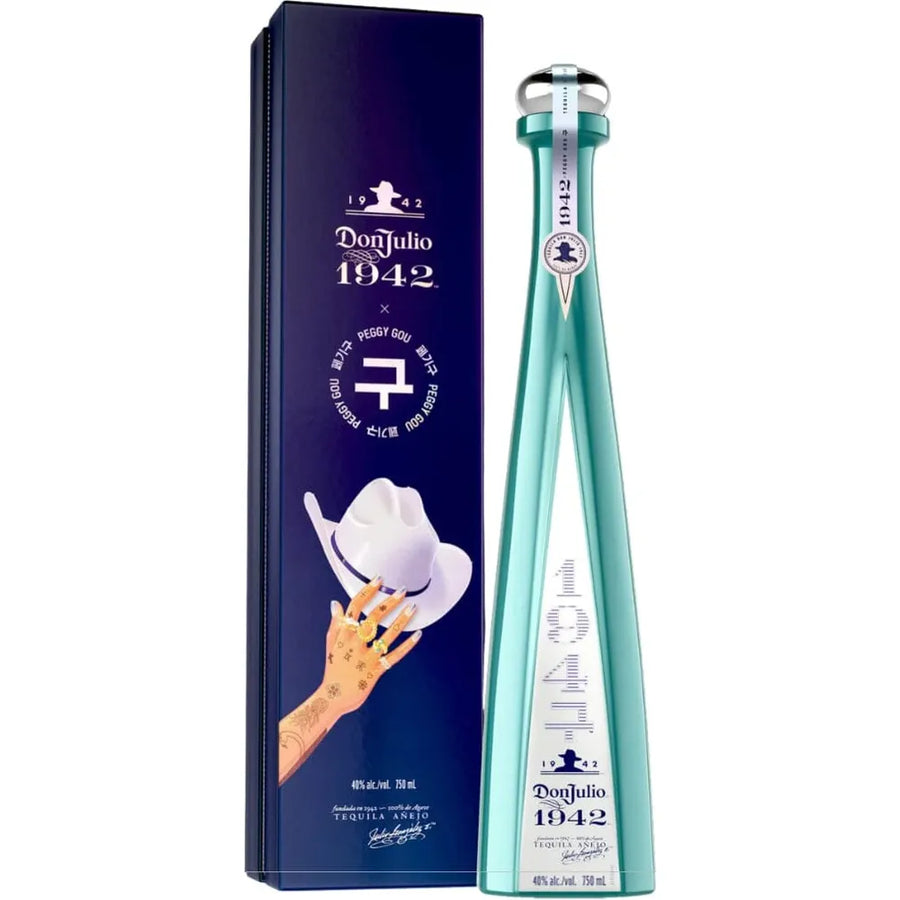
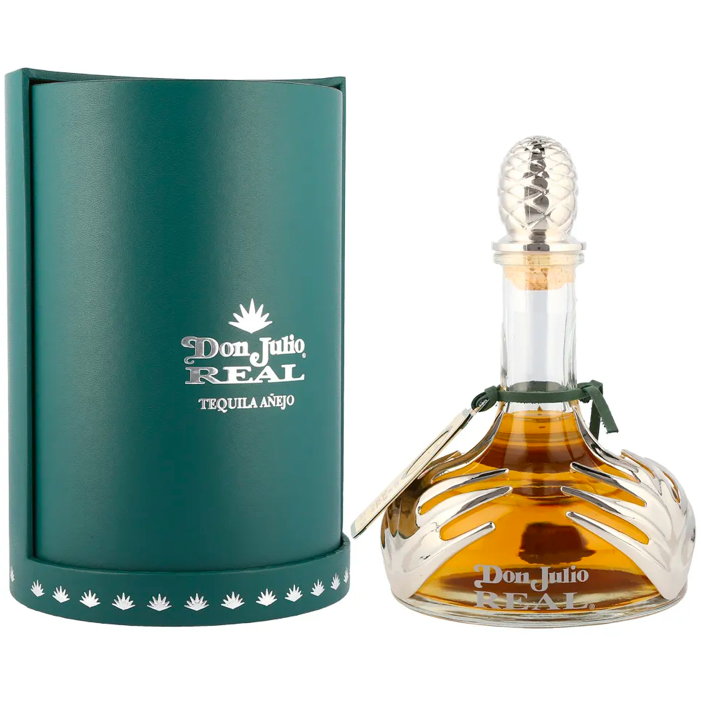
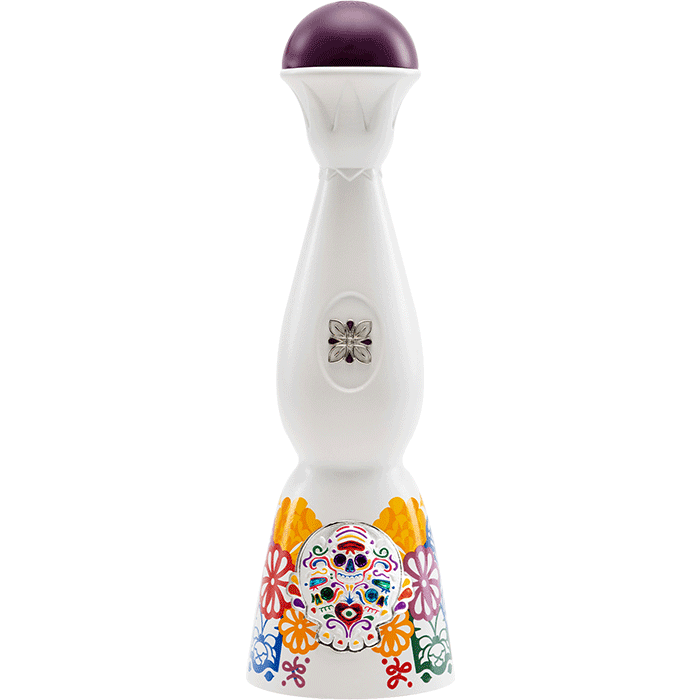
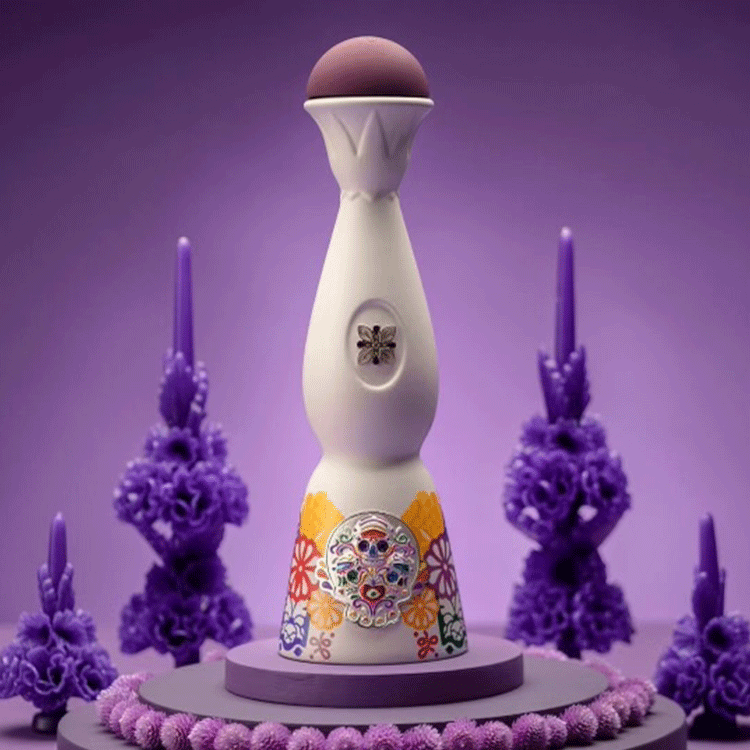
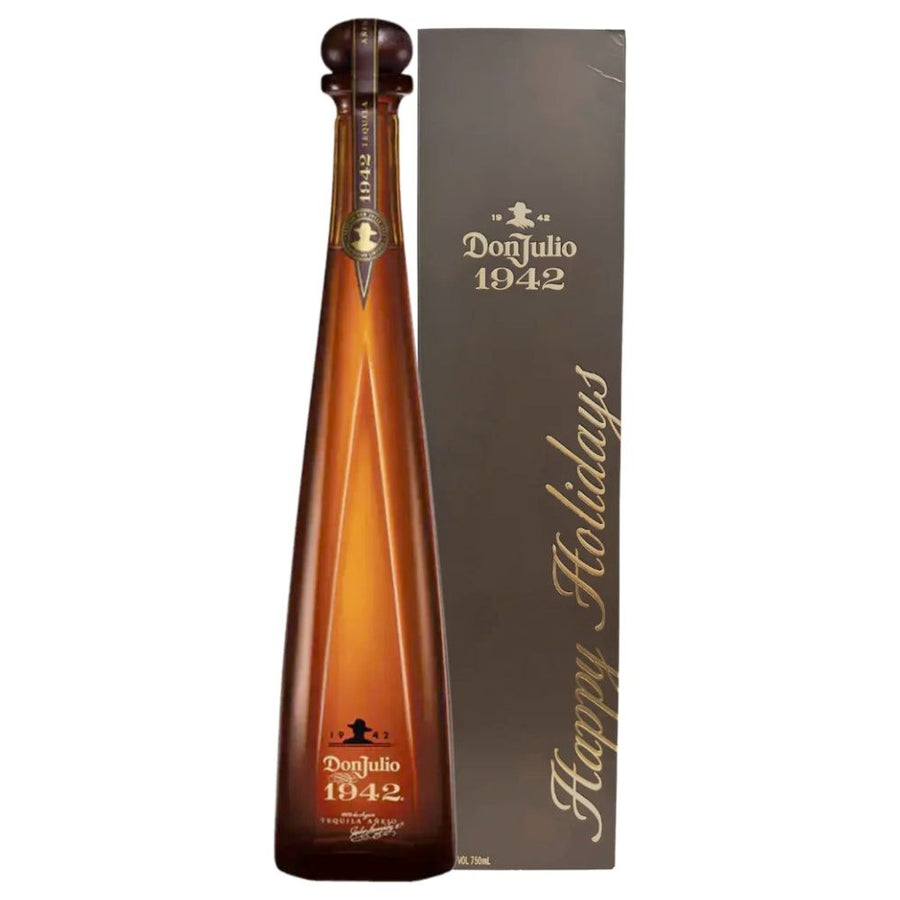
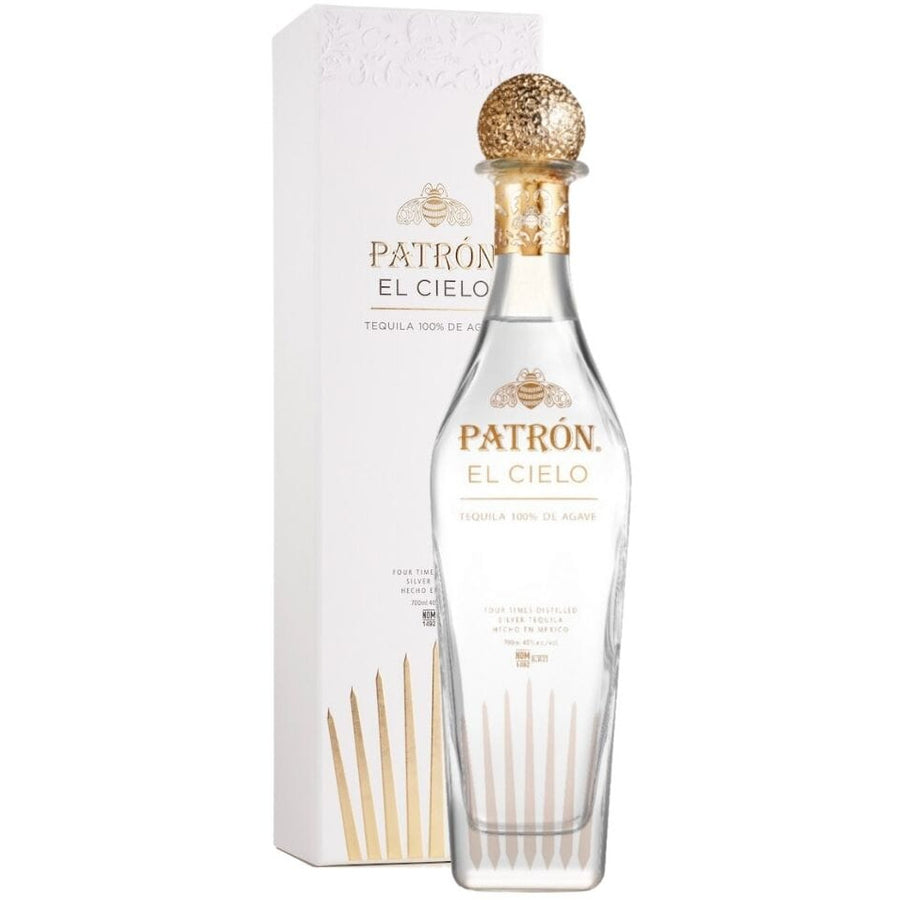
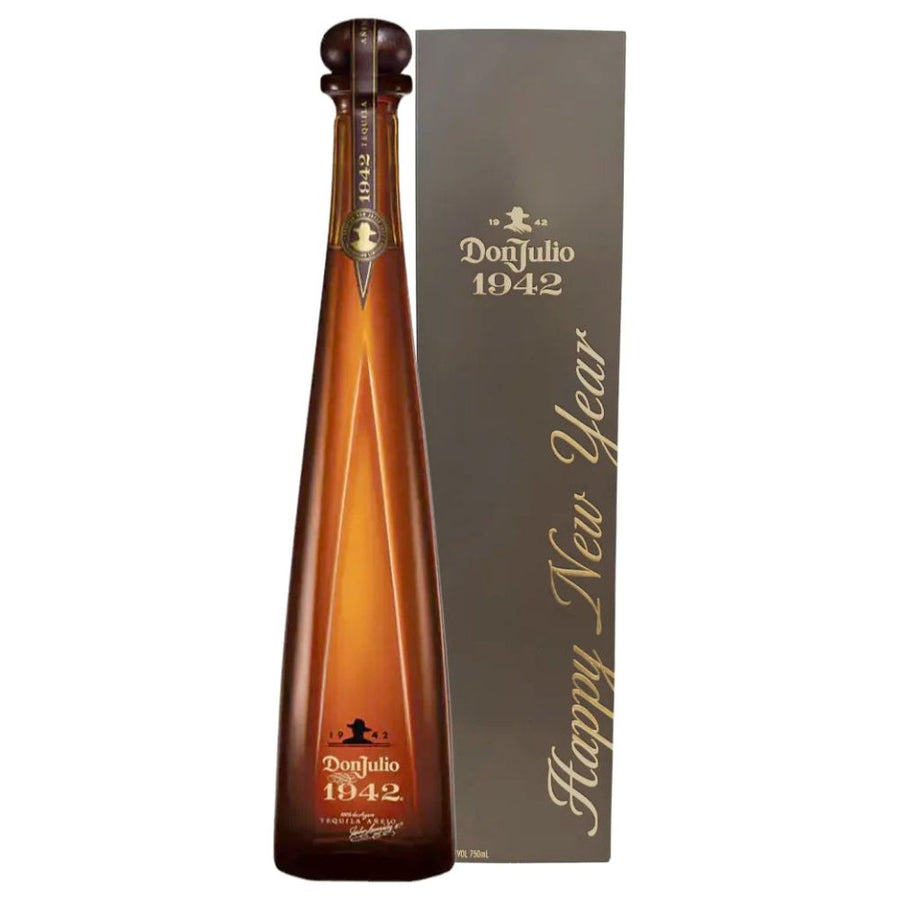
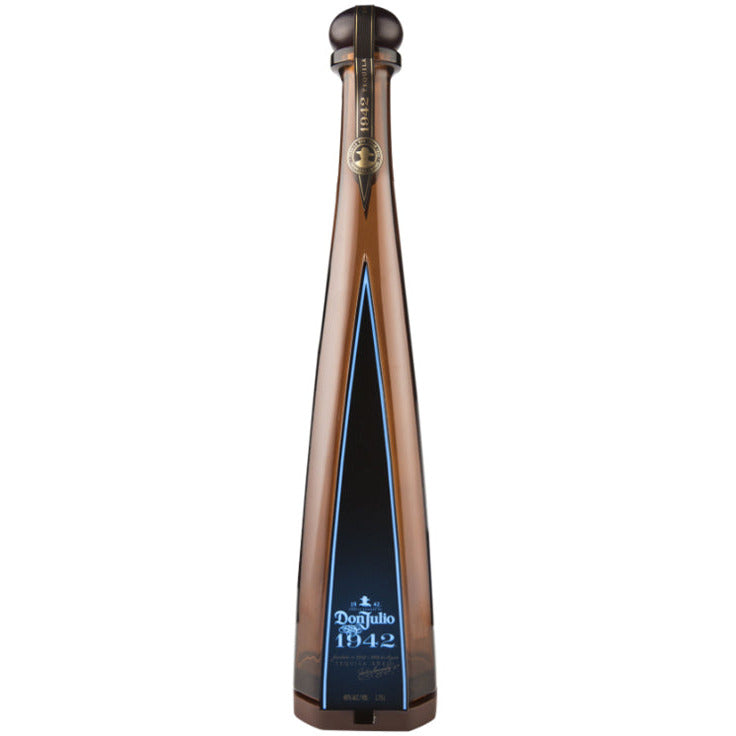
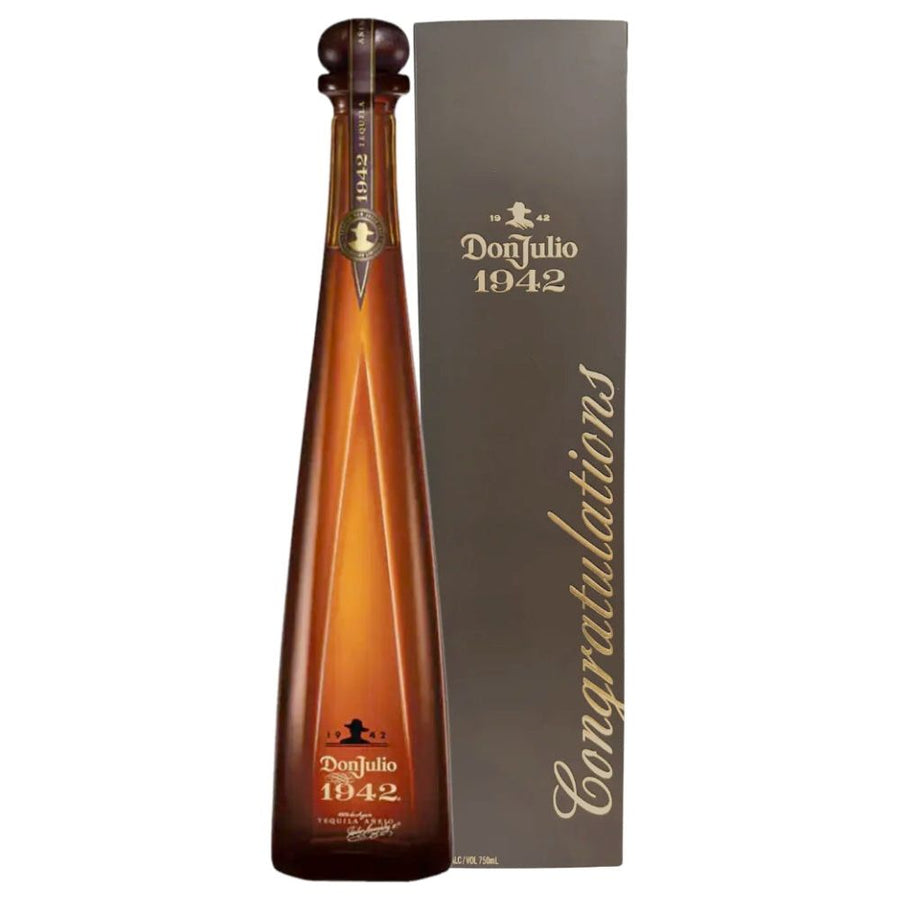
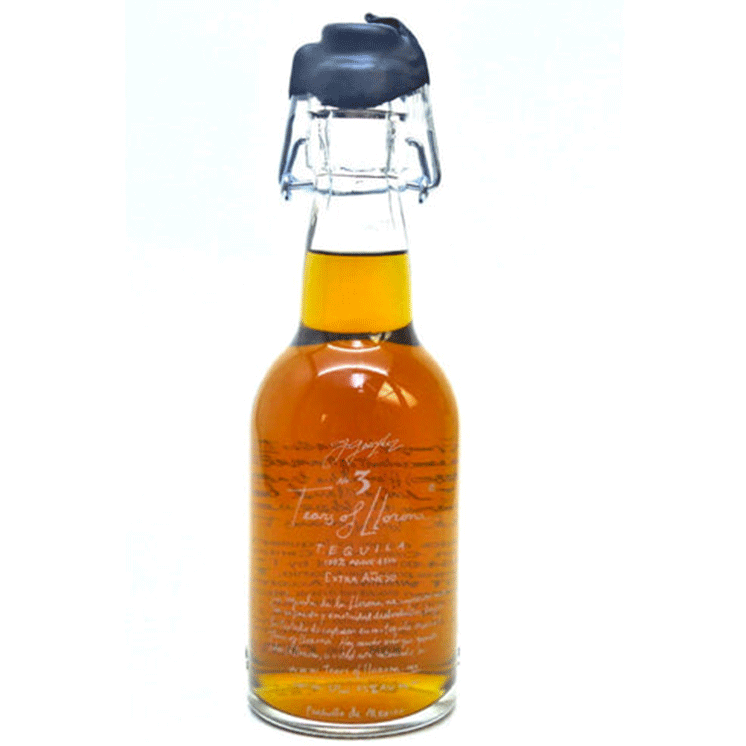
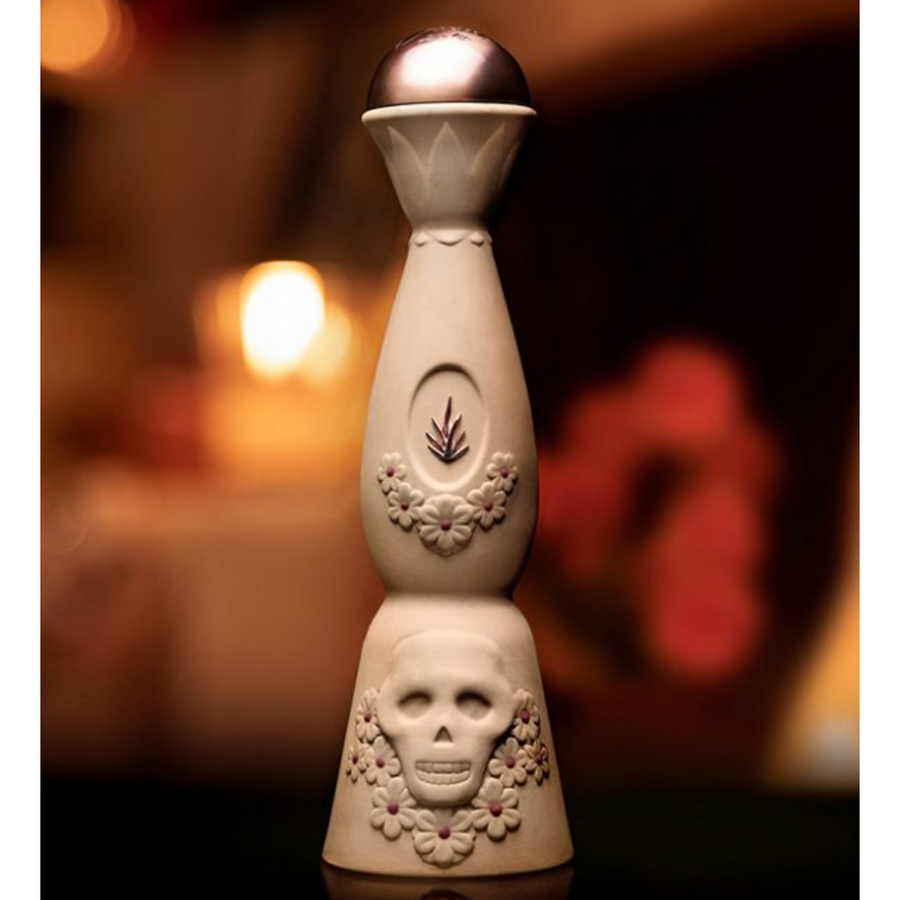
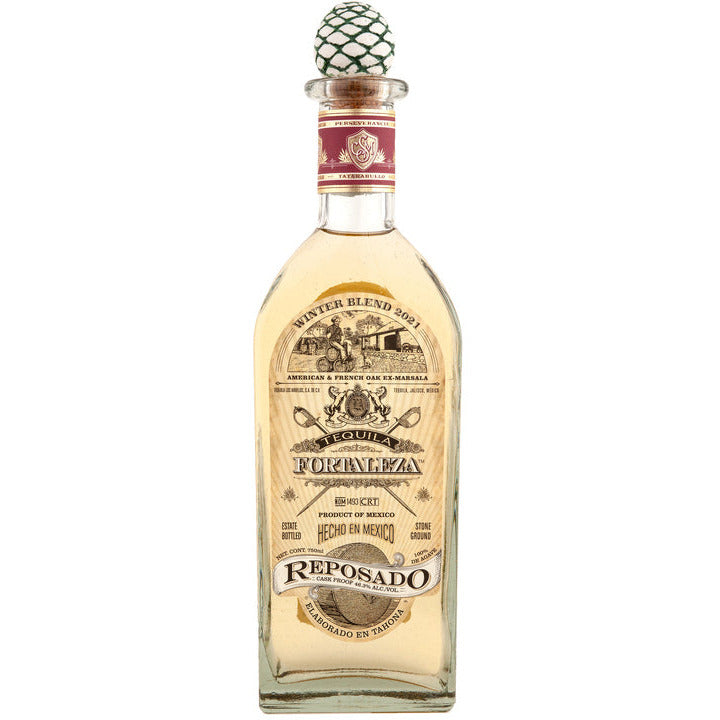
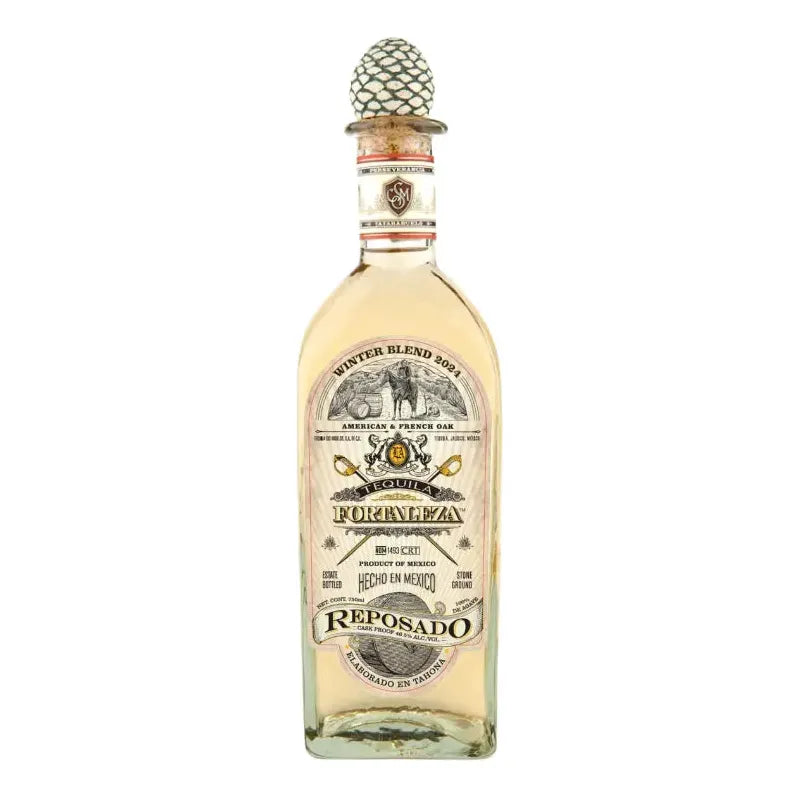
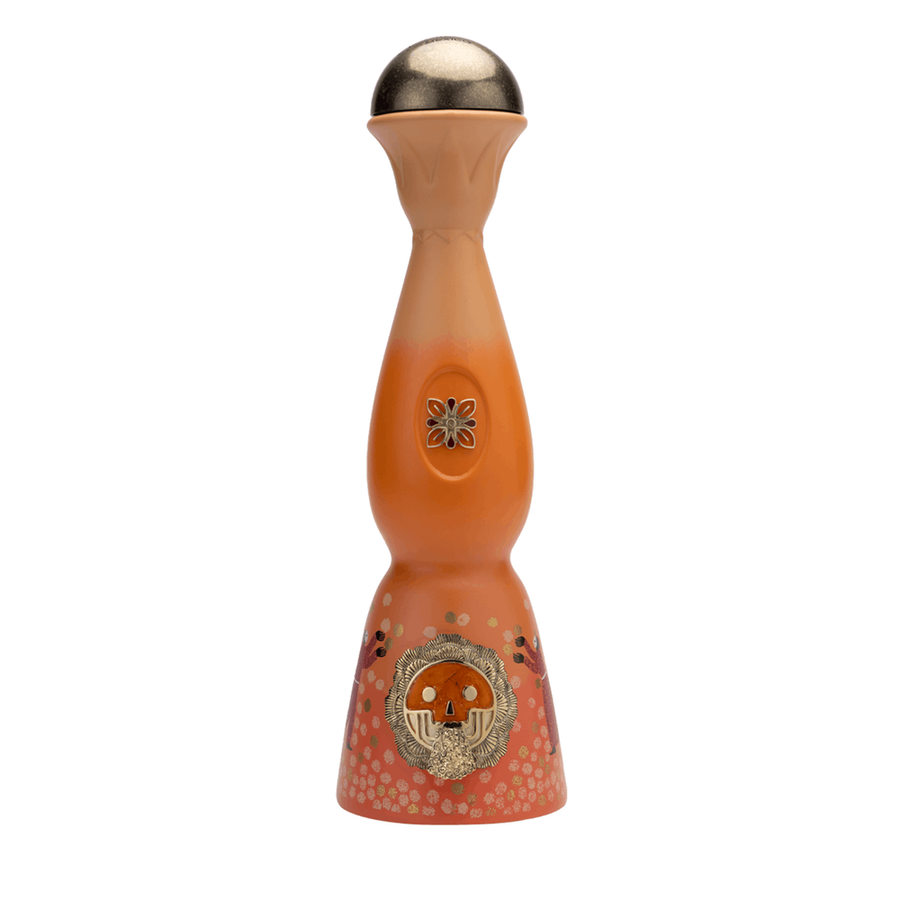
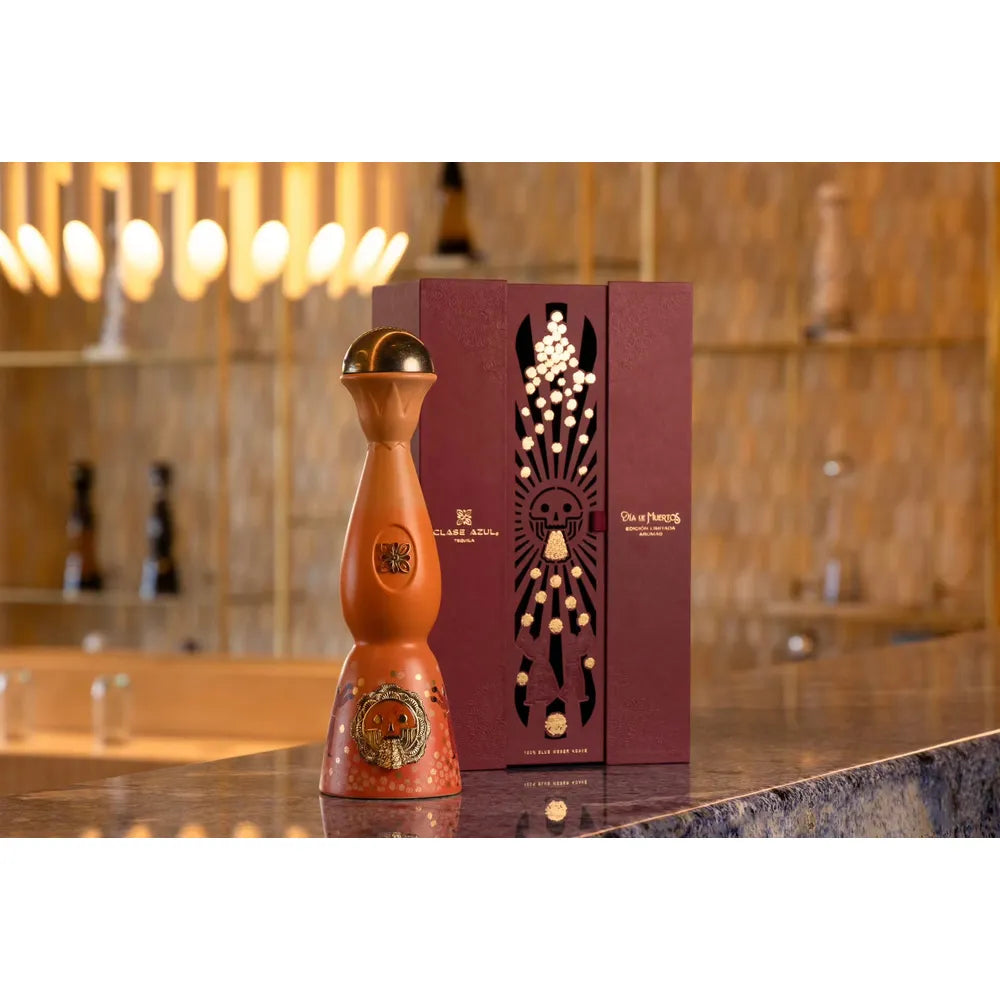
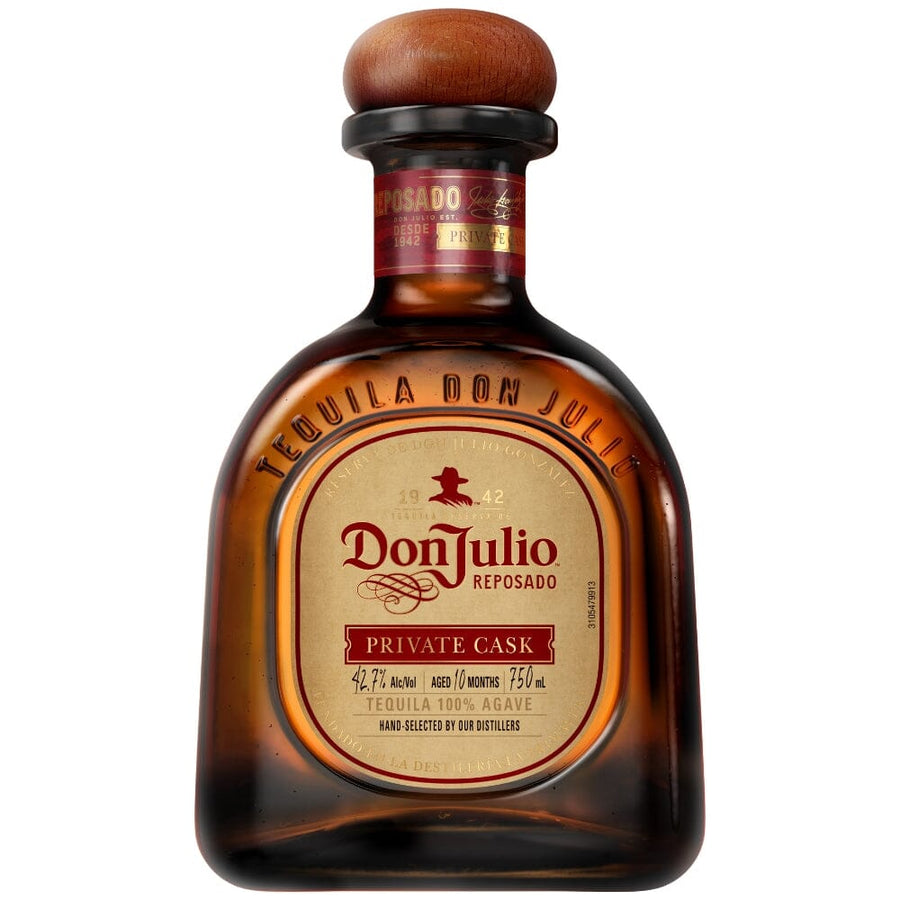
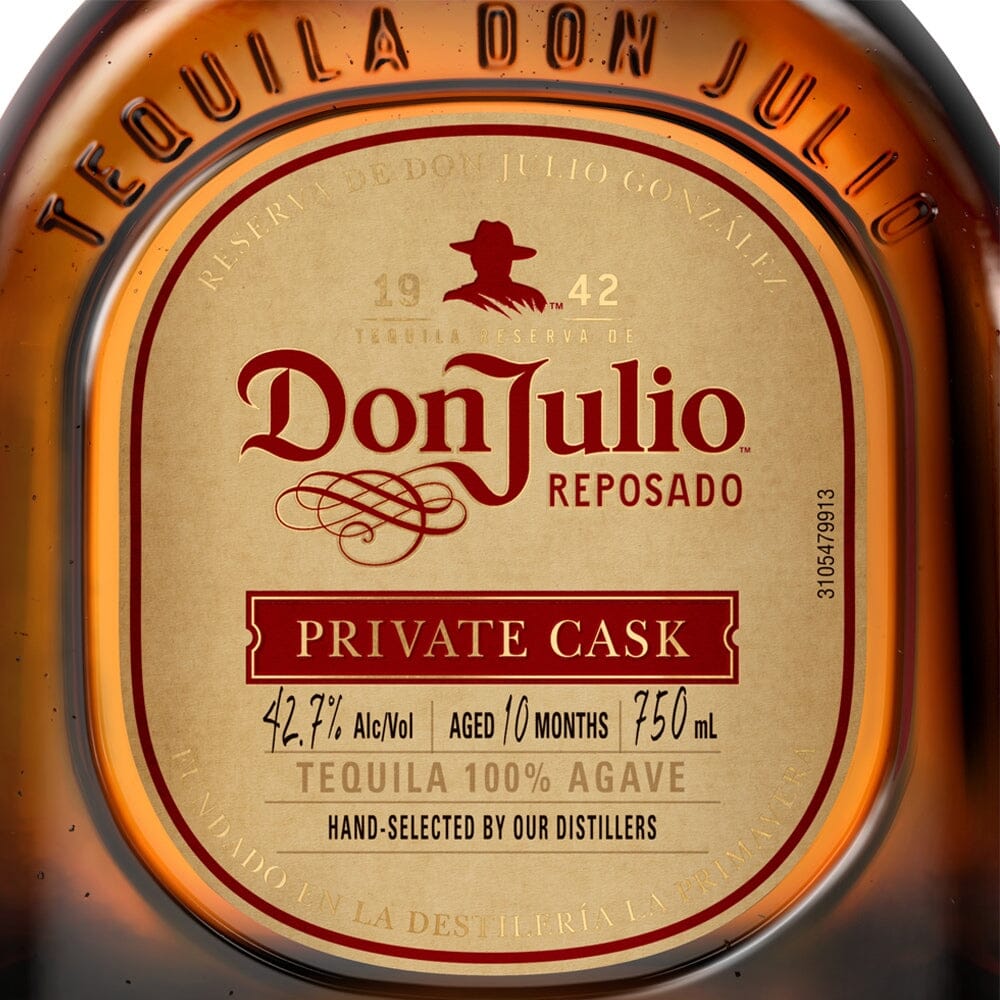
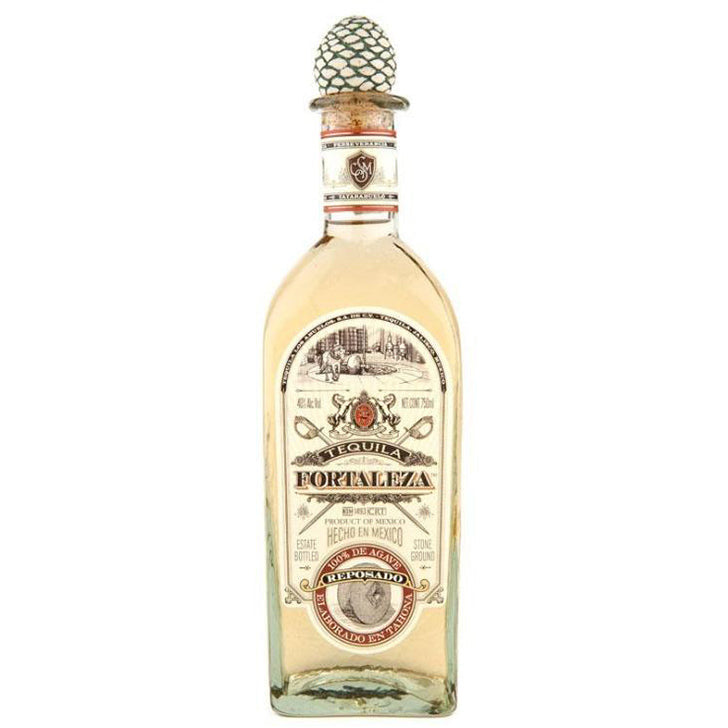
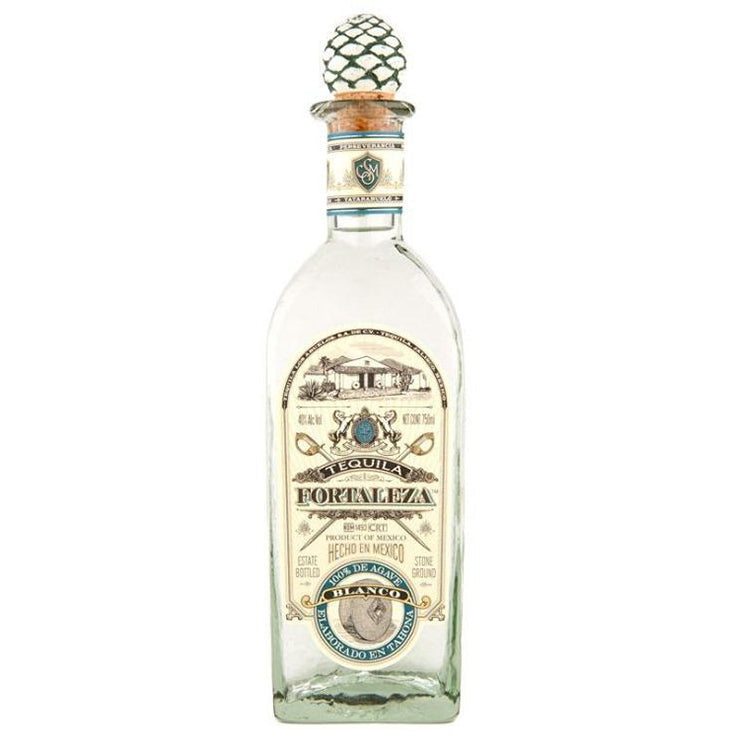
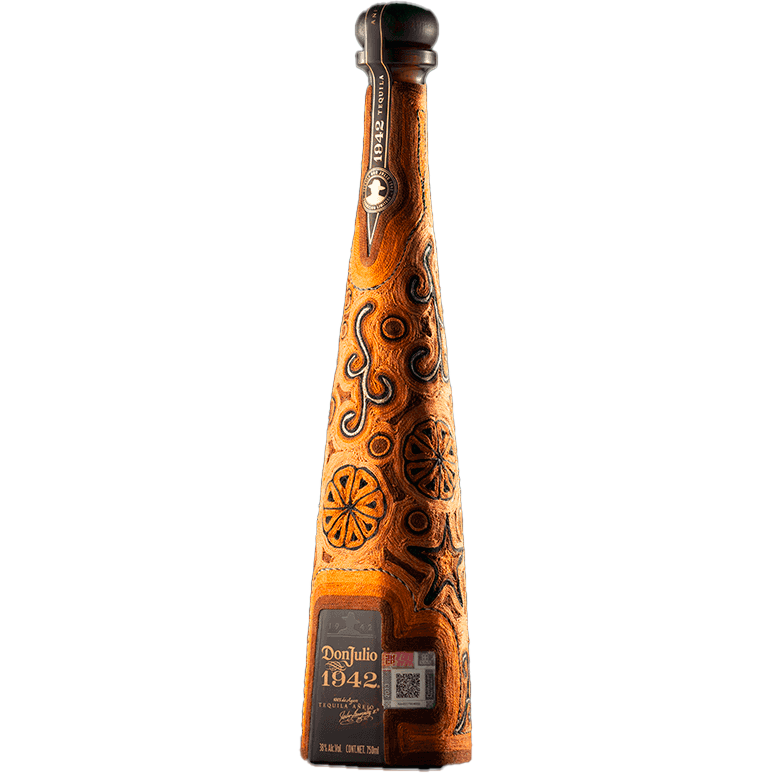
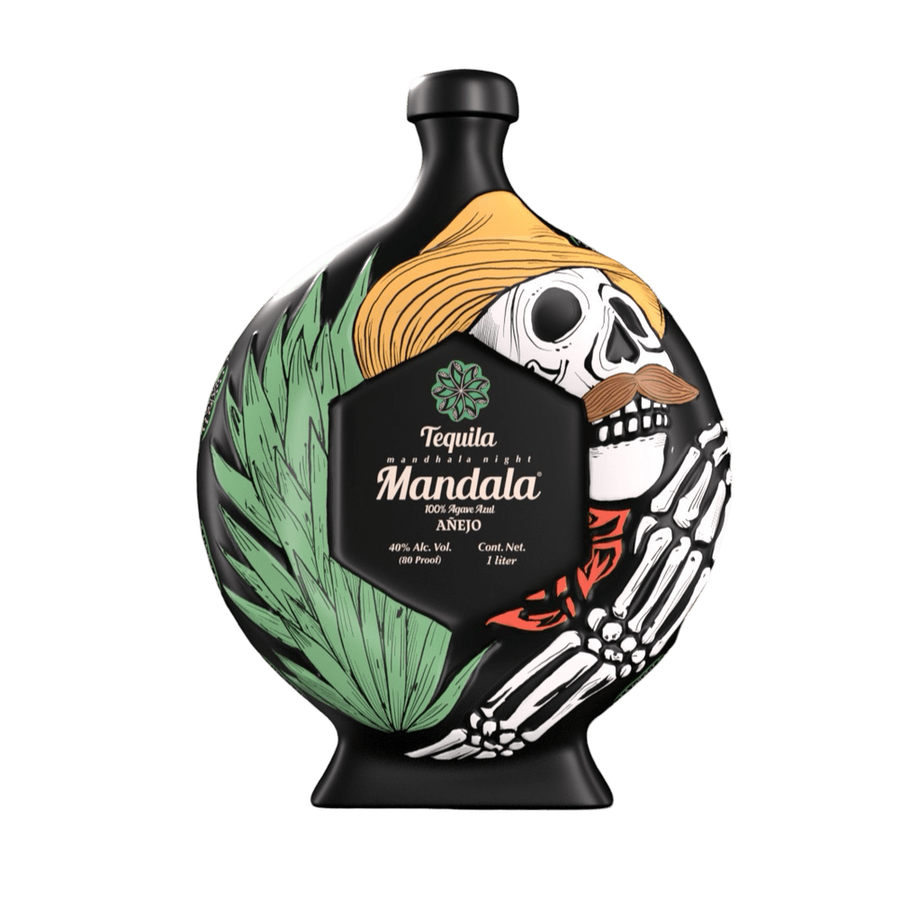
Wooden Cork’s luxury tequila collection is built around the most allocated, premium, and collector-tier tequila brands on the market — from Clase Azul’s hand-painted ceramic decanters to Don Julio 1942’s signature bottle, Tears of Llorona’s multi-cask extra añejo, and Fortaleza’s additive-free traditional production. Every bottle in this collection represents the high end of the category.
Browse Clase Azul, Don Julio, all Extra Añejo tequila, and rare and allocated bottles at Wooden Cork.
The distinction is meaningful but not always cleanly defined. Premium tequila — anything 100% Blue Weber agave, additive-free, from a reputable distillery — starts around $40–60. Luxury tequila typically layers additional criteria on top: extended aging beyond the legal minimum (añejo or extra añejo rather than just reposado), presentation that cannot be mass-produced (hand-painted ceramic decanters, numbered releases, handmade glass), limited production creating genuine scarcity, and a price point generally starting around $150. The luxury designation reflects a combination of liquid quality, production effort, and collectibility — not just age or price alone.
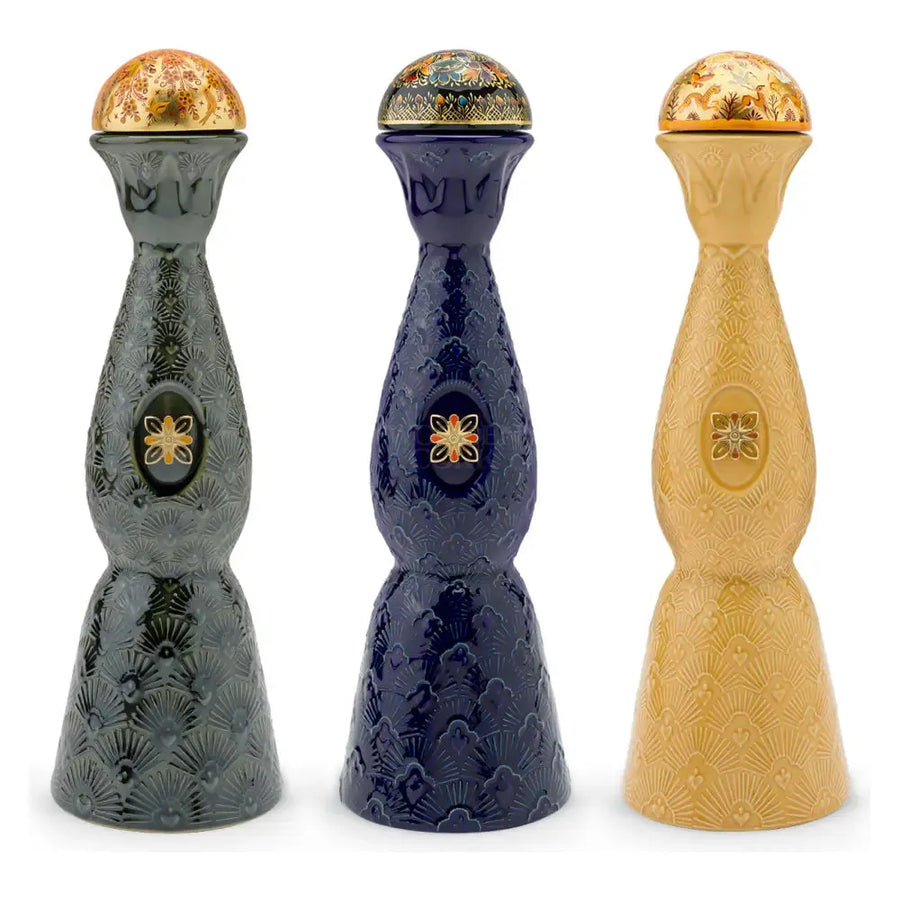
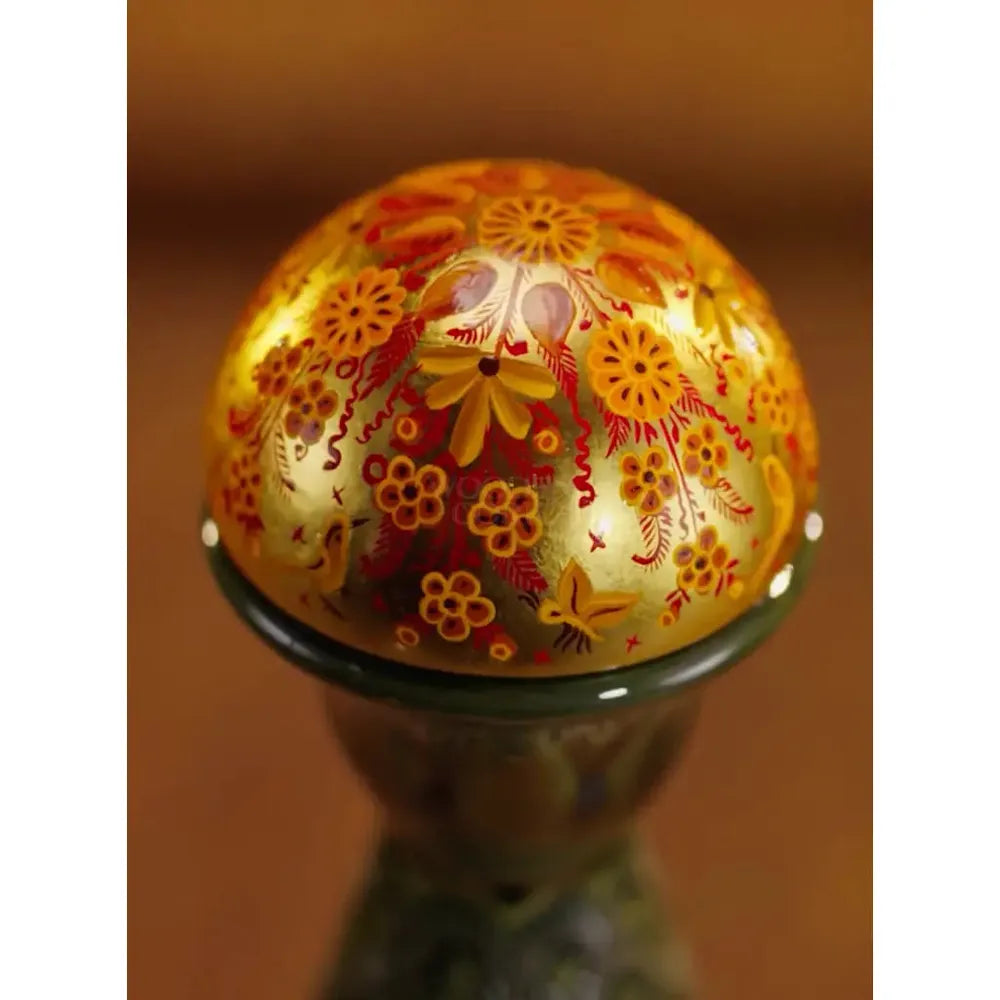
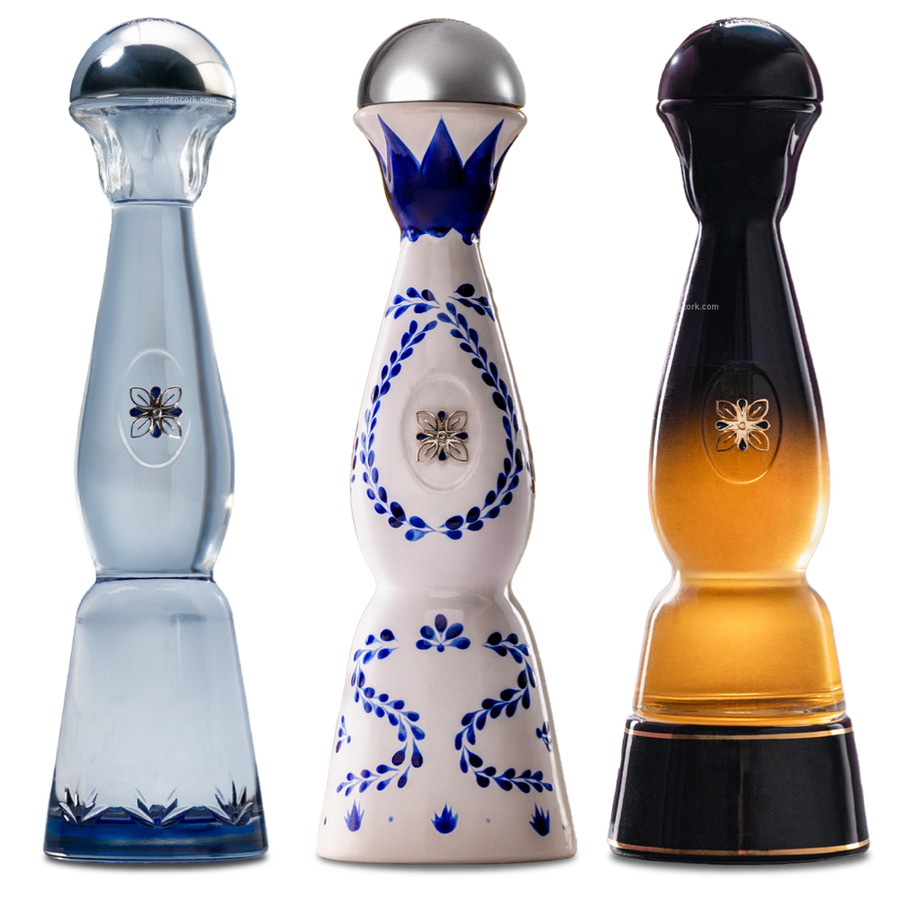
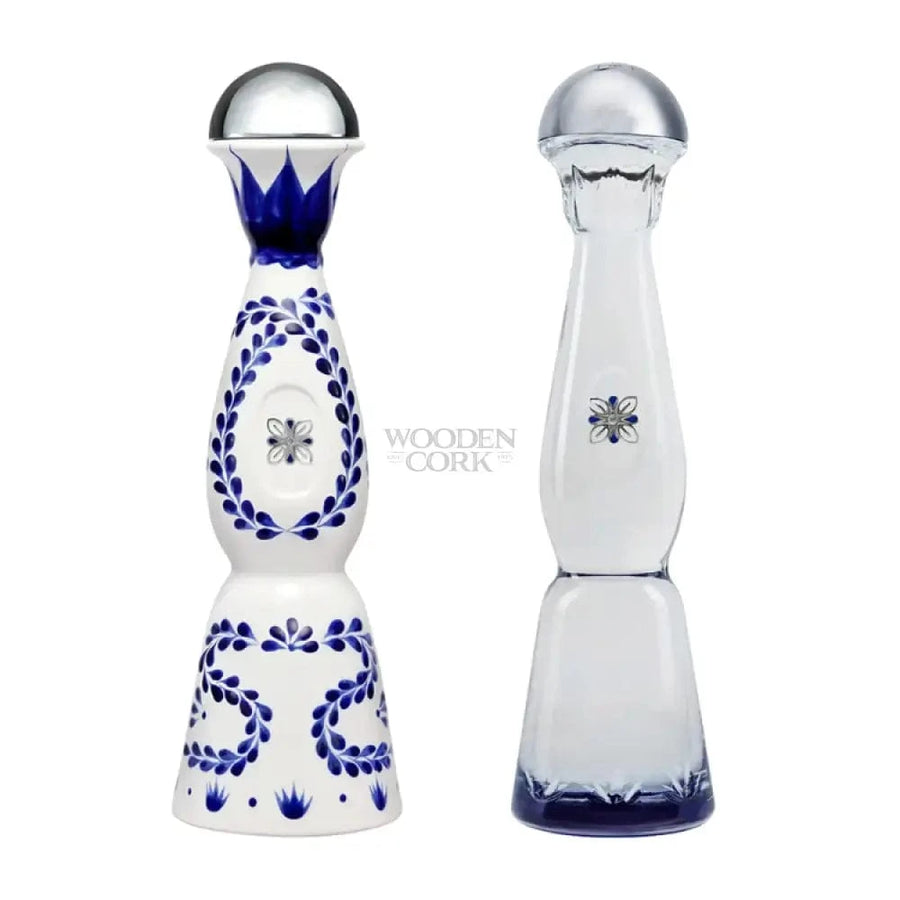
Clase Azul is the most recognizable luxury tequila brand globally — the hand-painted ceramic decanter is immediately identifiable, and the Reposado is the most commonly gifted premium tequila bottle in the world. Whether it’s the “best” depends on what you’re optimizing for. For gifting and presentation, Clase Azul Reposado is the benchmark. For liquid complexity and additive-free traditional production, brands like Fortaleza, El Tesoro, and Tequila Ocho are frequently cited by enthusiasts as offering more agave authenticity per dollar. For rarity and collector value, Tears of Llorona, Clase Azul Ultra, and master-distiller limited editions compete at the highest tier. The best luxury tequila is the one that fits the specific occasion.
Mexican law permits tequila producers to add up to 1% of the bottle’s total volume in additives without disclosure: glycerin (for mouthfeel), sugar (for sweetness), oak extract (for fake aging color and flavor), and caramel coloring. This means a reposado aged 2 months can taste and look like a well-aged extra añejo through additives alone. At the luxury tier, paying $150–$300 for a bottle that achieves its profile through additives rather than genuine aging and agave quality is a legitimate concern. Additive-free certifications (Tequila Matchmaker’s Additive Free program) confirm that the flavor profile in the bottle is entirely from agave, fermentation, distillation, and barrel aging — no shortcuts.