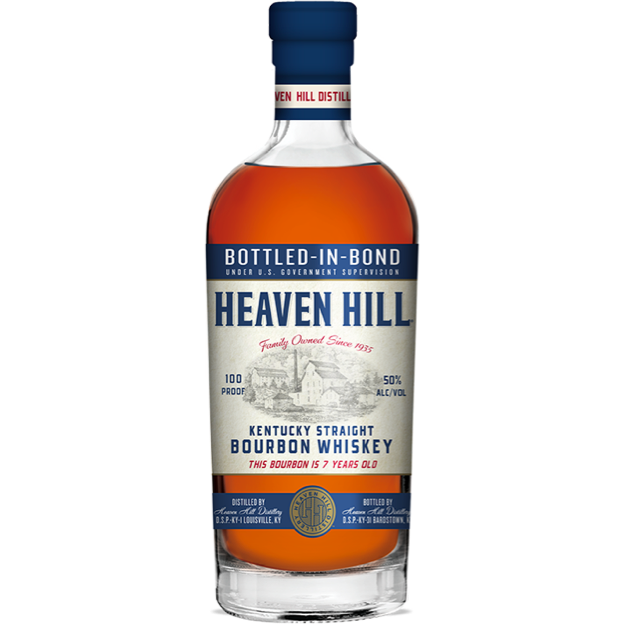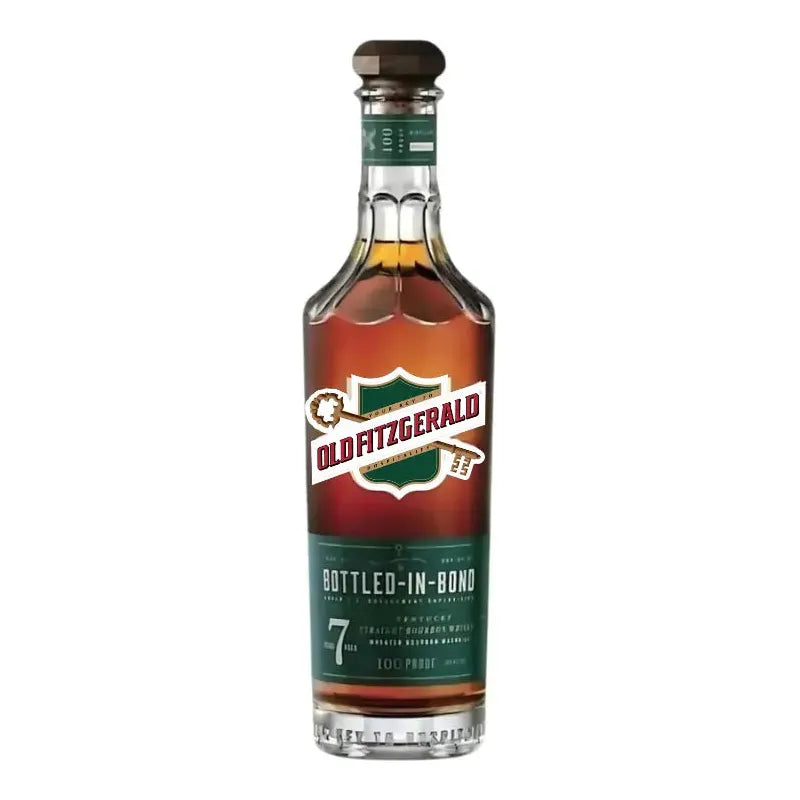


What Is Bottled-in-Bond? The 1897 Law Explained
Long before "craft" or "small batch" appeared on a label, "bottled in bond" was America's original mark of whiskey integrity. If you have seen the phrase on a bottle and wondered whether it actually means anything, it does, and the standard behind it is more than a century old.
- Bottled-in-bond is a legal standard created by the Bottled-in-Bond Act of 1897.
- The whiskey must be from one distillery, one distilling season, aged at least four years, and bottled at exactly 100 proof.
- It was America's first major consumer-protection law for a food or drink product.
- The label is a guarantee of authenticity and age, not necessarily of quality, though the bar is high.
Why the Law Existed
In the 1800s, American whiskey was the Wild West. Unscrupulous sellers cut whiskey with everything from neutral grain spirit to iodine, tobacco, and other additives, then sold it as aged straight whiskey. Consumers had no way to know what was in the bottle. The Bottled-in-Bond Act of 1897 was the government's answer: meet a strict set of conditions, and the government would put its stamp on the bottle as a guarantee.
The Four Rules
For a whiskey to be labeled bottled-in-bond, it must satisfy four conditions. It must be the product of one distillery and one distiller. It must be from a single distilling season. It must be aged at least four years in a federally supervised bonded warehouse. And it must be bottled at exactly 100 proof, no more and no less. The label also has to identify the distillery where it was produced.
What It Means for You
When you buy a bottled-in-bond whiskey, you are getting a transparent product: a known age, a known proof, and a single source. It cannot be a blend of whiskeys from different distilleries or different years. For drinkers who value authenticity and a reliable 100-proof punch, the bonded label is a trustworthy signal. It does not guarantee a whiskey will suit your palate, but it does guarantee you know exactly what you are drinking.
A Mark Worth Looking For
Many respected American whiskeys carry the bonded designation today, often representing excellent value for their proof and pedigree. It is one of the few terms on a whiskey label backed by actual law rather than marketing. Explore bonded and other American whiskeys in our American whiskey collection.
Frequently Asked Questions
What proof is bottled-in-bond whiskey?
Exactly 100 proof, or 50 percent alcohol by volume. This is a strict requirement of the standard.
Does bottled-in-bond mean better quality?
It guarantees age, proof, and single-distillery origin, not taste. The standards are demanding, so bonded whiskeys are generally well-regarded, but quality still varies by producer.
How old is bottled-in-bond whiskey?
At least four years, aged in a federally supervised bonded warehouse. Some bonded whiskeys are aged considerably longer.
Can bourbon be bottled-in-bond?
Yes. Bourbon, rye, and other American whiskeys can all be bottled-in-bond if they meet the requirements.