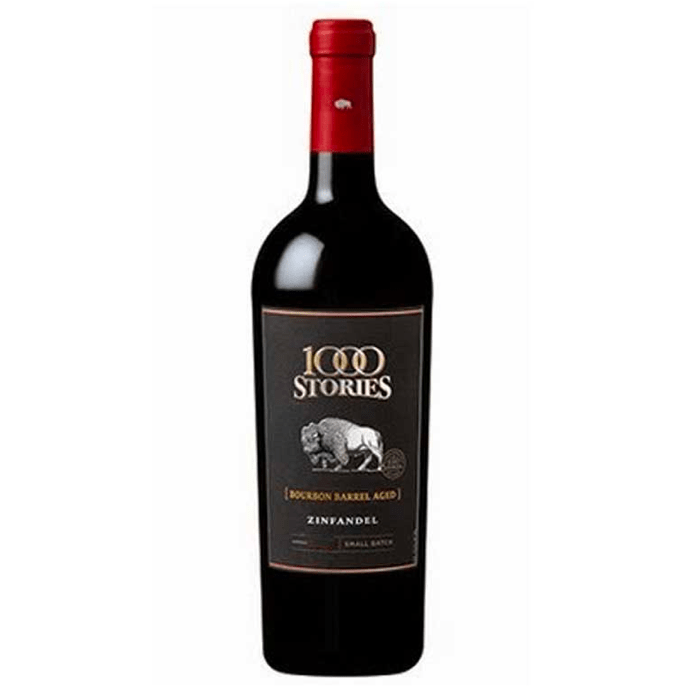
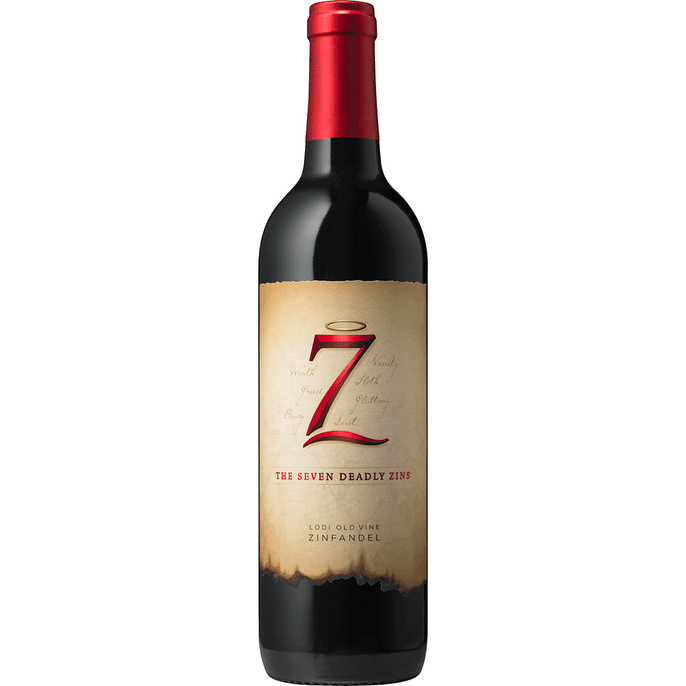
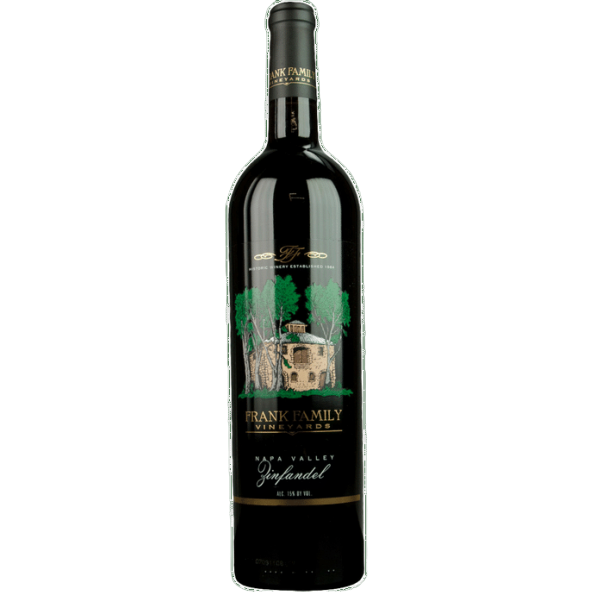
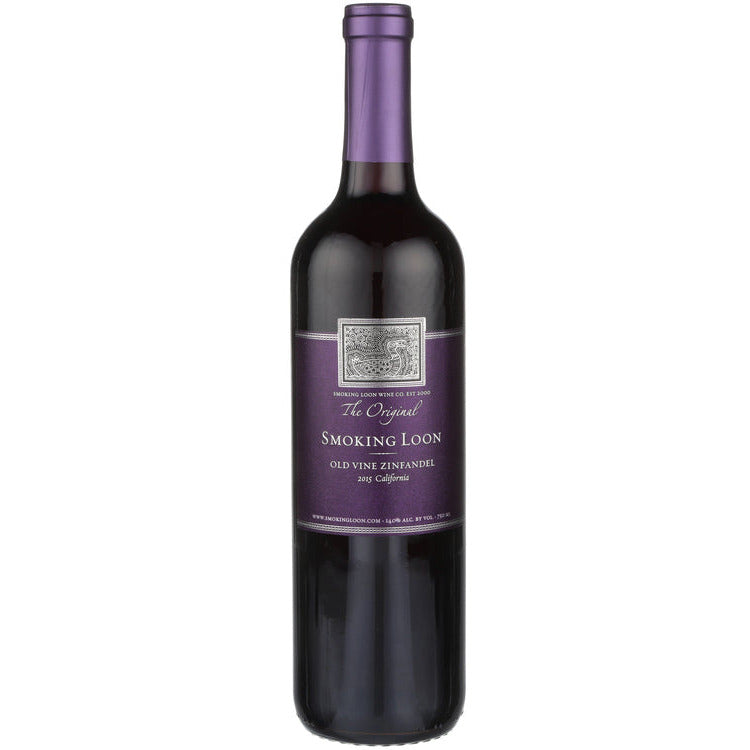
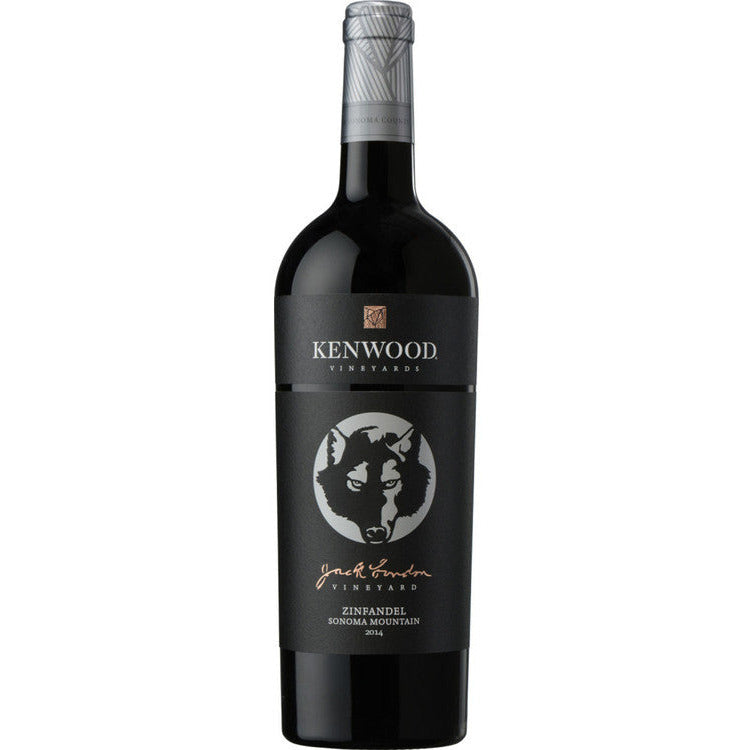
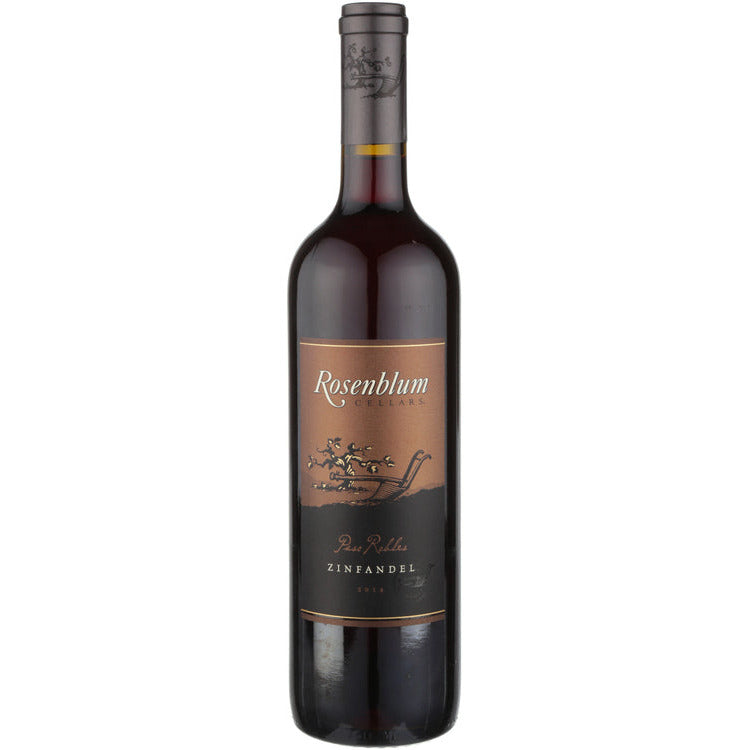
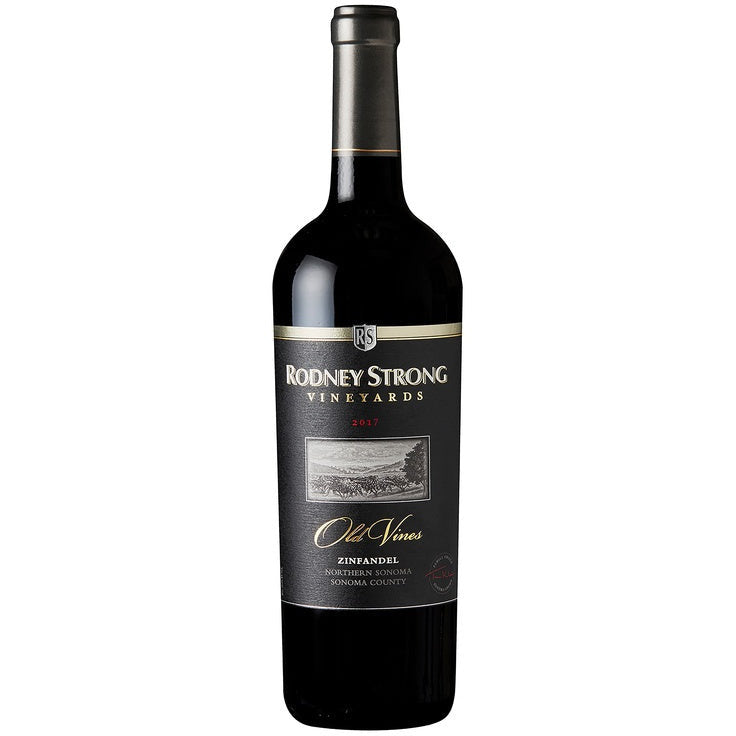
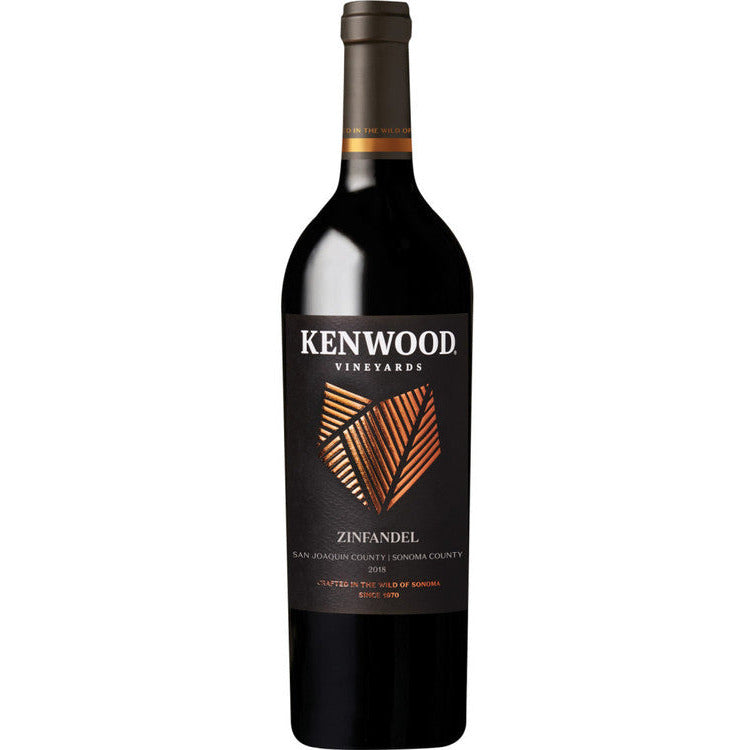
Zinfandel
63 products


63 products
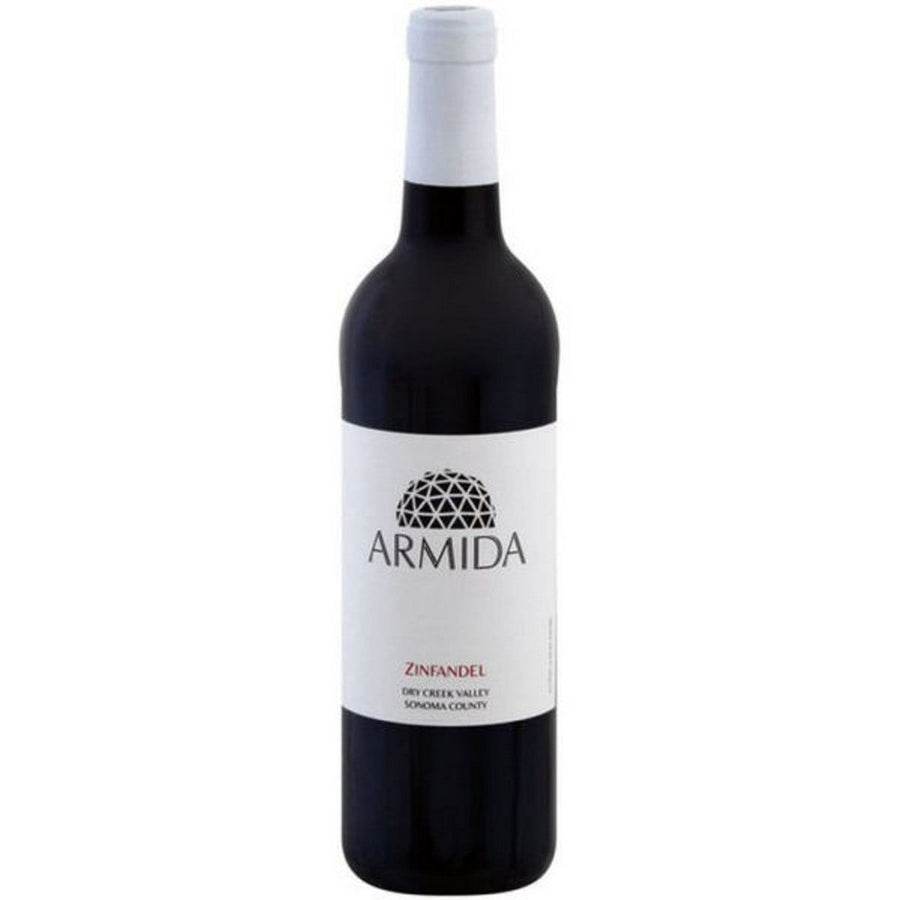
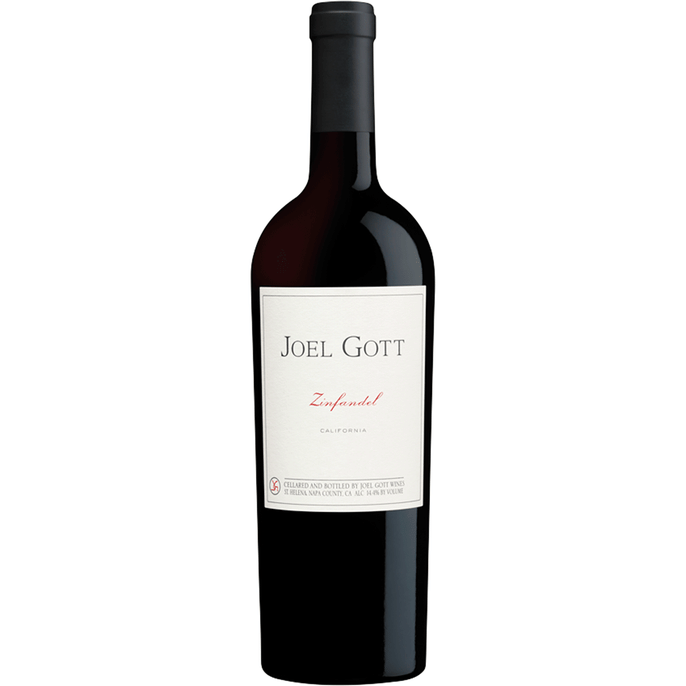
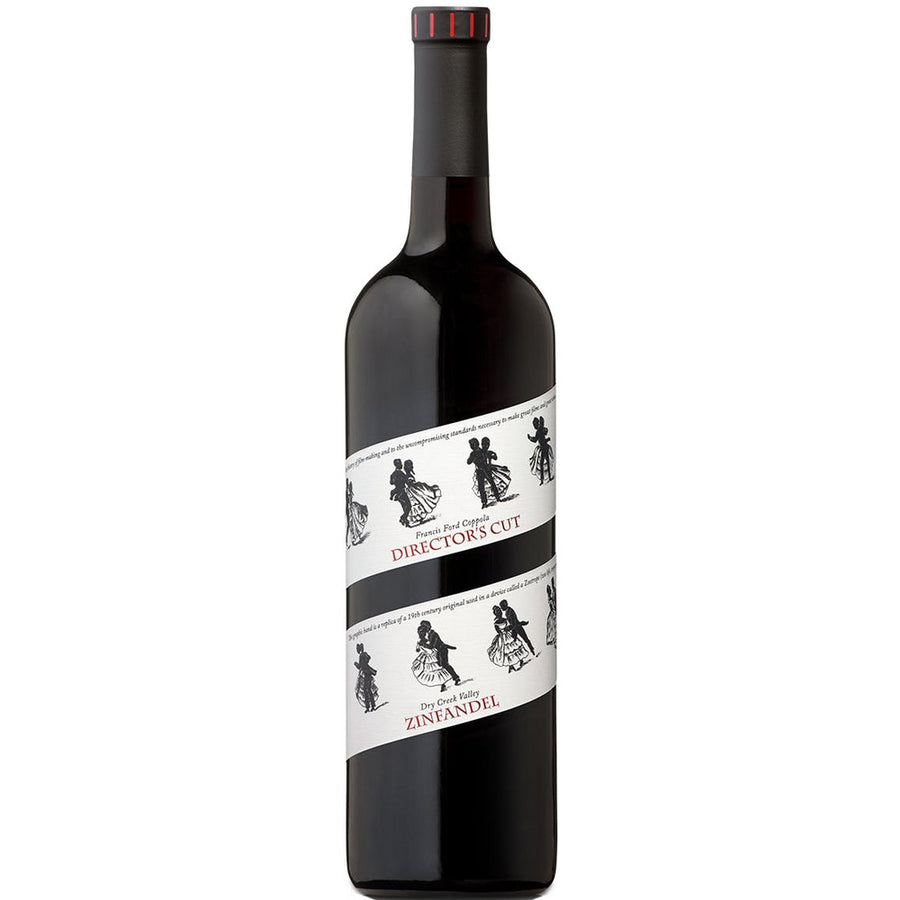
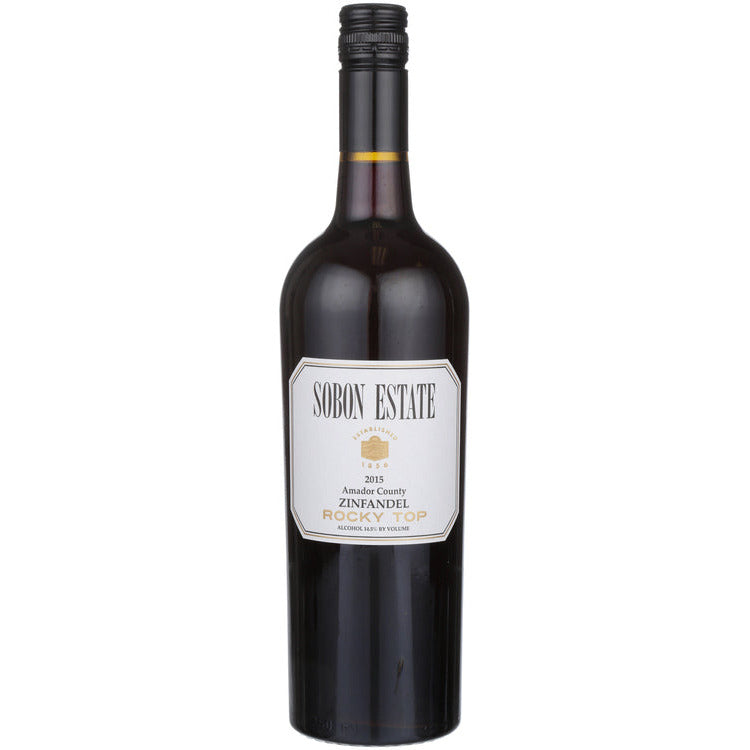
Zinfandel is California's signature red — bold, brambly, and high-spirited, with jammy blackberry and raspberry fruit, a peppery spice kick, and a warming, full-bodied finish that ranges from approachable everyday bottles to concentrated old-vine and single-vineyard expressions.
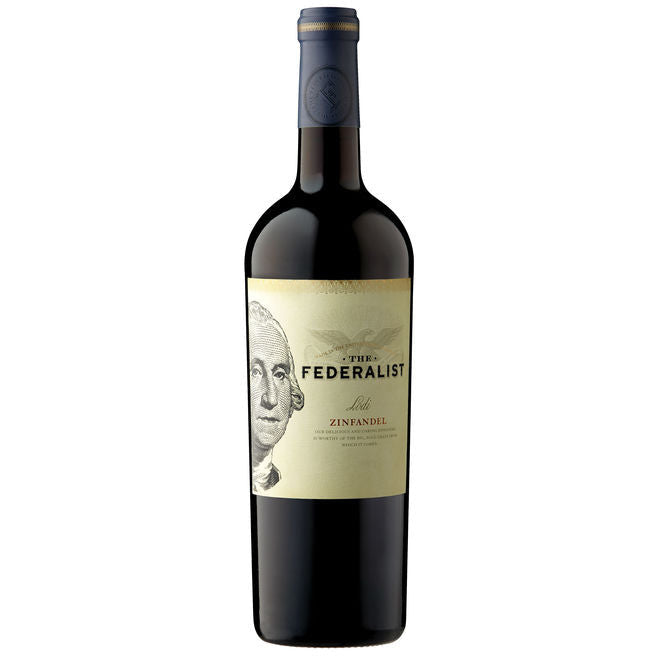
The grape thrives in California's warm, sunny vineyards, where it ripens to high sugar levels and produces rich, often higher-alcohol wines bursting with dark and red fruit. Zinfandel's character shifts dramatically with vine age and site: young-vine bottlings are juicy and immediate, while gnarled old-vine plantings — some over a century old in Lodi, Sonoma, and Napa — yield deeper concentration, more savory complexity, and remarkable structure prized by collectors.
The Wooden Cork selection spans crowd-pleasing weeknight reds through cellar-worthy old-vine and reserve bottlings, all with fast nationwide shipping. If you enjoy big California reds, you may also like our Cabernet selection, or browse all wine at Wooden Cork.
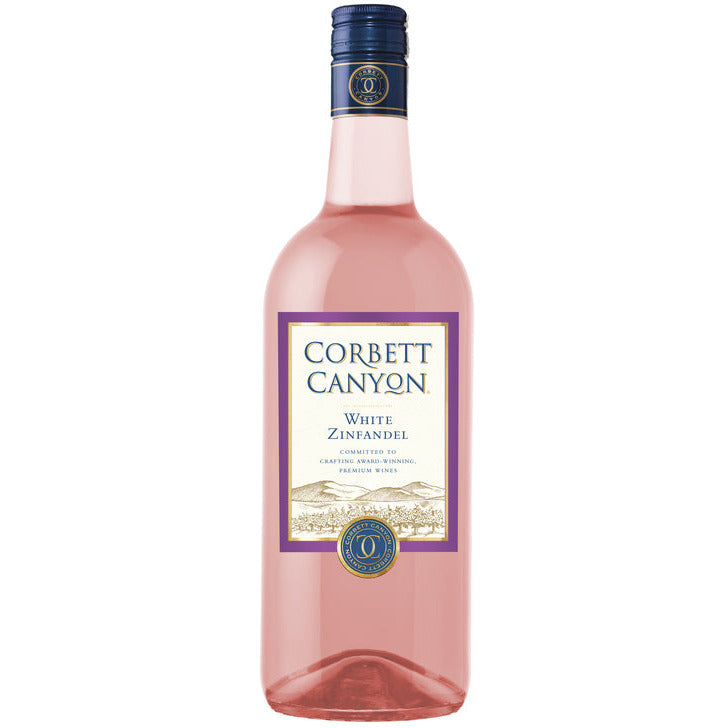
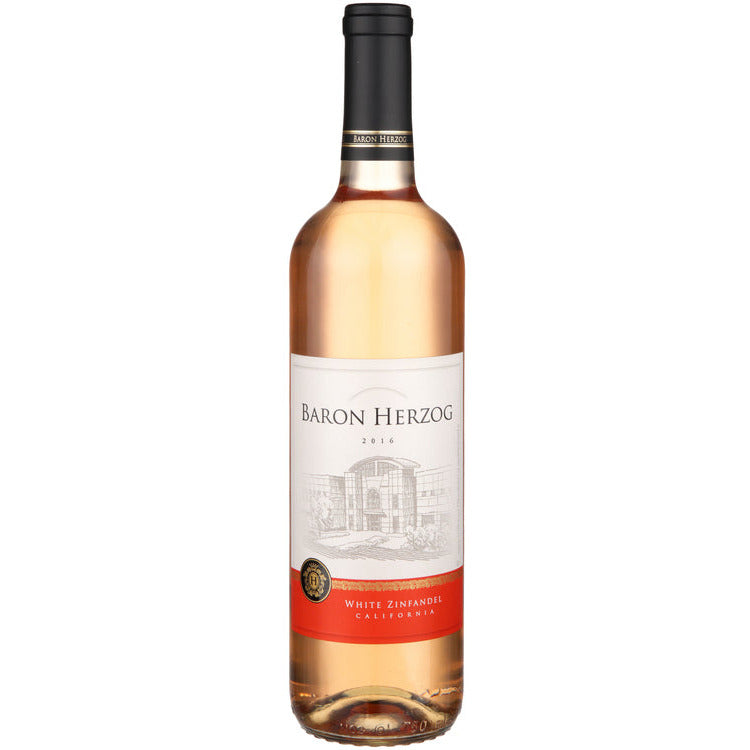
They come from the same grape but are completely different wines. Zinfandel (sometimes called Red Zinfandel for clarity) is a full-bodied dry red, made by fermenting the dark-skinned grapes with extended skin contact for deep color, tannin, and bold berry-and-spice flavor. White Zinfandel is a pale pink, lightly sweet rosé-style wine made by pressing the juice off the skins quickly, leaving only a blush of color and a soft, fruity, off-dry profile. White Zinfandel was hugely popular in the 1980s and introduced many drinkers to pink wine, but it bears little resemblance to the powerful red. If a recipe or recommendation calls for "Zinfandel," it almost always means the dry red.
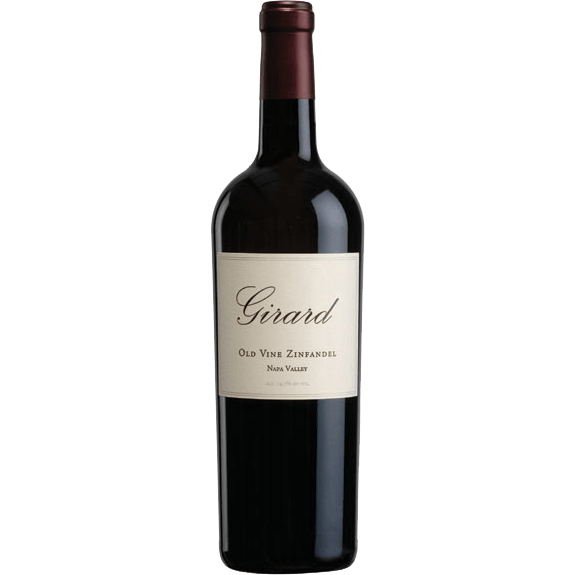
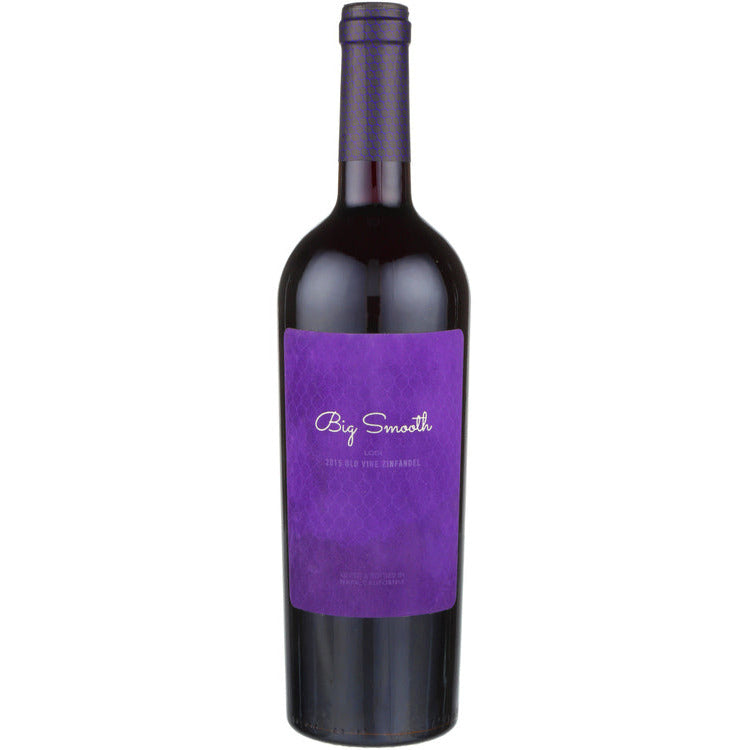
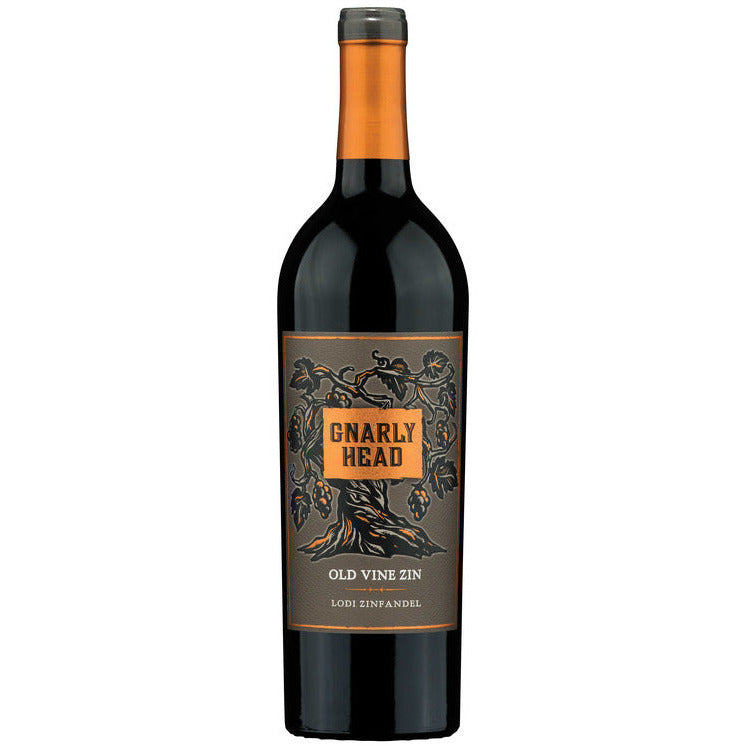
"Old vine" indicates the wine comes from mature grapevines — there is no legally enforced minimum age, but in practice the term is reserved for vines that are several decades old, and California has some Zinfandel plantings exceeding 100 years. Old vines naturally produce smaller yields of more concentrated fruit, with deeper flavor, better balance, and more savory complexity than young vines. For Zinfandel specifically — a grape that can tip into jammy, high-alcohol excess when over-ripened — old vines tend to deliver more structure and nuance, which is why old-vine bottlings command a premium and are favored by collectors. Whether it's worth it depends on your taste: for a serious, age-worthy red, old vine is the upgrade; for casual everyday drinking, a young-vine Zinfandel offers the same bold fruit at a friendlier price.
Zinfandel's bold fruit, peppery spice, and full body make it a natural match for grilled and barbecued meats — its slight sweetness of fruit plays beautifully against smoky, spicy, and tomato-based barbecue sauces. It's a classic with burgers, ribs, pulled pork, and grilled sausages, and stands up to boldly seasoned dishes like chili, pizza, and hearty stews. The higher-alcohol, riper styles also pair surprisingly well with sharp aged cheeses. As a rule, the bigger and spicier the dish, the better Zinfandel performs alongside it.