Veuve Clicquot
26 products


26 products
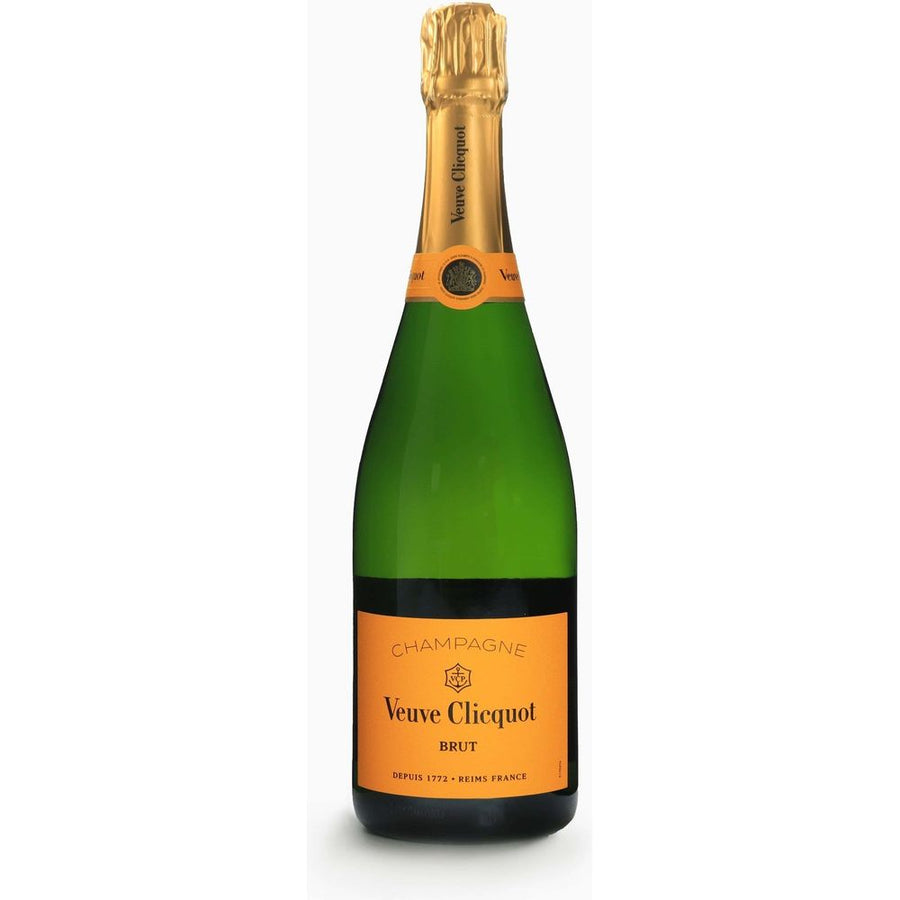
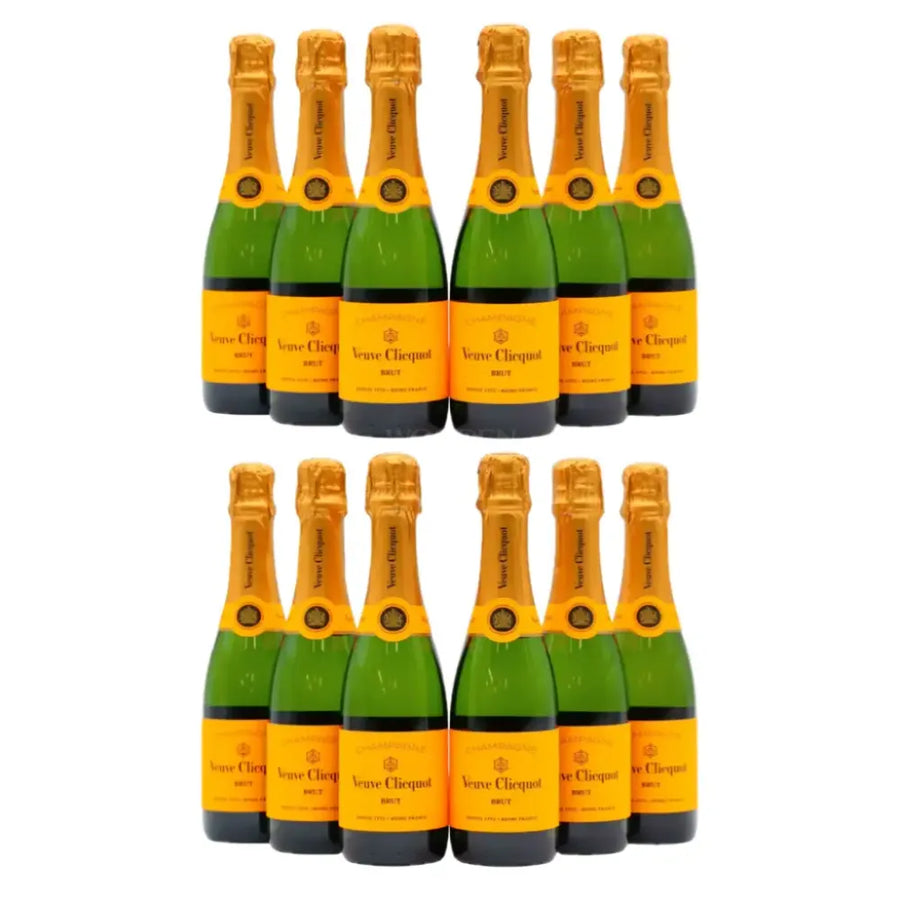
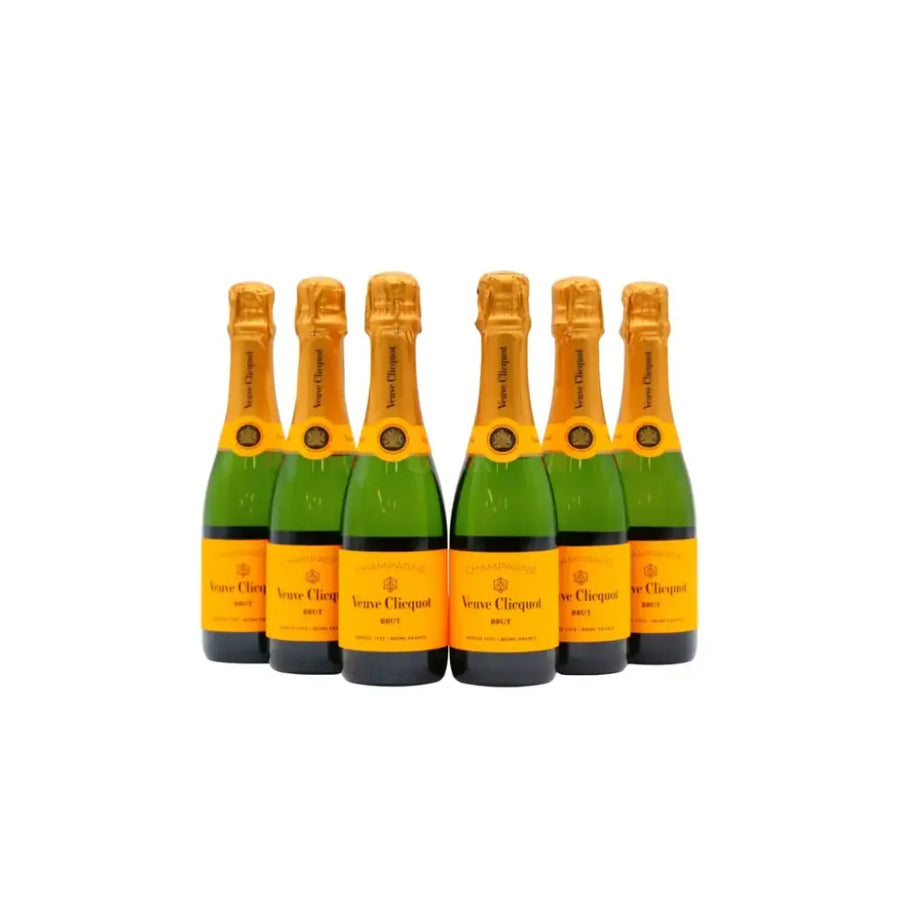
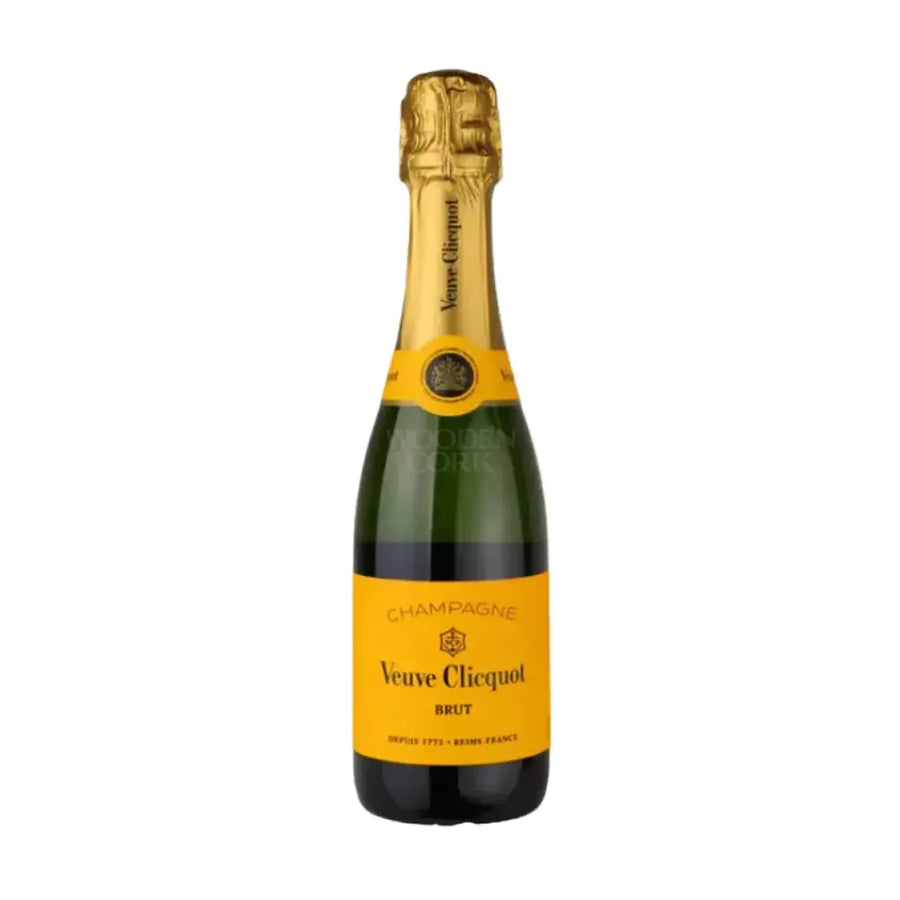
Veuve Clicquot is one of the most recognized Champagne houses in the world — built on a bold, fruit-forward style defined by the iconic Yellow Label Brut and the innovations of Madame Barbe-Nicole Clicquot-Ponsardin, who in 1816 invented the riddling table (remuage) process still used throughout Champagne today. Founded in 1772, now part of LVMH. Wooden Cork ships the full Veuve Clicquot lineup nationwide.
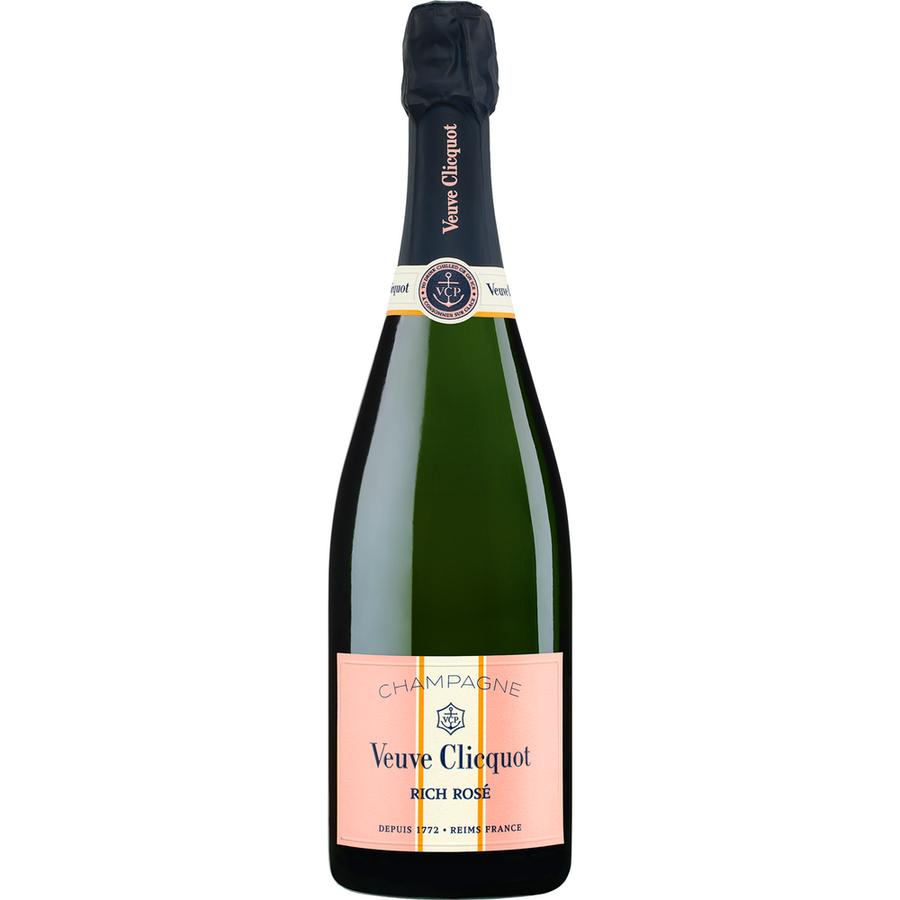
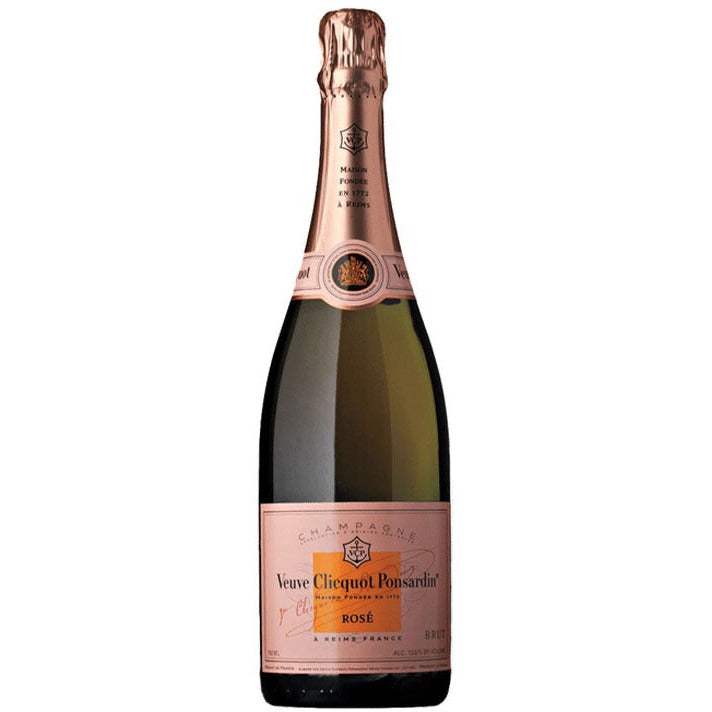
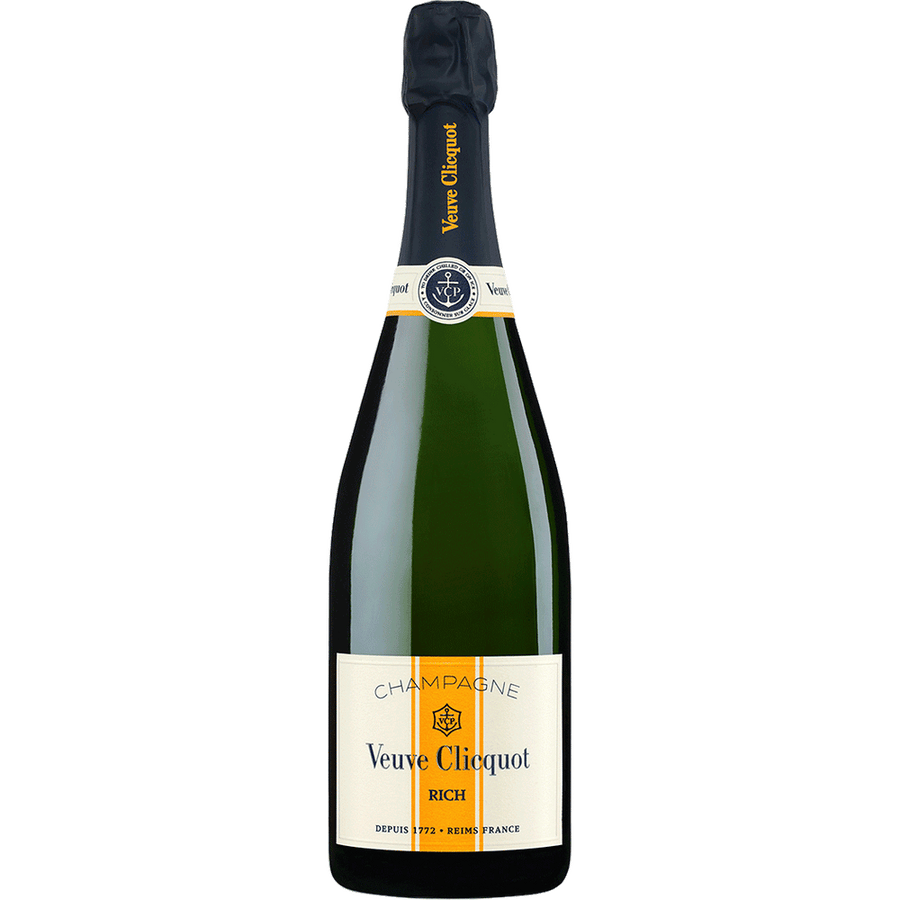
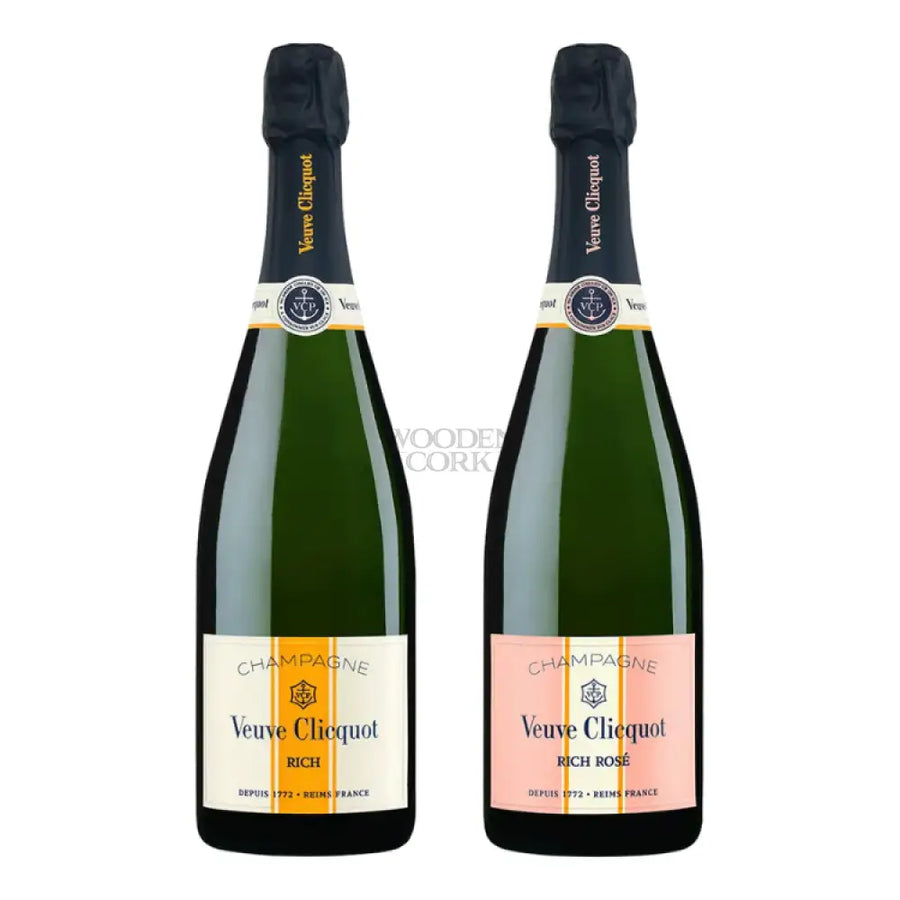
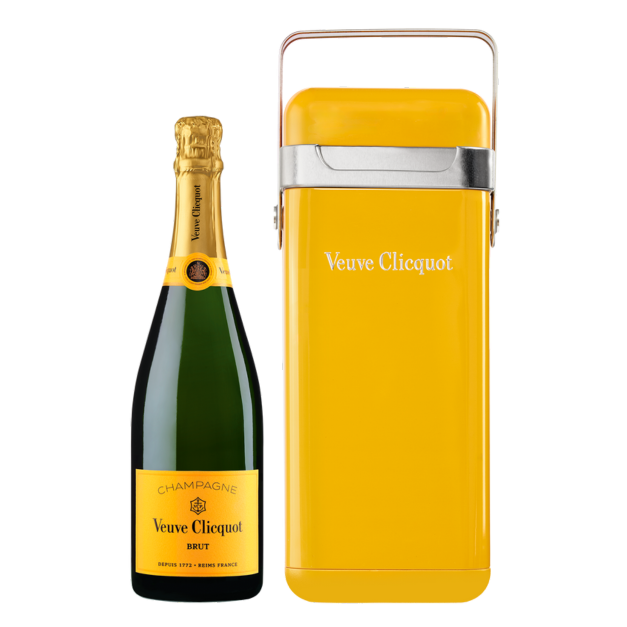
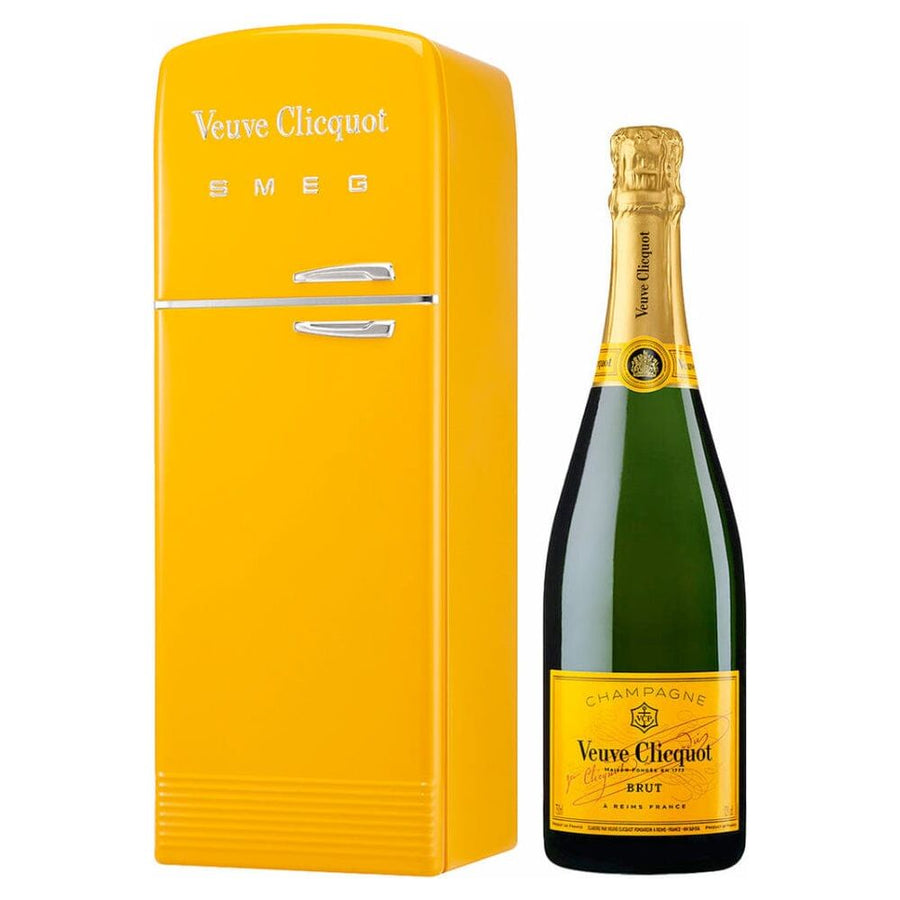
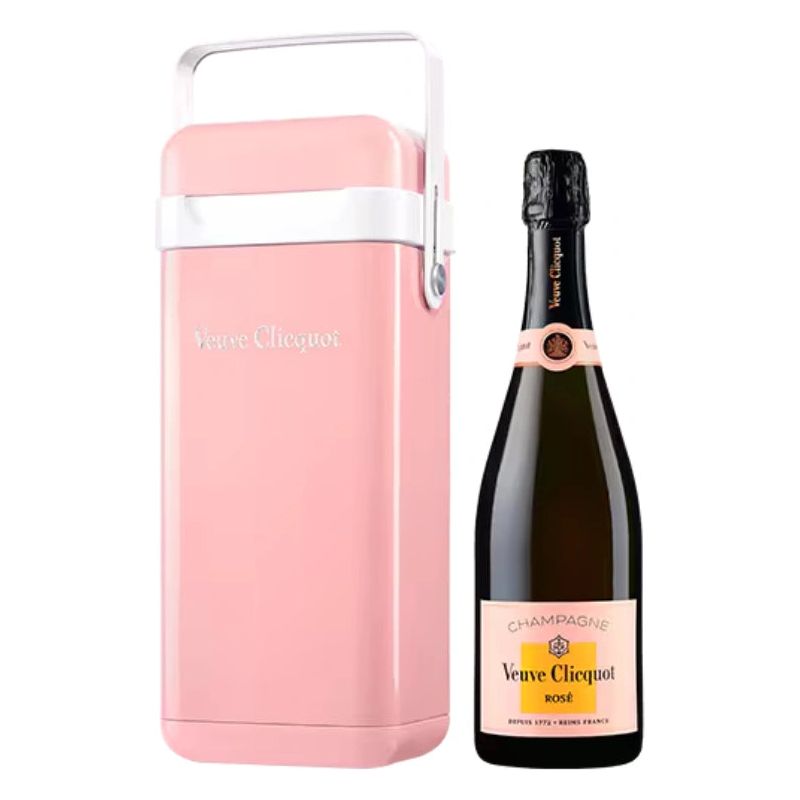
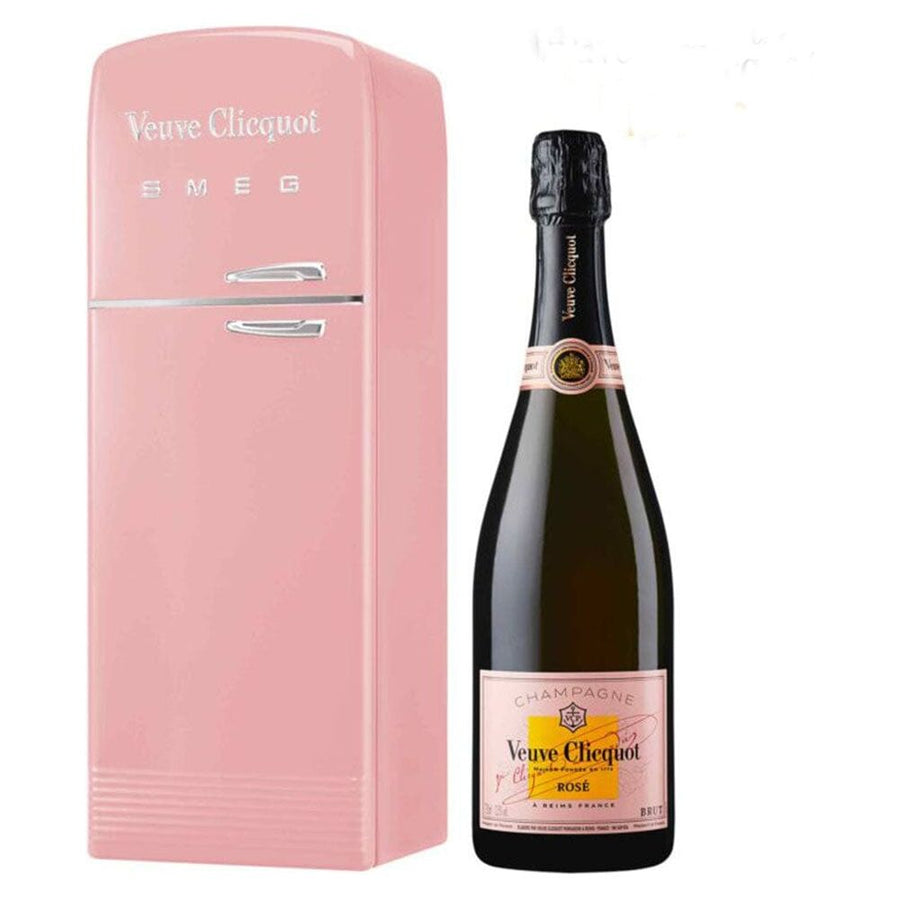
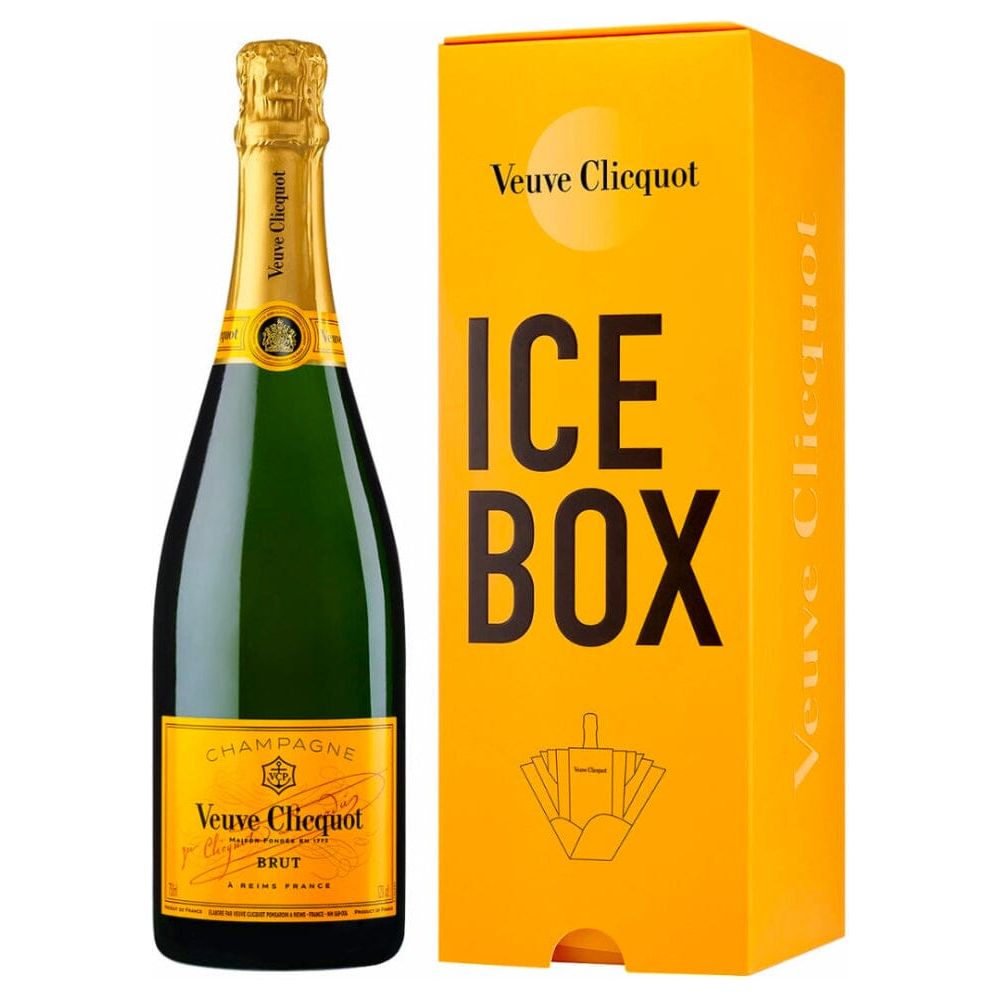
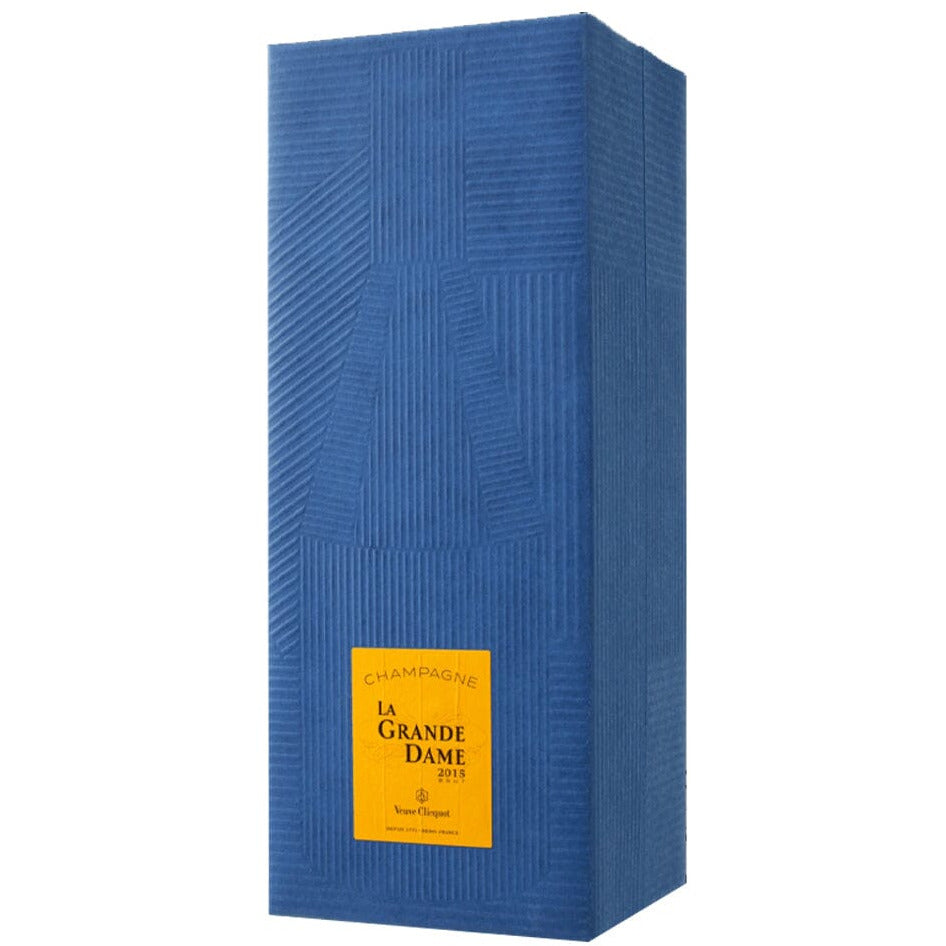
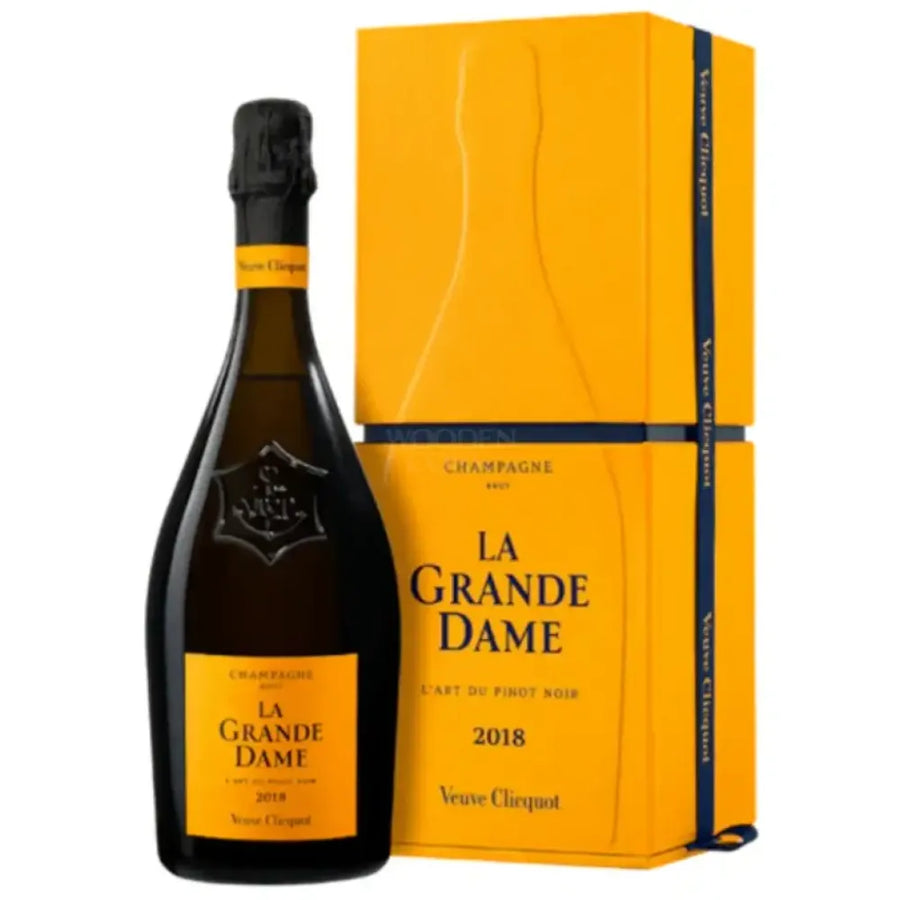
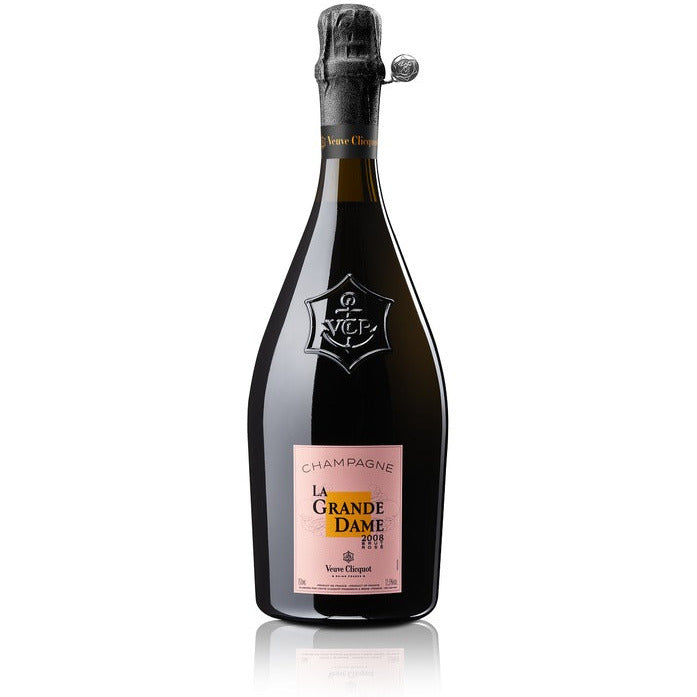
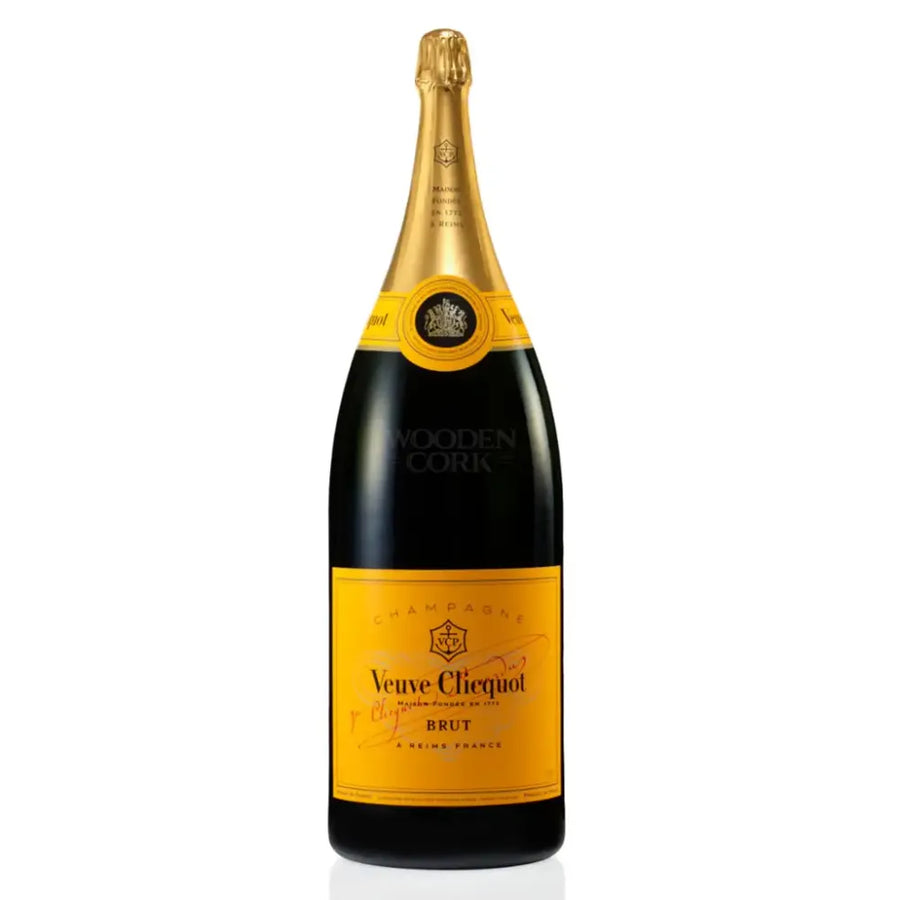
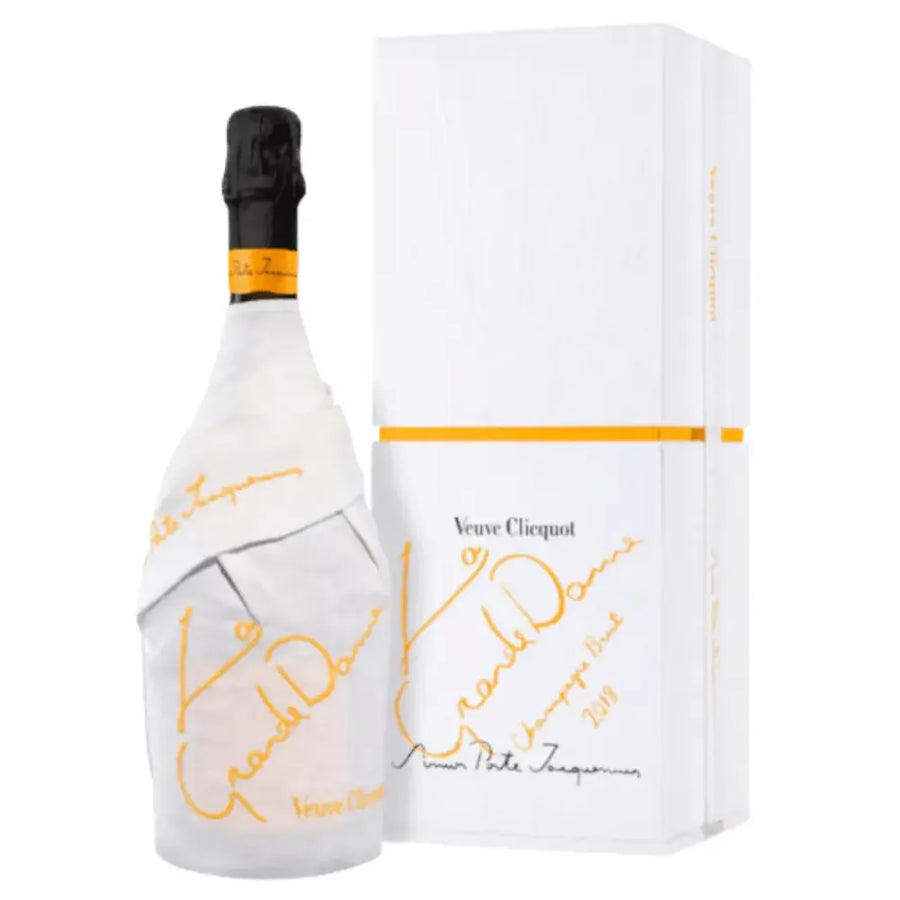
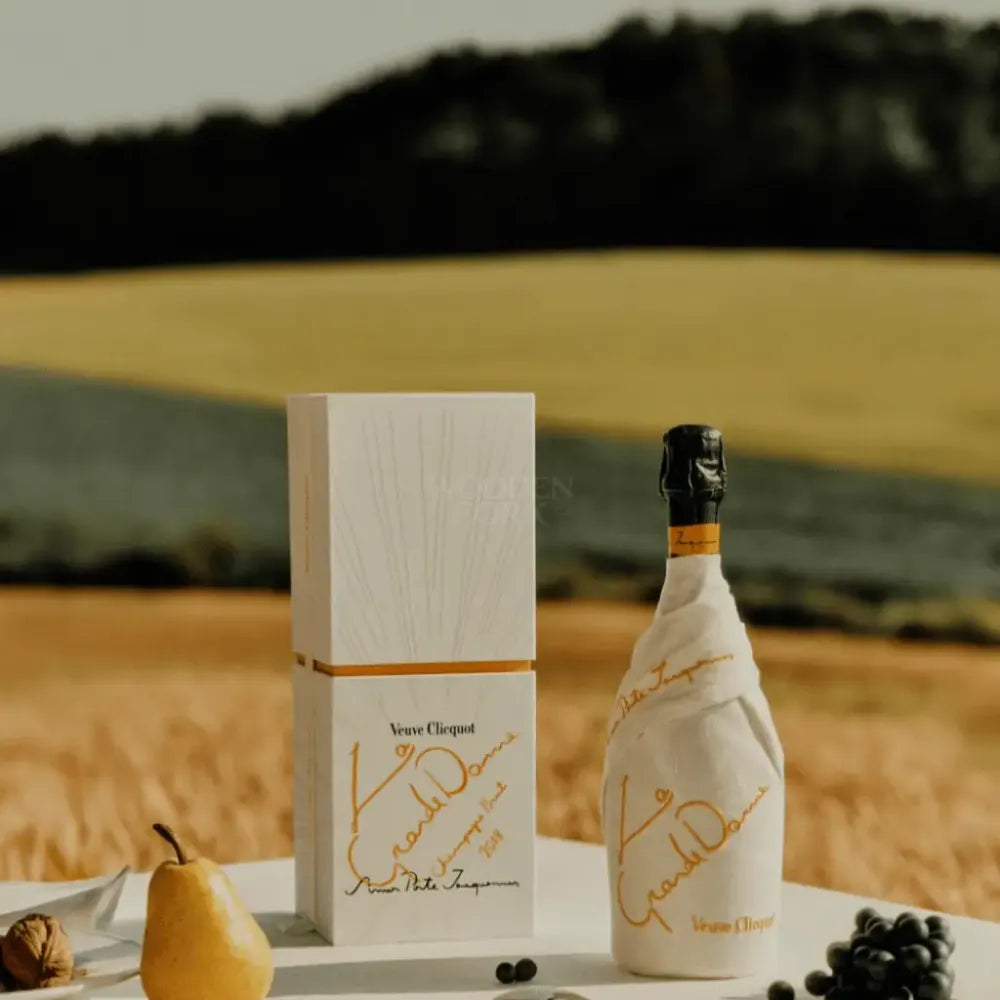
Yellow Label Brut is the signature expression — predominantly Pinot Noir with Pinot Meunier and Chardonnay, non-vintage and consistent year after year, with rich brioche, yellow apple, and citrus character. Veuve Clicquot Rosé is made by blending still red wine into the base cuvée — vibrant red berry and strawberry with the same full body as Yellow Label. La Grande Dame is the prestige cuvée, made only in exceptional vintage years from eight Grand Cru vineyards, named in honor of Madame Clicquot. Rich & Rich Rosé is designed for on-the-rocks service with higher dosage. Browse all Champagne, sparkling wine, custom engraving, and gifts at Wooden Cork.
Barbe-Nicole Clicquot-Ponsardin — known as Madame Clicquot or La Grande Dame de la Champagne — took control of her husband’s Champagne house after his death in 1805, at age 27, at a time when women were largely excluded from business. Her most consequential technical contribution was the invention of riddling — called remuage in French — around 1816. The problem riddling solved: Champagne’s secondary fermentation (which creates the bubbles) happens in the bottle, producing sediment from dead yeast cells that clouded the wine. Before riddling, removing this sediment was extremely difficult and wasteful. Madame Clicquot’s cellar master Antoine Müller developed the A-shaped riddling table (pupitre) at her direction, which held bottles at an angle and allowed cellar workers to rotate each bottle incrementally over several weeks, gradually tilting it neck-down until all the sediment had migrated into the neck for disgorging. This process made it possible to produce commercially viable, clear, sparkling wine at scale for the first time. The principle of riddling — whether done by hand in traditional pupitre racks or mechanically by gyropalette robots in modern houses — remains the standard technique in méthode traditionelle sparkling wine production worldwide.
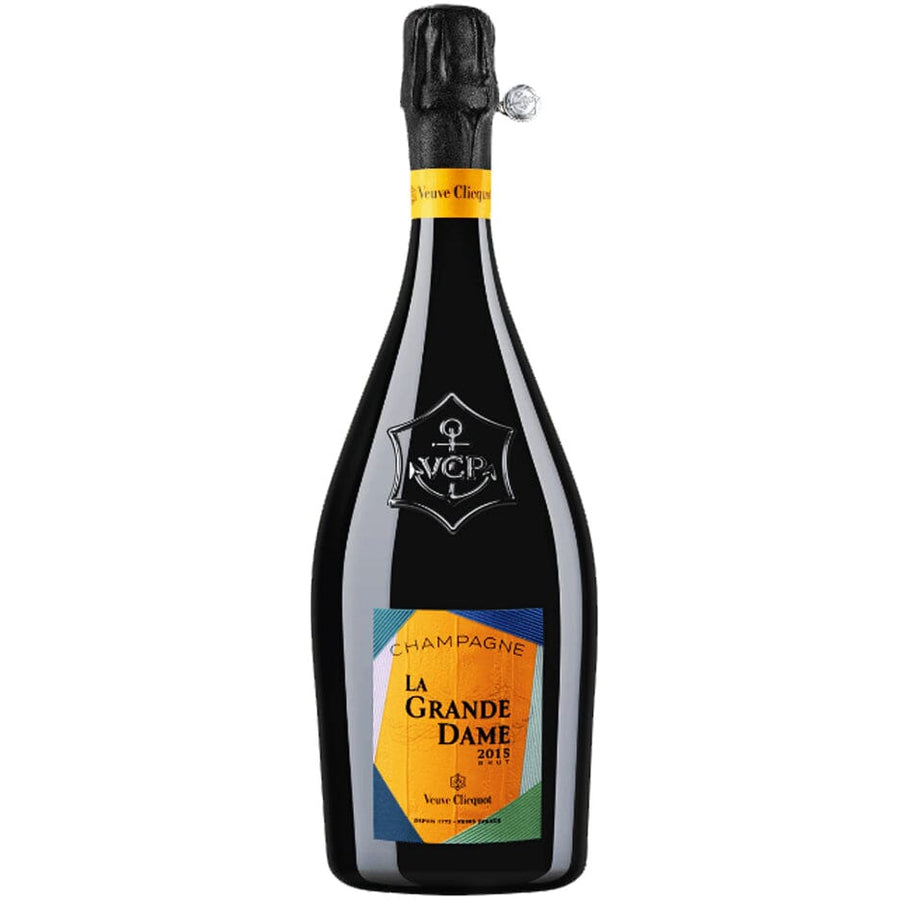
La Grande Dame is Veuve Clicquot’s prestige cuvée — released only in years the house declares exceptional, sourced exclusively from eight Grand Cru villages that Madame Clicquot herself identified as producing the finest fruit in Champagne. Grand Cru in Champagne’s classification means a village rated at 100% on the échelle des crus, the region’s traditional quality scale for grapes — only 17 villages in Champagne hold this designation, and Veuve Clicquot uses eight of them for La Grande Dame. The practical differences from Yellow Label are substantial: Yellow Label is a non-vintage blend designed for consistency, combining reserve wines from multiple years with current-vintage fruit. La Grande Dame is a single-vintage wine from Grand Cru fruit only, with extended aging on the lees (typically 7–10 years before release) that produces the characteristic brioche, toasted nut, and mature fruit complexity that non-vintage Champagne cannot achieve. La Grande Dame is also made from a specific Pinot Noir-dominant blend reflecting Madame Clicquot’s preference for the structure and depth that Pinot Noir contributes over the lighter Chardonnay-forward style of many prestige cuvées.