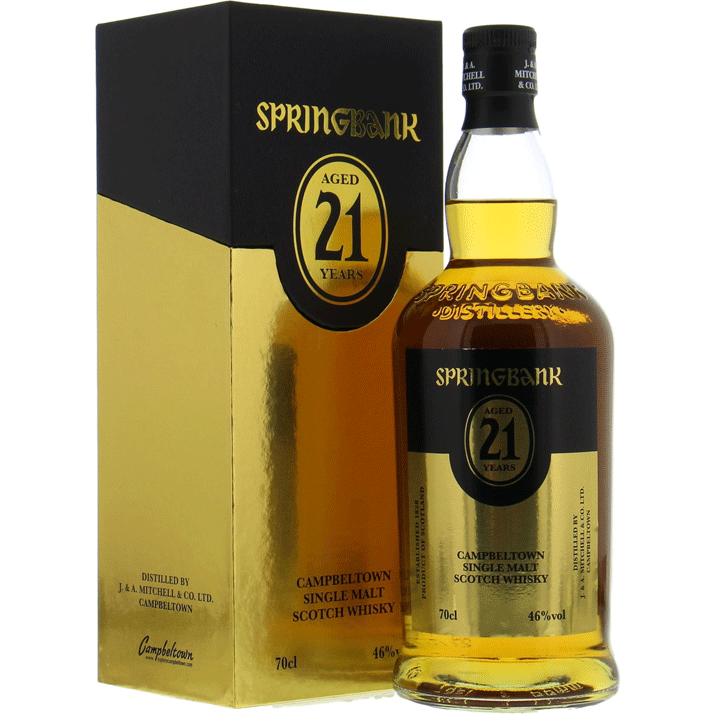
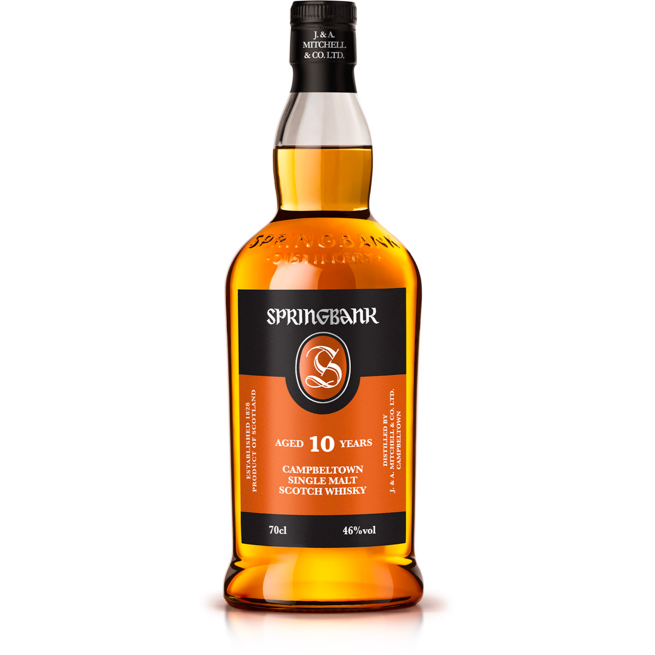
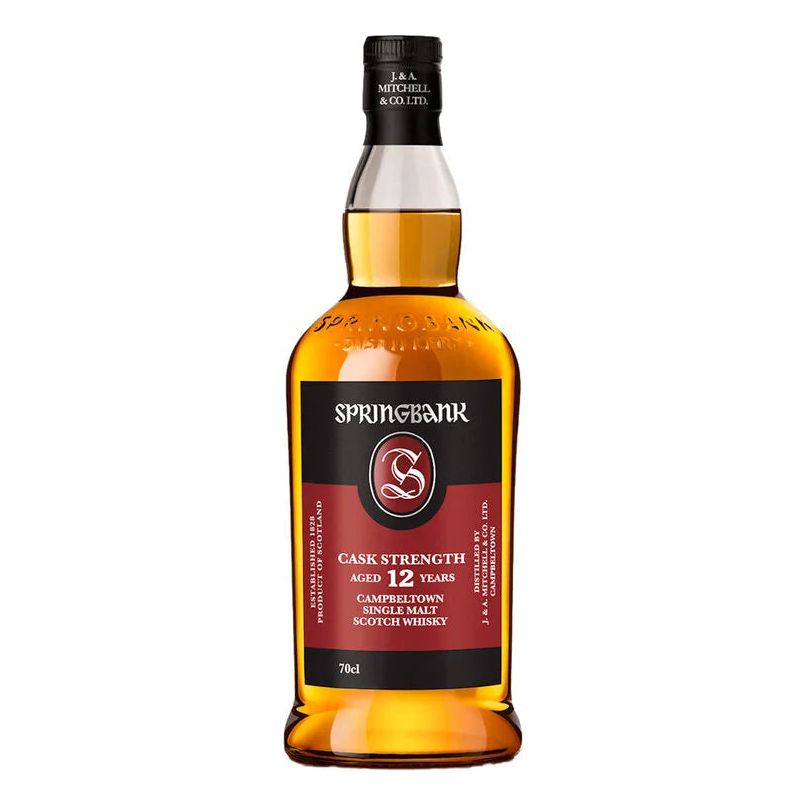
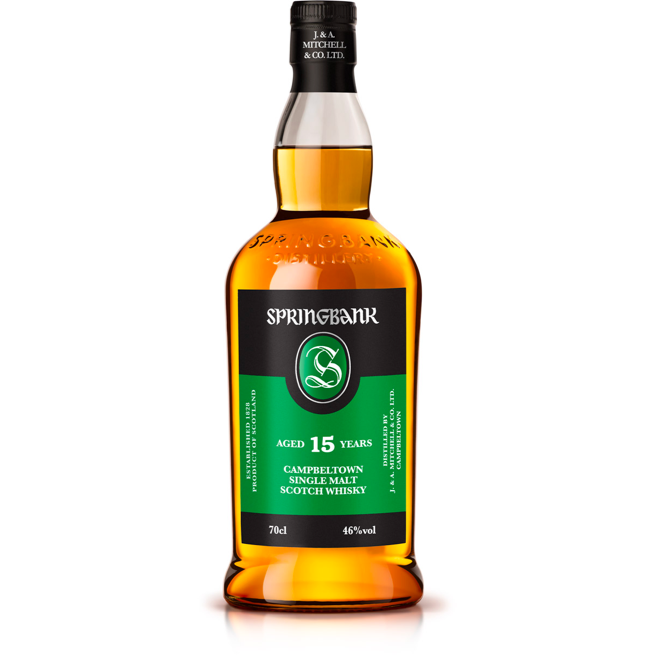
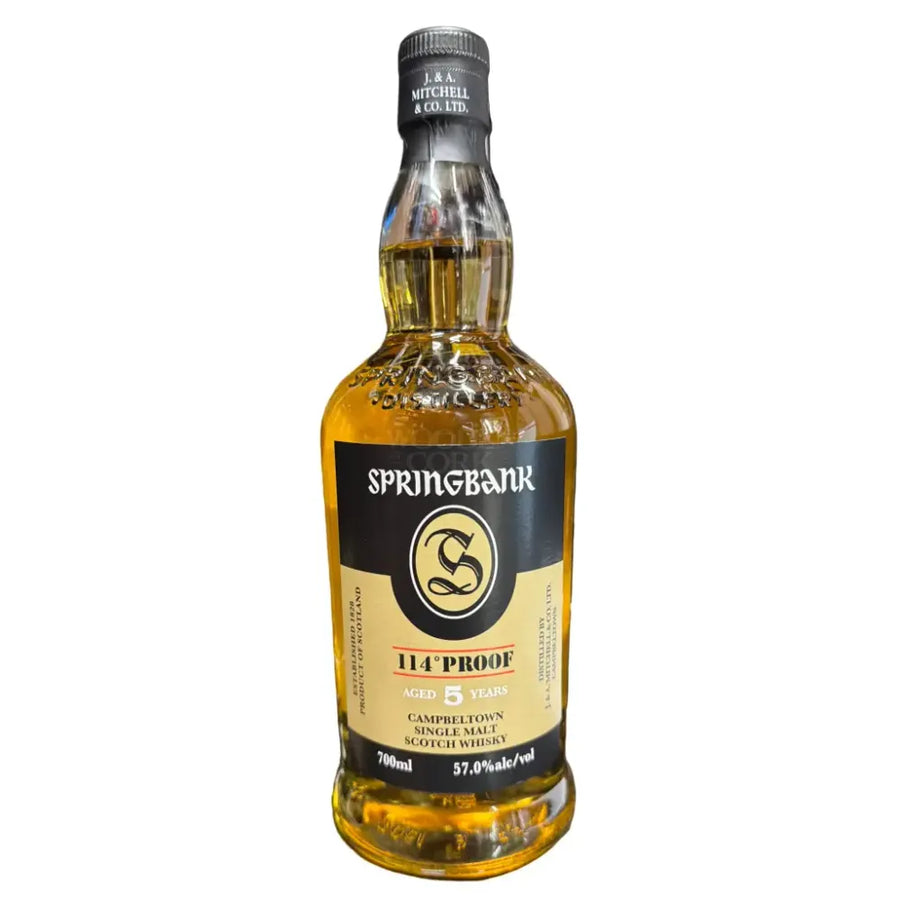
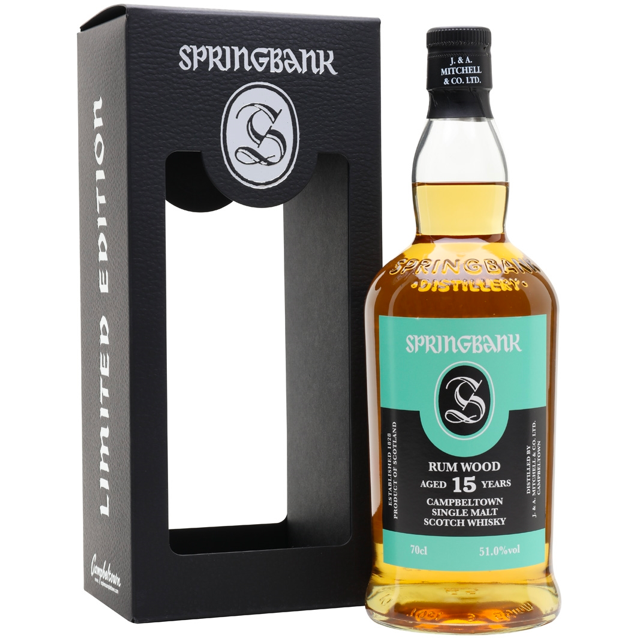
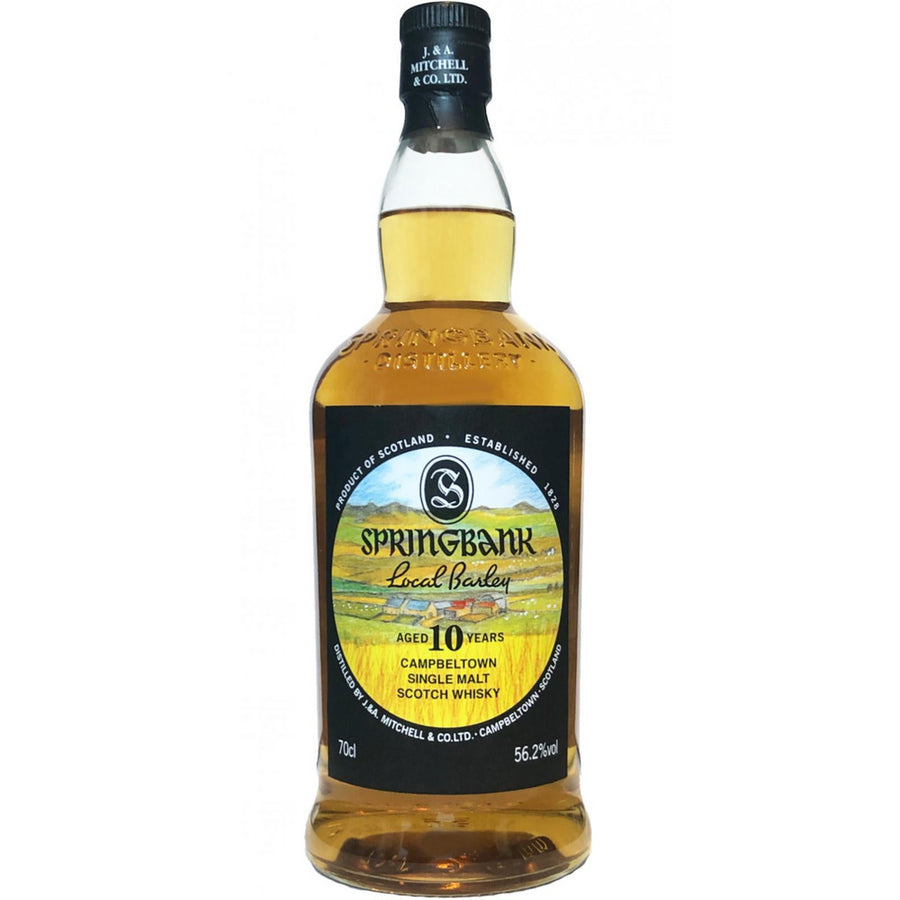
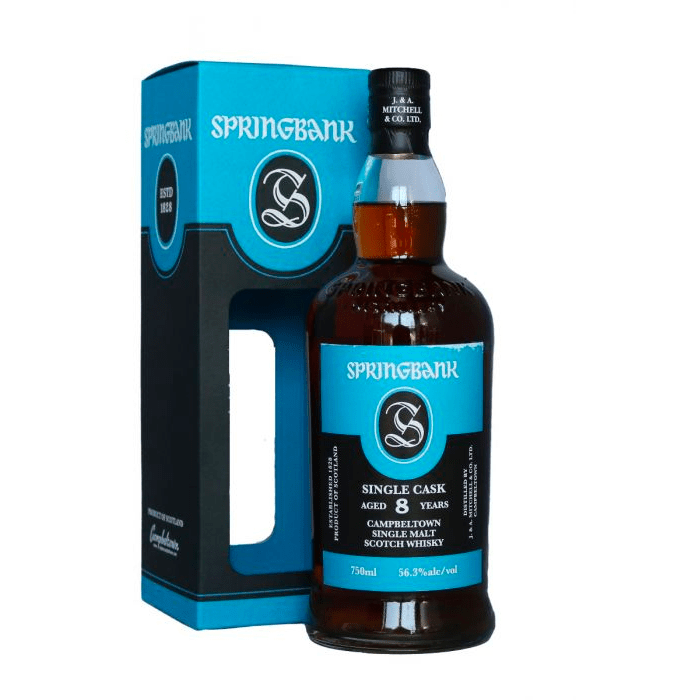
Springbank
22 products


22 products
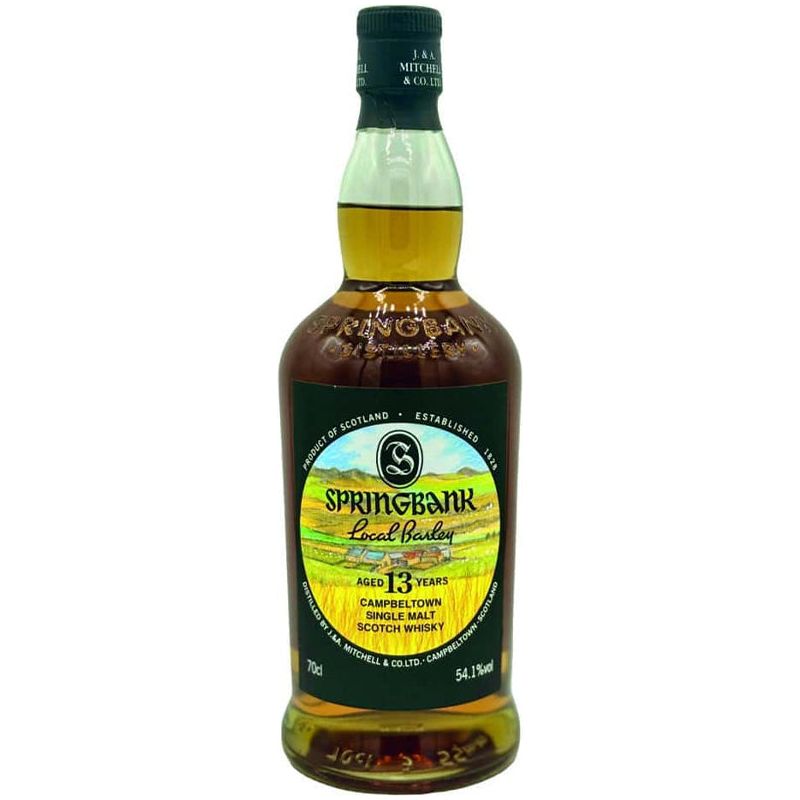
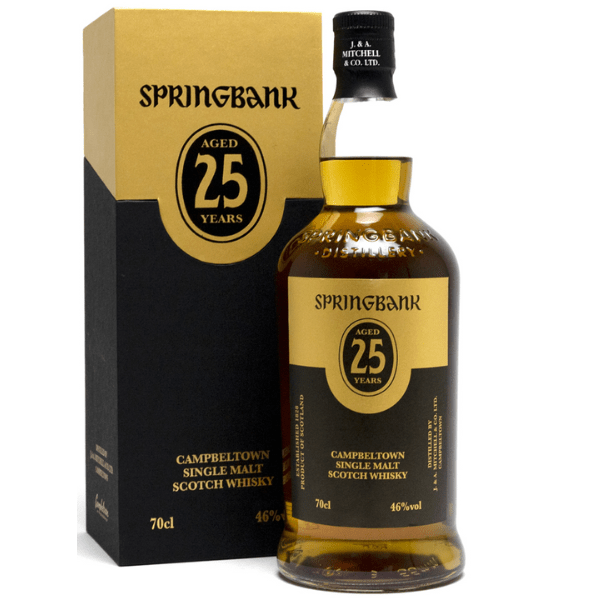
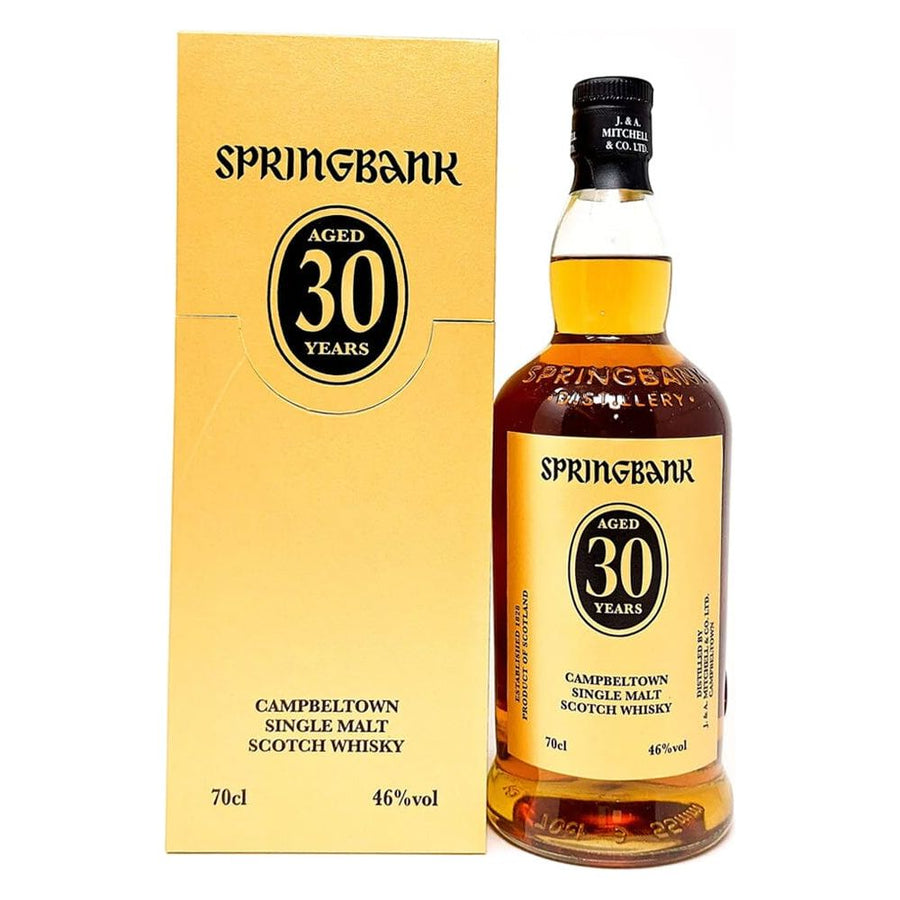
Springbank has crafted single malt Scotch whisky in Campbeltown since 1828 — one of Scotland’s oldest family-owned distilleries and one of the only distilleries in Scotland that performs every stage of production on-site: floor malting, distillation, coopering, maturation, and bottling. The entire whisky-making process from raw barley to finished bottle happens within the distillery complex, giving Springbank a level of production integrity almost no other Scottish distillery can claim. Three styles: Hazelburn (unpeated, triple-distilled), Springbank (lightly peated, 2.5x distilled), and Longrow (heavily peated, double-distilled).
Browse all Scotch whisky and rare and allocated bottles at Wooden Cork.
Standard Scotch whisky is either double-distilled (two full passes through pot stills, the norm for most distilleries) or triple-distilled (three full passes, used by Irish distilleries and a few Scottish ones like Auchentoshan). Double distillation retains more congeners — the flavor compounds from fermentation — producing richer, heavier, more complex spirit. Triple distillation strips more of these compounds, producing a lighter, cleaner, more delicate spirit. Springbank’s 2.5x distillation sits deliberately between these approaches: the wash is distilled twice in the wash still, and then the low wines from one run are added to the second distillation in the spirit still. The fraction that goes into the third distillation is specifically controlled so that the final spirit retains more of the congeners that double distillation preserves while also achieving some of the refinement that a third pass would produce. The practical result is a spirit with more textural richness and complexity than triple-distilled whisky, but with a more layered and integrated character than standard double-distilled Scotch. This is specific to Springbank — no other distillery uses the same 2.5x process in the same way.
Campbeltown was once the whisky capital of the world — at its peak in the early 20th century, more than 30 distilleries operated in this small town at the tip of the Kintyre peninsula on the west coast of Scotland. The industry collapsed almost entirely between Prohibition (which destroyed the US export market) and the general economic depression of the 1920s and 1930s. By the mid-20th century, only Springbank and Glen Scotia survived; Glengyle (producing Kilkerran) reopened in 2004. The SWA (Scotch Whisky Association) retained Campbeltown as a separate geographic indication despite its small size because the style of whisky produced there is genuinely distinct: a briny, sometimes sulfurous, oily, and complex character that reflects the coastal location, the traditional production methods (floor malting, worm tub condensers, minimal filtration) of the surviving distilleries, and the historical identity of the region. Springbank’s commitment to these traditional methods is specifically what makes Campbeltown’s regional designation meaningful rather than purely historical.