Single Malt Whisky
513 products


513 products
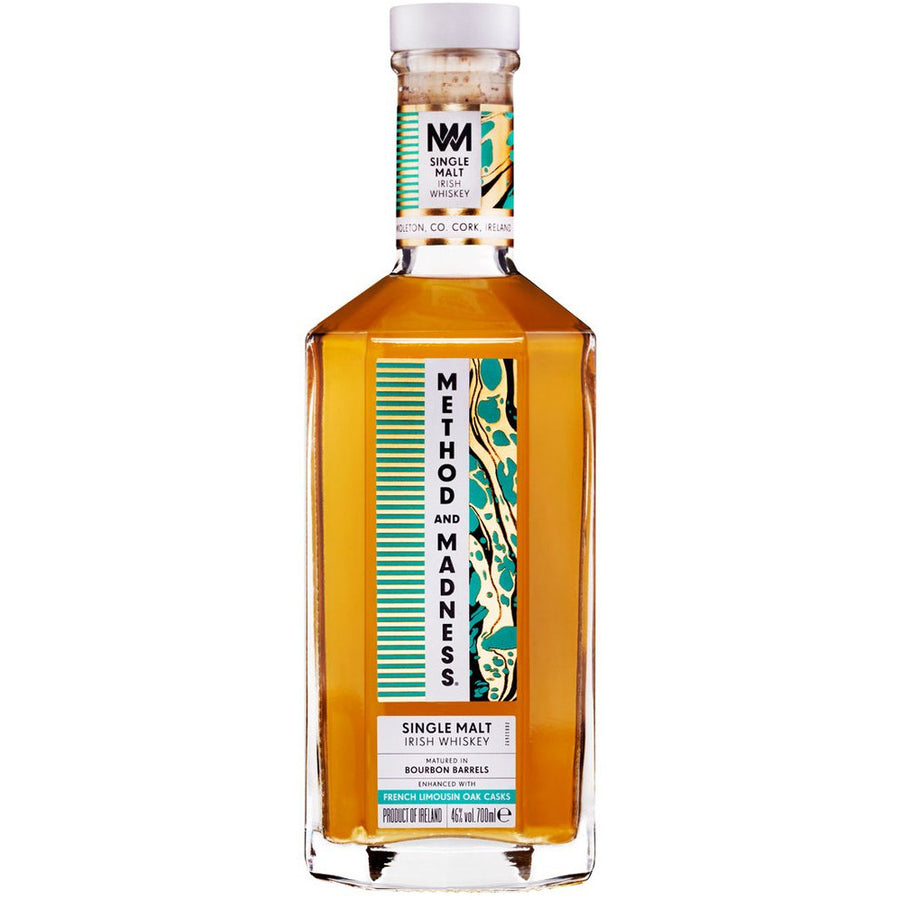
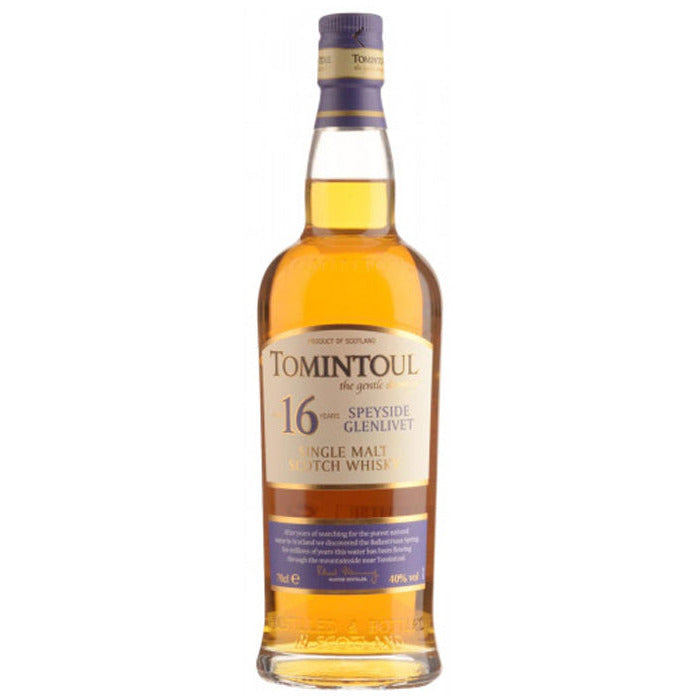
Single malt whisky is made from malted barley at a single distillery — that’s the complete legal definition. The word “single” refers to the distillery, not the cask or the batch; a single malt may be blended from many casks and many years of production, as long as all of them came from the same distillery. Single malt Scotch, Japanese single malt, Irish single malt, and American single malt are each governed by their own regional rules but share this core requirement.
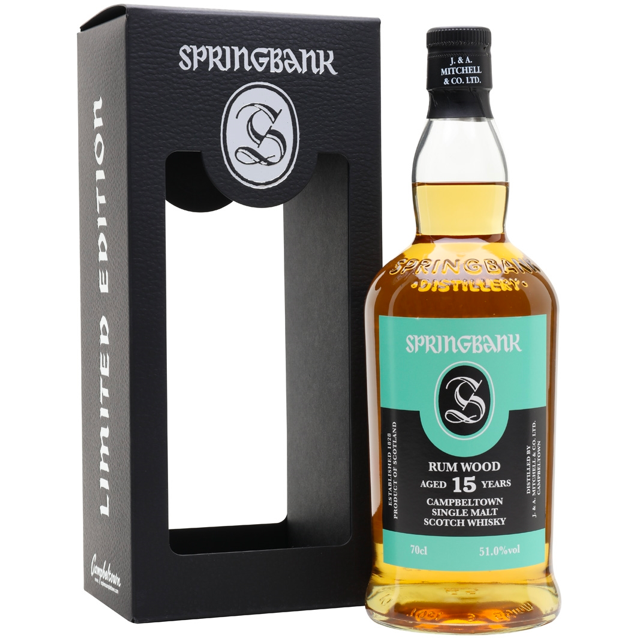
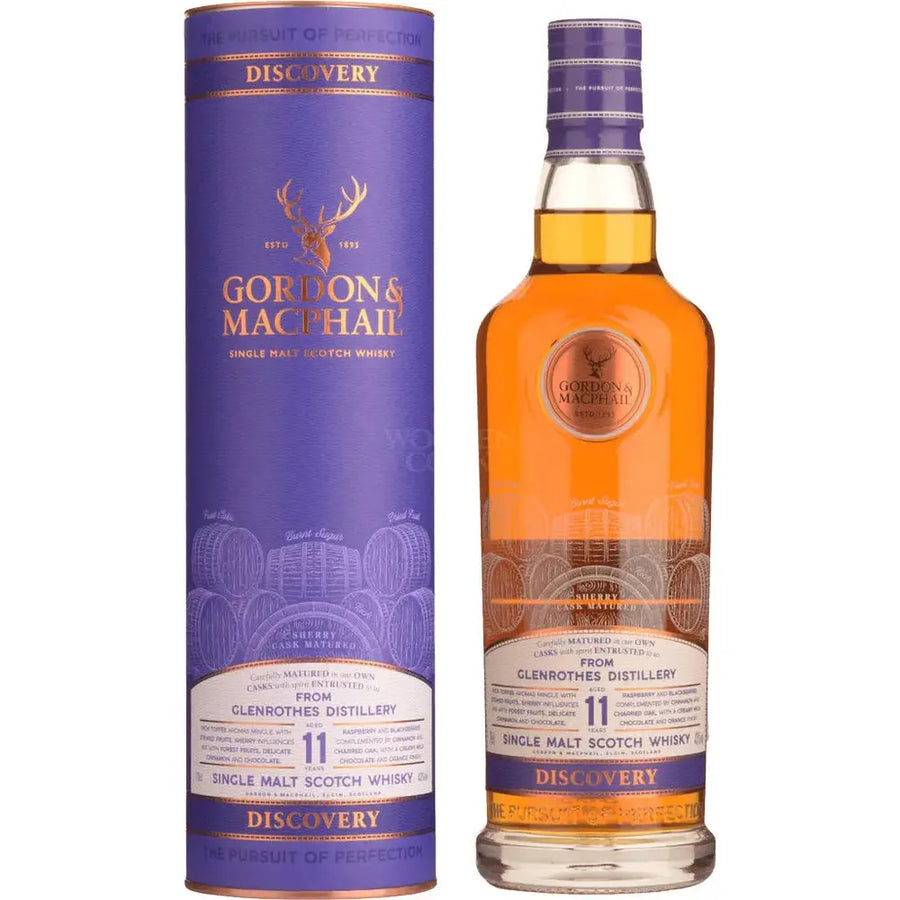
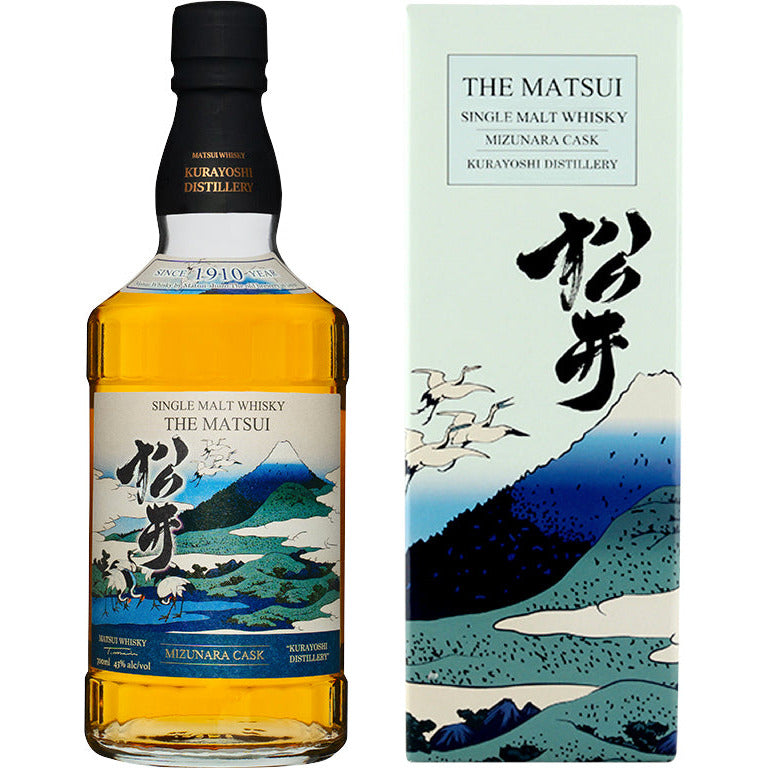
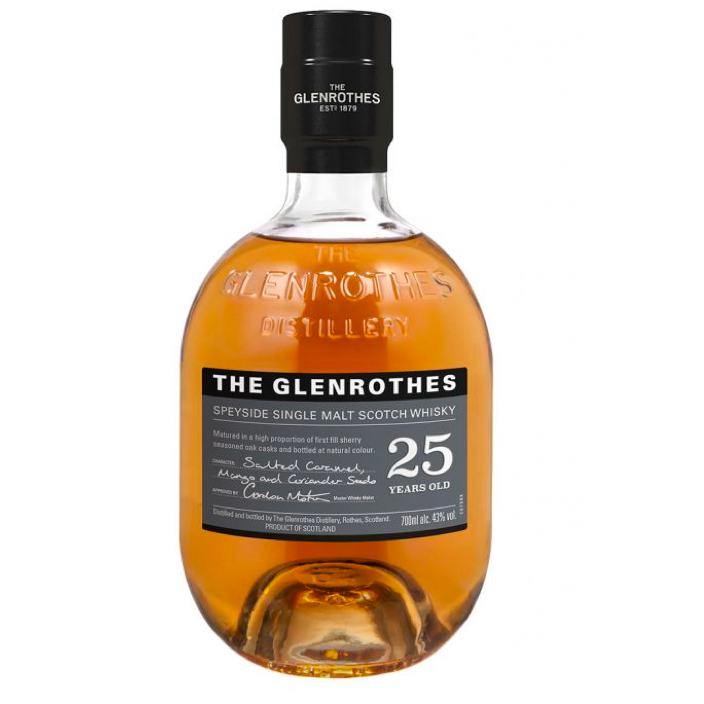
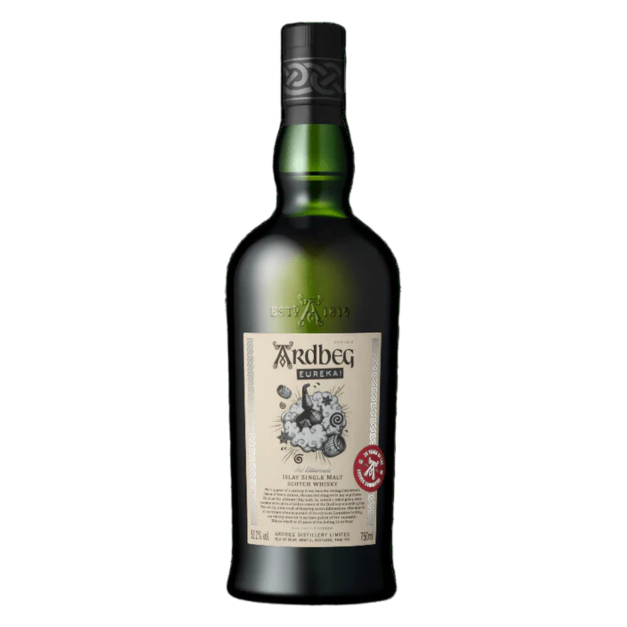
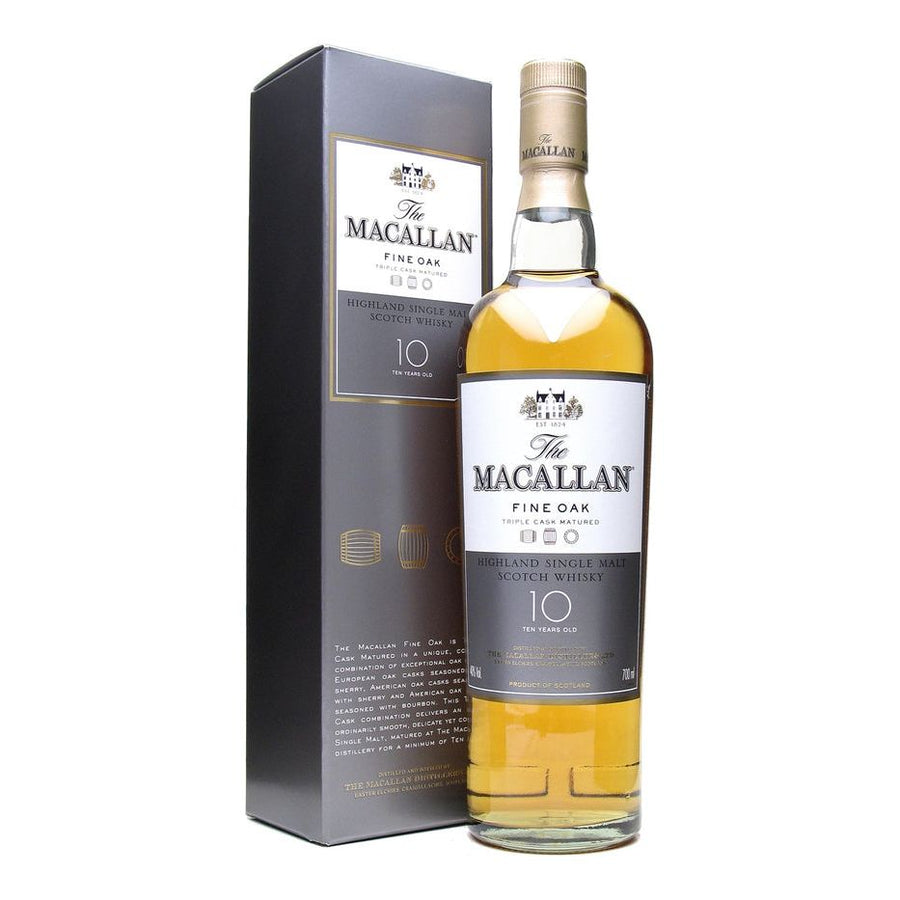
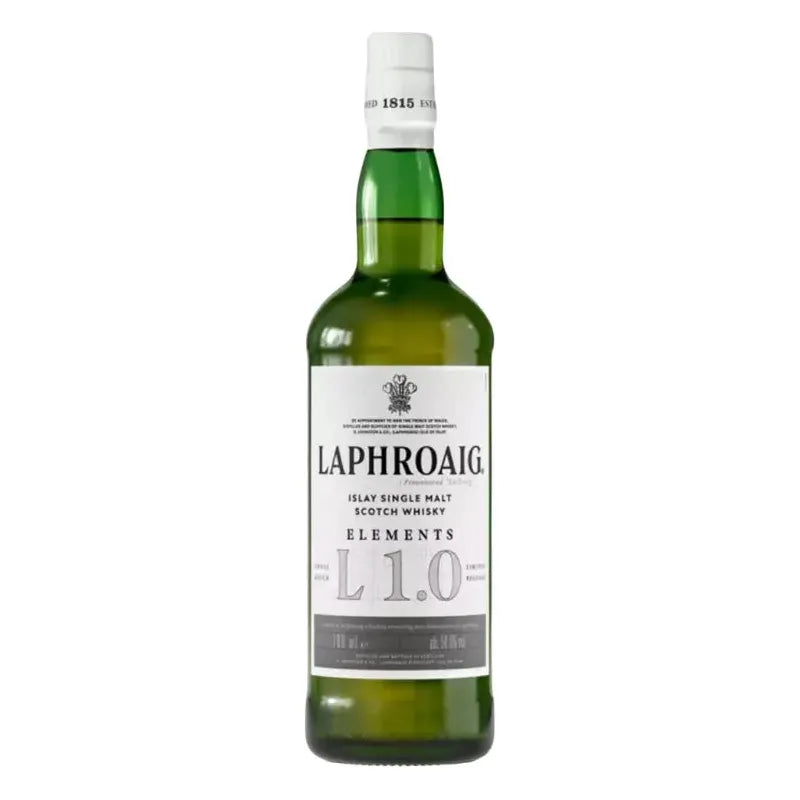
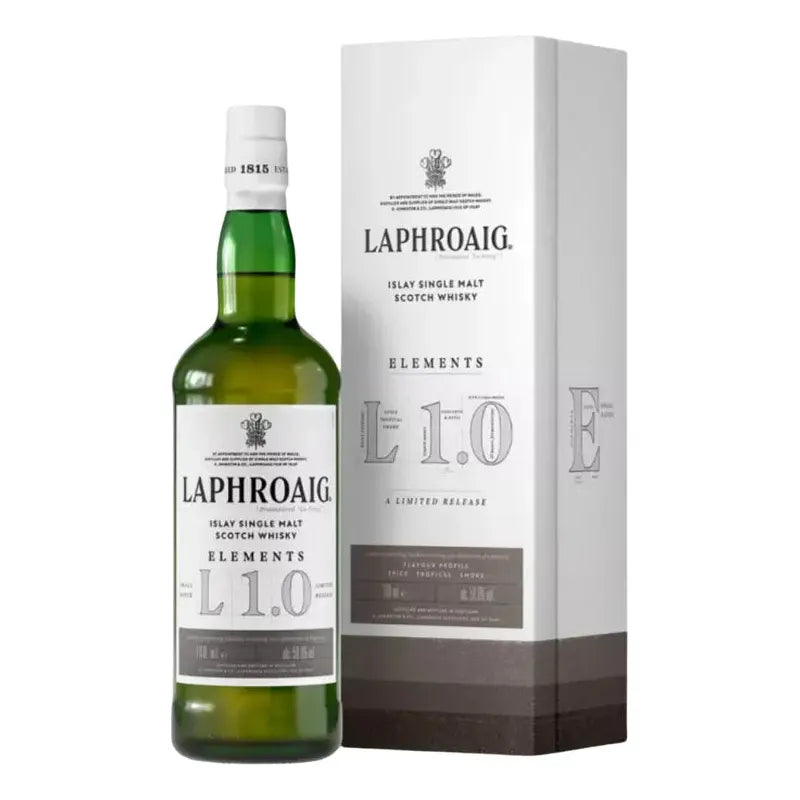
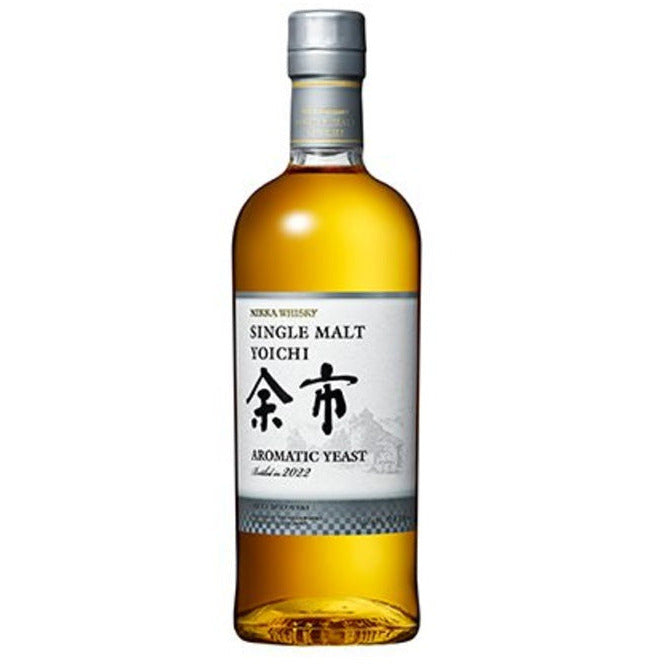
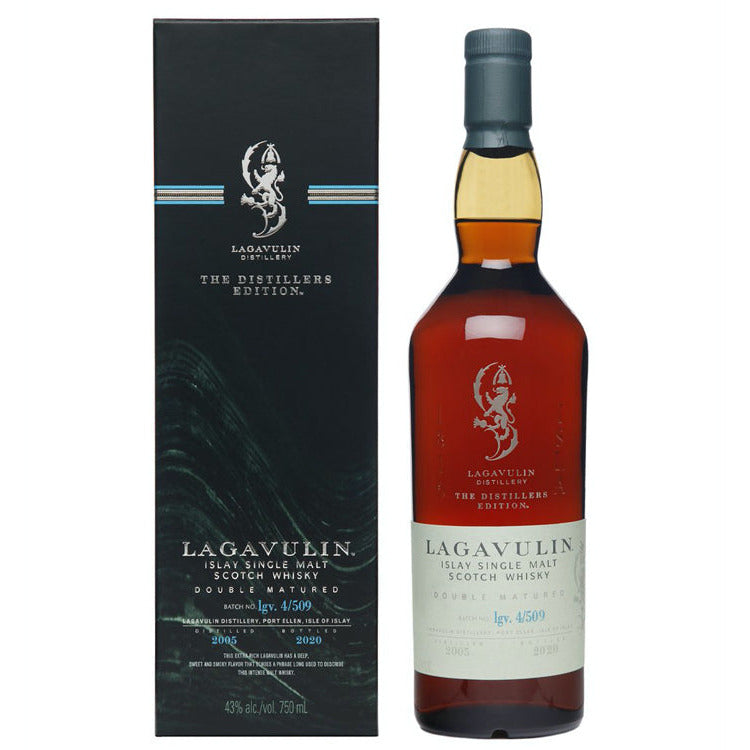
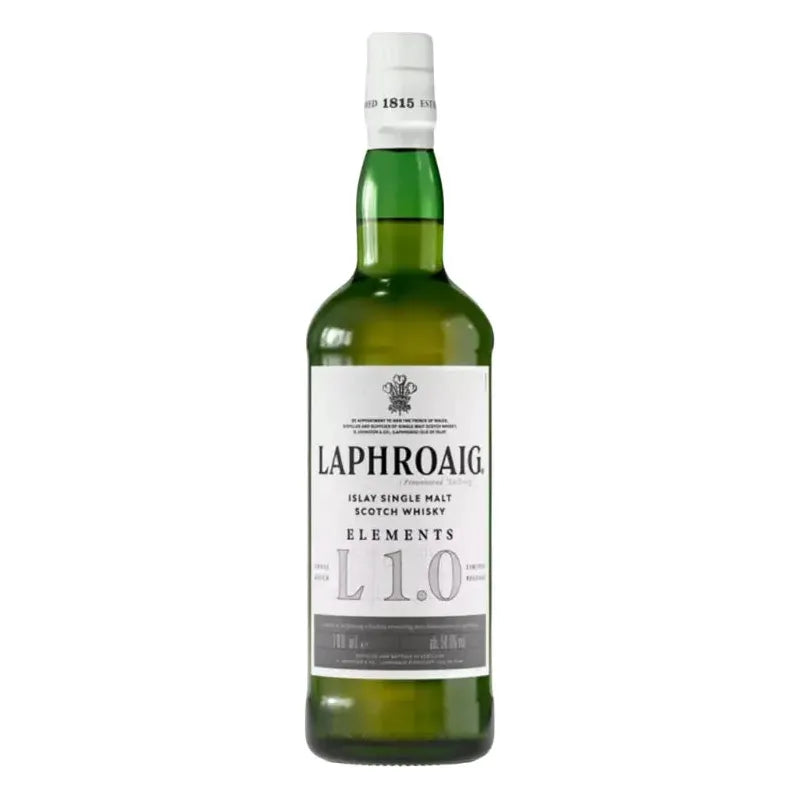
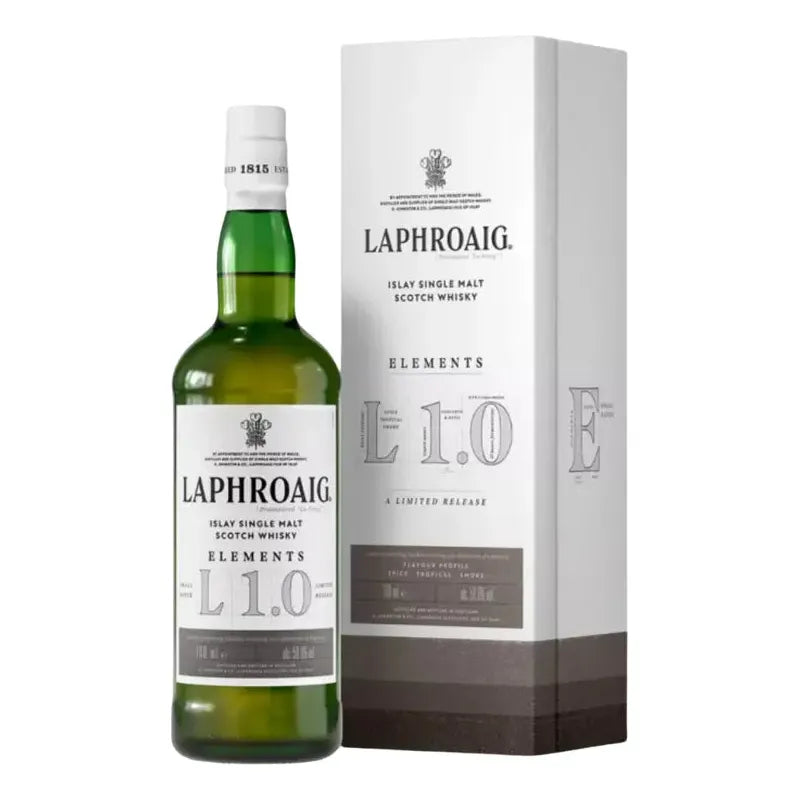
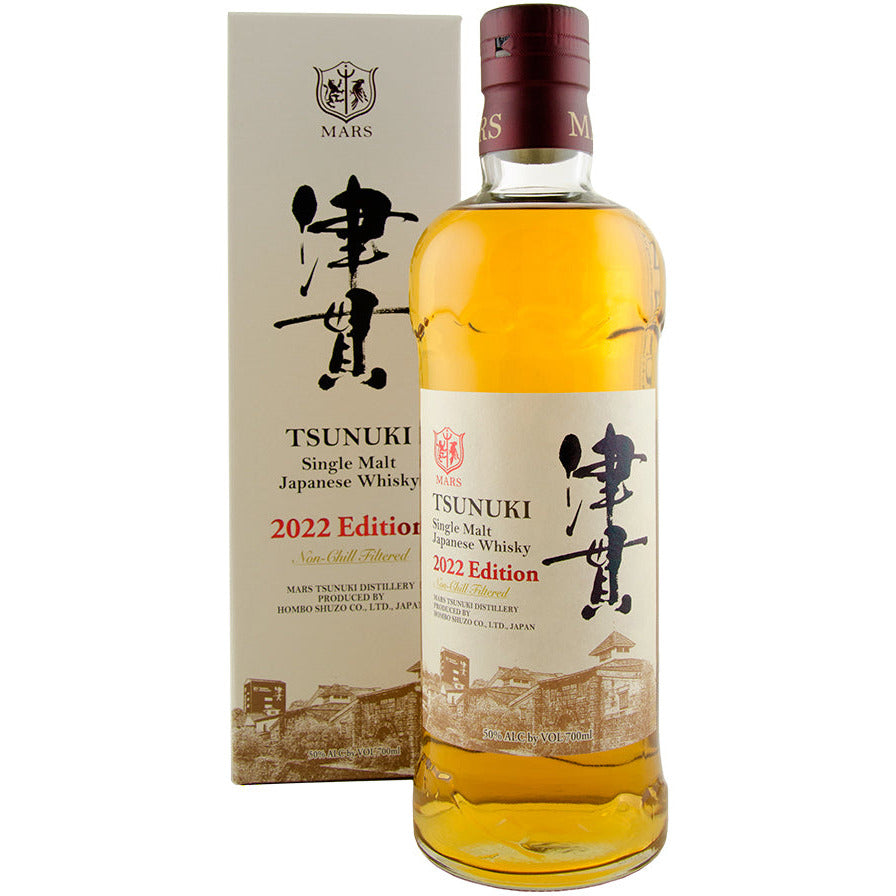
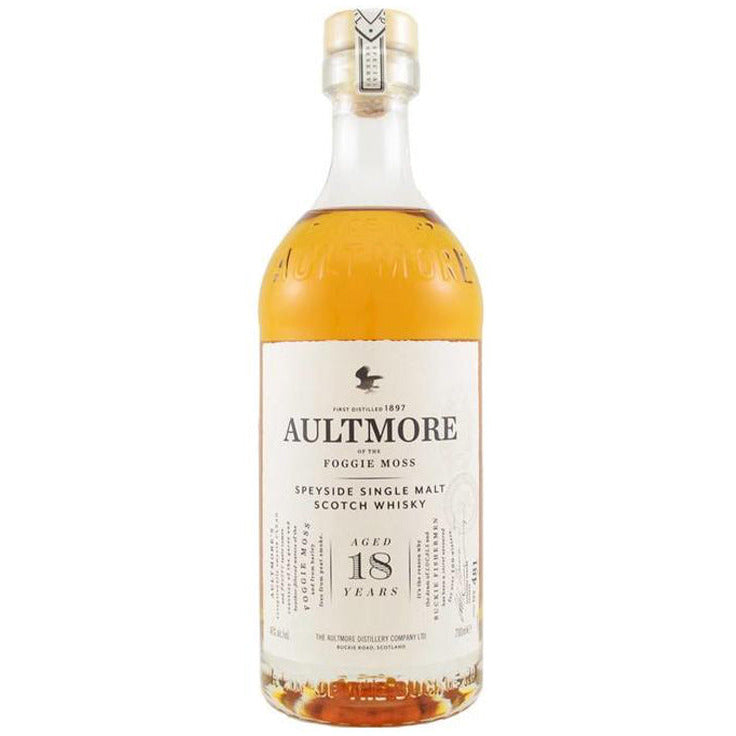
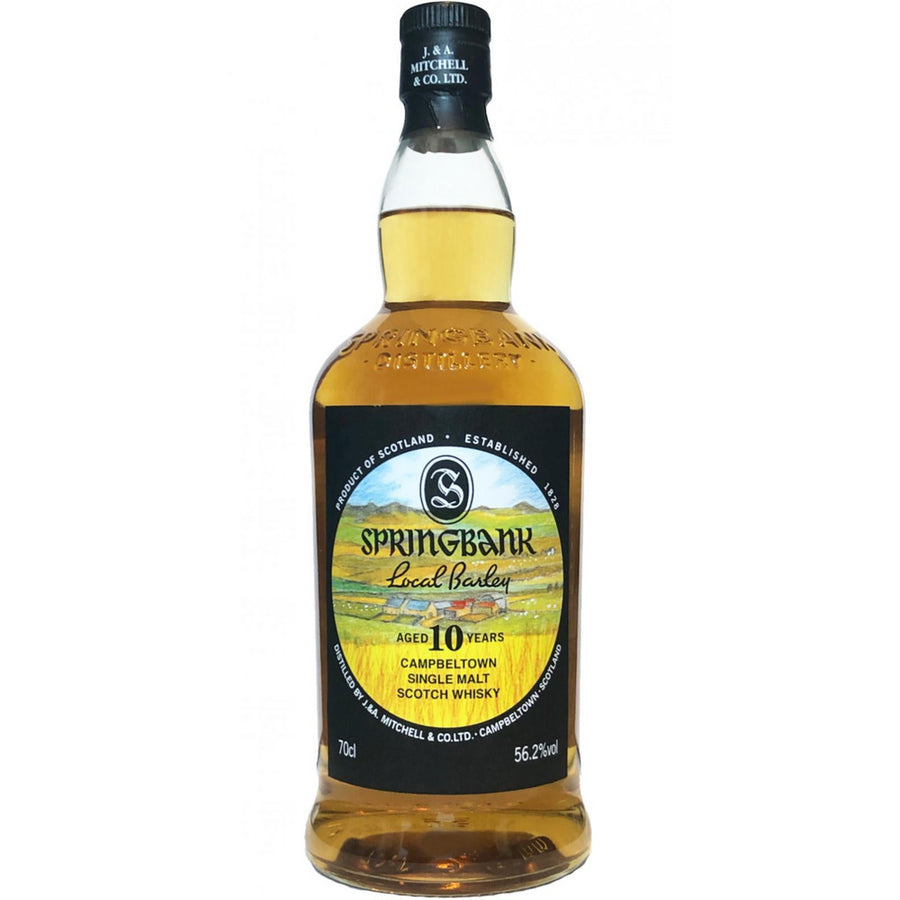
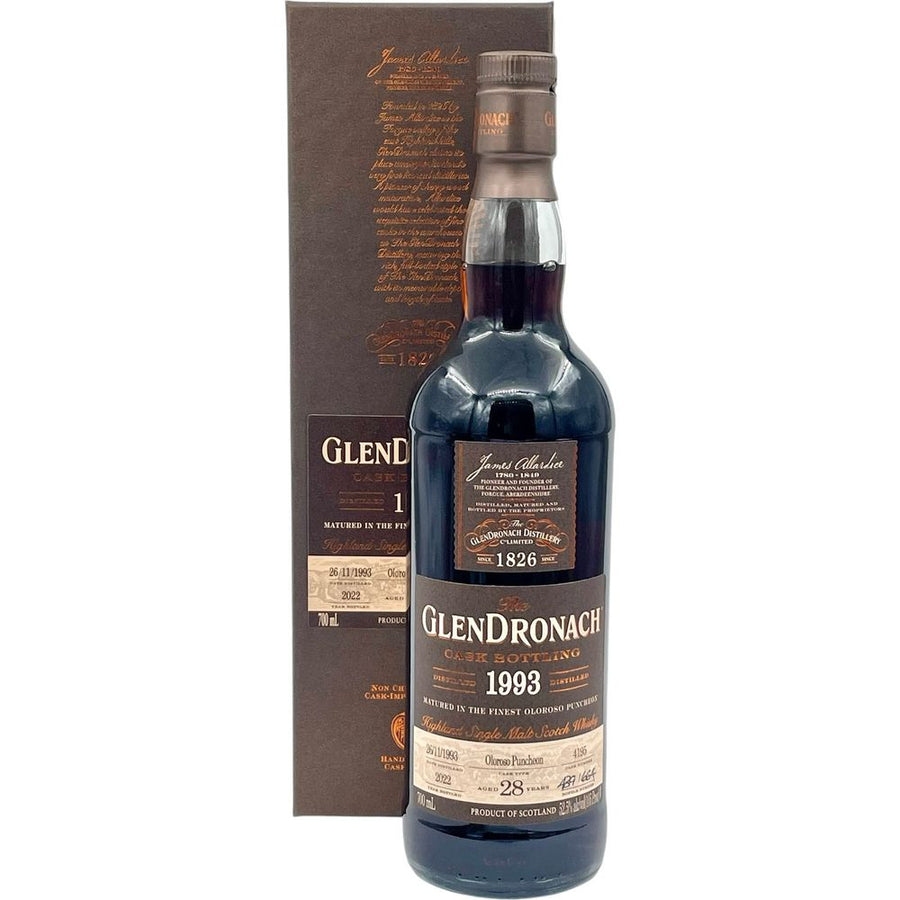
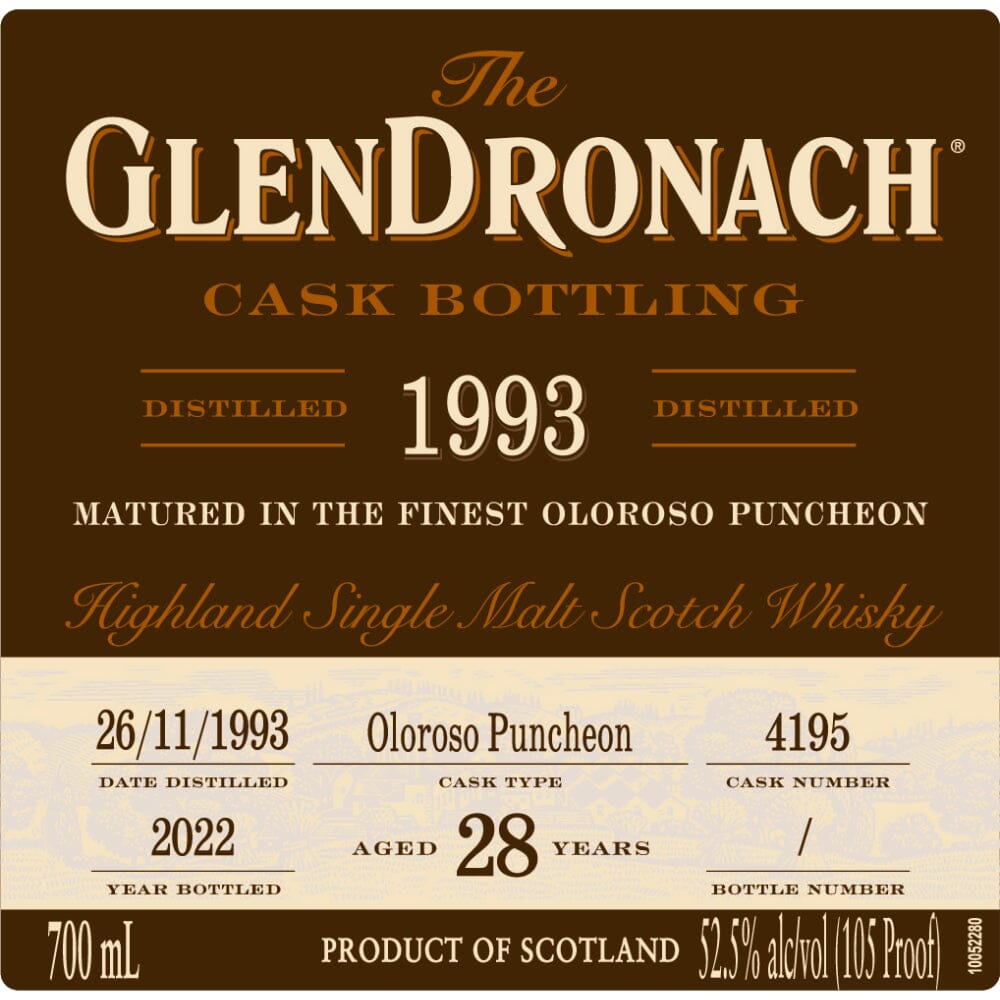
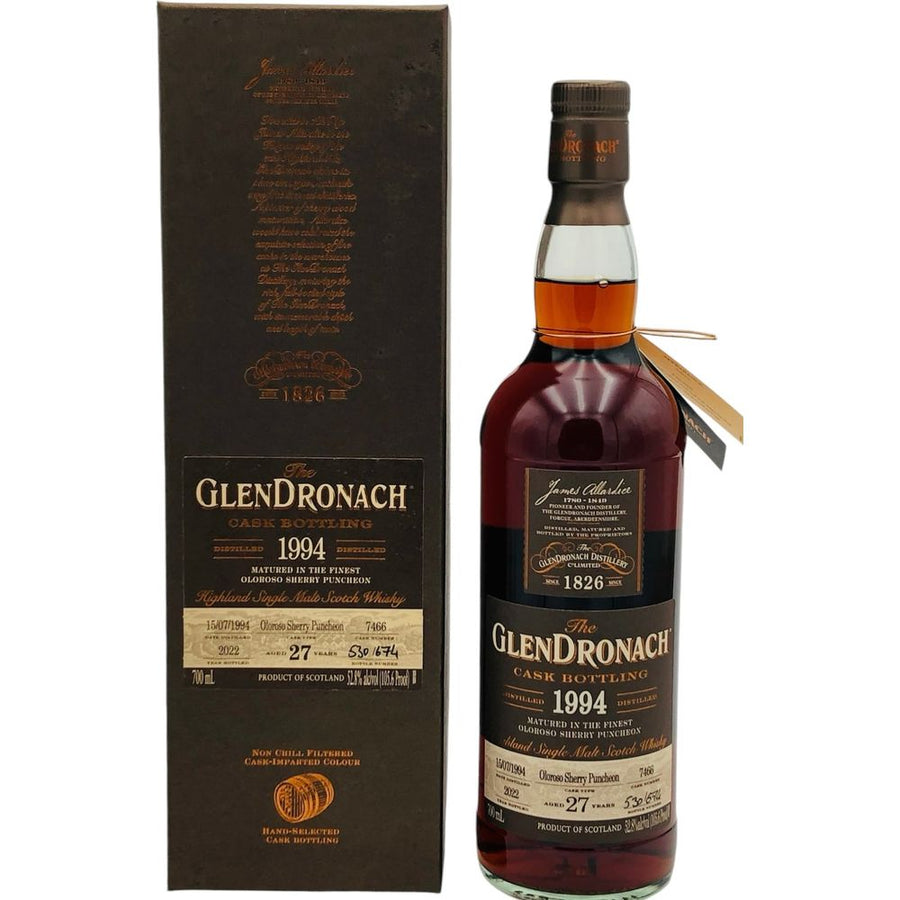
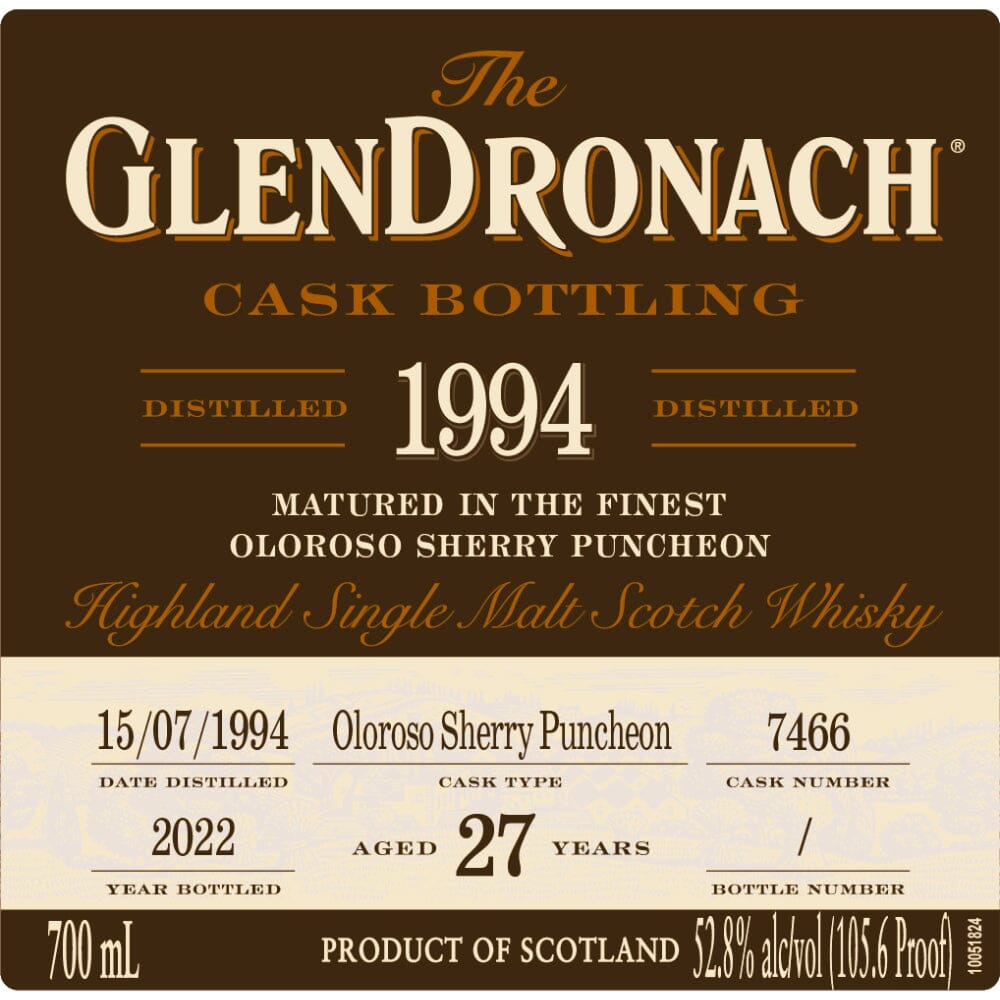
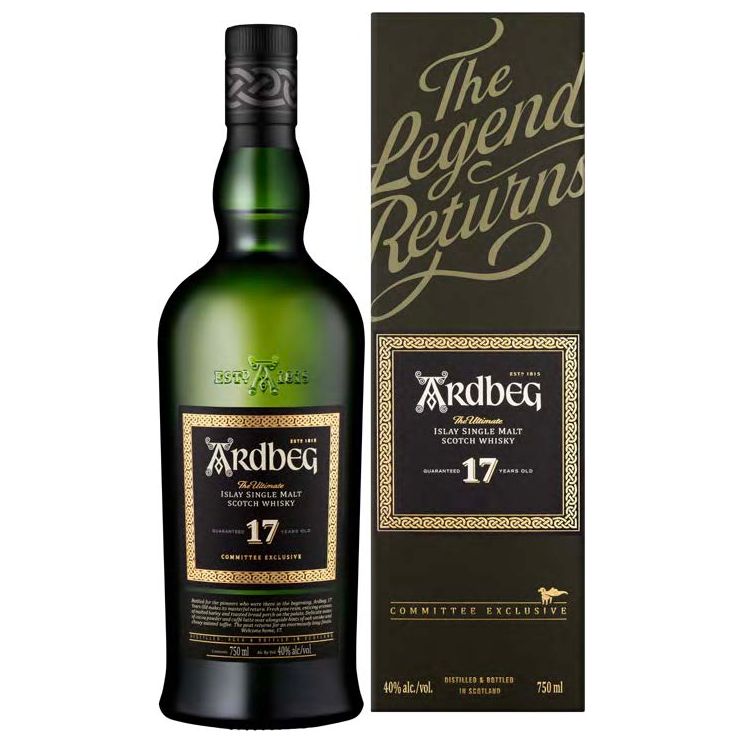
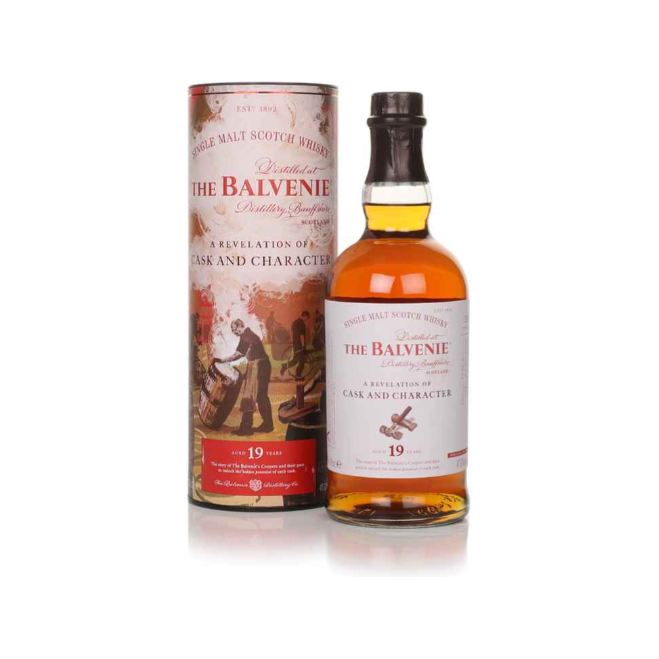
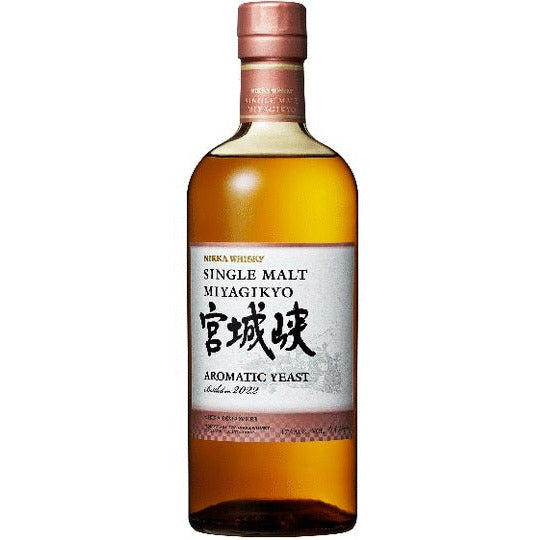
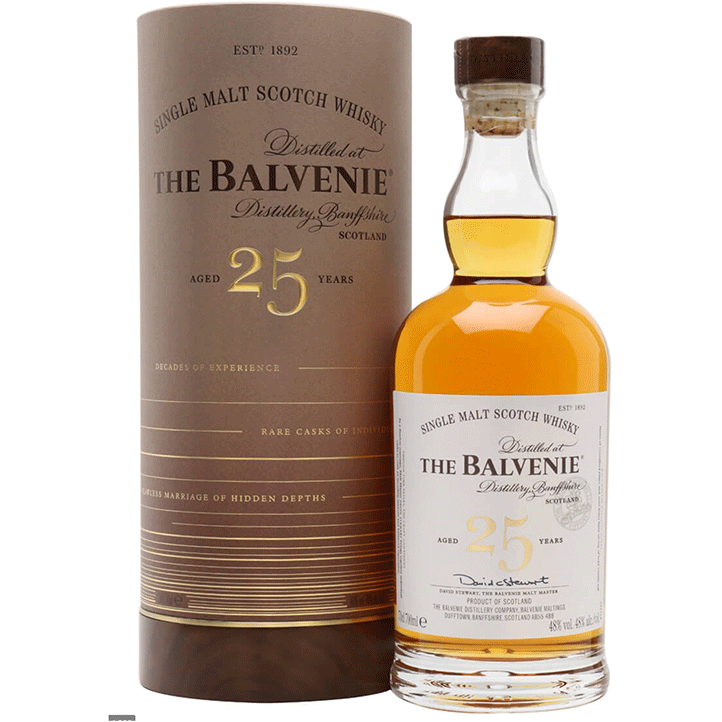
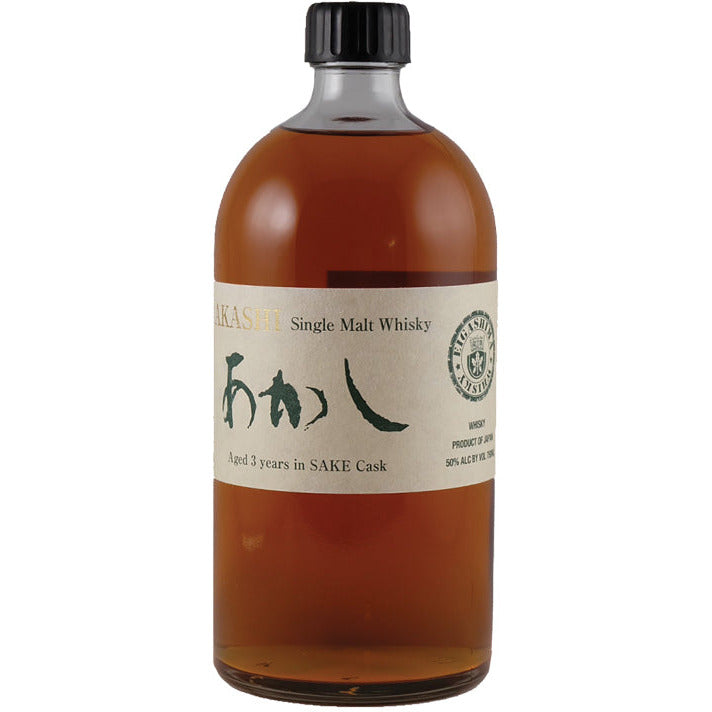
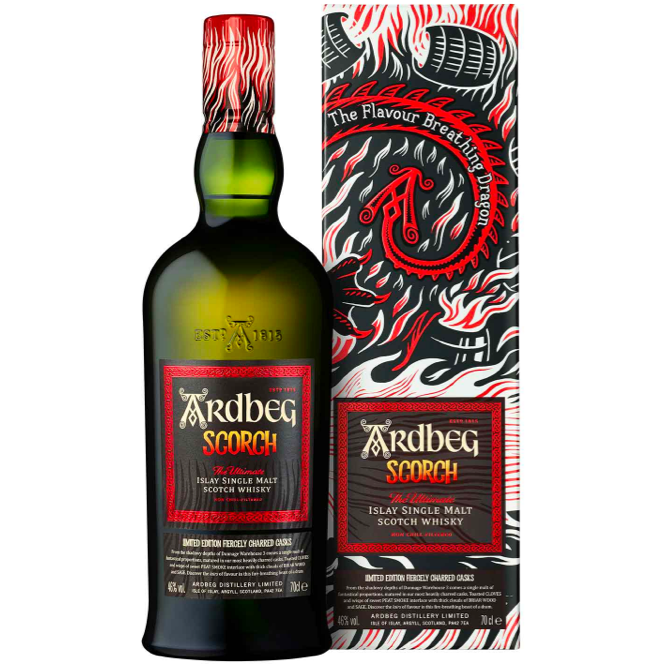
The category is dominated by Scotch, where regional styles define much of the flavor landscape: Islay single malts (Ardbeg, Laphroaig, Lagavulin, Kilchoman) are defined by heavy peat smoke from the island’s coastal bogs; Speyside (The Macallan, Glenfiddich, GlenDronach, Balvenie) produces the fruit-forward, Sherry-influenced, and approachable style most people associate with Scotch; Highlands (Glenmorangie, Dalmore, Oban) covers an enormous geographic range with diverse styles; Campbeltown (Springbank, Kilkerran) is one of the rarest producing regions, known for brininess and oily texture. Japanese single malt (Yamazaki, Hakushu, Kanosuke, Akkeshi) follows Scottish tradition with Japanese precision and distinctive wood choices including Mizunara oak. American single malt is an emerging category with no age requirement but increasingly serious producers. Browse all Scotch whisky, Japanese and foreign whisky, and all whiskey at Wooden Cork.
Single malt comes from one distillery and uses only malted barley. Blended Scotch (Johnnie Walker, Chivas Regal, Dewar’s) combines malt whisky from multiple distilleries with grain whisky (usually from wheat or corn) in proportions set by the master blender. Blended Scotch accounts for roughly 90% of all Scotch sold globally. Single malt is more expensive and more distillery-specific in character, while blended Scotch prioritizes consistency, accessibility, and volume. Neither is inherently better — they are different products with different goals.
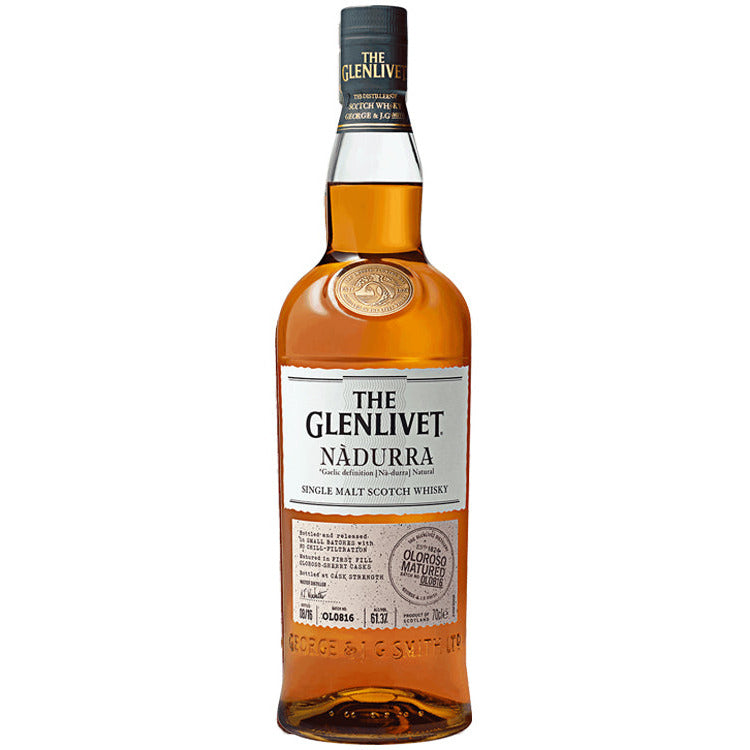
The age on a single malt label refers to the youngest whisky in the bottle — not the average age or the age of the oldest component. A 12-year Scotch contains no whisky younger than 12 years, but may contain much older spirit. No-age-statement (NAS) single malts contain no age claim, which allows distilleries to use younger whisky and draw from a wider range of barrels. NAS expressions are not automatically inferior — Ardbeg Uigeadail, Glenfarclas 105, and Springbank’s 10-year’s unofficial reputation all demonstrate that age statements are a legal guarantee about minimum age, not a quality ceiling.
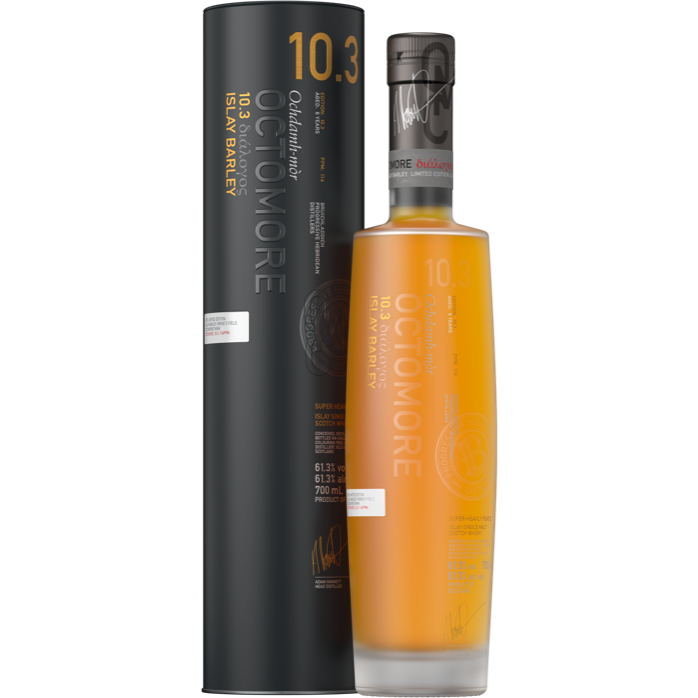
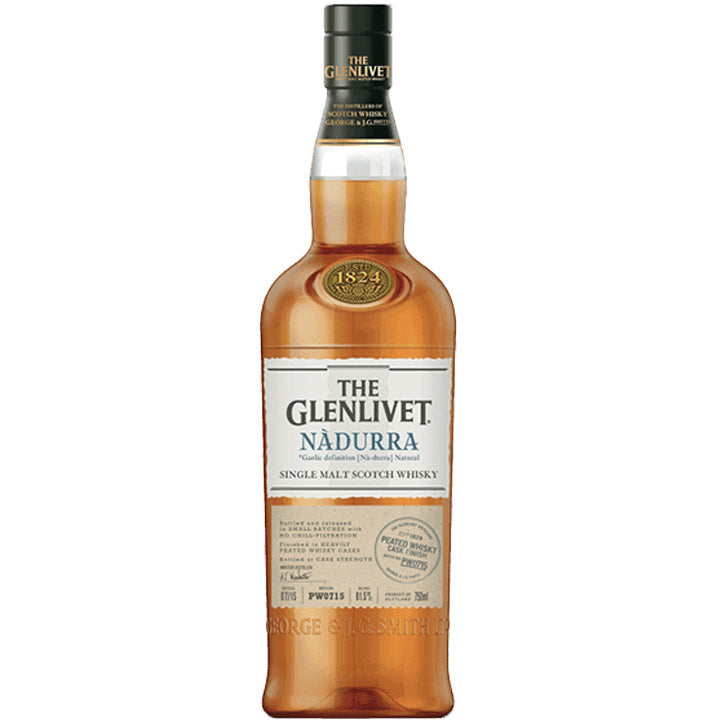
Peat is partially decomposed organic matter used as fuel to dry malted barley after germination. Burning peat produces smoke that infuses the barley with phenolic compounds measured in parts per million (PPM). Heavily peated malts (Ardbeg, Octomore, Laphroaig) have PPM levels of 25–300+, producing distinctive smoke, iodine, and medicinal character. Unpeated malts (most Speyside, many Highlands) use kiln-dried or gas-dried malt with minimal or no peat, producing fruit, floral, and cereal-forward character. Peat level is set at the malting stage and defines the base character of the spirit before barrel aging begins.