Single Barrel Bourbon
620 products


620 products
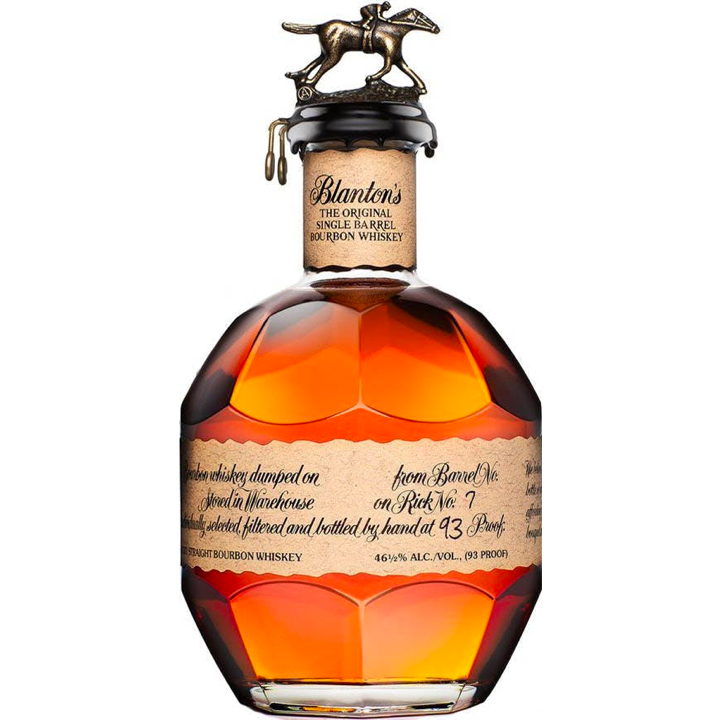
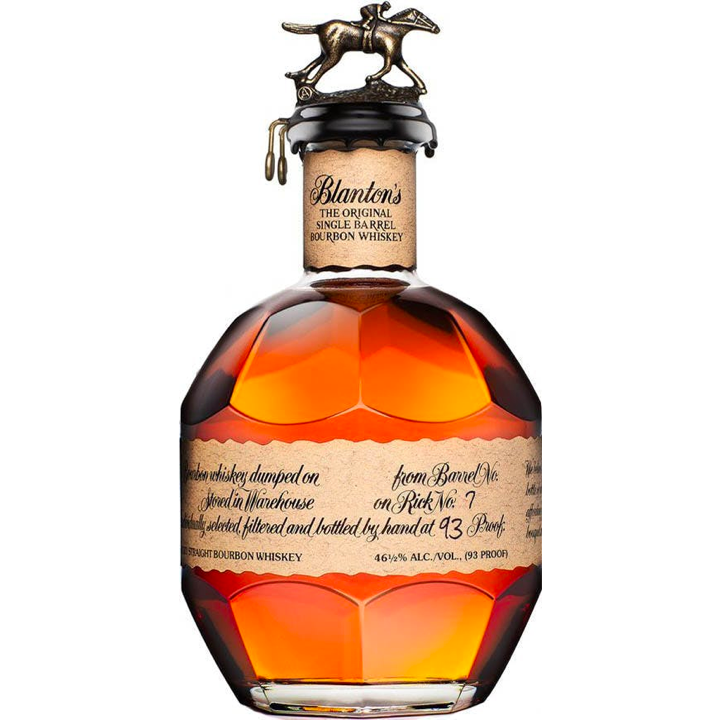
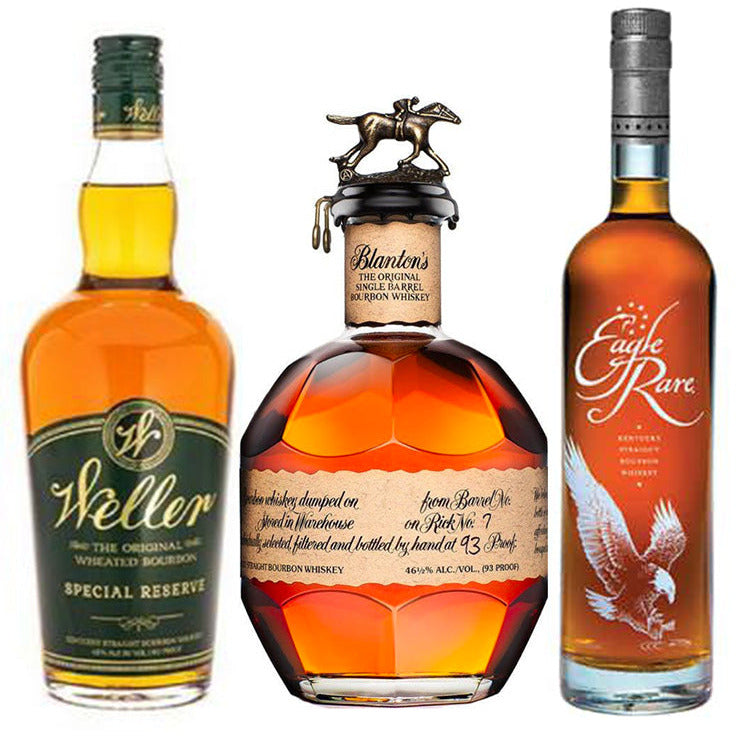
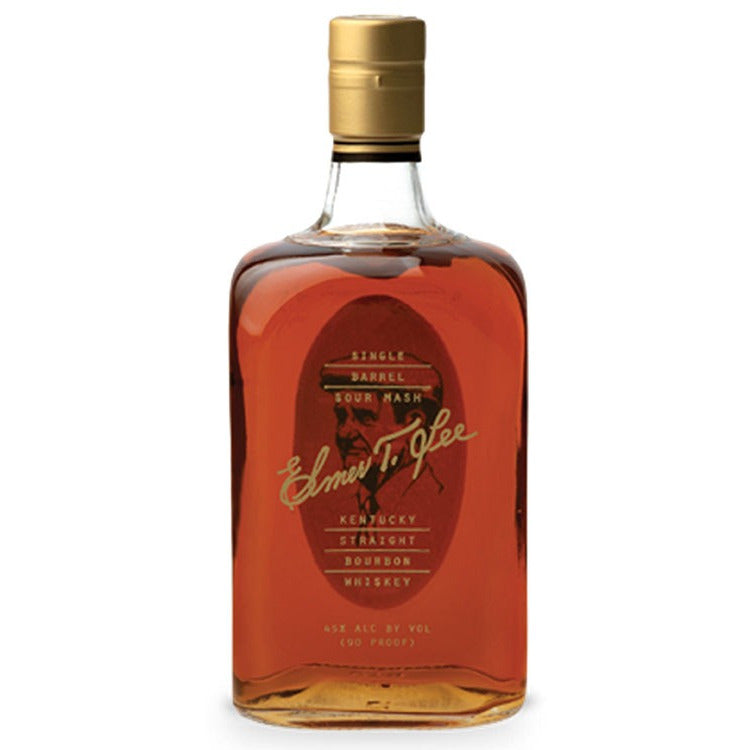
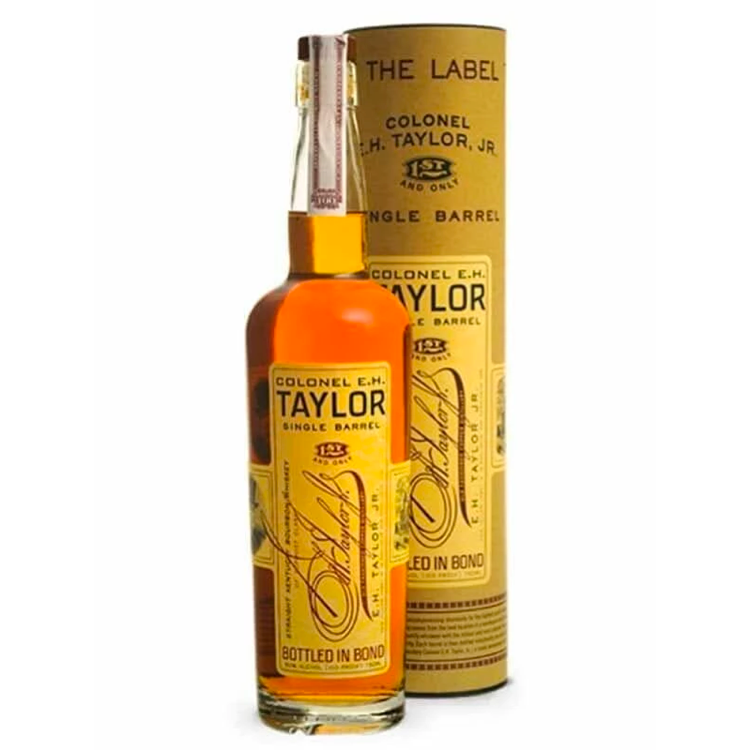
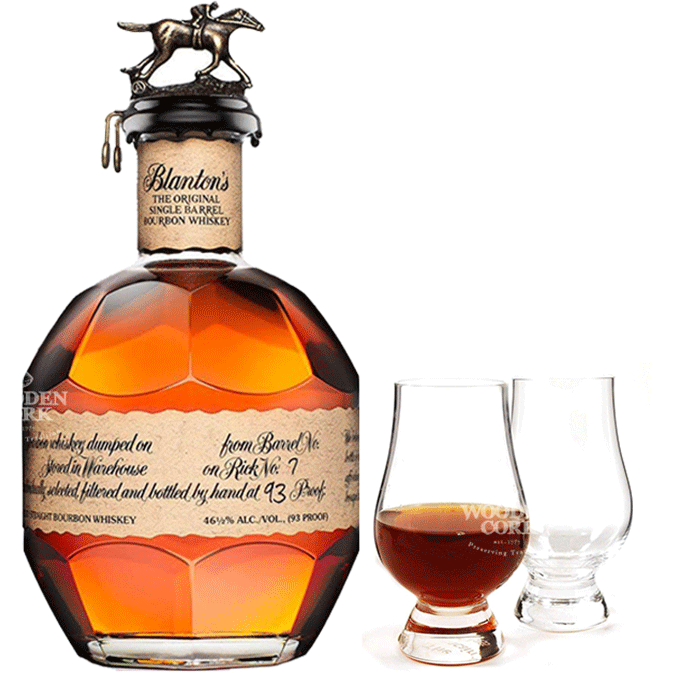
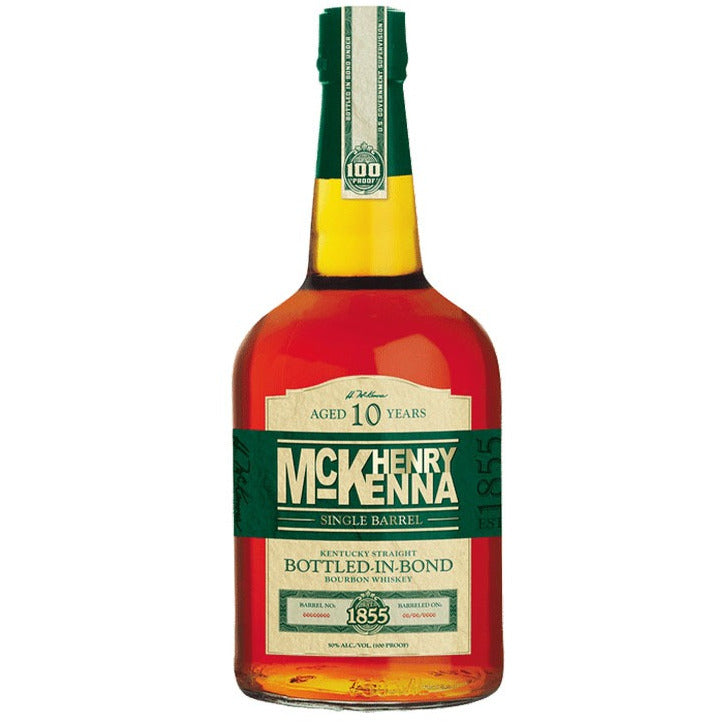
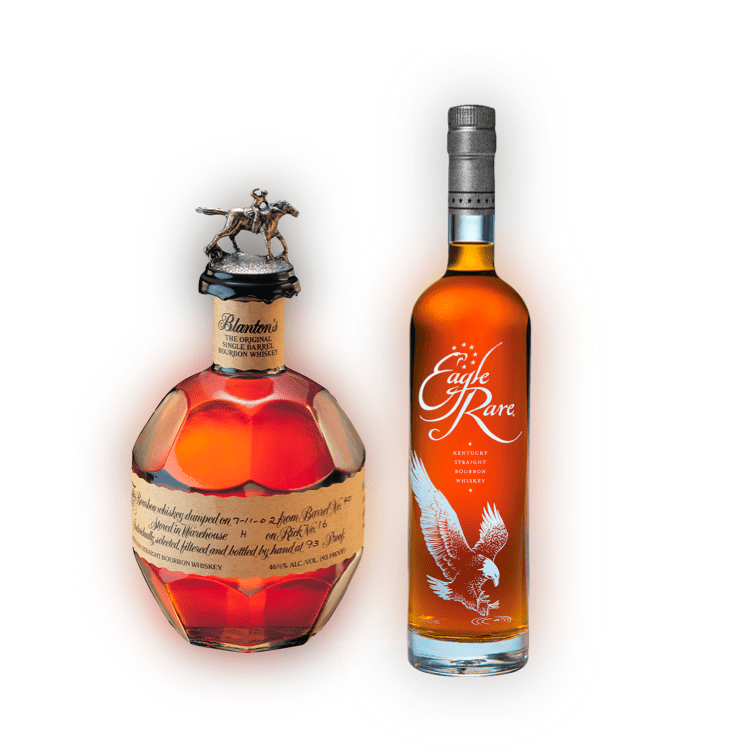
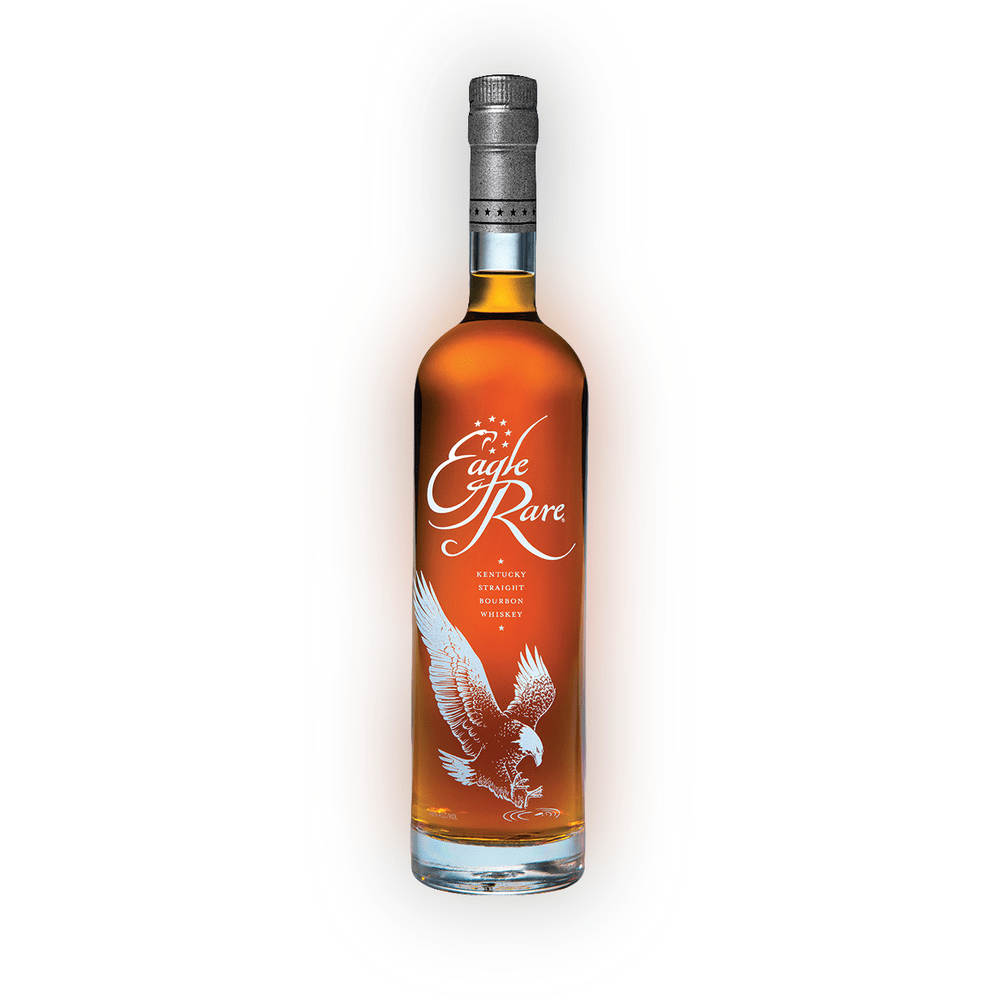
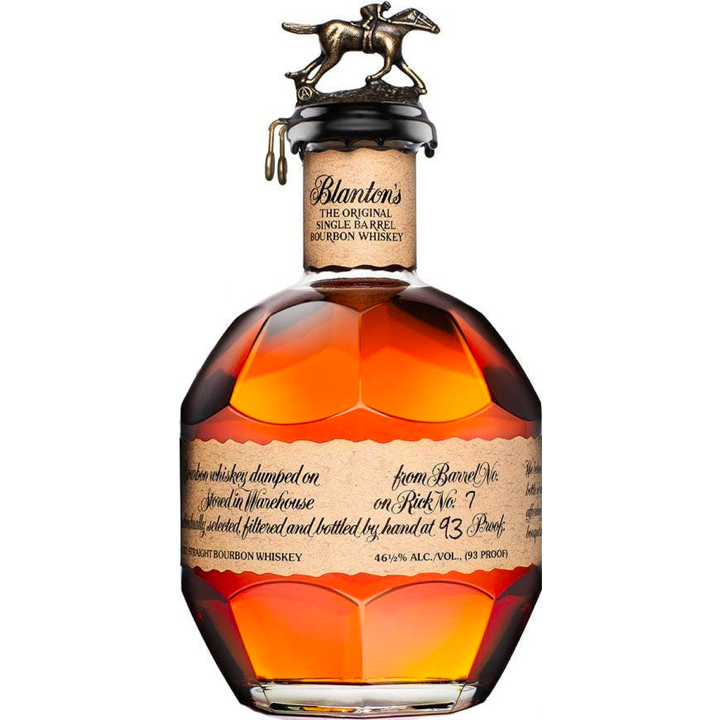
Single barrel bourbon is bottled from one specific cask rather than blended from many — every bottle carries the unique character of that individual barrel’s aging conditions. Wooden Cork ships premium single barrel bourbon nationwide: Blanton’s, Four Roses, Eagle Rare, Henry McKenna 10 Year BiB, Russell’s Reserve, E.H. Taylor Single Barrel, Rock Hill Farms, Knob Creek Single Barrel Reserve 120 proof, and Wooden Cork’s own private barrel selections.
Most bourbon is blended — distillers combine spirit from dozens or hundreds of barrels to produce a consistent, replicable house flavor profile. Single barrel takes the opposite approach: each bottle comes from one cask, carrying the signature of that barrel’s exact location in the rickhouse, the wood it interacted with, and the years it spent aging. Blanton’s Single Barrel (released 1984, widely credited as the first modern single barrel bourbon) prints the barrel number and warehouse location on the label. Four Roses prints the recipe code on each single barrel bottle — OBSV, OBSF, OBSO, and so on — identifying the specific yeast strain and mashbill combination used for that cask. Every single barrel release varies from the last. That variation is the appeal.
Browse all bourbon and rare and allocated bottles at Wooden Cork.
The primary source of variation in single barrel bourbon is rickhouse position — where in the aging warehouse the barrel sat during its entire maturation period. Kentucky rickhouses are not climate-controlled, which means the temperature and humidity conditions experienced by each barrel are determined entirely by its position. Upper-floor barrels experience more extreme heat in summer (sometimes 100°F+ at the very top), which accelerates the bourbon’s cycling in and out of the barrel wood and produces more wood extraction, darker color, higher proof from water evaporation, and more concentrated flavor. Lower-floor barrels in cooler, more moderate conditions age more slowly, retaining more of the original distillate’s grain character and producing a lighter, more delicate result at lower proof. Even two barrels filled from the same batch on the same day and placed side by side in the same warehouse will develop differently if one sits twelve feet higher than the other. The specific oak characteristics of each individual barrel — stave grain density, char level, and the tree’s growth conditions — contribute additional variation. This is why the same single barrel brand can taste noticeably different from one release to the next even with identical mashbill and entry proof.
Four Roses is unique among major American distilleries in producing ten distinct whiskey recipes by combining two mashbills with five proprietary yeast strains — and then disclosing which recipe is in every single barrel bottle via a code printed on the label. The two mashbills are B (75% corn, 20% rye, 5% malted barley — the high-rye recipe) and E (60% corn, 35% rye, 5% malted barley — the even higher rye recipe). The five yeast strains are V (delicate fruit), K (light spice), O (rich fruit), Q (floral essence), and F (herbal notes). A bottle labeled OBSV is Mashbill B, Kentucky Straight Bourbon, Yeast V — the most fruit-forward and delicate of the ten recipes. OBSF is Mashbill B with the herbal yeast — the most unusual and sought-after of the recipes. The code system means that educated buyers can identify which of the ten flavor profiles is in a specific single barrel bottle before opening it — a level of production transparency no other major distillery offers.