Shiraz
42 products


42 products
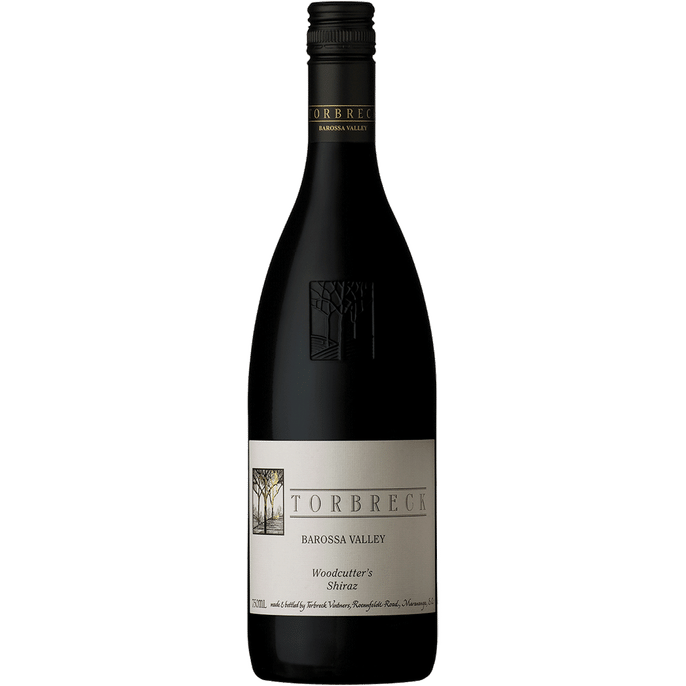
Shiraz and Syrah are the same grape variety — the name reflects where it’s grown and, more importantly, how it’s made. Australian Shiraz from the Barossa Valley and McLaren Vale leans toward ripe, generous, plush fruit: blackberry, dark plum, dark chocolate, and vanilla from American and French oak, with high alcohol and a soft, enveloping texture. French Syrah from the Northern Rhône — Hermitage, Crozes-Hermitage, Côte-Rôtie, Cornas — is a fundamentally different wine: more structured, more savory, more restrained, with black olive, smoked meat, violet, and iron alongside the dark fruit. Both age beautifully, with top expressions developing for 15–30+ years.
Browse all wine and red blends at Wooden Cork.
The answer lies in climate, yield, and winemaking philosophy — not in any fundamental biological difference in the grape. The Barossa Valley in South Australia is warm to hot, with old-vine Shiraz (some vines over 100 years old) producing concentrated, low-yield fruit that naturally favors full physiological ripeness before harvest. At full ripeness, Shiraz develops its plush dark fruit and chocolate profile; at this ripeness level, primary fruit dominates and the more savory, earthy elements recede. Australian winemakers have historically also favored large-format American oak barrels and extended maceration, which contribute additional sweetness and a softer tannin structure. The Northern Rhône in France is a much cooler climate on steep, south-facing granite and schist slopes above the Rhône River. Lower temperatures mean slower ripening, more retained acidity, and a harvest window where the grape reaches sufficient sugar with less of the full physiological ripeness that produces Barossa’s plush character. The granite and schist soils contribute mineral and herbal compounds that warm alluvial and clay-limestone soils in Australia don’t produce. Côte-Rôtie specifically blends up to 20% Viognier — a white grape — into the Syrah, contributing floral, apricot, and spice aromatic complexity unique to that appellation. The practical implication: if you want opulent, fruit-forward, and immediately approachable, Barossa Shiraz. If you want structure, complexity, and 20-year aging potential with savory depth, Northern Rhône Syrah.
The Rhône Valley splits into two climatically and stylistically distinct sub-regions at the town of Montelimar. The Northern Rhône (Hermitage, Côte-Rôtie, Cornas, Crozes-Hermitage) produces 100% Syrah from steep granite and schist slopes in a cooler continental climate — the wines are structured, savory, and age-worthy. The Southern Rhône (Châteauneuf-du-Pape, Gigondas, Vacqueyras, Côtes du Rhône) is a much warmer, flatter, Mediterranean climate where Grenache — not Syrah — is the dominant grape. GSM blends (Grenache, Syrah, Mourvèdre) are the dominant format in the South: Grenache contributes red fruit, generosity, and high alcohol; Syrah adds structure, color, and spice; Mourvèdre adds earthiness and tannin. Southern Rhône Syrah in a GSM blend plays a structural supporting role rather than the lead — a fundamentally different use of the grape than in the North where it stands alone. Australian “GSM blends” are modeled on this Southern Rhône format and use the same three varieties.