Sauvignon Blanc
146 products


146 products
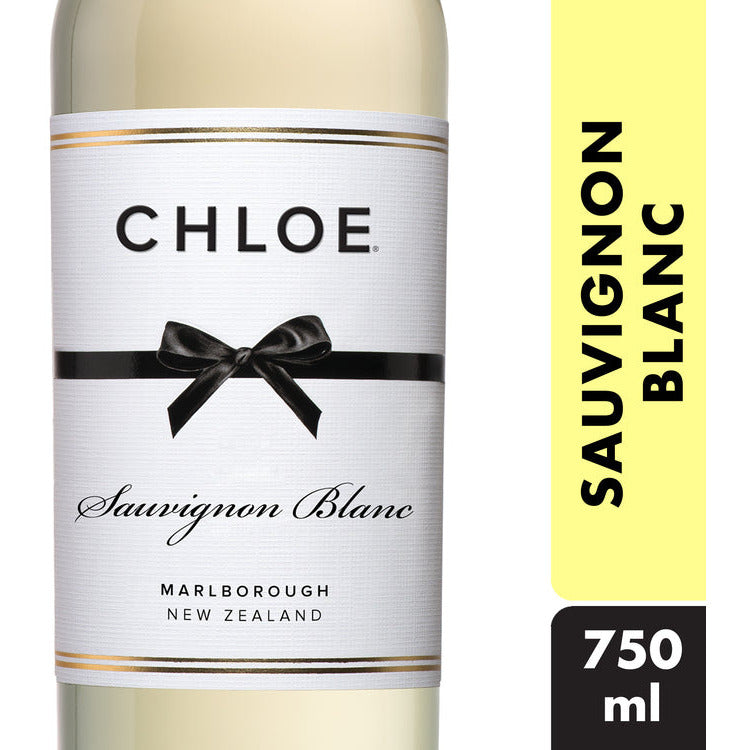
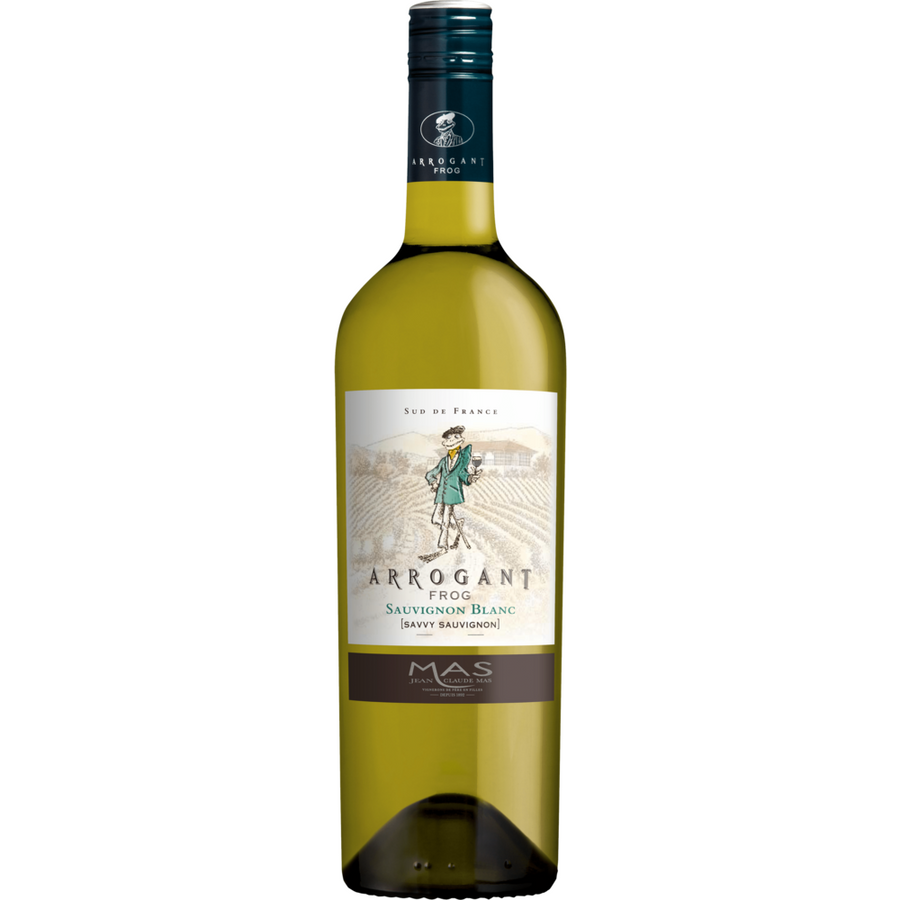
Sauvignon Blanc is one of the world’s most distinctive white wine varieties — its character defined by two families of aromatic compounds: methoxypyrazines, which produce the green, herbaceous, bell pepper, and grassy notes associated with Loire Valley Sancerre and Pouilly-Fumé; and thiols, which produce the tropical fruit, passion fruit, and grapefruit character of Marlborough, New Zealand. The relative expression of these compounds is determined by ripeness, climate, and winemaking, which is why the same grape variety produces wines that taste radically different across regions. Wooden Cork carries Sauvignon Blanc from Marlborough, the Loire Valley, Napa Valley, and beyond.
Browse all wine and Chardonnay at Wooden Cork.
Marlborough and the Loire Valley represent the two dominant and most contrasting styles of Sauvignon Blanc in the world, and the differences are rooted in climate, ripeness, and winemaking tradition. Marlborough’s Wairau and Awatere Valleys in New Zealand are relatively warm and sunny despite their southern latitude, allowing grapes to reach the ripeness level at which thiols — the tropical fruit aromatic compounds — develop prominently. The resulting wines are intensely aromatic, with passion fruit, guava, grapefruit, and a characteristic pungent green character. New Zealand producers also pick relatively early by international standards, preserving acidity and preventing the overripe tropical character that warmer regions can produce. Sancerre and Pouilly-Fumé in the Loire Valley have a cooler, more continental climate — the grapes reach lower ripeness levels that favor methoxypyrazine development over thiol expression, producing a drier, more mineral, more restrained style with flint, gunsmoke, citrus, and herb rather than tropical fruit. The Kimmeridgian limestone and chalk soils of the Loire also contribute a distinctive mineral character that Marlborough’s clay, silt, and gravel soils don’t replicate. Neither style is objectively better — they appeal to different palates and different food contexts.
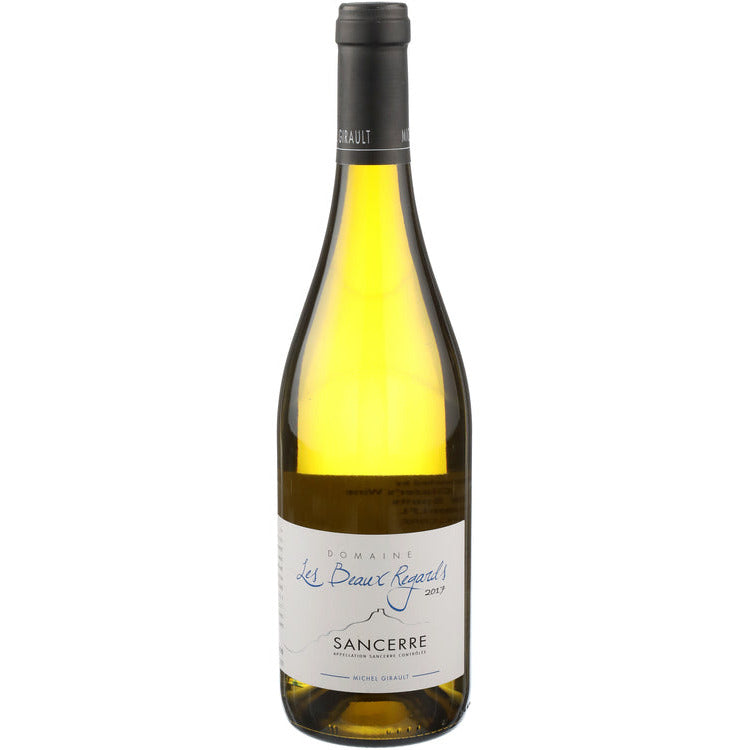
Both Fumé Blanc and Sancerre are Sauvignon Blanc — the grape variety is the same, but the names reflect different marketing and appellation contexts. Fumé Blanc is a California term invented by Robert Mondavi in 1968 to rebrand Sauvignon Blanc when that name was commercially associated with poorly made, flabby California wines. Mondavi borrowed the term from Pouilly-Fumé in the Loire, combined it into a single name, and applied it to his dry, oak-aged Sauvignon Blanc. The name caught on and is now used by other California producers. Sancerre is a French AOC (appellation d’origine contrôlée) in the Central Loire Valley — wines labeled Sancerre are made from Sauvignon Blanc but must come from the specific Sancerre AOC in the Cher department. The appellation name takes precedence over the grape name on the label, which is why French Sauvignon Blanc from Sancerre is labeled Sancerre rather than Sauvignon Blanc. The practical implication: if a French wine label says Sancerre, it is Sauvignon Blanc. If it says Pouilly-Fumé, it is also Sauvignon Blanc. If a California label says Fumé Blanc, it is Sauvignon Blanc.