San Matias
4 products


4 products
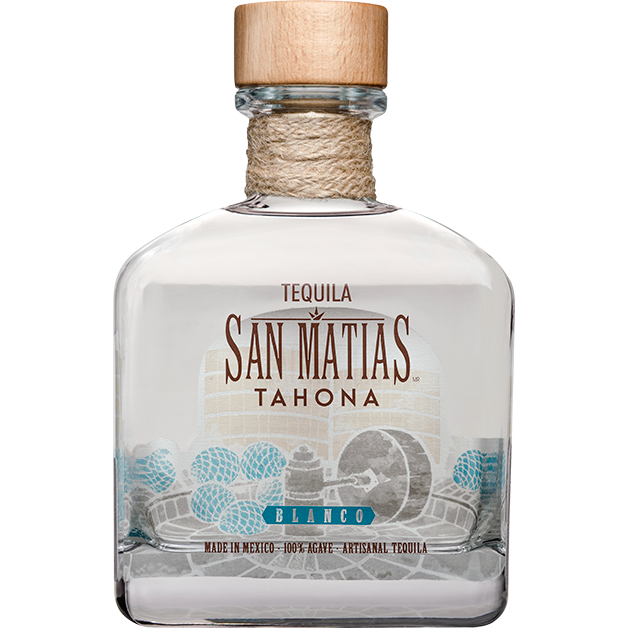
Casa San Matías was established in 1886 in Los Altos de Jalisco, producing highland tequila from 100% Blue Weber agave using traditional methods including tahona stone wheel extraction. Expressions include the Tahona Blanco, Reposado, and Añejo, the Gran Reserva Extra Añejo aged over three years in French oak, and the special 135th Anniversary Blend Añejo.
Browse all tequila at Wooden Cork.
Tahona is one of the oldest and most labor-intensive methods of extracting juice from cooked agave piñas — the heart of the agave plant after the leaves have been removed and the core has been roasted to convert starches to fermentable sugars. A tahona is a massive stone wheel, typically made of volcanic rock and weighing several tons, that is pulled in a circular track over the cooked piñas to crush and extract the juice. The alternative — used at the vast majority of commercial tequila distilleries — is a roller mill, which processes agave much faster and more efficiently. The mechanical difference between these methods produces a real flavor difference in the final spirit. Tahona extraction is slower and gentler: it keeps more of the agave fiber (bagasse) in contact with the juice during fermentation, which contributes additional aromatic compounds and a more complex, textural, vegetal agave character to the finished tequila. Roller mill extraction is cleaner and faster, producing a more neutral agave juice that ferments more predictably. Tahona tequila is generally considered more traditionally authentic and more expressive of the agave plant’s character — it is used by only a handful of producers including Fortaleza, El Tesoro, and San Matías.
Extra Añejo is the highest official aging category for tequila — requiring a minimum of three years in oak. Most tequila is aged in American white oak ex-bourbon barrels, which contribute vanilla, coconut, and caramel character. San Matías ages the Gran Reserva in French oak, which has a tighter grain than American oak and releases its flavor compounds more slowly and subtly: dried fruit (raisin, plum, dried cherry), darker spice, silkier tannin texture, and less of the assertive vanilla and coconut character that American oak delivers. After three or more years, even French oak’s restrained character makes a substantial contribution — the agave distillate that drives a Blanco has become deeply integrated with the wood, producing a spirit with the agave character as a supporting note rather than the primary feature. The Gran Reserva sits at the intersection of aged tequila and aged brandy or whiskey in flavor profile — significantly more spirit-forward than younger expressions, appropriate for sipping neat.