Sake
43 products


43 products
Sake is a Japanese fermented rice beverage — not a wine, not a spirit, but a category unto itself — produced by a dual fermentation process in which rice starch converts to sugar and sugar converts to alcohol simultaneously. The key quality variable is the rice polishing ratio: the percentage of each grain milled away before brewing. More milling removes proteins and fats that contribute harsh or earthy notes, producing a cleaner, more aromatic, more refined sake. The classifications Junmai, Ginjo, and Daiginjo define both the polishing level and whether distilled alcohol has been added. Wooden Cork carries premium sake from the Niigata, Kyoto, Hiroshima, and Nada regions.
Browse all wine and gifts at Wooden Cork.
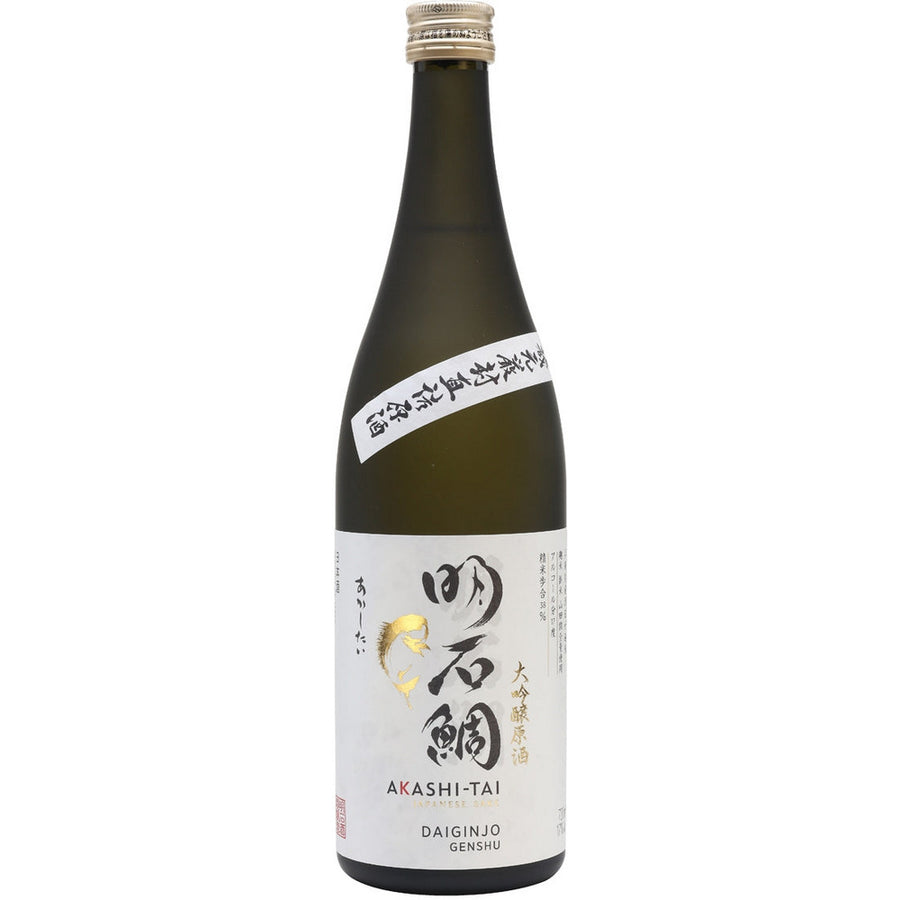
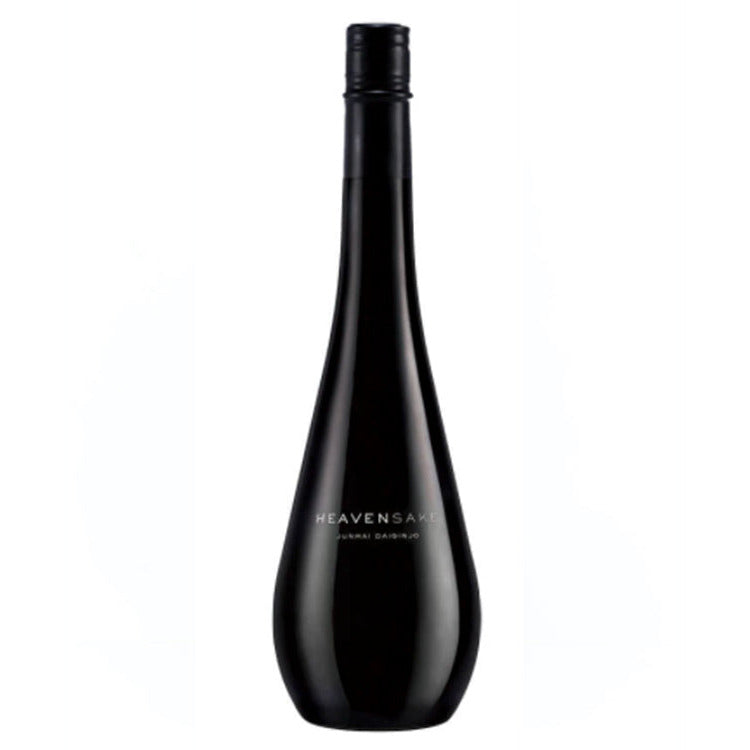
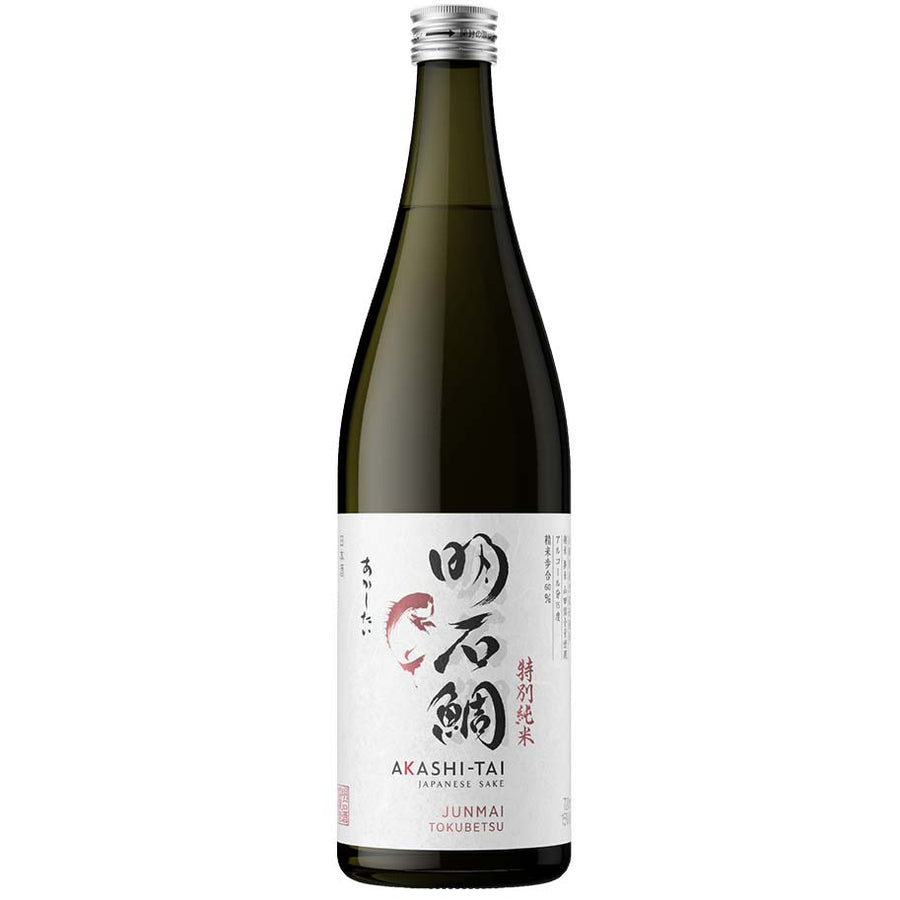
Japanese sake labels use a classification system based on polishing ratio and the presence or absence of added distilled alcohol. Junmai (pure rice) means no distilled alcohol was added — the sake is made entirely from rice, water, koji mold, and yeast. Honjozo has a small amount of distilled alcohol added, which lightens the body and enhances aroma. Ginjo is brewed from rice polished to at least 60% of its original size (40% removed) — fragrant, delicate, and complex. Daiginjo uses rice polished to at least 50% (50% removed) — ultra-premium, highly aromatic, the most refined expression of the brewer’s craft. Combining these terms: Junmai Ginjo is fragrant Ginjo with no added alcohol; Junmai Daiginjo is ultra-premium with no added alcohol. As a general rule, the higher the polishing level (the lower the remaining grain percentage), the cleaner and more aromatic the sake. Serving temperature also matters: Junmai typically shows well at a range of temperatures including warm; Ginjo and Daiginjo are usually served chilled to preserve delicate aromatics.
Each grain of sake rice contains a starchy core surrounded by outer layers rich in proteins, fats, and minerals. The outer layers contribute earthier, richer, more savory notes — desirable in some contexts, but in high-quality sake production they can produce off-flavors and mask the delicate aromatic compounds the brewer wants to develop. Milling removes these outer layers, exposing more of the pure starchy core. The practical flavor result of higher polishing is significant: unpolished or lightly polished sake tends to be fuller-bodied, richer, and more umami-forward — excellent with robust food. Highly polished Daiginjo sake is lighter, cleaner, more aromatic (fruity esters like apple, pear, melon, and banana develop prominently in highly polished sake), and more complex in the way that a very fine spirits expression is complex. The tradeoff is that polishing removes more of the grain — Daiginjo production is inherently expensive because half or more of each grain is discarded before brewing begins.