Red Blend
796 products


796 products
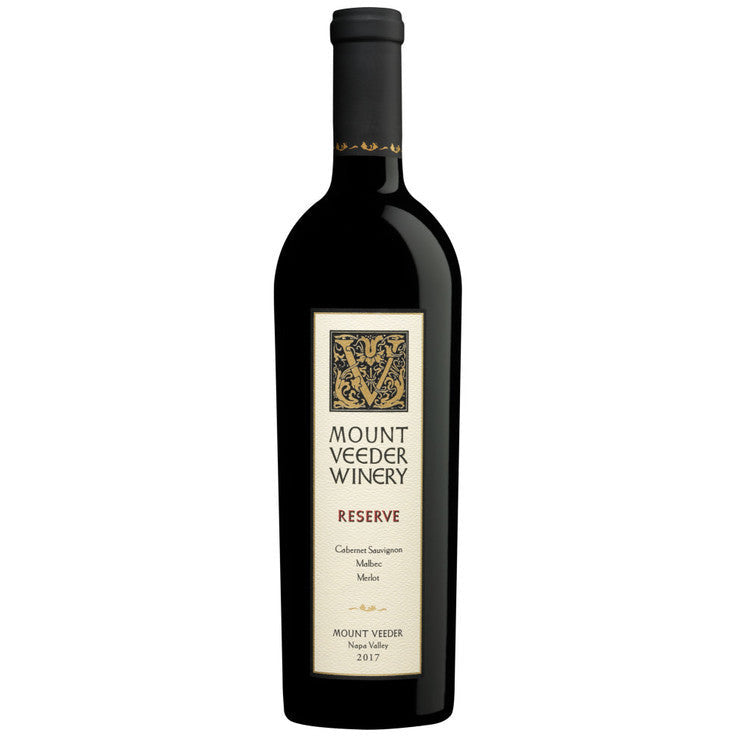
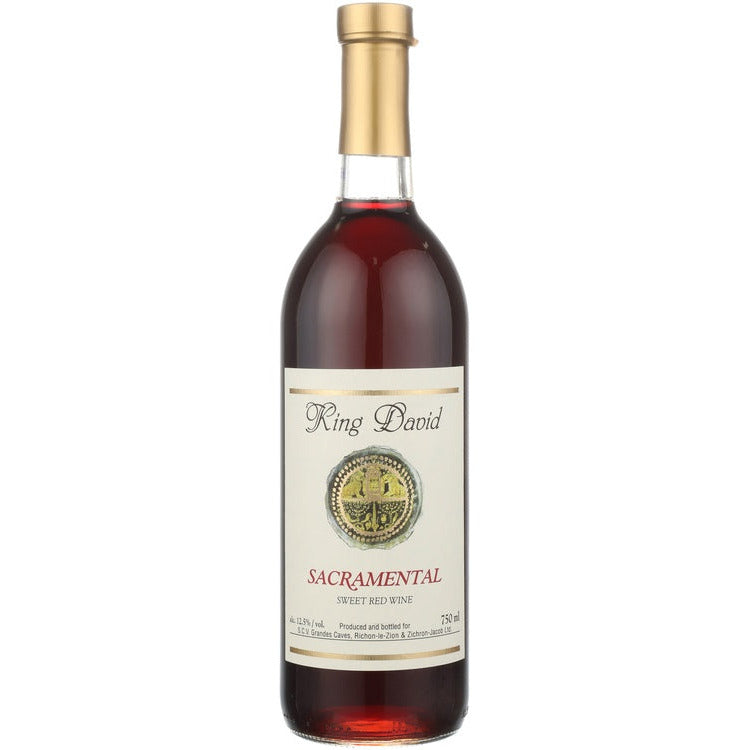
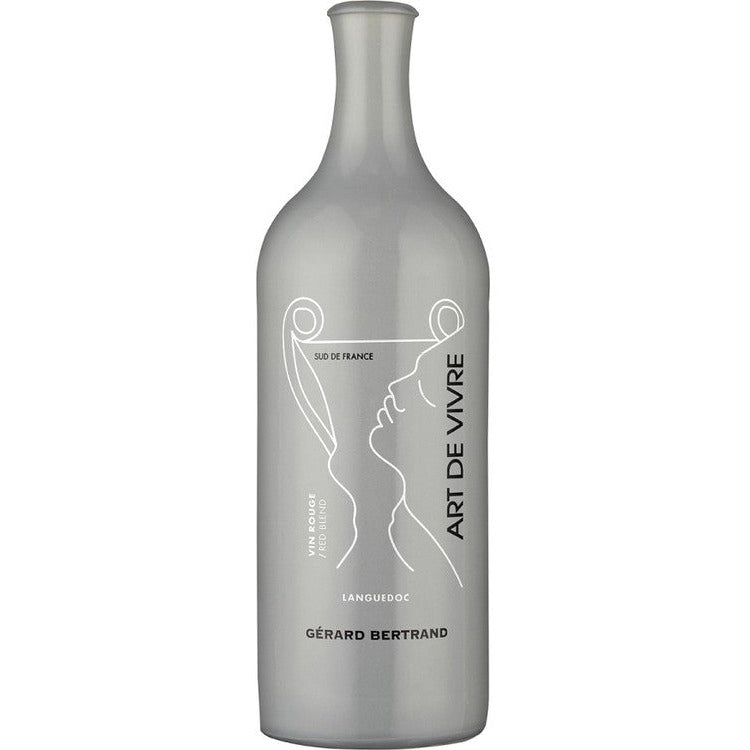
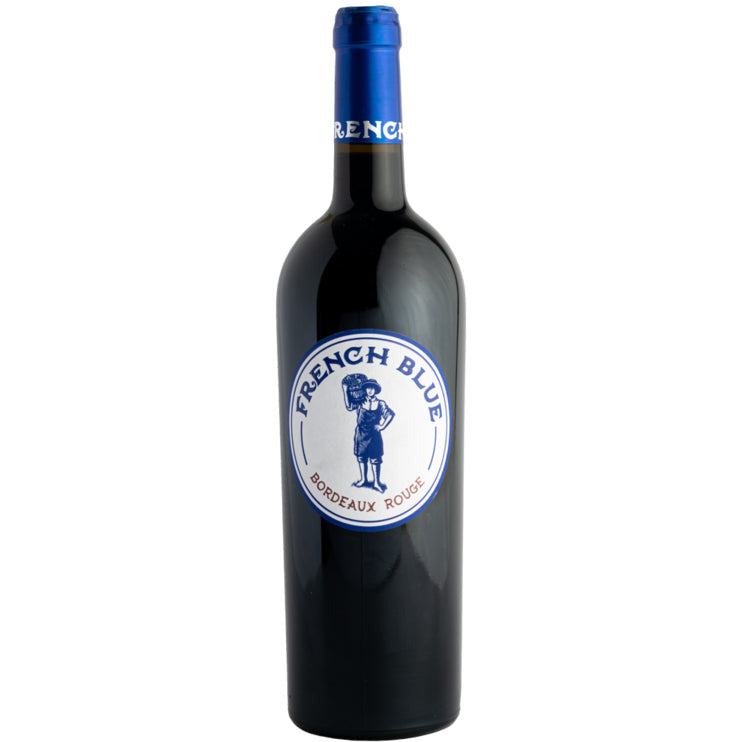
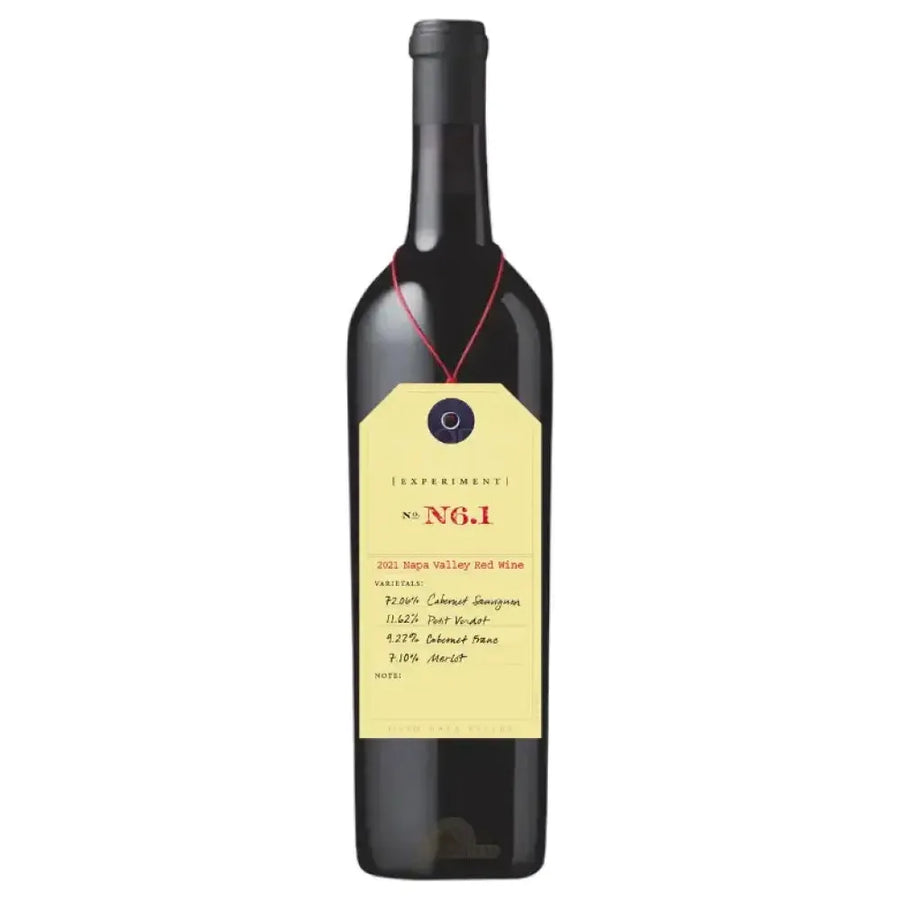
Red blend wines combine two or more grape varieties in proportions the winemaker determines produce a better result than any single variety alone — the dominant model in Bordeaux (Cabernet Sauvignon, Merlot, Cabernet Franc, Petit Verdot, Malbec), the Rhône Valley (Grenache, Syrah, Mourvèdre), and California’s most ambitious table wines. Wooden Cork carries red blends from Napa Valley, Sonoma, Bordeaux, the Southern Rhône, Tuscany, and beyond.
Browse Cabernet Sauvignon, Merlot, and all wine at Wooden Cork.
These are the three dominant red blend styles in the world and they taste fundamentally different. A Bordeaux blend uses the five Bordeaux varieties — Cabernet Sauvignon, Merlot, Cabernet Franc, Petit Verdot, and Malbec — producing a structured, tannic, age-worthy wine where Cabernet provides the backbone, Merlot softens the texture, and Cabernet Franc adds aromatic complexity. A GSM blend (Grenache, Syrah, Mourvèdre) is the dominant Southern Rhône model — Grenache contributes red fruit, alcohol, and generosity; Syrah adds structure, color, and peppery spice; Mourvèdre adds earthiness and tannin. The two styles are immediately distinguishable: Bordeaux blends are more restrained, structured, and age-worthy; GSM blends are more generous, aromatic, and often earlier-drinking. California red blends are the most variable category — some follow the Bordeaux model closely (Opus One, Merus, Dominus), others blend Zinfandel with Petite Sirah or mix Rhône and Bordeaux varieties together. The label will typically indicate the style intent.
Single-variety wines — a Cabernet Sauvignon, a Pinot Noir, a Merlot — are constrained by what that variety can produce from a given vineyard in a given vintage. Blending allows the winemaker to compensate for each variety’s limitations with another variety’s strengths: if Cabernet is too tannic in a cool vintage, Merlot’s softness compensates; if Grenache is too low in color and structure, Syrah provides both. Blending also allows producers to use the best available fruit across multiple varietals rather than being limited to what one variety achieves. This is why Bordeaux and the Southern Rhône — which developed their blending traditions over centuries — produce wines of remarkable consistency across difficult vintages: the blender has more tools available than the single-variety winemaker facing the same conditions. The result is that many of the world’s most critically acclaimed wines are blends.