Porfidio
14 products


14 products
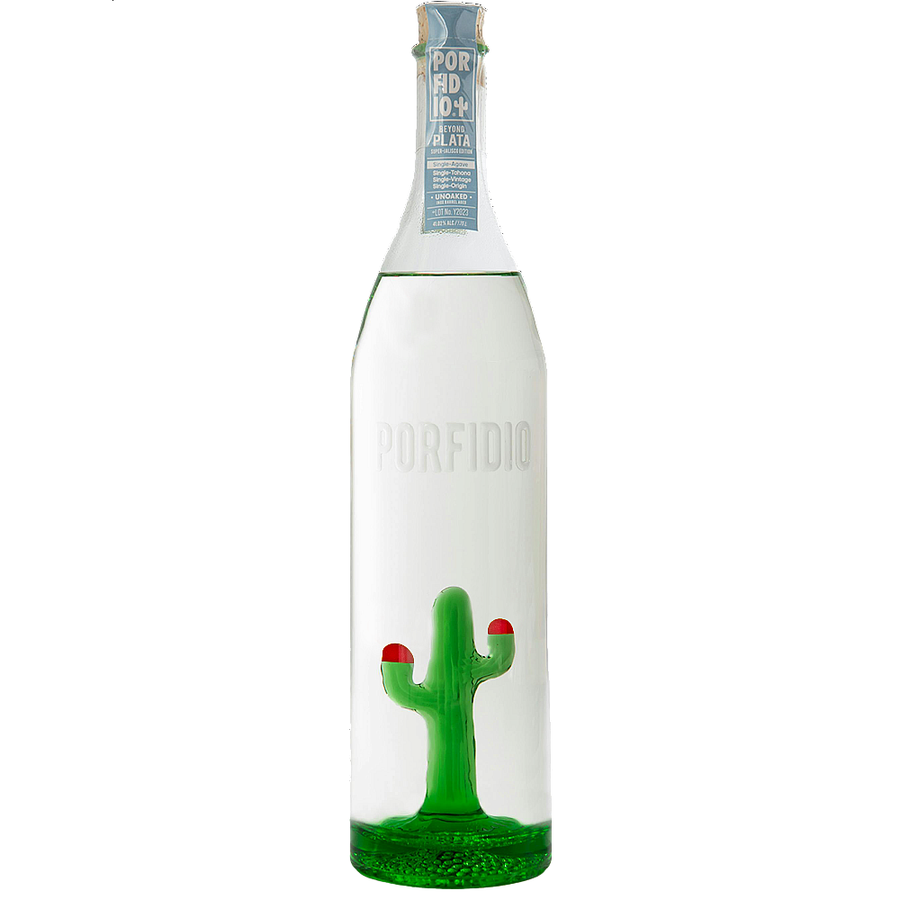
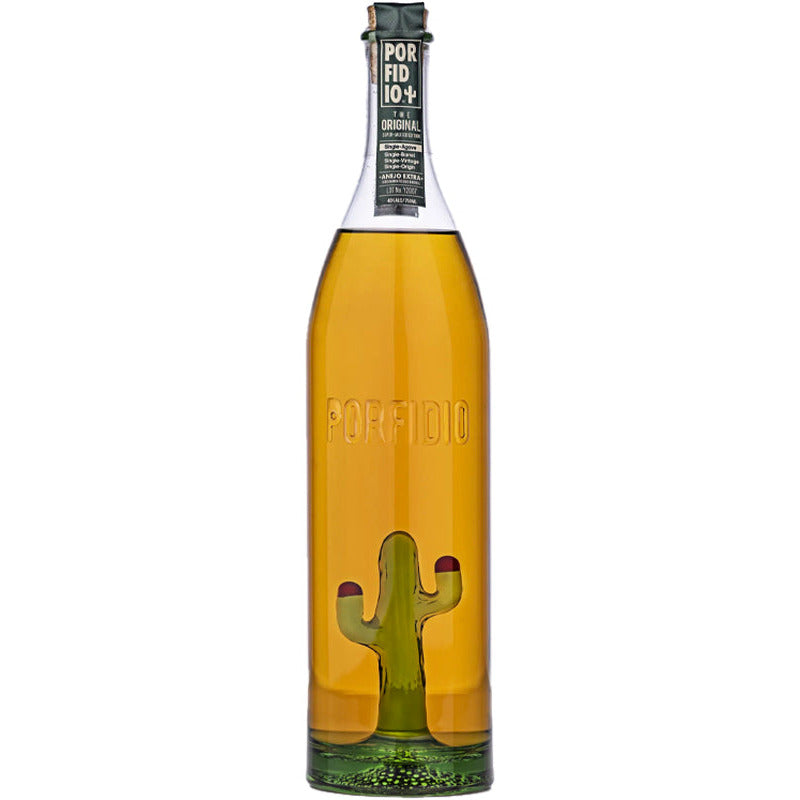
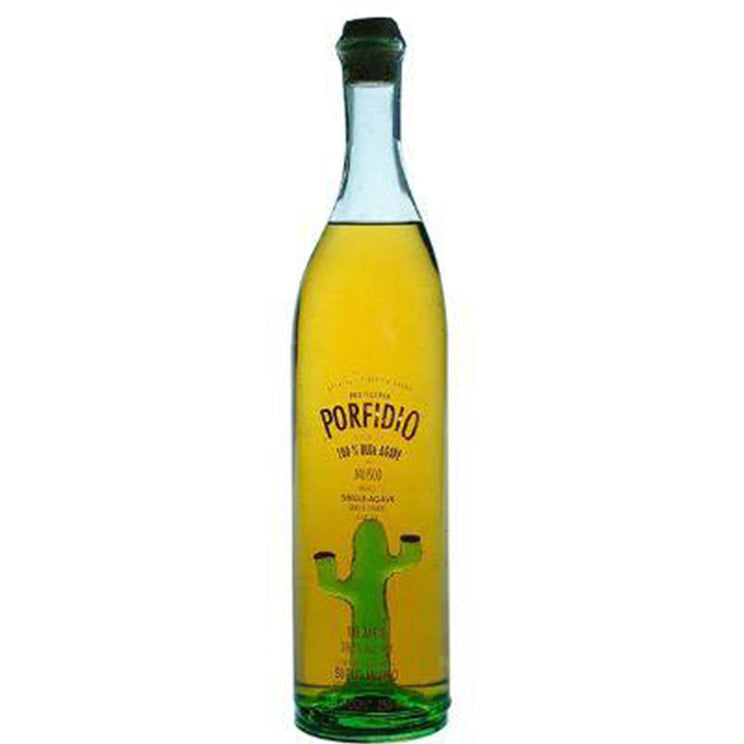
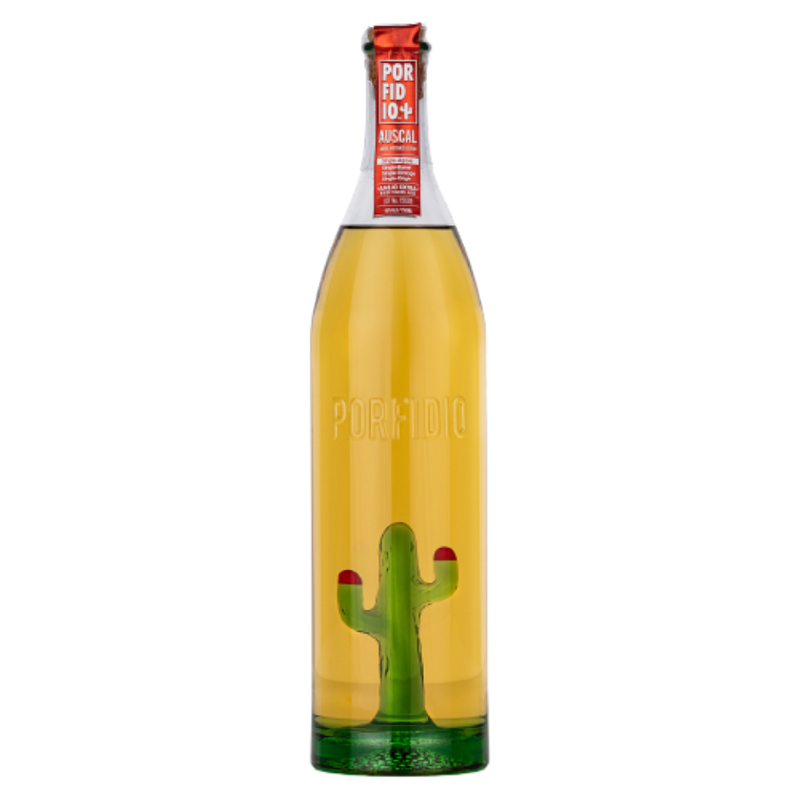
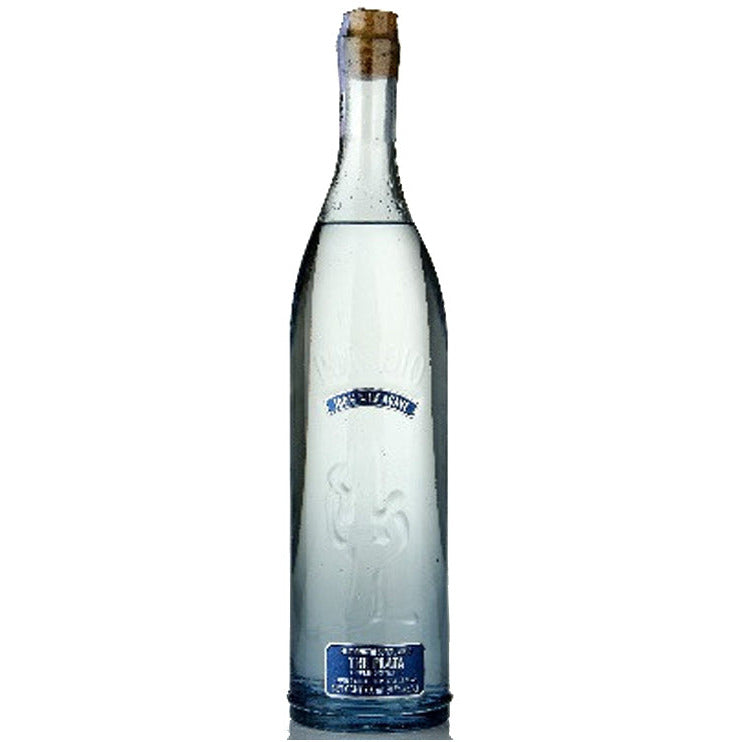
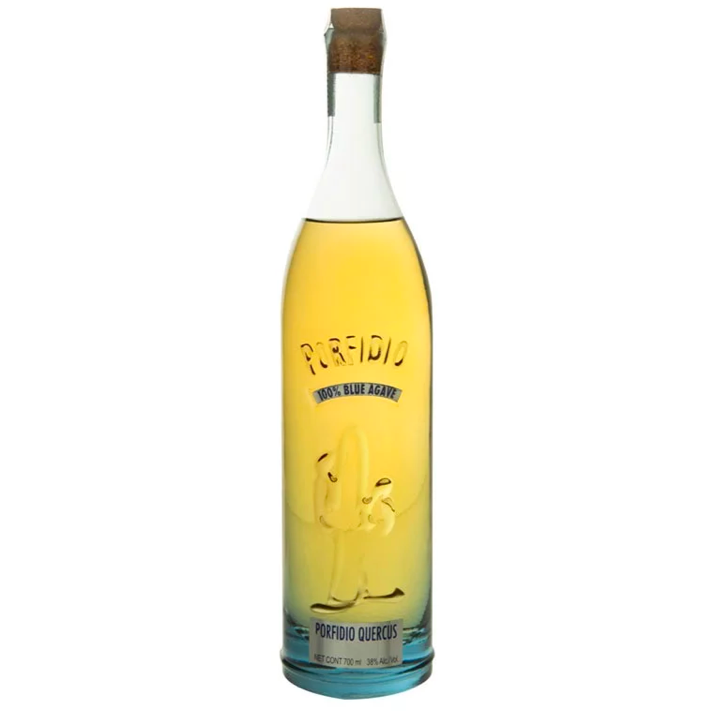
Porfidio Tequila is produced in Jalisco, Mexico using 100% Blue Agave processed through a proprietary cold-pressing and enzymatic hydrolysis method designed to reduce methanol content and maximize smoothness. Expressions include The Plata (unaged), The Auscal (3 Year Extra Añejo), The Original (3 Year Extra Añejo, partially ocean-matured in the Pacific), The Maximus (5 Year Extra Añejo), and the unique Porfidio Agave Dry Gin.
Browse all tequila and rare and allocated bottles at Wooden Cork.
Traditional tequila production cooks the agave piñas — either in brick ovens (hornos) or autoclaves — using heat to convert the agave’s complex fructans into fermentable sugars. This thermal hydrolysis process is effective but creates some methanol as a byproduct of the chemical reactions involved. Porfidio’s cold-pressing and enzymatic hydrolysis approach uses enzymes rather than heat to break down the agave’s fructans at ambient temperature. Cold processing preserves more of the agave’s delicate aromatic compounds that high heat destroys, while the enzymatic conversion is more selective than thermal hydrolysis — theoretically producing less methanol. The claimed result is a cleaner, more aromatically vibrant agave base spirit with greater smoothness. The process is unusual in commercial tequila production, where thermal hydrolysis (particularly autoclave cooking) is the industry standard.
The Original Porfidio 3 Year Extra Añejo spends part of its aging period aboard ships at sea — a maturation approach that subjects the barrels to constant movement, temperature variation, and humidity from the marine environment. The motion of a ship at sea continuously agitates the spirit against the barrel wood, increasing surface contact and accelerating flavor extraction compared to a stationary barrel in a warehouse. The marine humidity and salt air permeate the wood and subtly influence the spirit in ways analogous to the coastal warehouse effects observed at maritime Scotch distilleries like Oban or Talisker. The result for The Original is a more integrated, complex character than the same time in a standard warehouse would produce — a maturation concept with historical precedent in the rum and Cognac trade, where barrels crossing the Atlantic were observed to develop superior character during transit.