Fortaleza
15 products


15 products
Fortaleza Tequila is produced by Guillermo Esteban Sauza in the town of Tequila, Jalisco — the fifth generation of a family that has been making tequila since 1873. The Sauza family founded one of the most significant distilleries in the history of the category before Guillermo broke away to revive the original traditional methods at La Fortaleza distillery, using equipment and techniques that predate industrial tequila production. Every bottle of Fortaleza is made on-site using stone hornos, a two-ton tahona wheel, wooden fermentation tanks, and copper pot stills — methods that most of the industry abandoned decades ago in favor of faster, higher-yield processes.
The tahona is the production element that defines Fortaleza's character. A two-ton volcanic stone wheel slowly crushes roasted agave over several hours, pressing out juice and fiber together — a process that takes significantly longer than modern roller mills but extracts a richer, more textured agave character with earthy, mineral notes that column or roller-mill distillates don't produce. The fiber (bagazo) is fermented alongside the juice in open wooden tanks, adding complexity during fermentation. Fortaleza is independently verified as additive-free — no glycerin, sweeteners, oak extract, or caramel coloring. What you taste is only what the agave, fermentation, and distillation produced. Wooden Cork ships the full Fortaleza lineup nationwide.
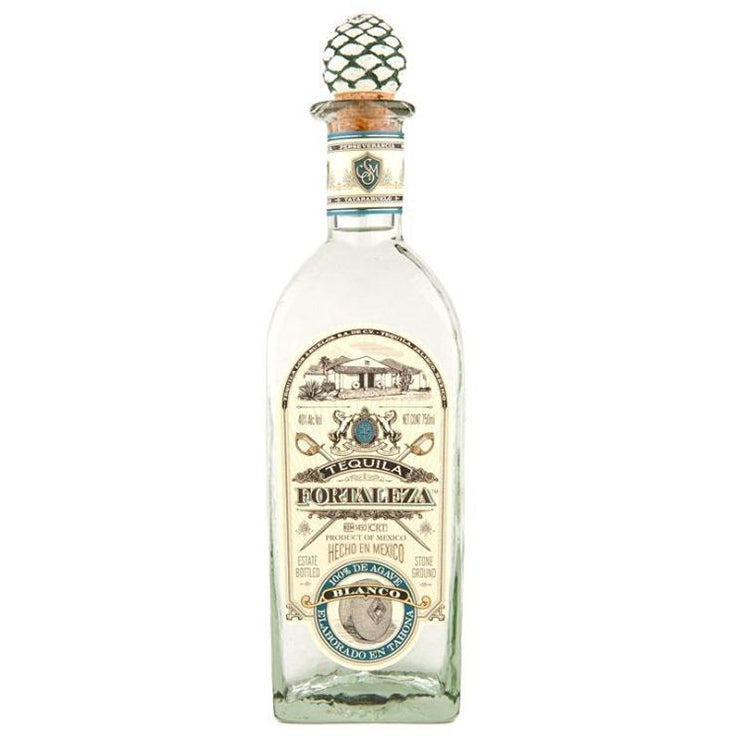
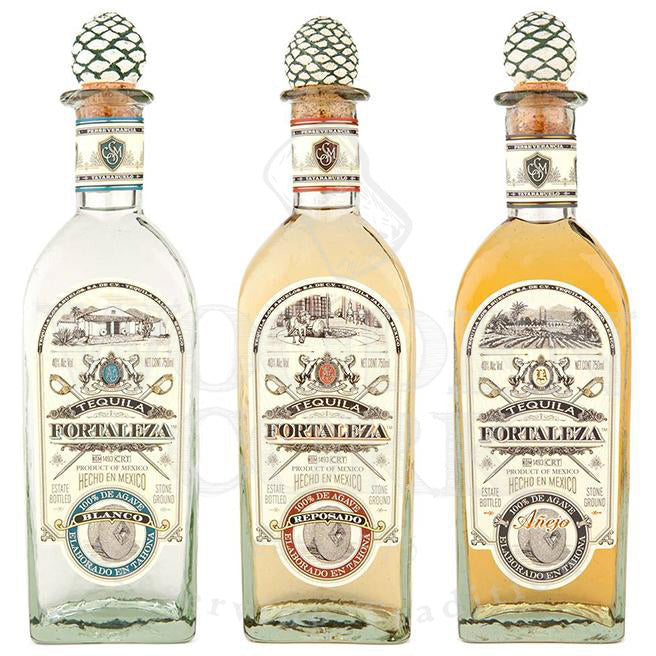
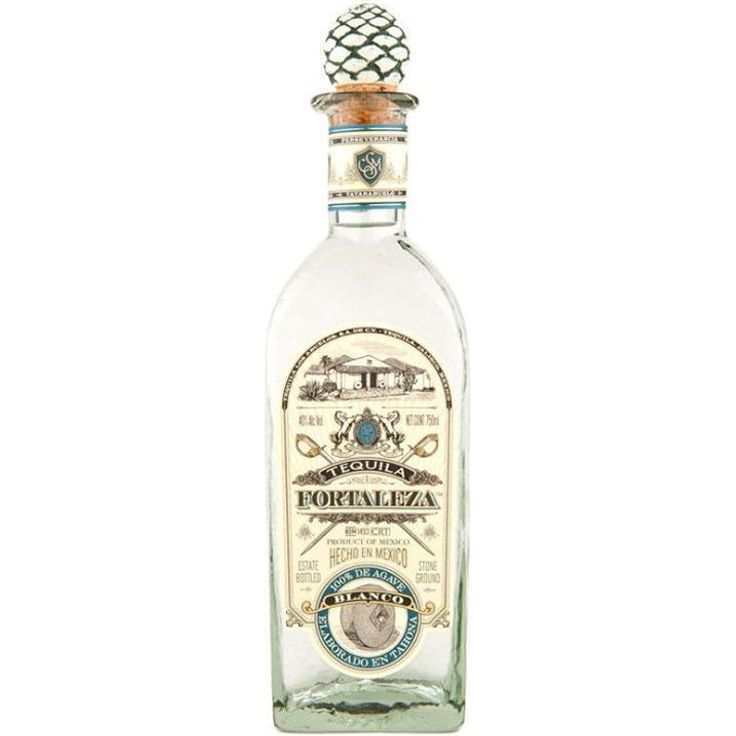
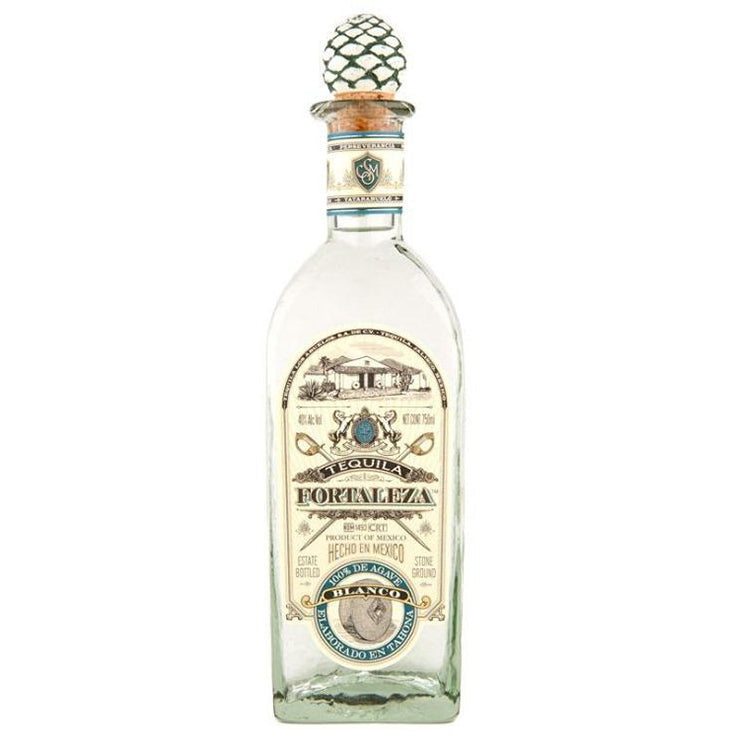
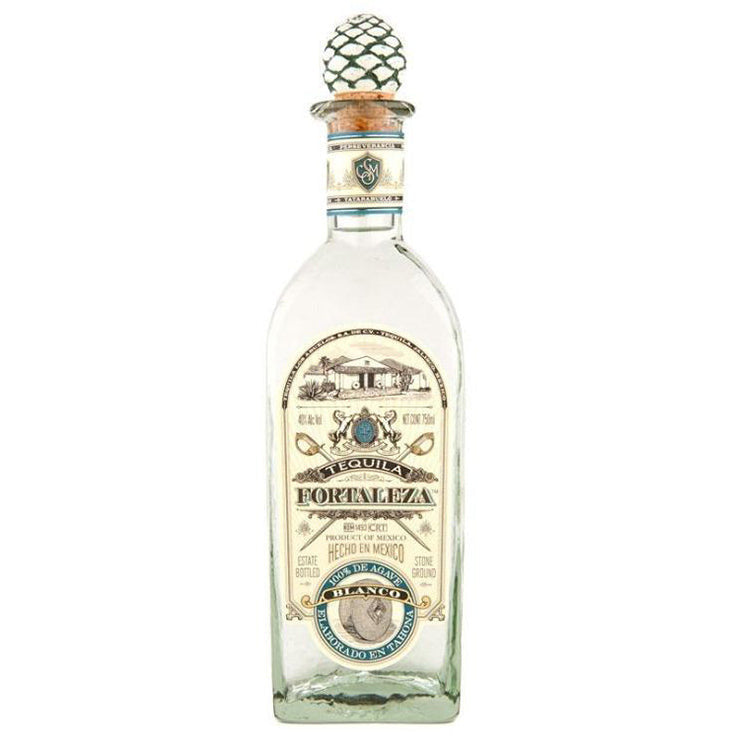
Fortaleza Blanco — Unaged, bottled directly from the copper pot still. The most transparent expression of the tahona production process — roasted agave, citrus, black pepper, and a mineral earthiness that industrial blancos can't replicate. The benchmark for additive-free, traditionally produced blanco tequila. Best experienced neat or in simple cocktails where the agave character can be appreciated.
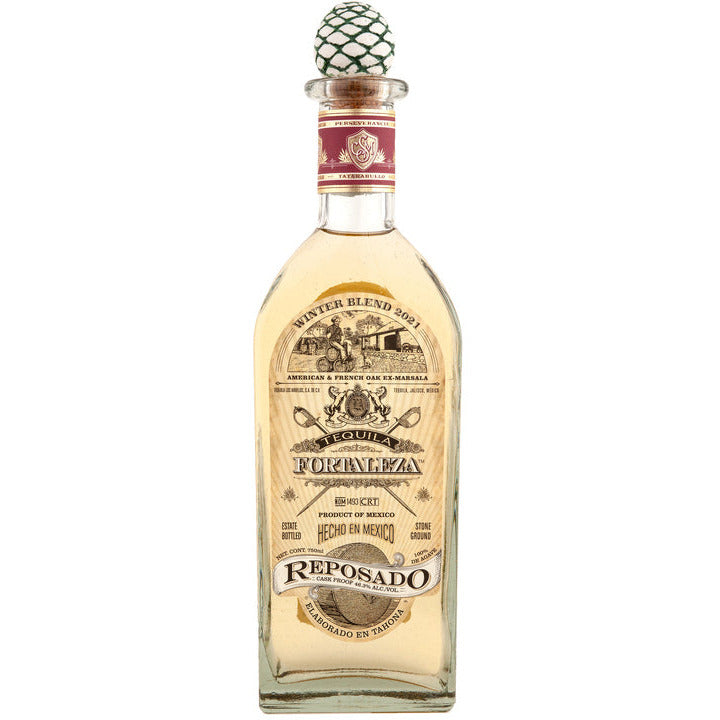
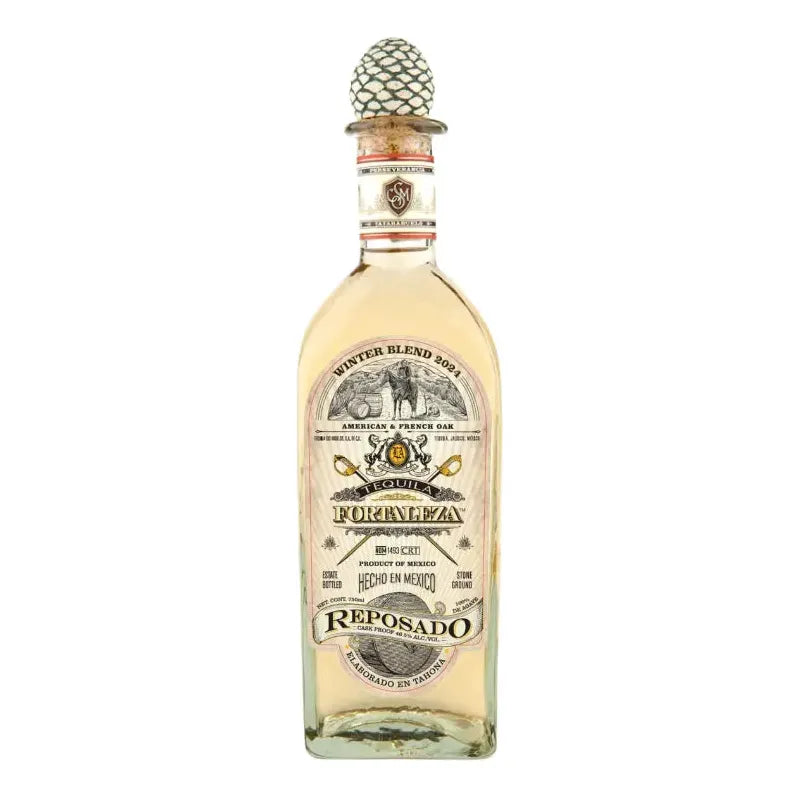
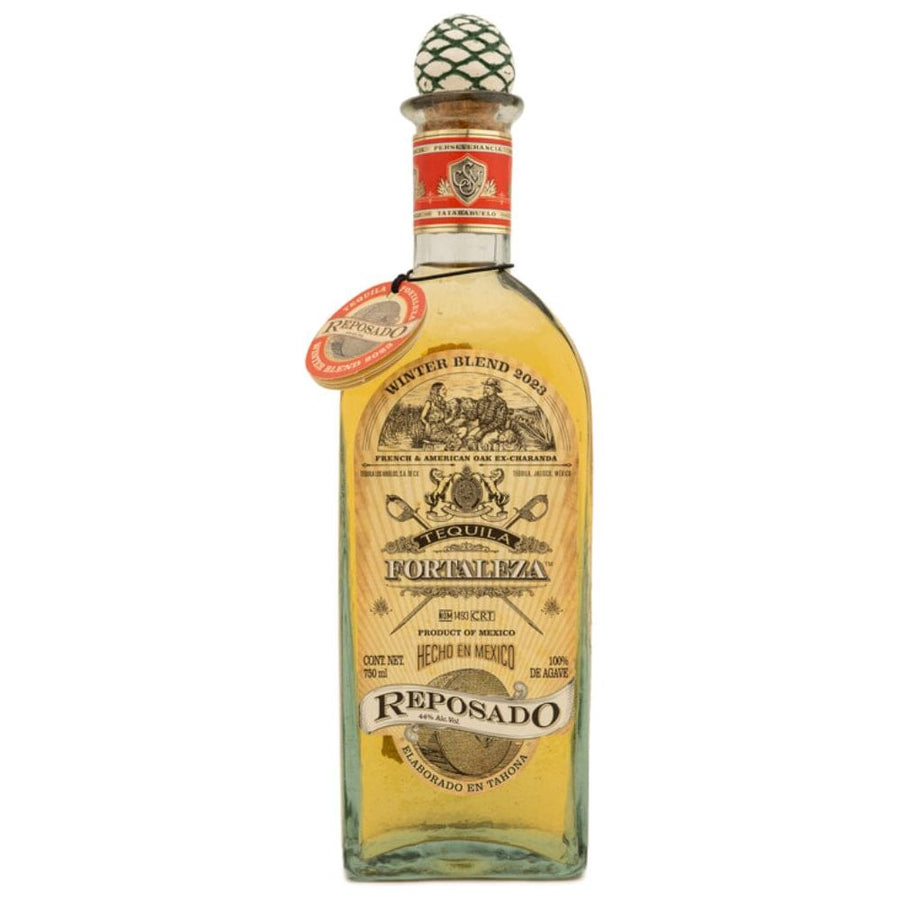
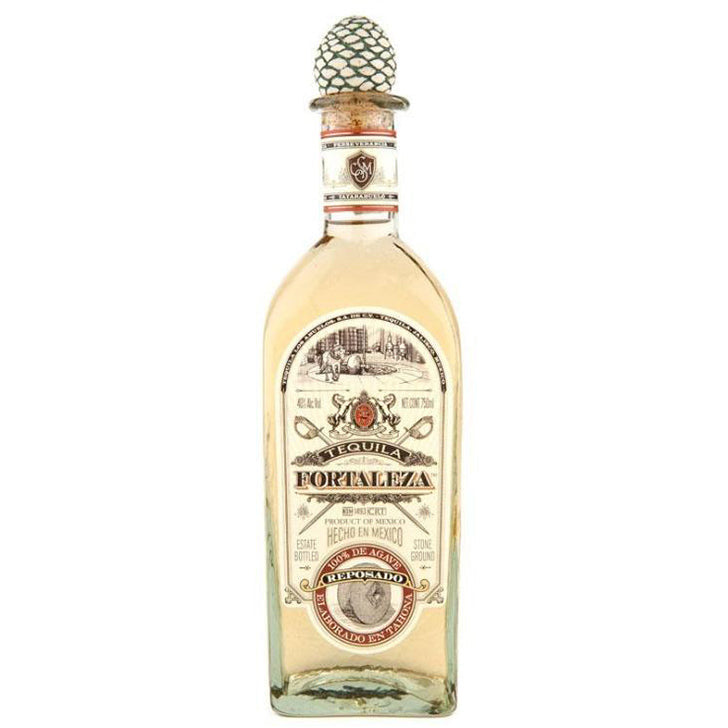
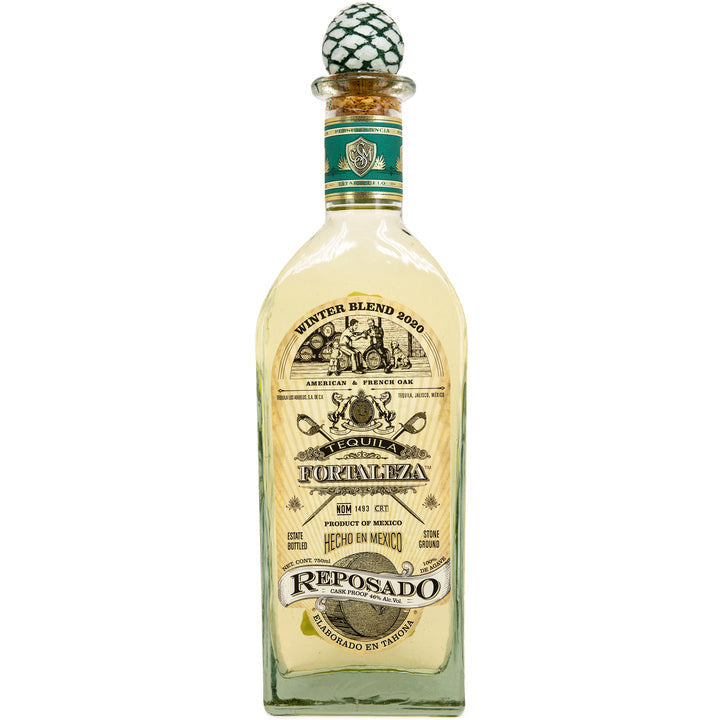
Fortaleza Reposado — Aged 6–9 months in American oak barrels. The agave character from the tahona process stays prominent beneath vanilla and caramel from the oak — more earthy and complex than mainstream reposados, with the roasted agave and minerality of the blanco still identifiable underneath the oak influence. One of the most respected additive-free reposados in the category.
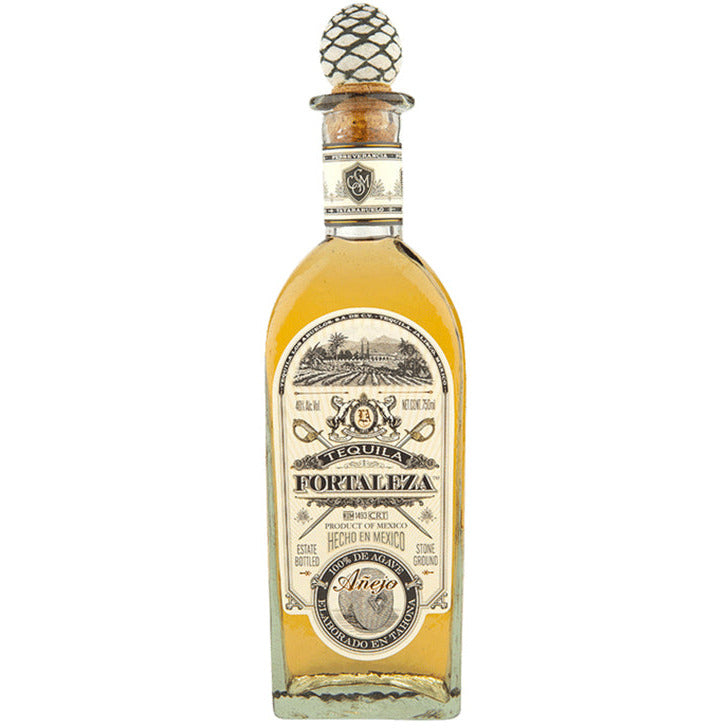
Fortaleza Añejo — Aged 18 months in American oak — six months longer than the standard añejo minimum and significantly longer than most mainstream programs. Deep caramel, roasted agave, toasted nuts, and dark fruit over a long, complex finish. The extended aging in combination with the tahona production produces a spirit with a depth that barrel-aged mainstream tequilas don't approach.
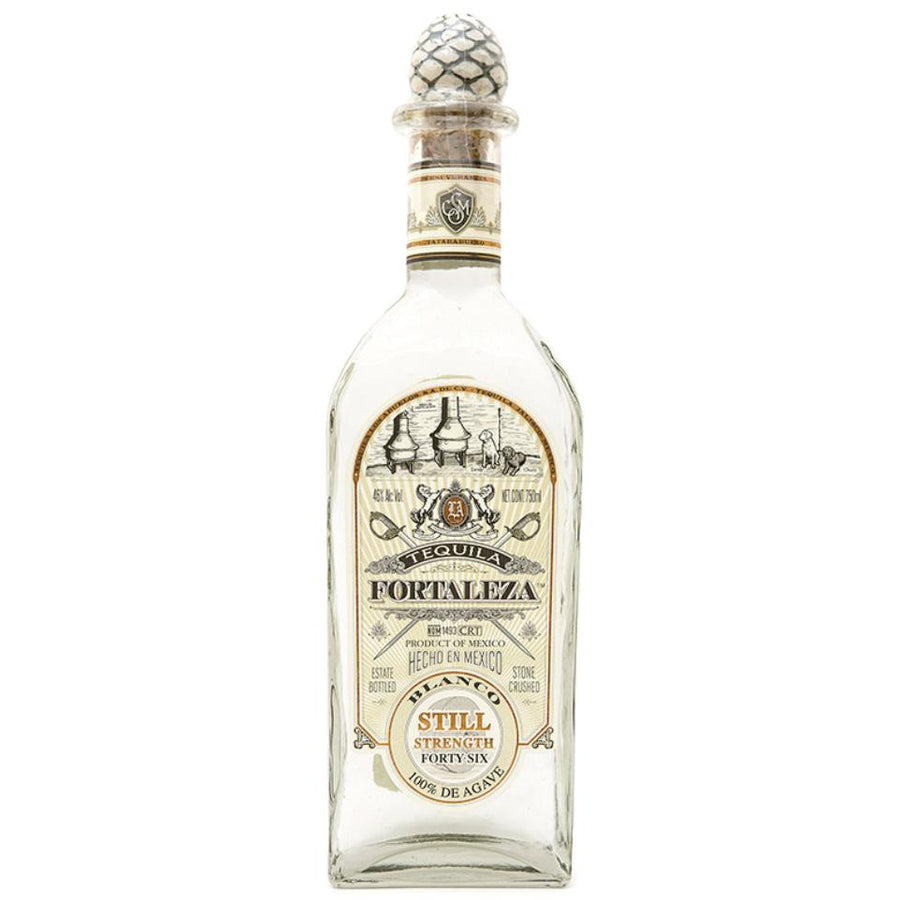
Fortaleza Still Strength — An occasional limited release bottled at still strength — higher proof than the standard expressions, uncut directly from the copper pot still. Intensely concentrated agave character, released in small quantities and allocated quickly. The most direct expression of what the Fortaleza distillate actually is before dilution to standard bottling proof.
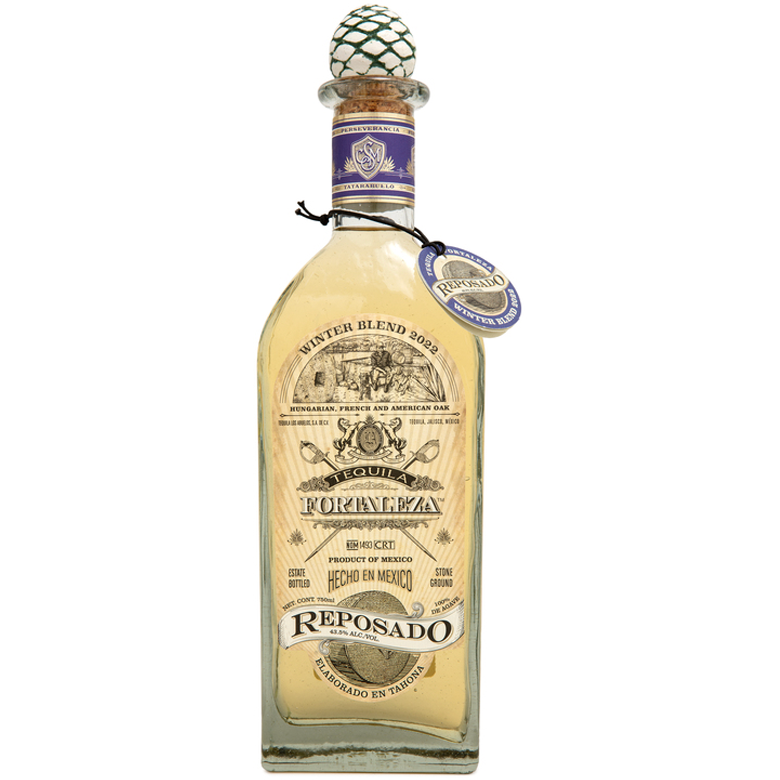
Fortaleza Winter Blend — An annual limited release blending Reposado and Añejo expressions. Produced each winter in small quantities. A collector's release for enthusiasts who follow the Fortaleza program closely.
Browse all tequila, additive-free tequila, reposado, or añejo at Wooden Cork.
The tahona is a two-ton volcanic stone wheel that slowly crushes roasted agave to extract juice — a method that predates modern tequila production and that most distilleries abandoned in favor of faster, higher-yield roller mills. The tahona process takes several hours versus minutes for a roller mill, but it presses out both juice and fiber together, and the fiber is fermented alongside the juice in open wooden tanks. This contact between liquid and fiber during fermentation contributes earthy, mineral, and textural complexity that roller-mill production doesn't produce. The difference is most noticeable in the Blanco — it has a mineral earthiness and roasted agave depth that industrial blancos consistently lack.
Yes — Fortaleza has been independently verified as additive-free through the Tequila Matchmaker database and third-party testing. Under Mexican NOM regulations, tequila producers may add up to 1% of the product's weight in caramel coloring, oak extract, glycerin, and sugar syrup without label disclosure. Fortaleza adds none of these. The smoothness and texture in the finished spirit come entirely from the tahona production process, fermentation with agave fiber, and aging — not from glycerin or sweeteners added post-distillation.
Both use tahona stone wheel crushing, but the production approaches diverge in meaningful ways. Patrón uses a blend of tahona and roller mill distillates combined before bottling — the tahona component contributes character that is then blended with the cleaner roller mill distillate. Fortaleza uses only tahona production with no roller mill component, and ferments with the agave fiber in open wooden tanks rather than stainless steel. Fortaleza is also additive-free while Patrón's additive status has not been independently verified to the same standard. The result is that Fortaleza tends to have a more pronounced earthy, mineral, and textured character — closer to what traditional tequila production actually tastes like — while Patrón is smoother and more approachable at a lower price point.
Fortaleza Still Strength is an occasional limited release bottled at the natural proof of the copper pot still distillate — higher than the standard expressions, uncut and undiluted. It represents the most concentrated, intense expression of the Fortaleza distillate and is released in small quantities that sell quickly. Wooden Cork carries Still Strength when allocated inventory is available — it moves fast and is not always in stock.
It depends what you're optimizing for. If you want to understand what traditionally produced, additive-free tequila actually tastes like versus the mainstream commercial category, Fortaleza Blanco and Reposado are the most direct comparison available at a price point that is still accessible. The tahona process, wooden fermentation tanks, and copper pot stills are genuine production choices that cost more and yield less than industrial methods — the price premium reflects real production costs, not just brand positioning. For drinkers who have been drinking mainstream tequila and want to understand why enthusiasts talk about traditional production, Fortaleza is the clearest answer.