Luxury Tequila
281 products


281 products
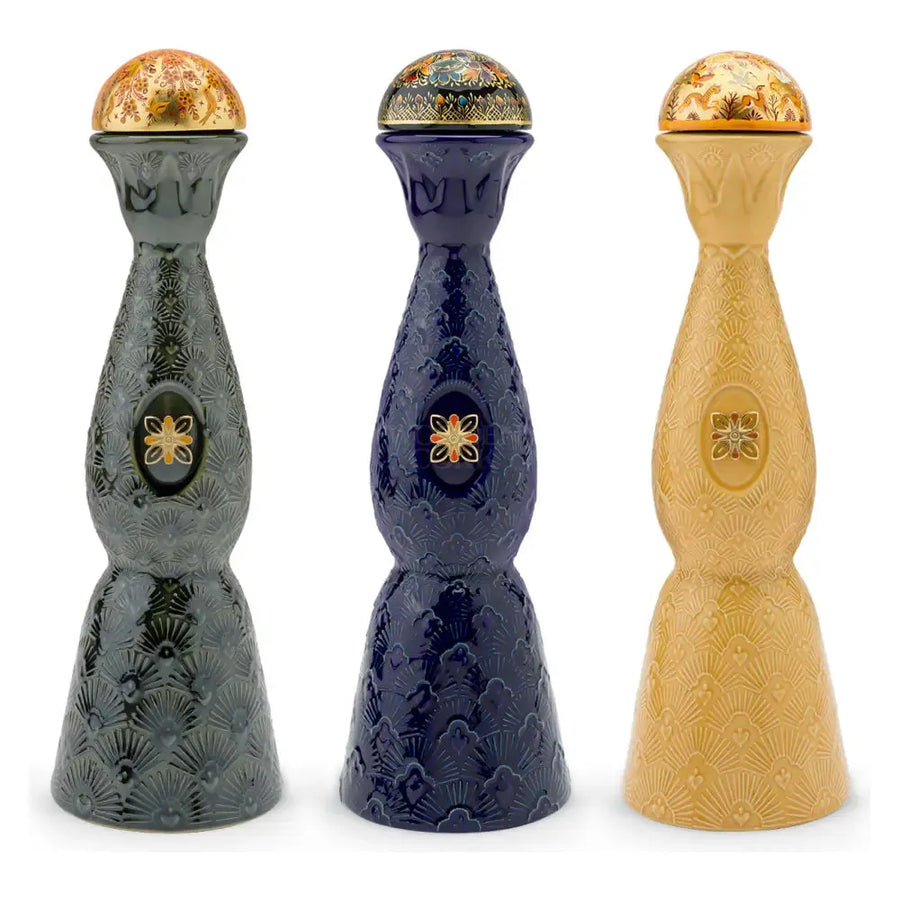
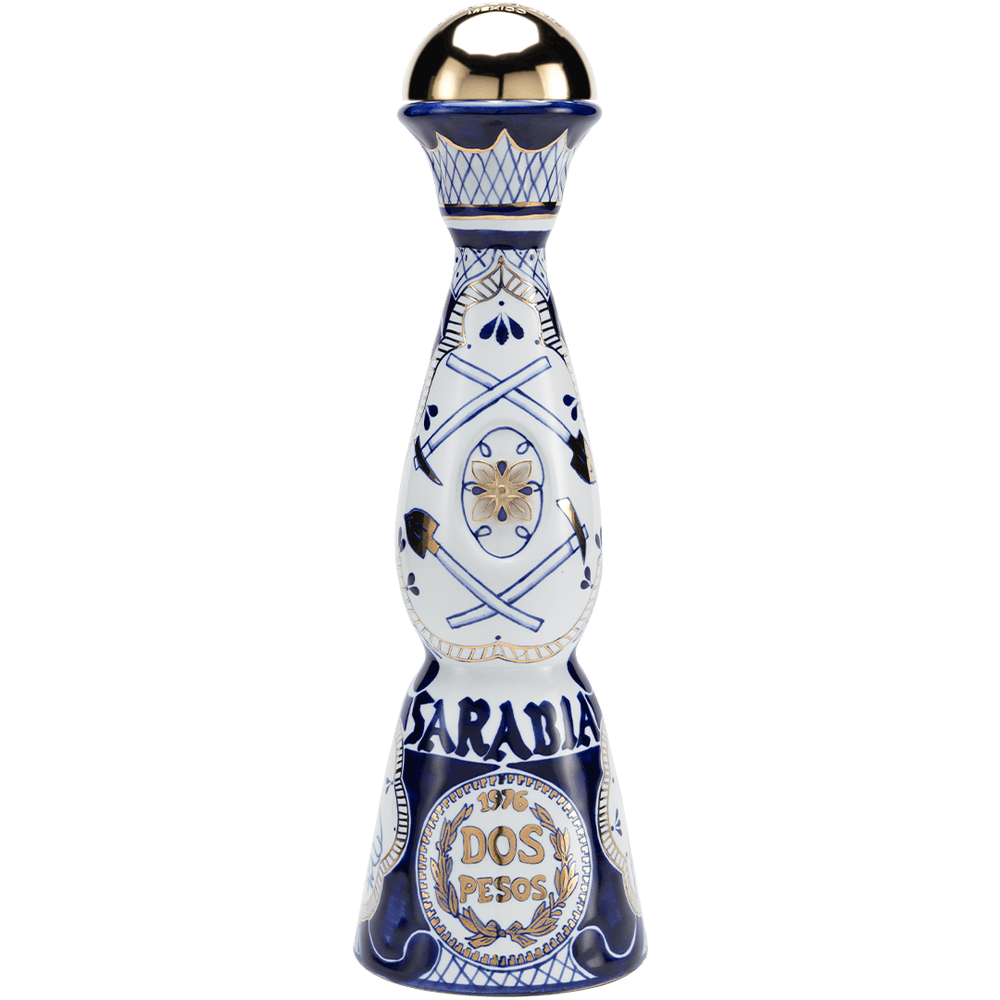
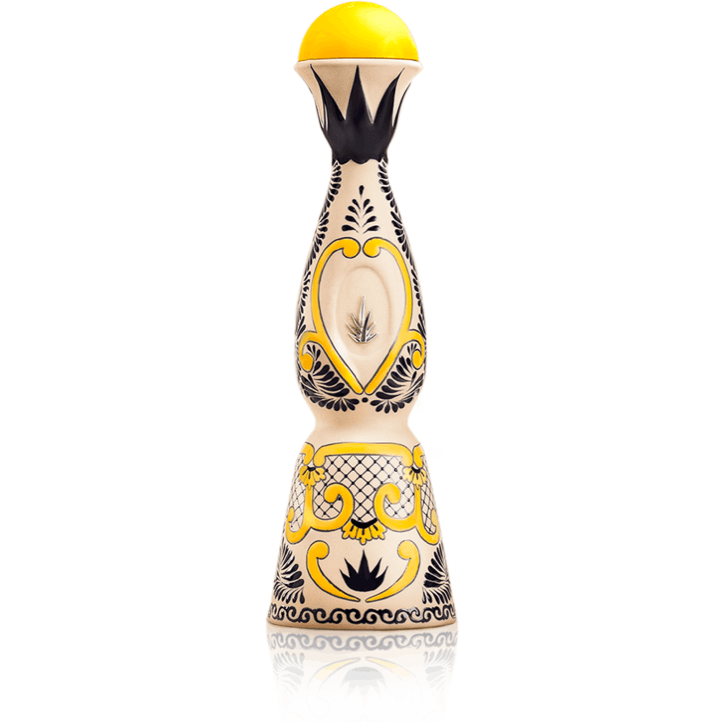
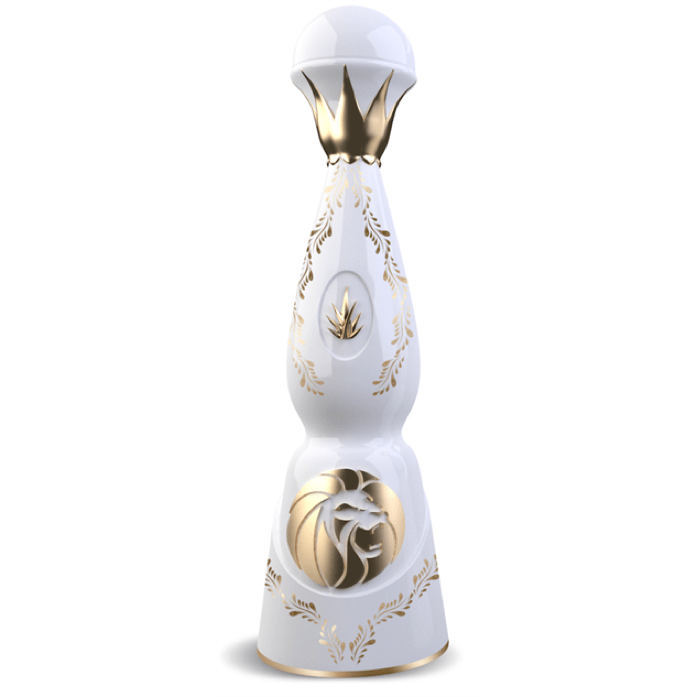
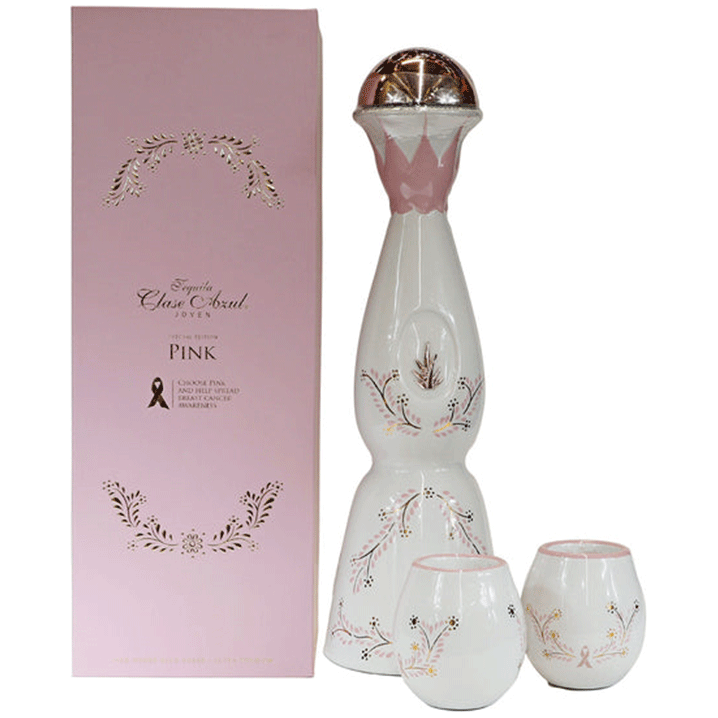
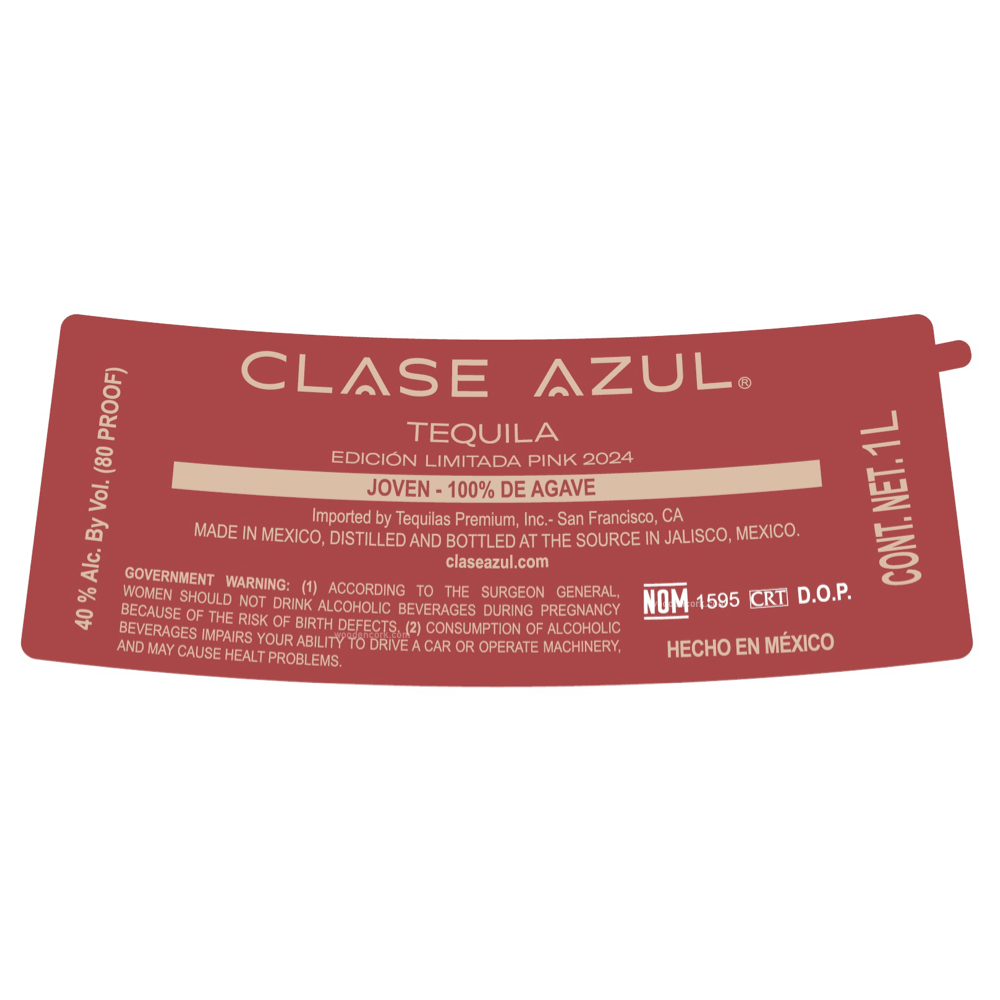
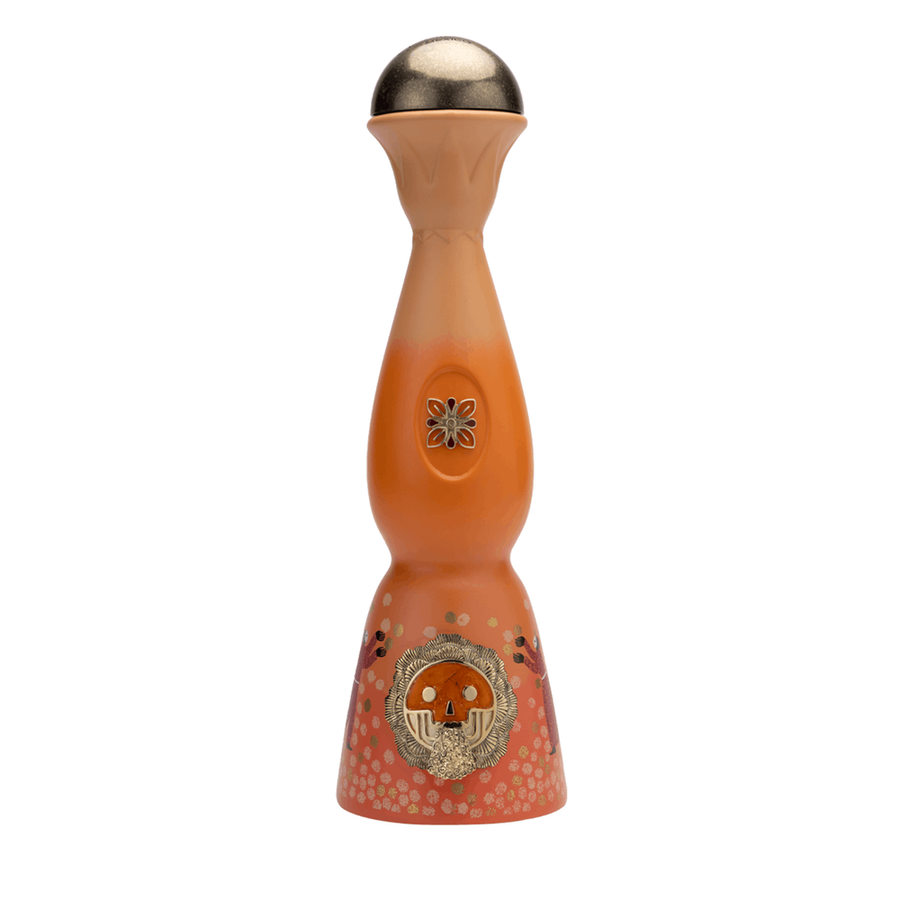
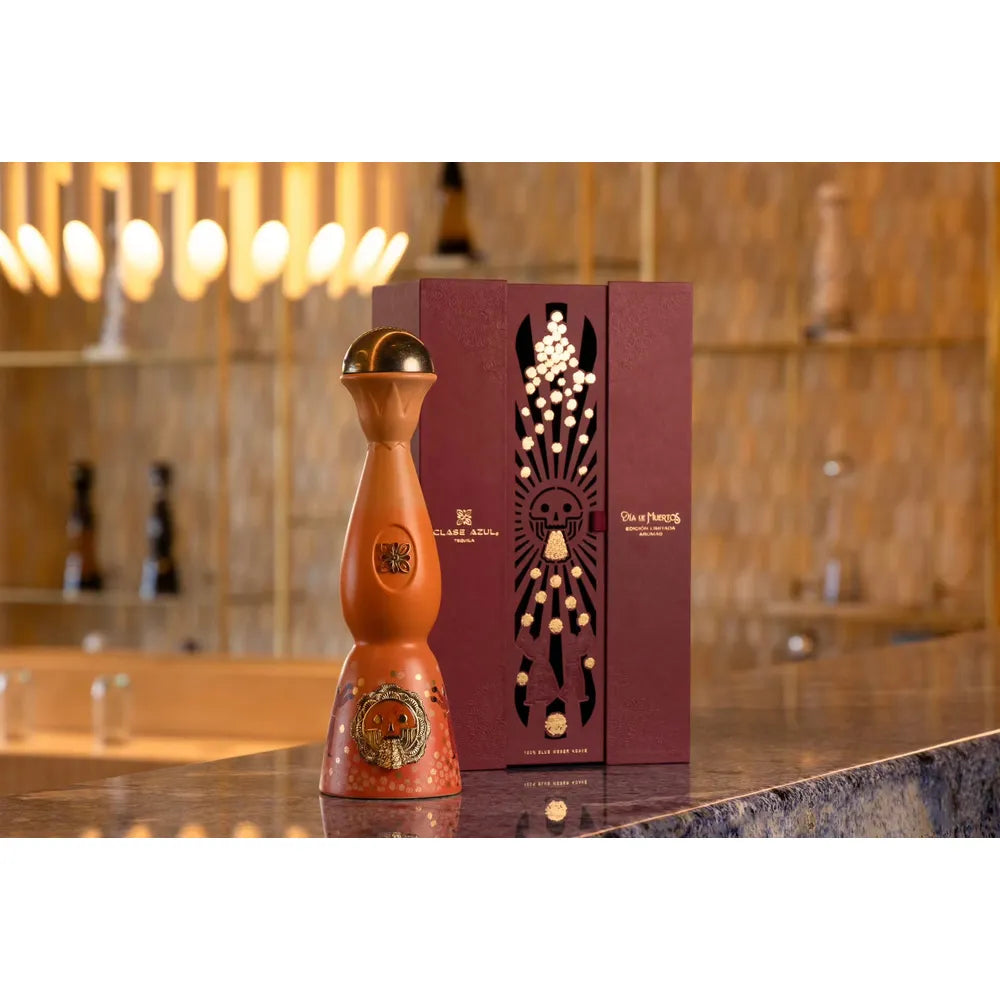
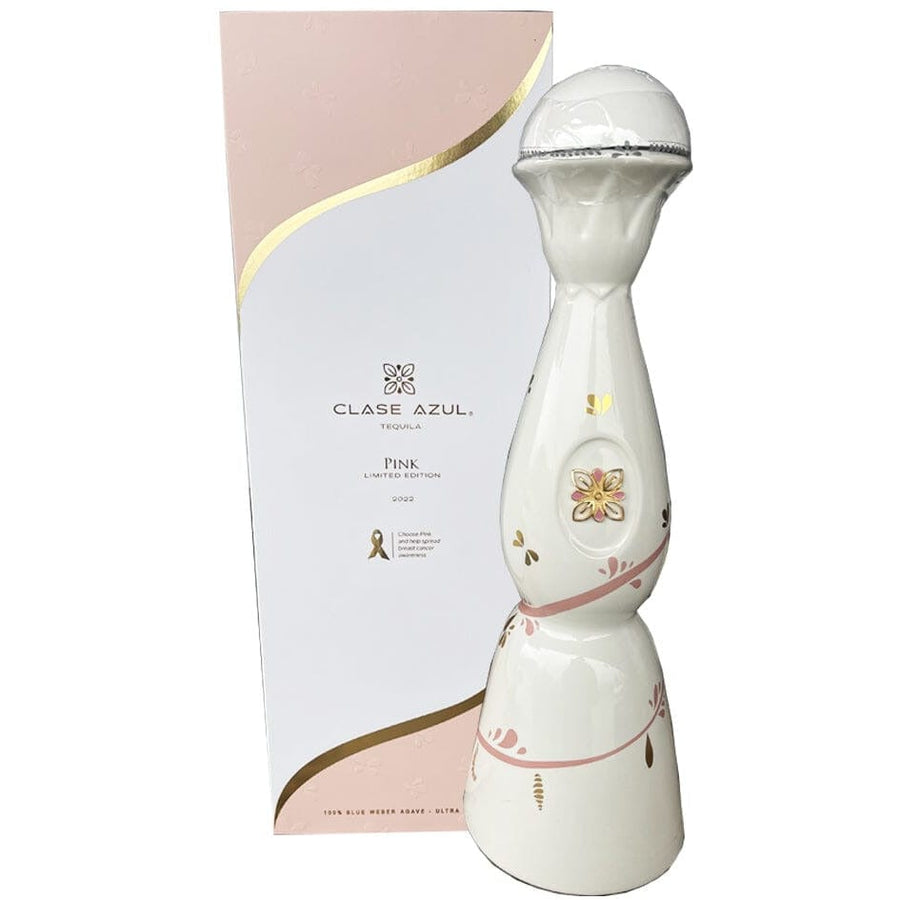
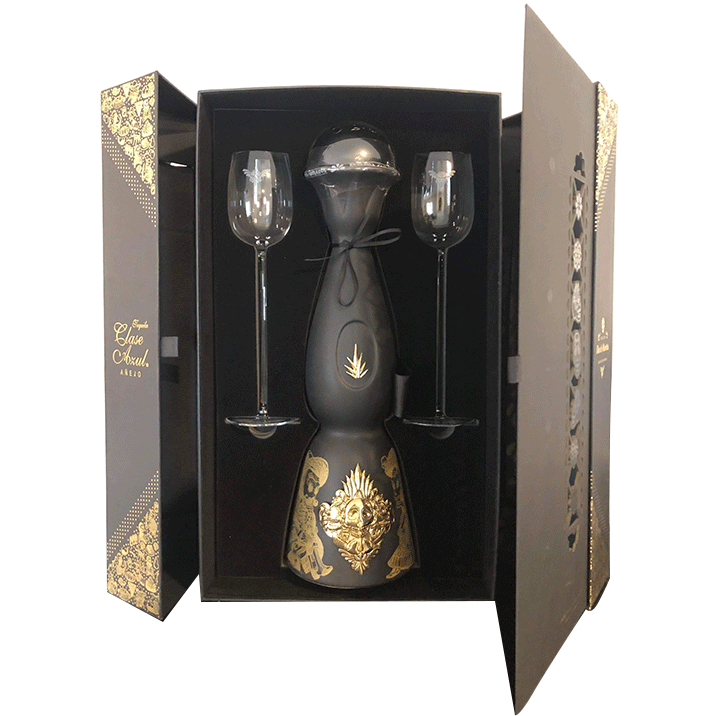
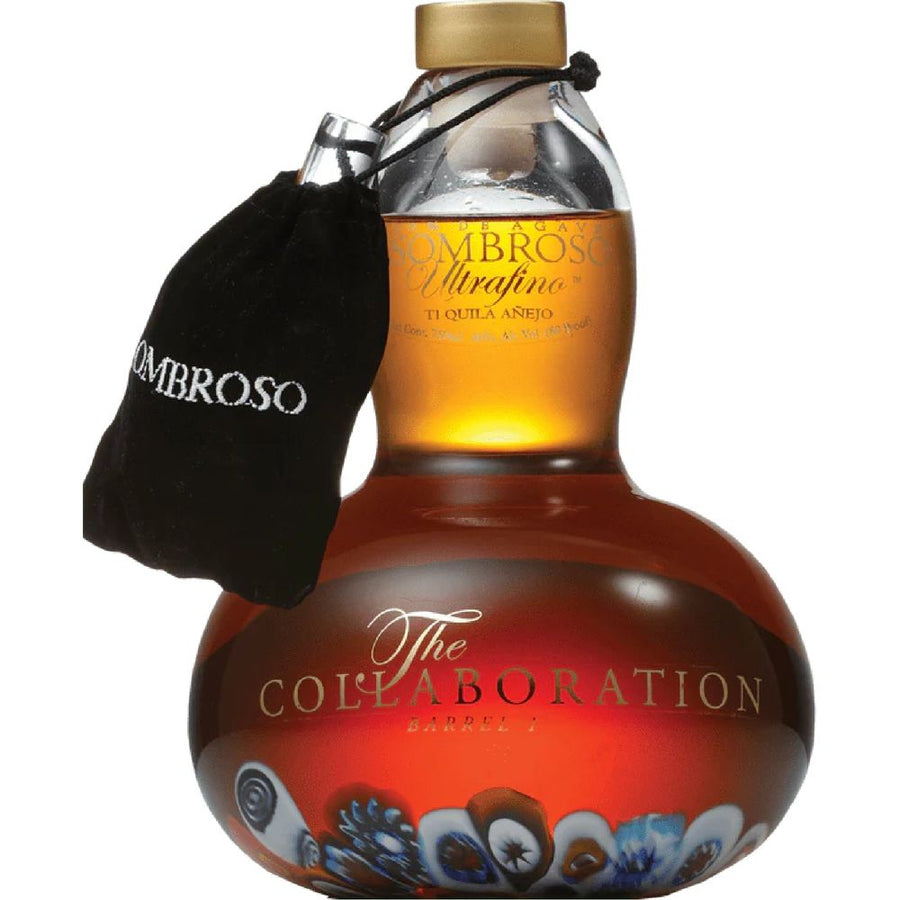
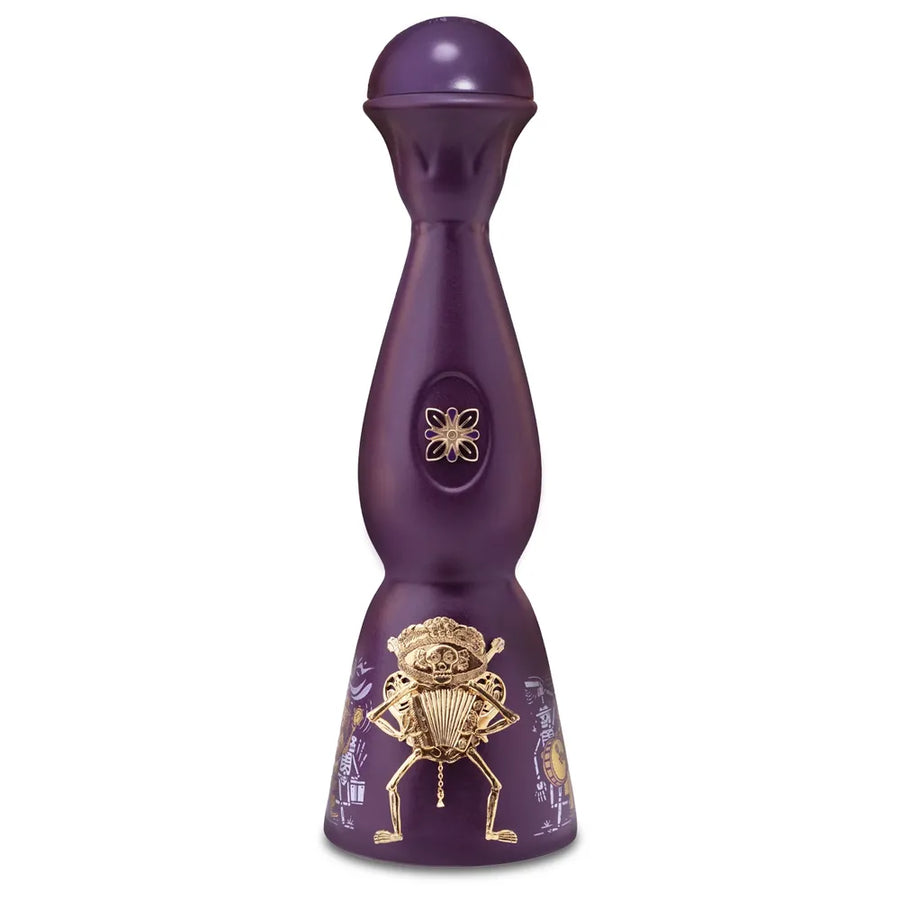
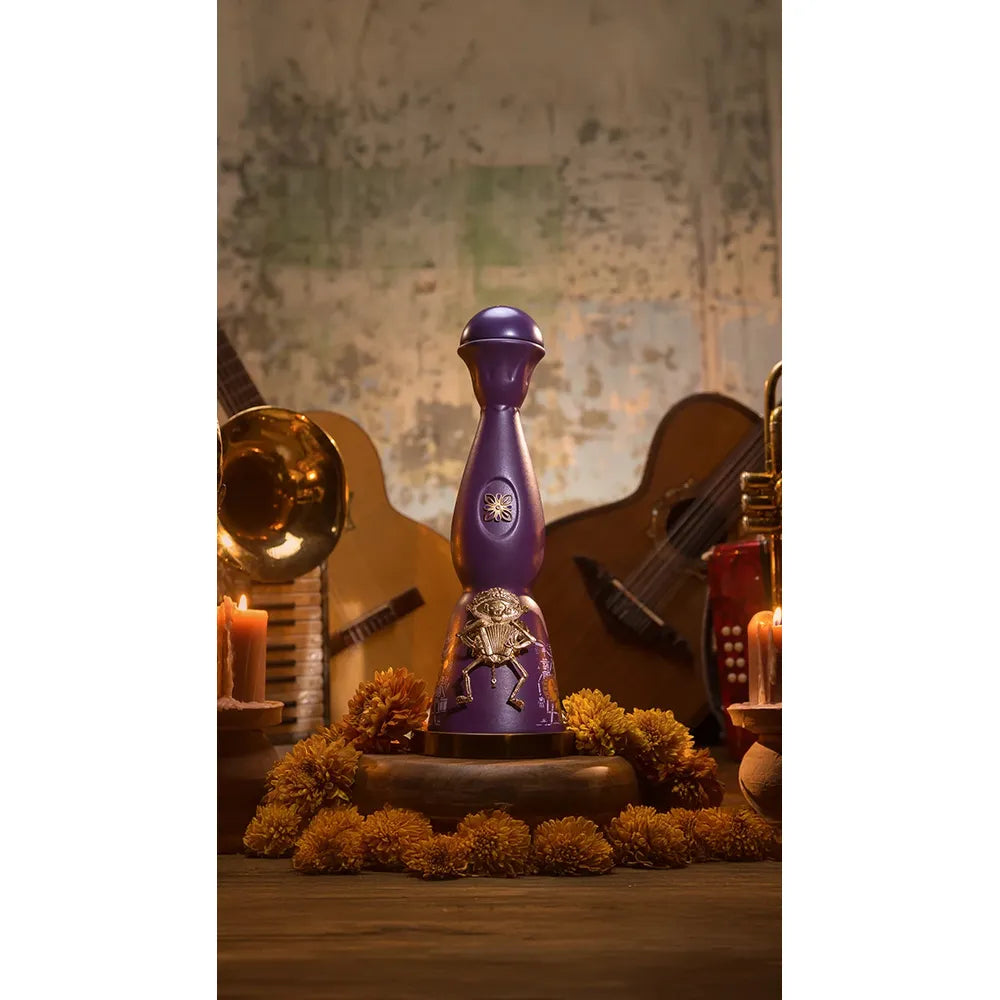
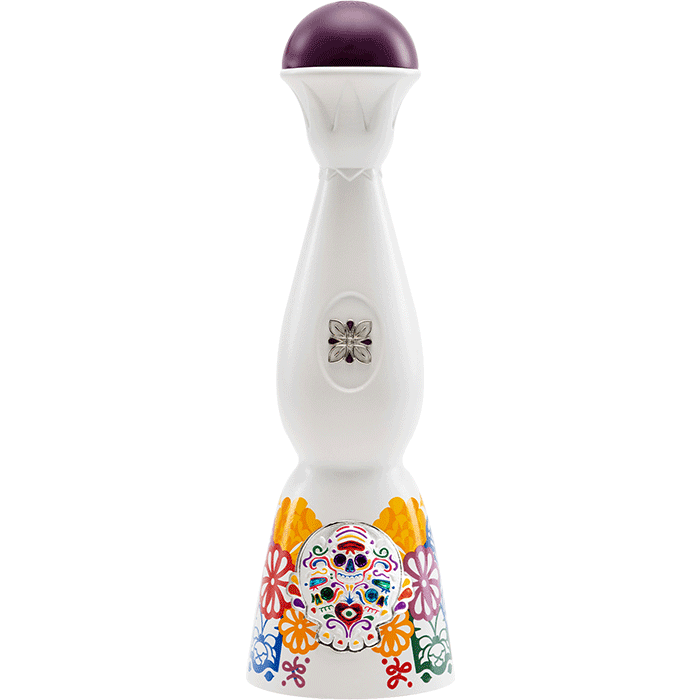
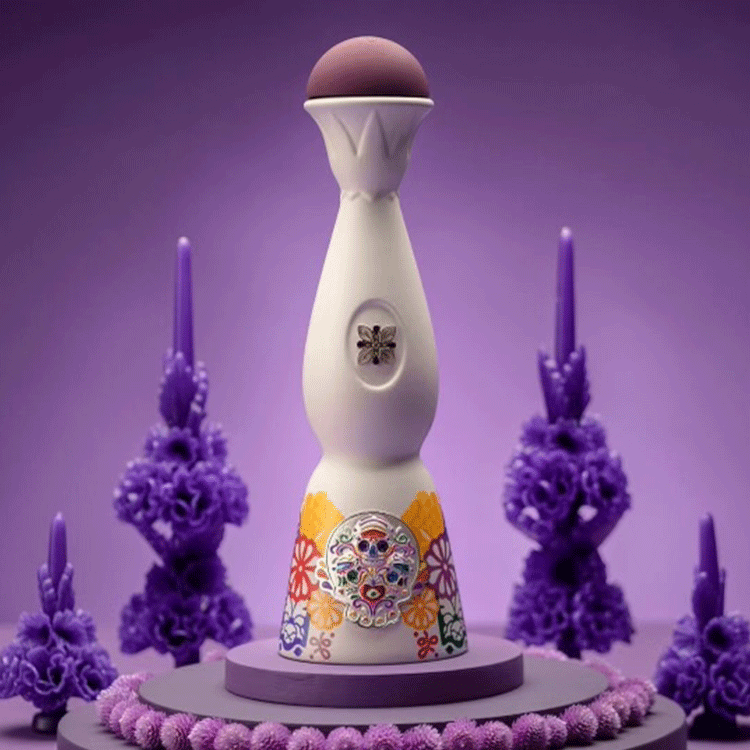
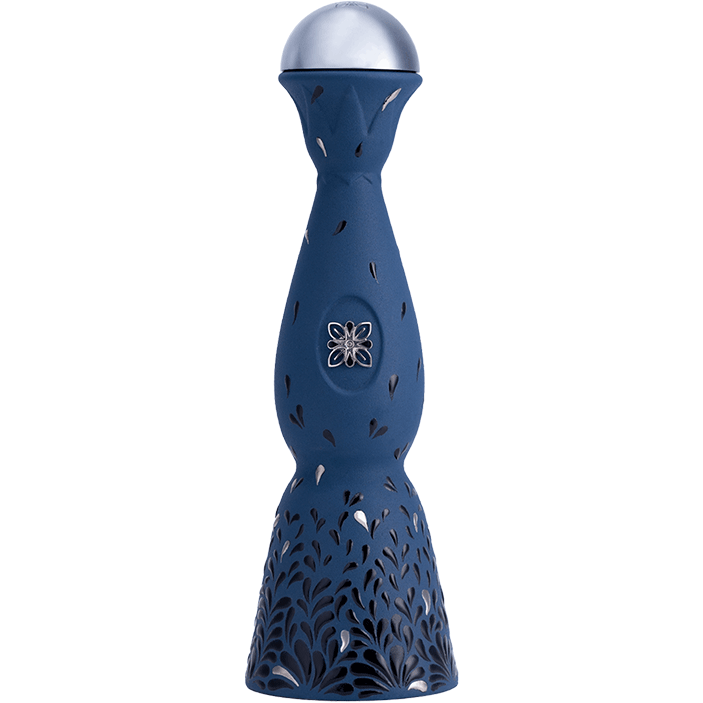
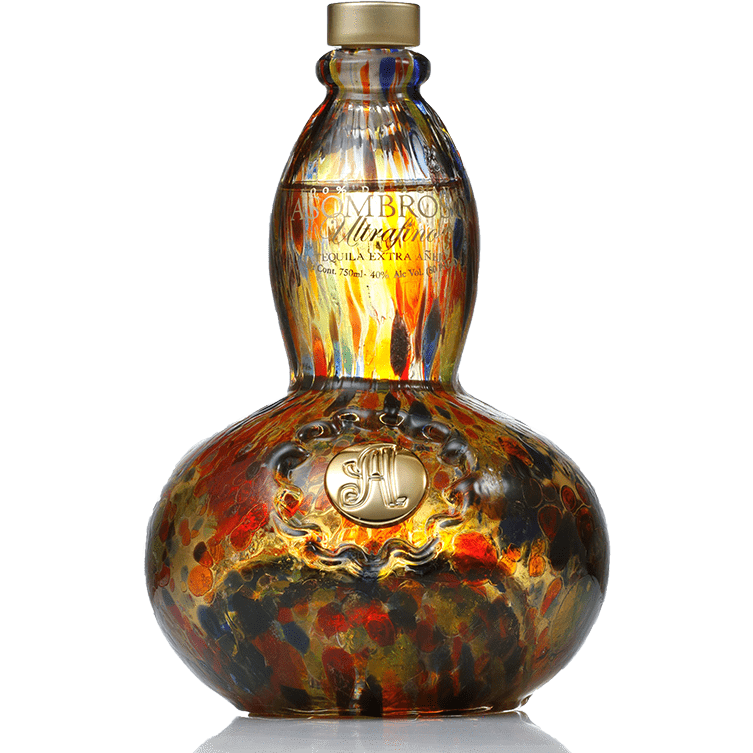
Wooden Cork’s luxury tequila collection brings together the most prestigious and most allocated agave spirits in the world — from Clase Azul’s hand-painted decanters and Casa Dragones Joven to cult-favorite, single-estate bottlings like Fortaleza, Tequila Ocho, and Siete Leguas. These are the tequilas collectors chase and connoisseurs sip neat.
Luxury tequila isn’t defined by price alone. Some of these bottles command four figures for their craftsmanship and presentation; others, like Fortaleza, stay relatively affordable yet sell out instantly because production is tiny and demand never lets up. What unites them is intent: estate-grown agave, traditional production (tahona-crushed, open-air fermentation, copper-pot distillation), and additive-free profiles built for sipping rather than mixing.
If you’re buying a milestone gift, building a collection, or stepping up from mass-market blanco, this is where the rare and the refined live.
Estate-grown agave: The finest tequilas come from a single estate’s mature blue Weber agave — often 7 to 10 years in the field — rather than bulk-purchased agave. Traditional production: Tahona stone milling, brick-oven roasting, and open-air fermentation are slow, costly methods that define houses like Fortaleza, Siete Leguas, and Tequila Ocho. Additive-free: Premium producers bottle without the glycerin, caramel color, or sweeteners permitted under tequila’s 1% additive rule, letting the agave and the cask speak. Allocation and scarcity: Small annual production means cult bottles disappear from shelves the moment they arrive. Presentation: Houses like Clase Azul and Casa Dragones treat the decanter as an art object, which is part of why they anchor luxury gifting.
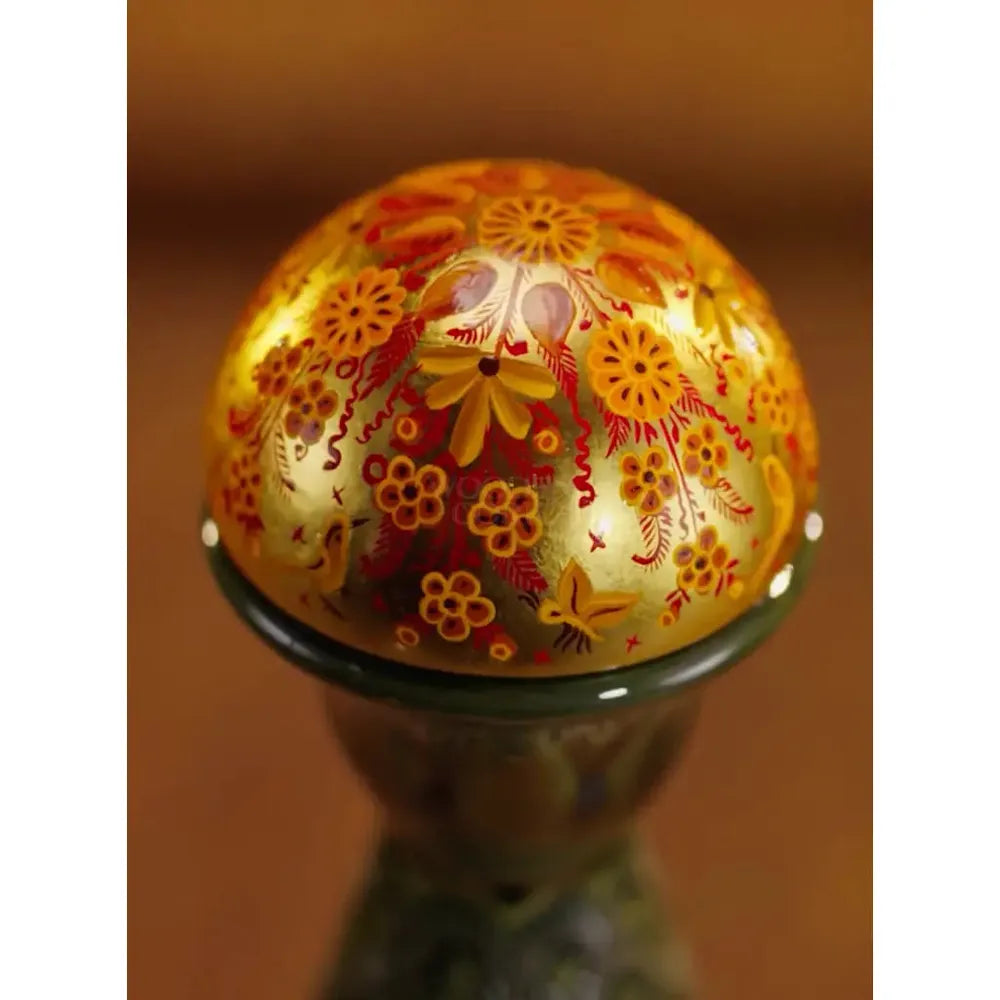
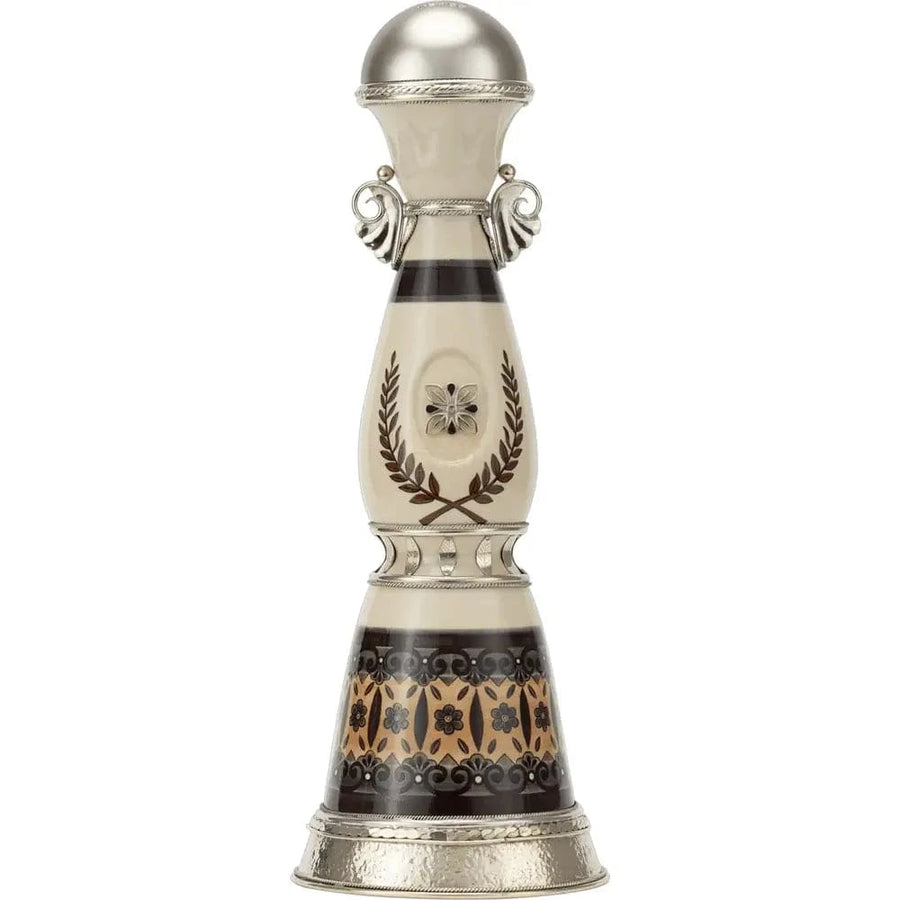
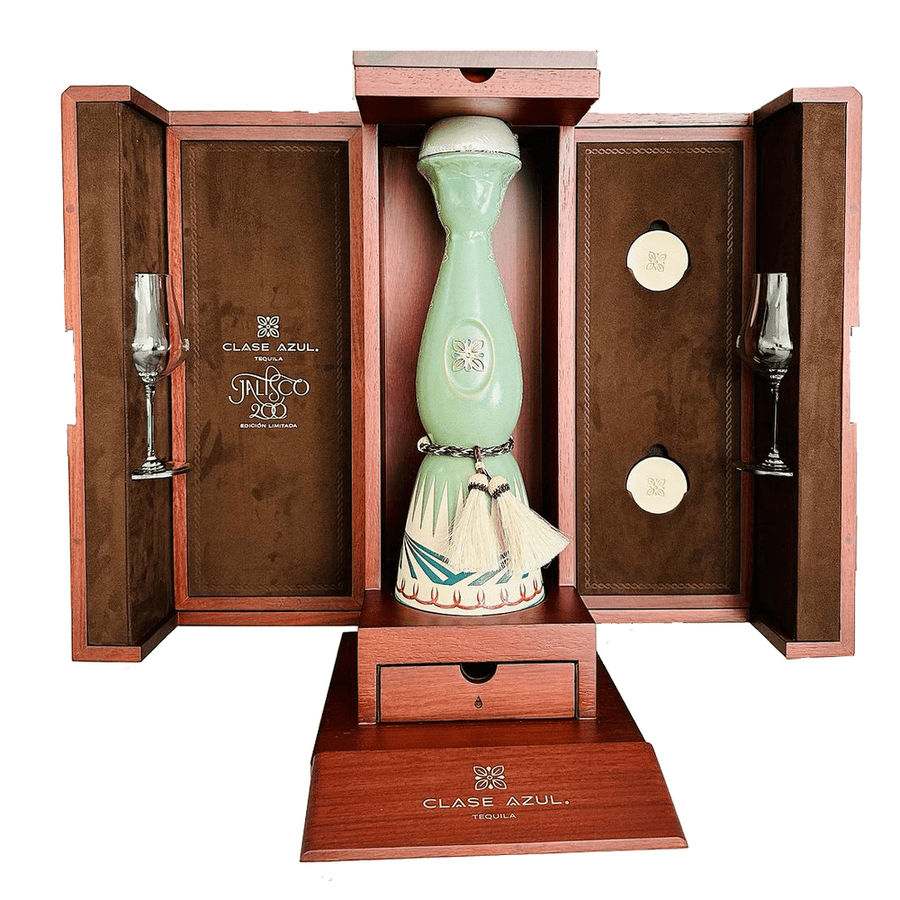
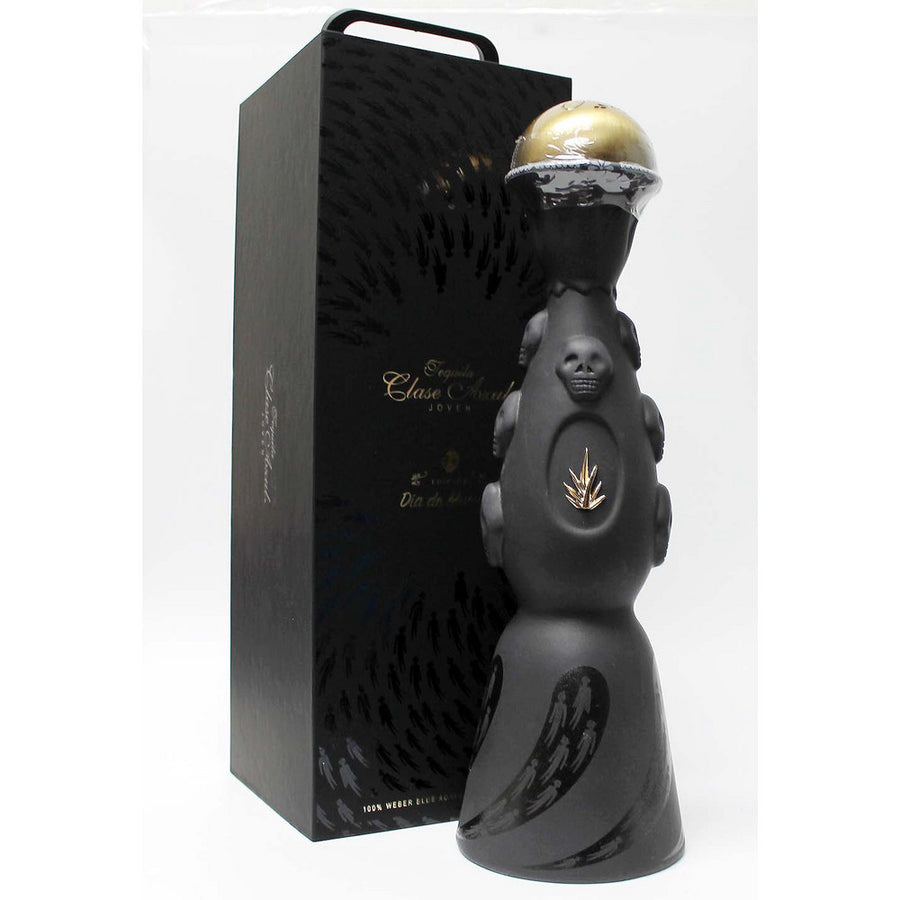
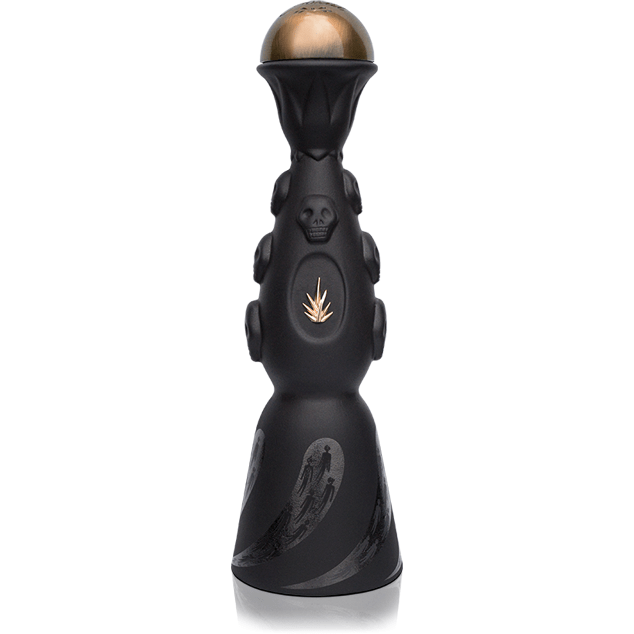
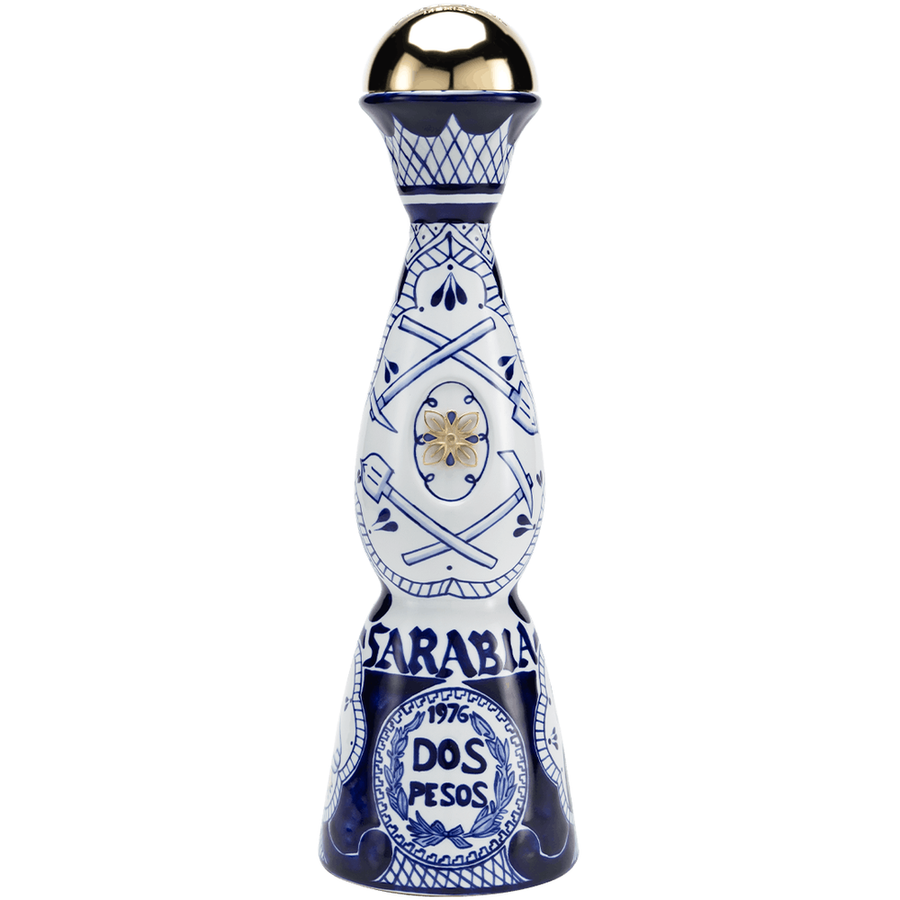
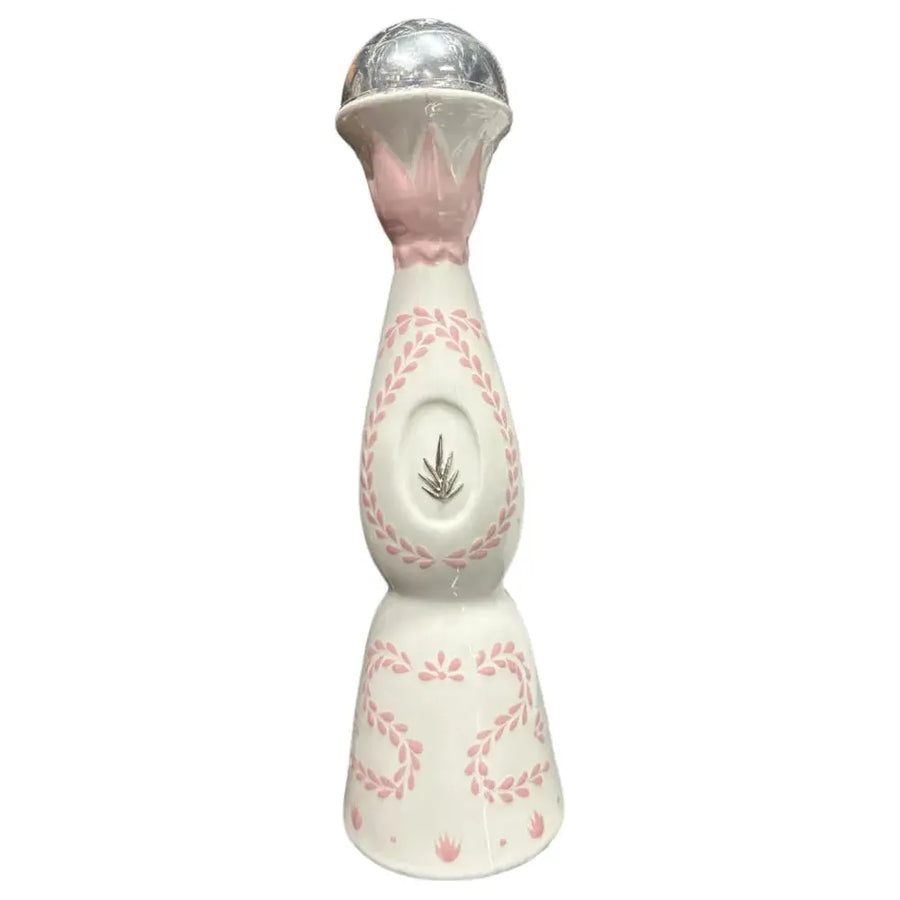
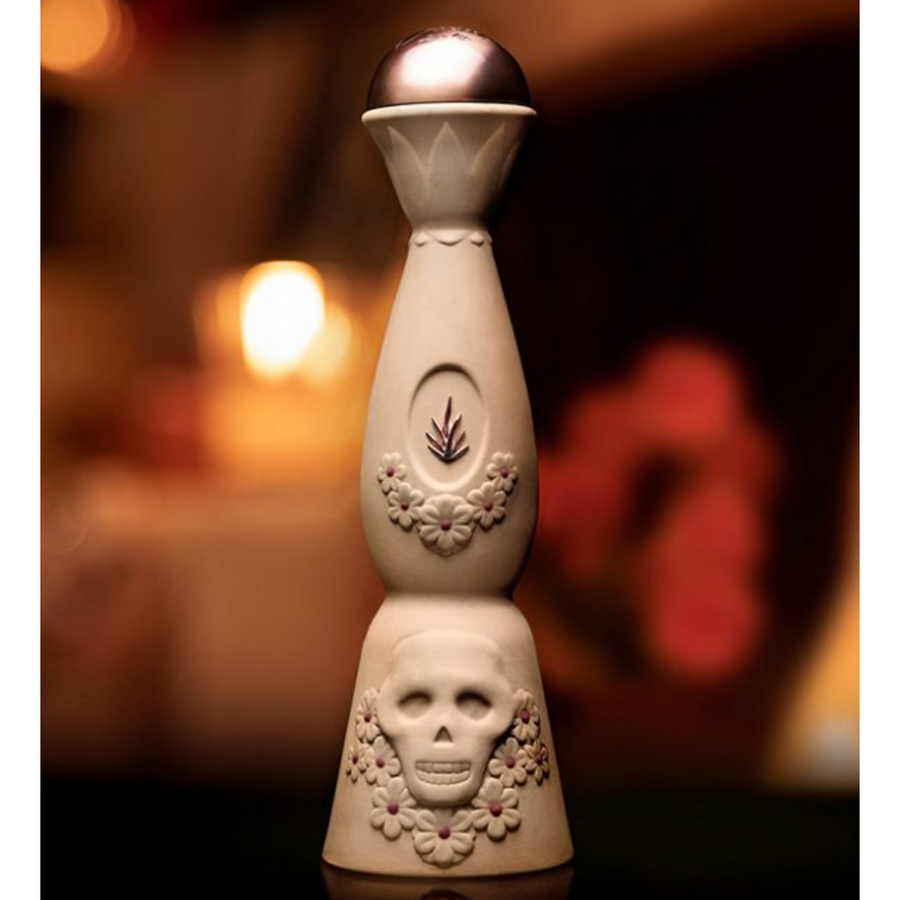
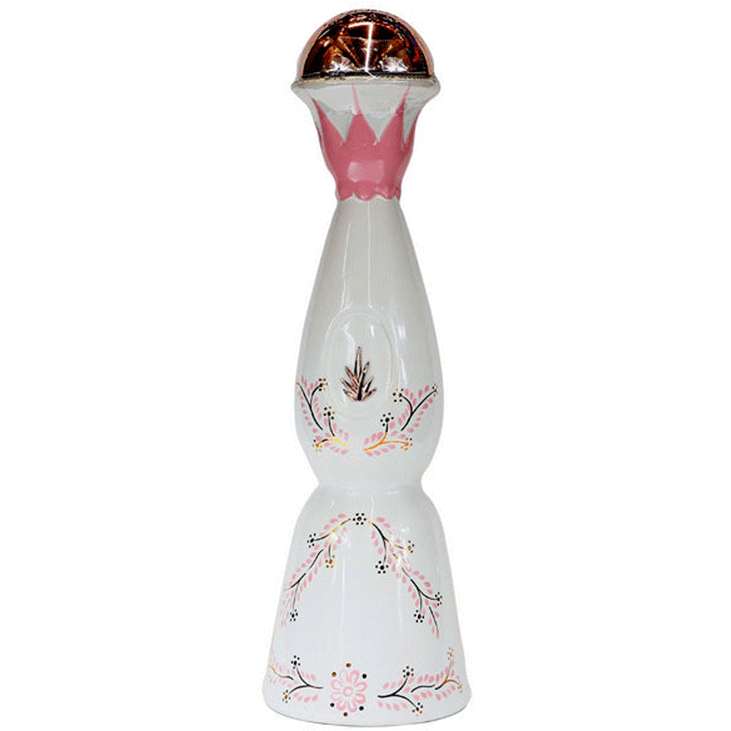
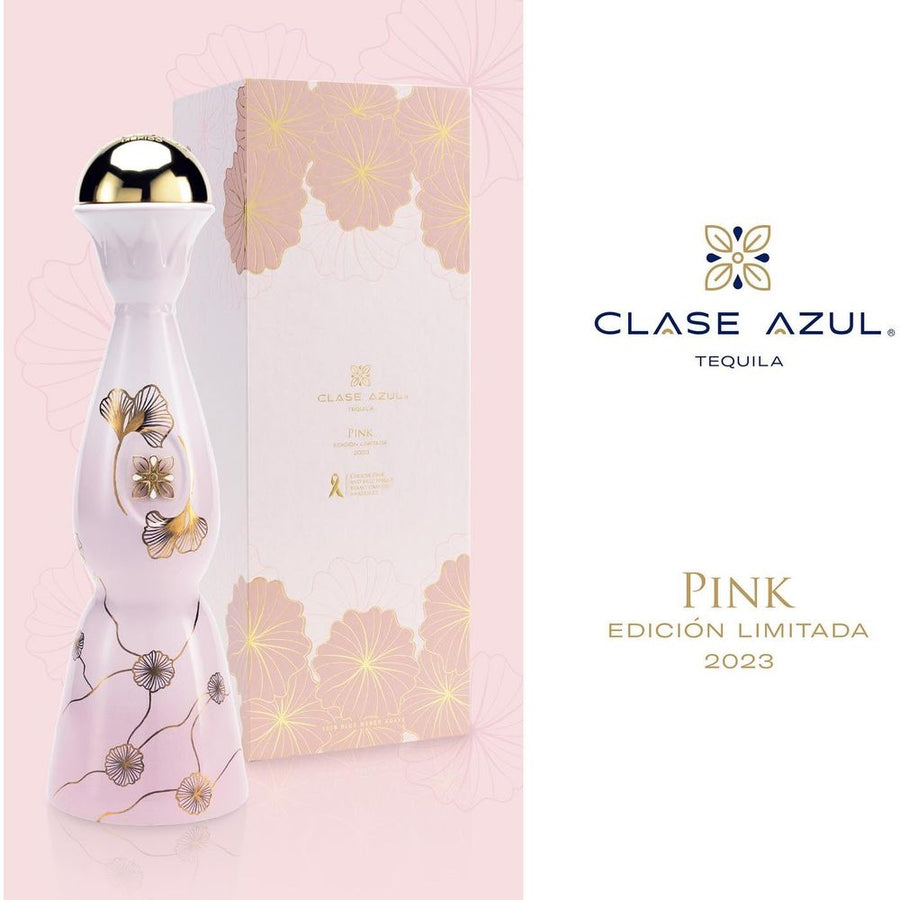
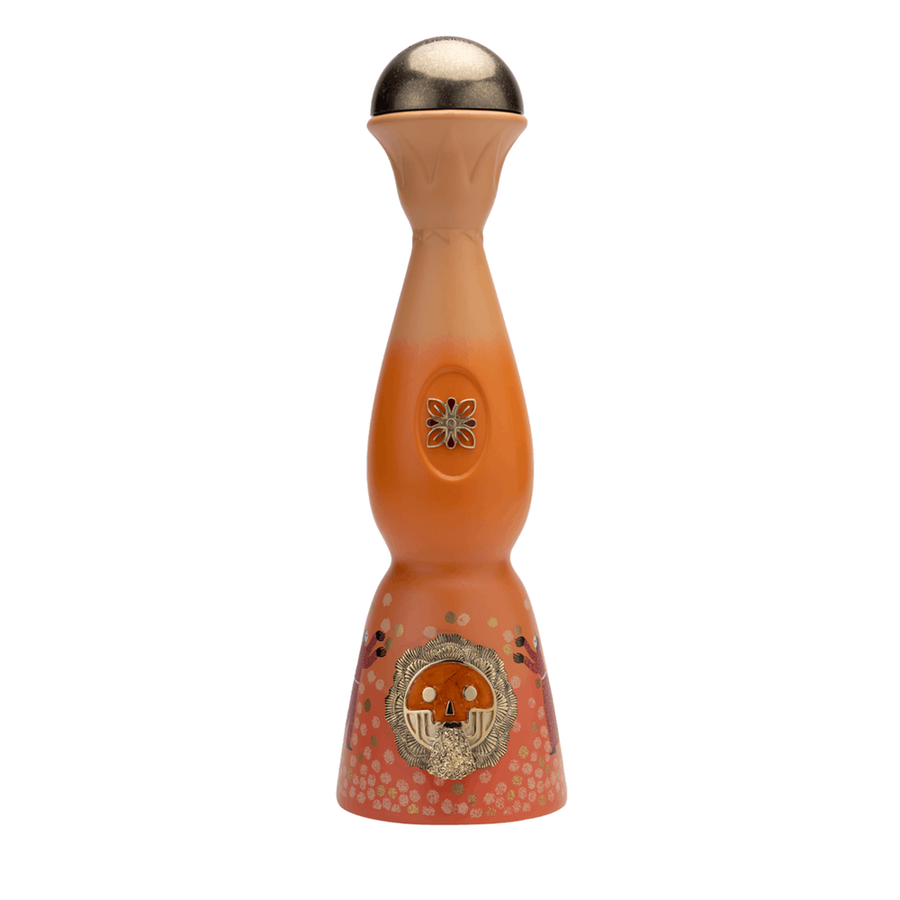
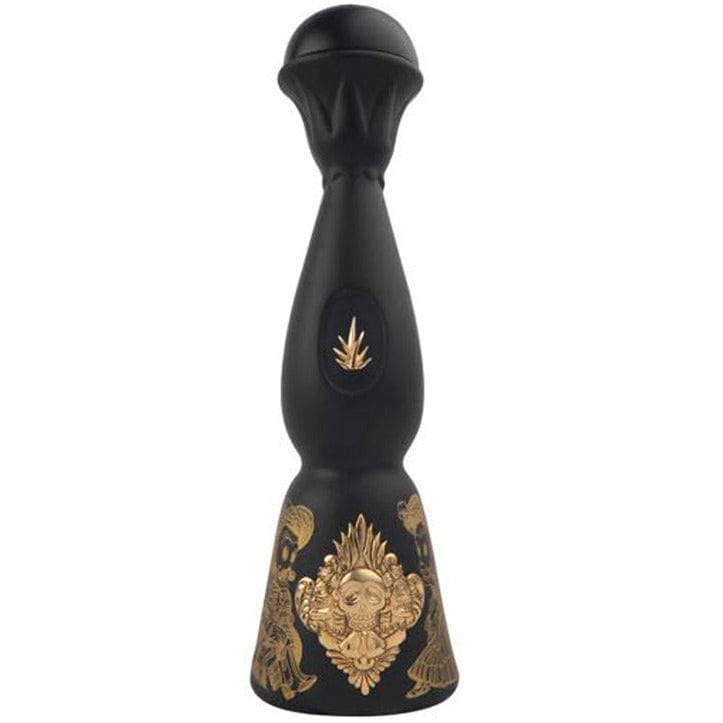
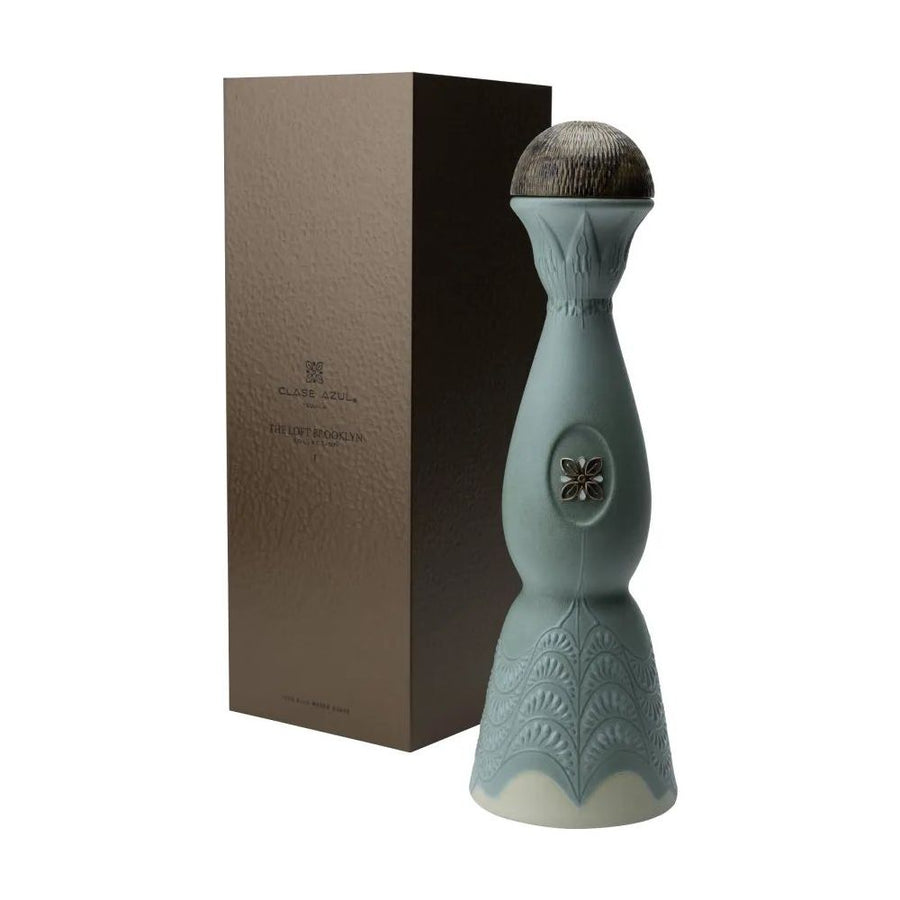
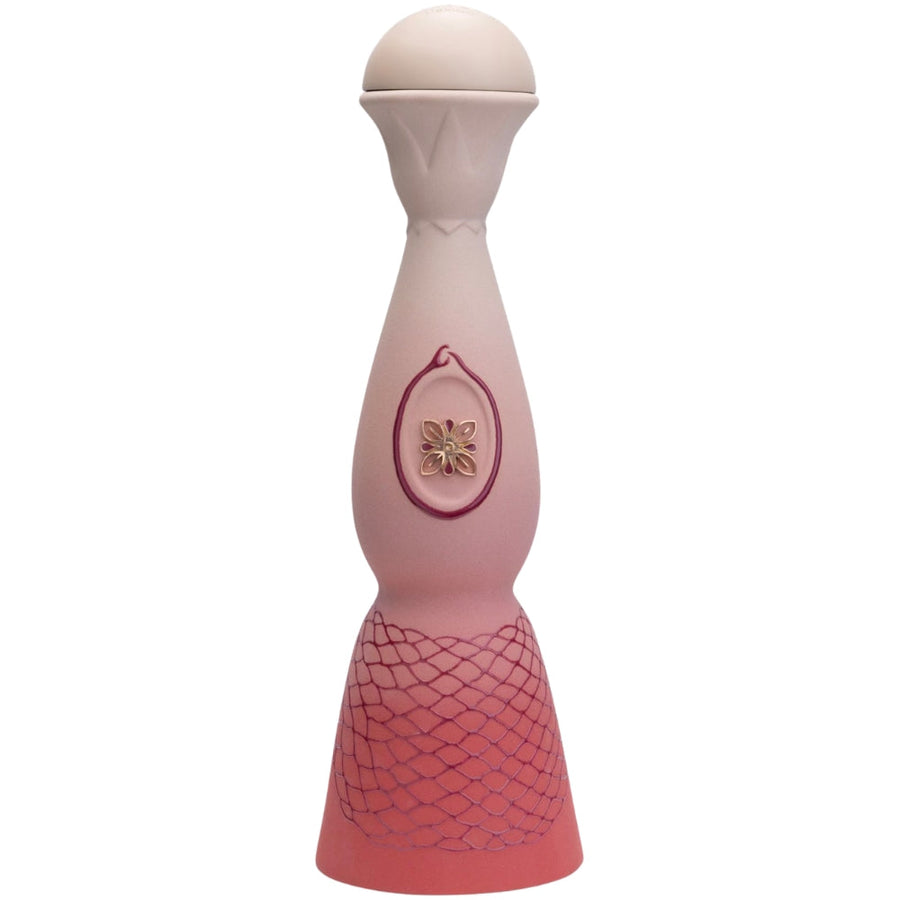
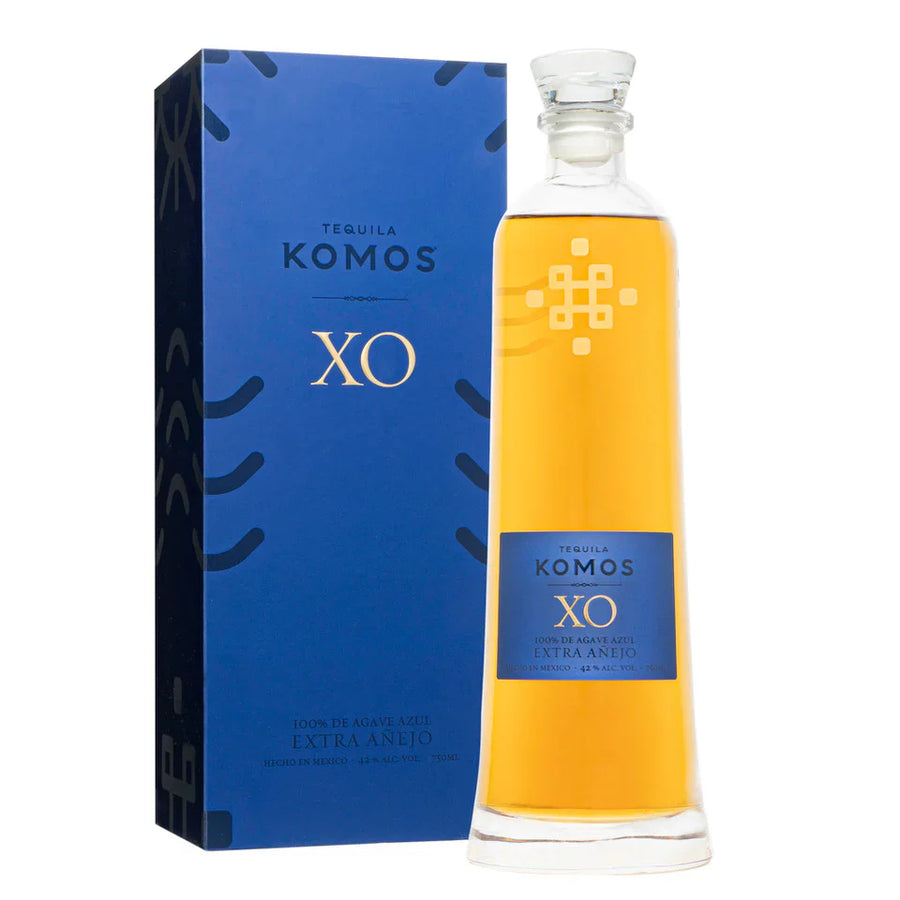
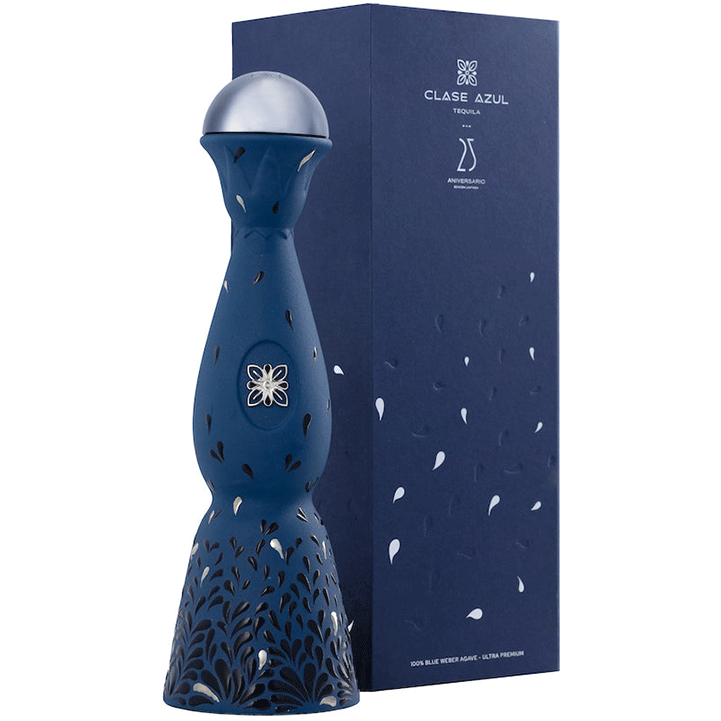
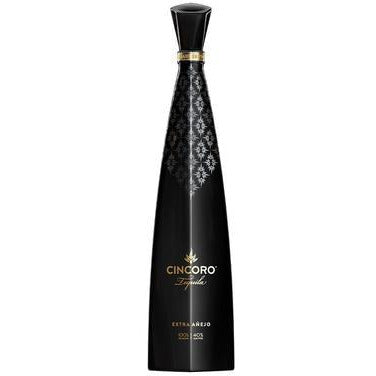
Clase Azul — The hand-painted ceramic decanters are among the most recognizable luxury spirits in the world. Reposado, Añejo, Gold, and the Ultra lineup anchor premium tequila gifting. Casa Dragones — Founded as a sipping-tequila house; the Joven and Blanco are favorites among collectors and chefs. Fortaleza — Made at the Sauza family’s original Tequila estate using a stone tahona and historic methods. Blanco, Reposado, Añejo, and the allocated Still Strength are perennial cult grails. Tequila Ocho — Single-estate, vintage-dated tequila from the Camarena family and Tomas Estes, celebrated for terroir-driven releases. Siete Leguas — A traditional powerhouse that historically produced Patrón; tahona and roller-mill expressions prized by purists. Cincoro — Founded by Michael Jordan and fellow NBA owners; a polished, high-end lineup from Blanco to Extra Añejo. Komos — Award-winning añejo cristalino and reposado rosa in striking amphora-style decanters. El Tesoro, Tapatio, Don Fulano, Cazcanes, El Tequileño — The connoisseur tier: traditionally made, additive-free, and increasingly hard to find at retail.
Browse the full tequila selection or explore añejo & extra añejo for aged sipping expressions.
The most expensive tequilas reach well into the thousands — ultra-aged extra añejo and cristalino expressions from houses like Clase Azul (the Ultra and 25th Anniversary releases), Casa Dragones, and Komos lead the category. Beyond the bottle, value is driven by extra-añejo aging, single-estate agave, and limited annual production.
Four factors: estate-grown agave aged 7–10 years before harvest, traditional production (tahona milling, brick-oven roasting, copper-pot distillation), additive-free bottling, and scarcity. Extra añejo expressions also spend years in oak, tying up inventory and adding cost.
Yes — though not for its price. Fortaleza is moderately priced but intensely allocated, made at the Sauza family’s original estate using a stone tahona and historic methods. Its scarcity and traditional production make it one of the most sought-after sipping tequilas in the world.
Clase Azul Reposado and Casa Dragones Joven are the classic luxury gifts thanks to their presentation and broad appeal. For a tequila enthusiast who already owns the essentials, an allocated bottle like Fortaleza Añejo, Tequila Ocho, or a Komos cristalino makes a more distinctive choice.