Champagne
487 products


487 products
Champagne is the world's benchmark sparkling wine — made only in France's Champagne region by the traditional method, where a second fermentation in the bottle builds its fine, persistent bead and signature notes of citrus, green apple, brioche, and chalky minerality.
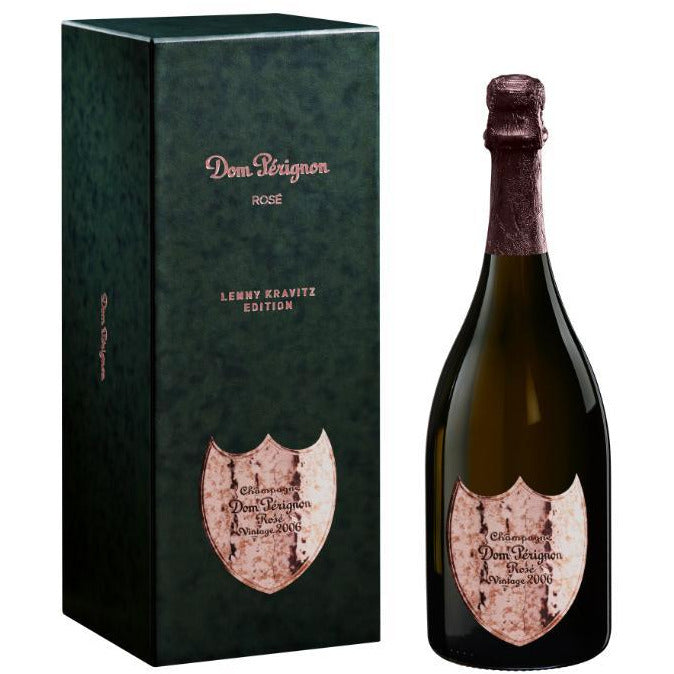
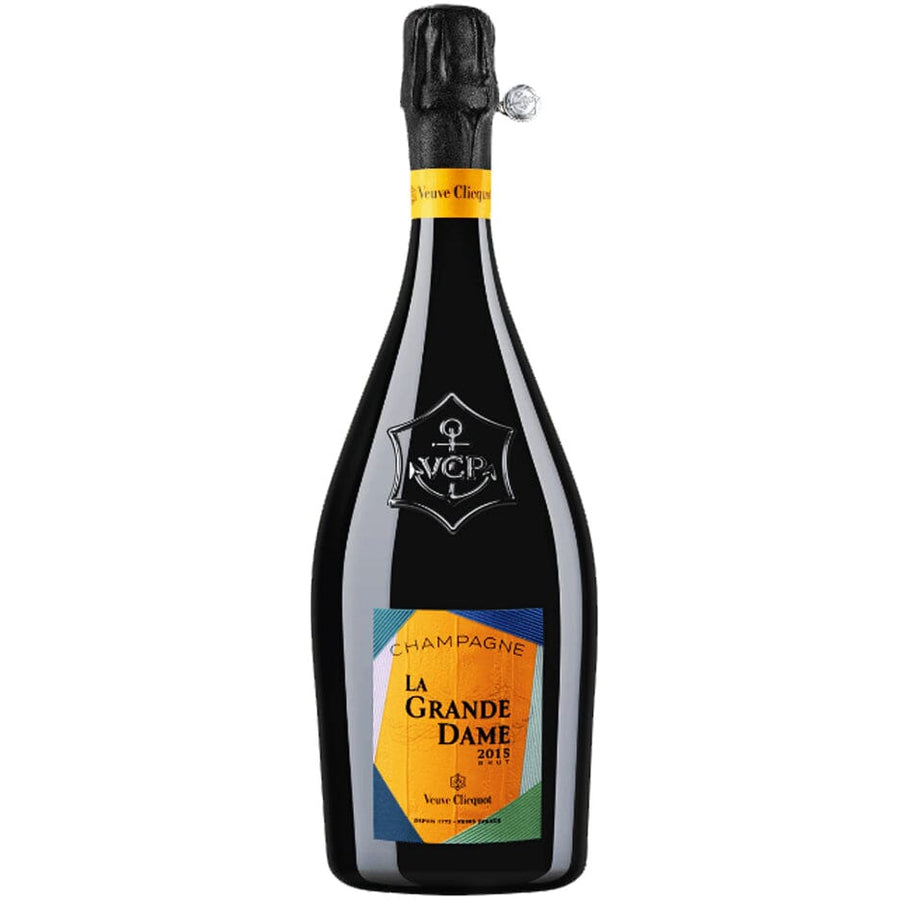
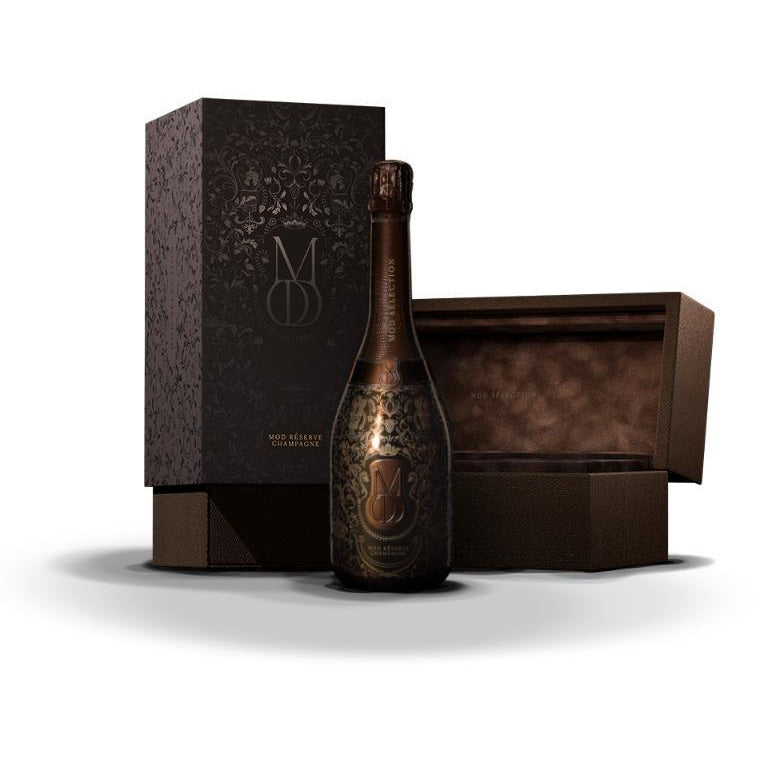
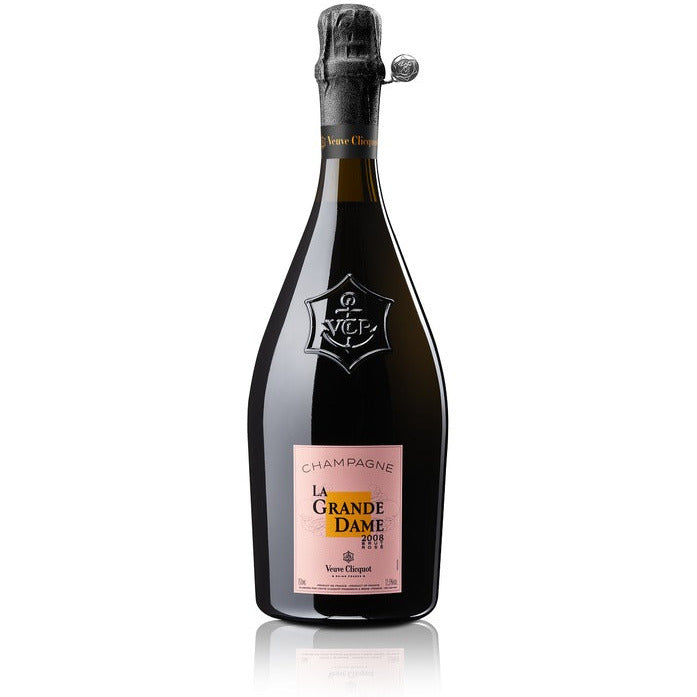
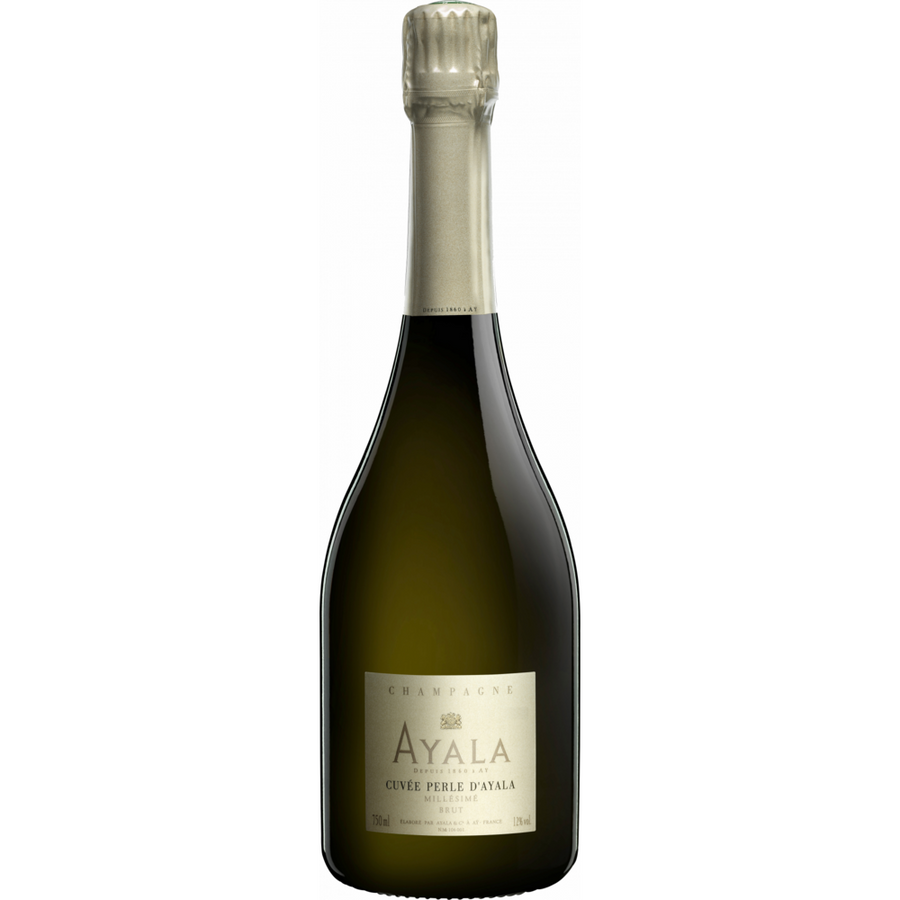
The Wooden Cork selection runs from the great Grande Marque houses to small grower-producers who farm and bottle their own fruit. You'll find the full range of styles here: crisp non-vintage Brut for everyday celebration, richer Vintage cuvées from single declared years, delicate Blanc de Blancs made entirely from Chardonnay, structured Blanc de Noirs from Pinot Noir and Pinot Meunier, and the prestige tête de cuvée bottlings that represent each house's finest expression.
Whether you're stocking up for a wedding, building a cellar, or choosing a gift, the collection spans approachable bottles and collector-grade Prestige Cuvées with fast, secure shipping nationwide. Prefer a lighter, fruit-forward style? Explore Prosecco. Looking for pink? See our Rosé selection, or browse all wine at Wooden Cork.
Champagne is a protected designation — only sparkling wine made in the Champagne region of northeast France, from approved grapes (primarily Chardonnay, Pinot Noir, and Pinot Meunier) using the traditional method (méthode champenoise), can legally be called Champagne. The traditional method means the bubbles come from a second fermentation inside the individual bottle, followed by extended aging on the lees, which produces fine, long-lasting bubbles and the characteristic bready, brioche-like complexity. Prosecco, by contrast, is made in Italy using the tank (Charmat) method, giving softer, fruitier, more immediate wine. Cava from Spain uses the traditional method like Champagne but in a different region with different grapes. So "Champagne" refers to a specific place and method, while "sparkling wine" is the broad category that includes all of them.
These terms indicate the dosage — the small amount of sugar added after the second fermentation — and they run from driest to sweetest. Brut Nature (or Zero Dosage) has essentially no added sugar and is bone dry. Extra Brut is very dry. Brut, the most common style, is dry with just a touch of sugar to balance Champagne's naturally high acidity, and pairs well across a meal. Extra Dry is, confusingly, slightly sweeter than Brut. Sec is noticeably off-dry, Demi-Sec is sweet and works beautifully with desserts, and Doux is the sweetest and rarest. For most occasions and food pairings, Brut is the versatile default; Demi-Sec is the choice when you want a dessert Champagne.
Non-vintage Brut Champagne is released ready to drink and is best enjoyed within about three to four years of purchase, though it will keep longer if stored properly. Vintage and Prestige Cuvée Champagnes are built to age — many develop richer, nuttier, more honeyed complexity over a decade or more in a cool, dark, stable environment stored on their side or upright. Champagne does not improve once opened; the bubbles fade within a day or two even with a stopper. Store bottles away from light and temperature swings, and chill only the bottles you intend to open soon.