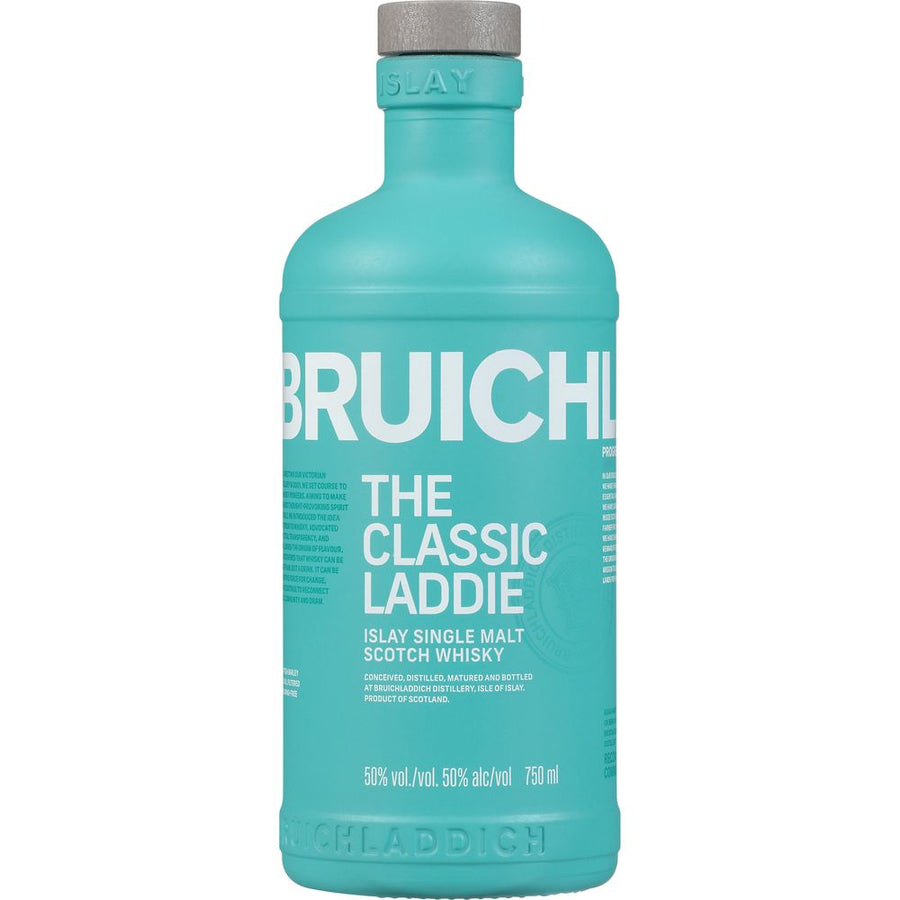
Single Malt vs Blended Scotch Explained
Single malt and blended Scotch are not better or worse than each other; they are different answers to the same question. The terms get thrown around as if "single malt" automatically means premium and "blended" means cheap, but the reality is more nuanced and more interesting. Here is what the labels actually mean.
- Single malt is made at one distillery from 100 percent malted barley.
- Blended Scotch combines malt whiskies with grain whiskies, often from many distilleries.
- "Single" refers to one distillery, not one barrel.
- Both can be excellent; blends dominate global sales, single malts dominate enthusiast attention.
What "Single Malt" Really Means
A single malt Scotch is made at one single distillery, using only malted barley, and distilled in pot stills. The word "single" refers to the single distillery of origin, not, as many assume, a single barrel. A single malt can be, and almost always is, a blend of many barrels from that one distillery, married together to create a consistent house style.
What "Blended Scotch" Really Means
Blended Scotch combines one or more single malt whiskies with grain whisky, which is typically made from other grains in more efficient column stills. A master blender combines malts and grains, often from numerous distilleries, to create a smooth, consistent, approachable product. The vast majority of Scotch sold worldwide is blended, including some of the most famous names on the shelf.
Is One Better Than the Other?
No, and this is the key point. Single malts are prized for their distinctive regional and distillery character, the very thing enthusiasts chase. Blends are crafted for balance, smoothness, and consistency, and a well-made blend can be sublime. The blender's art of combining dozens of whiskies into a harmonious whole is a genuine skill. Price and quality exist across both categories.
When to Choose Each
Reach for a single malt when you want to explore the specific character of a region or distillery, sip slowly, and appreciate nuance. Reach for a quality blend when you want smooth, versatile, everyday enjoyment, or a reliable base for a Scotch cocktail. Neither choice is wrong.
Side by Side
| Single Malt | Blended Scotch | |
|---|---|---|
| Distilleries | One | Often many |
| Grains | 100% malted barley | Malt + grain whisky |
| Character | Distinctive, regional | Smooth, balanced |
| Typical use | Sipping, exploring | Everyday, cocktails |
Both belong in a well-rounded whisky journey. Explore them in our Scotch collection.
Frequently Asked Questions
Does "single" mean one barrel?
No. It means one distillery. A single malt is usually blended from many barrels at that distillery to achieve a consistent style.
Is single malt always better than blended?
No. Both range widely in quality. Single malts offer distinctive character; well-made blends offer smoothness and balance.
What is grain whisky?
Whisky made from grains other than just malted barley, often in column stills. It is a key component of blended Scotch.
Why is most Scotch sold blended?
Blends are smooth, consistent, versatile, and affordable, which makes them appealing to the broadest range of drinkers worldwide.